Accurate 3D hand pose and pressure sensing is essential for immersive human-computer interaction, yet simultaneously achieving both in mobile scenarios remains a significant challenge. We present WristP2, a camera-based wrist-worn system that estimates 3D hand pose and per-vertex pressure from a single wide-FOV RGB frame in real time. A ViT (Vision Transformer) backbone with joint-aligned tokens predicts Hand–VQ–VAE codebook indices for mesh recovery, while an extrinsics-conditioned branch jointly estimates per-vertex pressure. On a self-collected dataset of 133,000 frames (20 subjects; 48 on-plane and 28 mid-air gestures), WristP2 attains MPJPE (Mean Per-Joint Position Error) of 2.9 mm, Contact \(\operatorname{IoU}\) of 0.712, \(\operatorname{Vol.IoU}\) of 0.618, and foreground pressure MAE of 10.4 g. Across three user studies, WristP2 delivers touchpad-level efficiency in mid-air pointing and robust multi-finger pressure control on an uninstrumented desktop. In a real-world large-display Whac-A-Mole task, WristP2 also enables higher success ratio and lower arm fatigue than head-mounted camera-based baselines. These results position WristP2 as an effective, mobile solution for versatile pose- and pressure-based interaction.
Recent advancements in visual autoregressive models (VAR) have demonstrated their effectiveness in image generation, highlighting their potential for real-world image super-resolution (Real-ISR). However, adapting VAR for ISR presents critical challenges. The next-scale prediction mechanism, constrained by casual attention, fails to fully exploit global low-quality (LQ) context, resulting in blurry and inconsistent high-quality (HQ) outputs. Additionally, error accumulation in the iterative prediction severely degrades coherence in ISR task. To address these issues, we propose VARestorer, a simple yet effective distillation framework that transforms a pre-trained text-to-image VAR model into a one-step ISR model. By leveraging distribution matching, our method eliminates the need for iterative refinement, significantly reducing error propagation and inference time. Furthermore, we introduce pyramid image conditioning with cross-scale attention, which enables bidirectional scale-wise interactions and fully utilizes the input image information while adapting to the autoregressive mechanism. This prevents later LQ tokens from being overlooked in the transformer. By fine-tuning only 1.2\% of the model parameters through parameter-efficient adapters, our method maintains the expressive power of the original VAR model while significantly enhancing efficiency. Extensive experiments show that VARestorer achieves state-of-the-art performance with 72.32 MUSIQ and 0.7669 CLIPIQA on DIV2K dataset, while accelerating inference by 10 times compared to conventional VAR inference.
Egocentric AI agents, such as smart glasses, rely on pointing gestures to resolve referential ambiguities in natural language commands. However, despite advancements in Multimodal Large Language Models (MLLMs), current systems often fail to precisely ground the spatial semantics of pointing. Instead, they rely on spurious correlations with visual proximity or object saliency, a phenomenon we term "Referential Hallucination." To address this gap, we introduce EgoPoint-Bench, a comprehensive question-answering benchmark designed to evaluate and enhance multimodal pointing reasoning in egocentric views. Comprising over 11k high-fidelity simulated and real-world samples, the benchmark spans five evaluation dimensions and three levels of referential complexity. Extensive experiments demonstrate that while state-of-the-art proprietary and open-source models struggle with egocentric pointing, models fine-tuned on our synthetic data achieve significant performance gains and robust sim-to-real generalization. This work highlights the importance of spatially aware supervision and offers a scalable path toward precise egocentric AI assistants. Project page: https://guyyyug.github.io/EgoPoint-Bench/
In this paper, we propose a hyperparameter-specialized adaptive fingerprinting framework named AdaParse for model reverse engineering, which aims at predicting hyperparameters of interest in generative models from the given AI-generated images. Existing methods rely on a single coarse model fingerprint that is originally designed for model-level attribution, which makes it difficult to distinguish fine-grained traces corresponding to different hyperparameter configurations in a multitude of generative models. To address this, our AdaParse dynamically responds to instance-level variations by estimating hyperparameter-specific fingerprints via personalizing estimation networks tailored for each input image. Specifically, our approach simultaneously learns two-branch hypernetworks that balance instance-aware and model-agnostic prior knowledge for fingerprint generation. To enable efficient network personalization, we further propose a Broadcasted Fusion module that transforms condensed feature codes into adaptive parameters through factorized weight generation with enhanced representative capacity. Extensive experiments on the large-scale public dataset across 123 generative models demonstrate that our approach outperforms previous state-of-the-art methods. Code available at https://github.com/lizhuoxun/AdaParse/.
Recent generative models can produce high-fidelity videos, yet they often exhibit 3D spatial geometric inconsistencies. Existing evaluation methods fail to accurately characterize these inconsistencies: fidelity-centric metrics like FVD are insensitive to geometric distortions, while consistency-focused benchmarks often penalize valid foreground dynamics. To address this gap, we introduce SGC, a metric for evaluating 3D Spatial Geometric Consistency in dynamically generated videos. We quantify geometric consistency by measuring the divergence among multiple camera poses estimated from distinct local regions. Our approach first separates static from dynamic regions, then partitions the static background into spatially coherent sub-regions. We predict depth for each pixel, estimate a local camera pose for each subregion, and compute the divergence among these poses to quantify geometric consistency. Experiments on real and generative videos demonstrate that SGC robustly quantifies geometric inconsistencies, effectively identifying critical failures missed by existing metrics.
Spatial generalization is critical for imitation-learned manipulation policies, but achieving it typically requires scaling demonstrations across diverse object poses, robot configurations, and camera viewpoints. Data augmentation from a few source demonstrations offers a practical alternative to costly real-world collection. Simulation-based augmentation can create controllable variation, but requires complex environment and object setup and may introduce a sim-to-real gap. Recent real-to-real methods avoid these issues by jointly editing 3D observations and action trajectories from real demonstrations, yet they still rely on strong 3D scene parsing and geometry completion, and often produce observations tailored to 3D pointcloud policies rather than RGB-based 2D policies. We propose R2RDreamer, a real-to-real demonstration augmentation framework that preserves the geometric consistency of 3D action-observation editing while moving visual completion to 2D video space. Specifically, R2RDreamer first performs lightweight 3D augmentation by editing incomplete object pointclouds and end-effector trajectories in a shared 3D frame; it then projects the edited scene into masked image-space control videos with occlusion-aware reasoning and uses a dense-control image-to-video model to complete temporally coherent RGB observations. Experiments on spatially shifted manipulation tasks with both 2D diffusion-style policies and vision-language-action policies show that R2RDreamer improves spatial generalization from limited source demonstrations, with analyses validating the contributions of 3D editing, occlusion-aware projection, and video completion.
Recent advances in diffusion transformers have empowered video generation models to generate high-quality video clips from texts or images. However, world models with the ability to predict long-horizon futures from past observations and actions remain underexplored, especially for general-purpose scenarios and various forms of actions. To bridge this gap, we introduce Astra, an interactive general world model that generates real-world futures for diverse scenarios (e.g., autonomous driving, robot grasping) with precise action interactions (e.g., camera motion, robot action). We propose an autoregressive denoising architecture and use temporal causal attention to aggregate past observations and support streaming outputs. We use a noise-augmented history memory to avoid over-reliance on past frames to balance responsiveness with temporal coherence. For precise action control, we introduce an action-aware adapter that directly injects action signals into the denoising process. We further develop a mixture of action experts that dynamically route heterogeneous action modalities, enhancing versatility across diverse real-world tasks such as exploration, manipulation, and camera control. Astra achieves interactive, consistent, and general long-term video prediction and supports various forms of interactions. Experiments across multiple datasets demonstrate the improvements of Astra in fidelity, long-range prediction, and action alignment over existing state-of-the-art world models.
Video diffusion models, trained on large-scale datasets, naturally capture correspondences of shared features across frames. Recent works have exploited this property for tasks such as optical flow prediction and tracking in a zero-shot setting. Motivated by these findings, we investigate whether supervised training can more fully harness the tracking capability of video diffusion models. To this end, we propose Moaw, a framework that unleashes motion awareness for video diffusion models and leverages it to facilitate motion transfer. Specifically, we train a diffusion model for motion perception, shifting its modality from image-to-video generation to video-to-dense-tracking. We then construct a motion-labeled dataset to identify features that encode the strongest motion information, and inject them into a structurally identical video generation model. Owing to the homogeneity between the two networks, these features can be naturally adapted in a zero-shot manner, enabling motion transfer without additional adapters. Our work provides a new paradigm for bridging generative modeling and motion understanding, paving the way for more unified and controllable video learning frameworks.
Contactless fingerprint recognition has gained increasing attention due to its advantages in hygiene and acquisition flexibility. However, the absence of physical contact constraints introduces severe nonlinear geometric distortions caused by free finger poses in 3D space, resulting in a substantial cross-modal domain gap between contactless and conventional contact-based fingerprints. Existing solutions largely rely on explicit geometric correction or image enhancement, which are fragile under extreme pose variations. In this paper, we propose Identity-Consistent Multi-Pose Generation of Contactless Fingerprints (IMPOSE), a physics-inspired framework that synthesizes identity-preserving, multi-pose contactless fingerprint samples to empower recognition models. IMPOSE consists of three stages: (1) rolled fingerprint identity generation via latent diffusion with discrete codebook representations, (2) cross-modal translation from rolled to contactless modality guided by Sauvola-based local adaptive binarization as an identity anchor, and (3) physics-based multi-pose simulation through 3D finger model texture mapping and projection. The generated samples maintain strict identity consistency at the ridge topology level and spatial alignment with standard fingerprint coordinate space. Extensive experiments on the UWA and PolyU CL2CB databases demonstrate that fine-tuning fixed-length dense descriptors (FDD) with IMPOSE-synthesized data achieves state-of-the-art cross-modal matching, reducing EER to 8.74
Traditional visual object tracking (VOT) methods typically rely on task-specific supervised training, limiting their generalization to unseen objects and challenging scenarios with distractors, occlusion, and nonlinear motion. Recent vision foundation models, exemplified by SAM 2, learn strong video understanding priors from large-scale pretraining and offer a promising foundation for building more robust and generalizable trackers. However, directly applying SAM 2 to VOT remains suboptimal, as it does not explicitly model target motion dynamics or enforce geometric and semantic consistency across frames, both of which are essential for reliable tracking. To address this issue, we propose SAMOSA, a new tracking framework that adapts SAM 2 to complex VOT scenarios by explicitly leveraging motion, geometry, and semantic cues. Specifically, we introduce a lightweight nonlinear motion predictor to model target dynamics and guide mask selection as well as memory filtering. We further exploit semantic cues to detect target shifts and recover from tracking failures, while geometric cues are incorporated as structural constraints to improve tracking stability. In this way, SAMOSA bridges the gap between the implicit video understanding prior of SAM 2 and explicit tracking-oriented modeling. Extensive experiments show that SAMOSA consistently outperforms state-of-the-art SAM 2–based approaches on general benchmarks, demonstrates stronger generalization than supervised VOT methods, and achieves substantial gains on anti-UAV datasets, which typify complex nonlinear motion scenarios. Our code is available at https://github.com/DurYi/SAMOSA.
Retinal vessel segmentation serves as a critical prerequisite for automated diagnosis of retinal pathologies. While recent advances in Convolutional Neural Networks (CNNs) have demonstrated promising performance in this task, significant performance degradation occurs when domain shifts exist between training and testing data. To address these limitations, we propose a novel domain transfer framework that leverages latent vascular similarity across domains and iterative co-optimization of generation and segmentation networks. Specifically, we first pre-train generation networks for source and target domains. Subsequently, the pretrained source-domain conditional diffusion model performs deterministic inversion to establish intermediate latent representations of vascular images, creating domain-agnostic prototypes for target synthesis. Finally, we develop an iterative refinement strategy where segmentation network and generative model undergo mutual optimization through cyclic parameter updating. This co-evolution process enables simultaneous enhancement of cross-domain image synthesis quality and segmentation accuracy. Experiments demonstrate that our framework achieves state-of-the-art performance in cross-domain retinal vessel segmentation, particularly in challenging clinical scenarios with significant modality discrepancies.
Deep learning has profoundly impacted society, yet the inherent nature of deep neural networks hinders further application to high-reliability industries. To demystify these closed-boxes, numerous works attempt to improve the explainability by observing or impacting internal variables of the models. However, existing methods rely on heuristics without rigorous theoretical foundations, often requiring intricate model modifications or redesigns. This work first formalizes two fundamental properties of explainability: alignment and invertibility, serving as theoretical pillars for rigorous interpretability analysis. Building on these, we introduce Bort, a plug-and-play optimizer that enforces Boundedness and orthogonality constraints on model parameters to improve explainability. These constraints are theoretically derived from the alignment and invertibility principles. Considering conventional optimizers can not leverage data features for precise attribution, we present a data-aware extension, termed DBort, which integrates an auxiliary loss term. Intriguingly, in the linear case, DBort converges to Principal Component Analysis (PCA). Our in-depth analysis of penalty term design reveals that $l_{1}$l1-based penalties provide a more stringent adherence to the imposed constraints compared to their $l_{2}$l2 counterparts. Our experiments involve reconstructing and backtracking through the optimized model representations, which reveal a marked enhancement in explainability. Furthermore, leveraging Bort, we successfully synthesize explainable adversarial examples without additional training. Notably, Bort consistently improves the classification accuracy across diverse architectures, including ResNet and DeiT, on benchmark datasets such as MNIST, CIFAR-10, and ImageNet.
Small-area fingerprint sensing on mobile devices creates a fundamental mismatch between acquisition and recognition: each touch captures only a tiny, pose-varying local patch, while reliable biometric matching ultimately requires a stable and sufficiently complete fingerprint representation. Existing pipelines largely cope with this mismatch by treating repeated touches as independent partial templates, which leads to repeated registration, repeated matching, and no guarantee of adequate global coverage. In this paper, we advocate a different formulation, namely \emph{accumulative fingerprint mapping and reconstruction} for small-area mobile sensing. Rather than matching every partial patch separately, the proposed perspective converts a sequence of local observations into a unified fingerprint state that is progressively refined as new touches arrive and can be matched only once after consolidation. As a concrete baseline, we present a classical pipeline that performs patch-wise structural feature extraction, feature-level registration and fusion, fingerprint map construction, and phase-based ridge reconstruction. More importantly, we position this baseline within a broader mobile fingerprint framework that integrates structured token learning, two-stage pose reasoning, and diffusion-based generative reconstruction. This viewpoint reframes mobile fingerprint recognition from multi-capture multi-match processing to accumulative map building, state refinement, and one-shot matching, offering a principled route toward efficient, pose-robust, and deployment-friendly biometrics for small-area mobile platforms. The baseline implementation has been publicly released at https://github.com/XiongjunGuan/FpReconstruction.
Recent progress in vision Transformers exhibits great success in various tasks driven by the new spatial modeling mechanism based on dot-product self-attention. In this paper, we show that the key ingredients behind the vision Transformers, namely input-adaptive, long-range and high-order spatial interactions, can also be efficiently implemented with a convolution-based framework. We present the Recursive Gated Convolution (${\mathit{g}}^{\mathit{n}}$gnConv) that performs high-order spatial interactions with gated convolutions and recursive designs. The new operation is highly flexible and customizable, which is compatible with various variants of convolution and extends the two-order interactions in self-attention to arbitrary orders without introducing significant extra computation. ${\mathit{g}}^{\mathit{n}}$gn Conv can serve as a plug-and-play module to improve various vision Transformers and convolution-based models. Based on the proposed operation, we construct a new family of generic vision backbones for various visual modalities and tasks, including HorNet and HorFPN for image recognition, Hor3D for point cloud analysis, and HorCLIP for vision-language modeling. For image recognition, we propose HorNet as a stronger visual encoder, where we conduct extensive experiments on ImageNet classification, COCO object detection, and ADE20K semantic segmentation. HorNet outperforms Swin Transformers and ConvNeXt by a significant margin with similar overall architecture and training configurations. HorNet also shows favorable scalability to more training data and larger model sizes. Apart from image encoders, we also show ${\mathit{g}}^{\mathit{n}}$gnConv can be applied to task-specific decoders and consistently improve dense prediction performance with less computation. For point cloud analysis, we design Hor3D, demonstrating the efficacy of high-order interactions for unstructured point cloud data through experiments on challenging 3D semantic segmentation tasks in S3DIS and ScanNet V2. In vision-language modeling, our proposed HorCLIP surpasses mainstream Vision Transformer and ConvNeXt architectures with shorter training schedules on ImageNet zero-shot classification and shows remarkably higher performance on vision-language dense representation tasks on COCO Panoptic datasets. Our results demonstrate that ${\mathit{g}}^{\mathit{n}}$gnConv with high-order spatial interactions can be a new basic operation for visual modeling that effectively combines the merits of both vision Transformers and CNNs.
Point clouds, as an unstructured set of points, have emerged as a crucial data format in modern 3D deep learning tasks, facilitating applications ranging from object recognition to scene understanding. However, traditional point cloud encoding methods grounded in voxelization or grouping strategies often suffer from inefficiencies and ambiguities during local point cloud processing. These limitations can hinder the extraction of fine-grained features and impact the overall performance of 3D learning models. Notably, compact representations, such as the neural field representation employed in 3D shape reconstruction, have demonstrated remarkable capabilities in capturing the structural integrity and intricate details of 3D objects. Nevertheless, the utilization of these advanced representations in discriminative tasks remains largely unexplored territory. In response to these challenges and opportunities, we propose Point2Seq, a novel point cloud encoding method. Point2Seq constructs a new representation of point clouds by leveraging serialized and discrete encoding techniques. This approach transforms point clouds into a grid-based format, which not only enables efficient spatial interpolation but also facilitates the expansion of the receptive field for downstream tasks, thereby enhancing the model’s ability to capture context and spatial relationships. To comprehensively assess the effectiveness of Point2Seq, we conduct extensive evaluations on a diverse set of canonical object-level point cloud benchmarks. Our experiments cover a wide spectrum of tasks, including low-level tasks like point cloud completion, high-level tasks such as classification and part segmentation, as well as few-shot learning scenarios. The results demonstrate that Point2Seq achieves state-of-the-art performance across these tasks. Additionally, the reduced noise in the input data allows our representation to converge more rapidly during downstream task training, further underscoring its superiority. The code for Point2Seq will be publicly released to promote reproducibility and further research in this area.
GUI agents must reason about how actions transform interface states, but end-to-end success rates entangle this ability with perception, grounding, planning, and recovery. We introduce EvoGUI, a diagnostic framework that converts normalized GUI trajectories into three complementary visual question answering probes: temporal ordering, inverse action/value prediction, and contrastive one-step successor discrimination. Their labels are derived from trajectory order and logged actions, requiring no additional task-label annotation after trajectory normalization. We instantiate EvoGUI-Bench from Mind2Web and WebLINX, yielding 3,000 instances across 120 domains, and evaluate 28 vision-language model configurations zero-shot. The strongest model reaches only 60.4 EvoGain, while model scale and GUI specialization do not reliably predict performance. These results establish EvoGUI-Bench as a scalable diagnostic complement to end-to-end GUI-agent evaluation while exposing substantial headroom in state-transition understanding. The source code is publicly available at https://github.com/Yyhhh6/EvoGUI.
With the widespread application of drones in recent years, object detection of aerial images has attracted increasing attention, especially open-vocabulary aerial detection which is not restricted to predefined categories. Due to the scarcity of drone's viewpoint images and their significant differences from natural images, it is difficult to achieve satisfying results by directly applying vanilla open-vocabulary detection methods designed for natural scenarios. Some studies propose to transfer knowledge from pre-trained models by using lightweight networks or generating pseudo labels, but they tend to rely on models trained on natural images, neglecting the potential of foundation models specifically tailored for remote sensing and aerial imagery. To address this limitation, we propose DisDop, a unified framework that systematically distills multi-level domain priors from remote sensing foundation models (e.g., RemoteCLIP and DINOv3) into a lightweight detector. Specifically, we first distill visual priors through a teacher fusion strategy that combines RemoteCLIP's cross-modal alignment capability with DINOv3's fine-grained local feature extraction ability, transferring their complementary strengths to the detector's backbone. Second, we distill textual priors embedded in RemoteCLIP's text encoder by explicitly modeling inter-category semantic relationships, while incorporating global contextual priors to enhance local feature representation for small objects. Through this multi-level prior distillation framework, our DisDop achieves new state-of-the-art performance on open-vocabulary aerial detection benchmarks. Extensive ablation analysis also demonstrates the rationality and effectiveness of our proposed modules.
Fingerprint recognition is still dominated by task-specific pipelines, where enhancement, structural parsing, alignment, and matching are optimized in isolation. Although effective in narrow settings, this design limits representation reuse across sensors, qualities, and downstream applications. We therefore present UoU, short for ``a \textbf{U}niversal fingerprint foundation model based \textbf{o}n large-scale \textbf{U}nsupervised learning,'' which reframes fingerprint feature extraction as a domain-specific foundation-model problem. UoU is organized around a multi-level representation hierarchy spanning image restoration, structural fields, semantic tokens, point-level biometric entities, and compact global descriptors. Its training recipe combines a supervised cold start on precise annotations, large-scale weakly supervised refinement, and large-scale unsupervised consolidation, with the latter two stages iterated during large-scale training so that weak supervision broadens semantic coverage while unsupervised learning stabilizes correspondences, invariances, and representation geometry. Rather than treating fingerprint imagery as generic texture, UoU exploits domain-specific symmetries and intermediate structure, including orientation flow, periodic ridge patterns, sparse biometric entities, and spatial equivariance. The framework is intentionally architecture-agnostic: while the present study includes an initial transformer-based structured-prediction instantiation, the broader design supports multi-task learning, scalable model configurations, and downstream specialization for matching, alignment, enhancement, registration, and related fingerprint applications. This paper presents the technical motivation, system design, and validation protocol of UoU, and part of the baseline implementation is publicly available at https://github.com/XiongjunGuan/UoU.
Autonomous grasping in cluttered environments represents one of the most challenging problems in robotic manipulation. The presence of occlusions and densely packed objects significantly complicates perception and substantially increases the risk of collisions. To address these challenges, we present a novel multiscale perception-based framework for robust robotic grasping in dense, cluttered environments. Our methodology adopts a multiscale progressive perception architecture: First, a global context awareness module analyzes the distribution of viable grasping opportunities, assesses collision risks, and evaluates spatial optimization potential to systematically identify optimal grasping regions. Second, a regional collision prediction module provides intermediate-scale analysis, effectively reducing collision incidents through enhanced spatial awareness. Finally, a local grasp evaluation module refines grasp selection by optimizing stability metrics and predicting the probability of grasp success. Comprehensive experiments across simulated environments and real-world scenarios demonstrate that our approach achieves substantially superior performance compared to existing baselines, confirming its effectiveness and applicability.
In recent years, significant progress has been made in both image generation and generated image detection. Despite their rapid, yet largely independent, development, these two fields have evolved distinct architectural paradigms: the former predominantly relies on generative networks, while the latter favors discriminative frameworks. A recent trend in both domains is the use of adversarial information to enhance performance, revealing potential for synergy. However, the significant architectural divergence between them presents considerable challenges. Departing from previous approaches, we propose UniGenDet : a Unified generative-discriminative framework for co-evolutionary image Generation and generated image Detection. To bridge the task gap, we design a symbiotic multimodal self-attention mechanism and a unified fine-tuning algorithm. This synergy allows the generation task to improve the interpretability of authenticity identification, while authenticity criteria guide the creation of higher-fidelity images. Furthermore, we introduce a detector-informed generative alignment mechanism to facilitate seamless information exchange. Extensive experiments on multiple datasets demonstrate that our method achieves state-of-the-art performance.
 Jiwen Lu (鲁继文)合作论文数Department of Automation, Tsinghua University382
 Jianjiang Feng (冯建江)合作论文数Department of Automation, Tsinghua University165
 Wenzhao Zheng (郑文钊)合作论文数Department of EECS, University of California, Berkeley73
 Yongming Rao合作论文数59
 Yueqi Duan (段岳圻)合作论文数44
 Ziwei Wang (王子为)合作论文数School of Electrical and Electronic Engineering, Nanyang Technological University35
 Yansong Tang (唐彦嵩)合作论文数35
 Zheng Zhu (朱政)合作论文数GigaAI29
 Xiuwei Xu (许修为)合作论文数Department of Automation, Tsinghua University28
 Wenliang Zhao (赵文亮)合作论文数ByteDance27
 Jingling Chen (陈景灵)合作论文数Chern Institute of Mathematics, Nankai University26
 Wanhua Li合作论文数Nanyang Technological University23
 Yu Zheng合作论文数23
 Huixian Meng (孟会贤)合作论文数North China Electric Power University20
 Bingyao Yu合作论文数19
 Xumin Yu合作论文数Department of Automation, Tsinghua University18
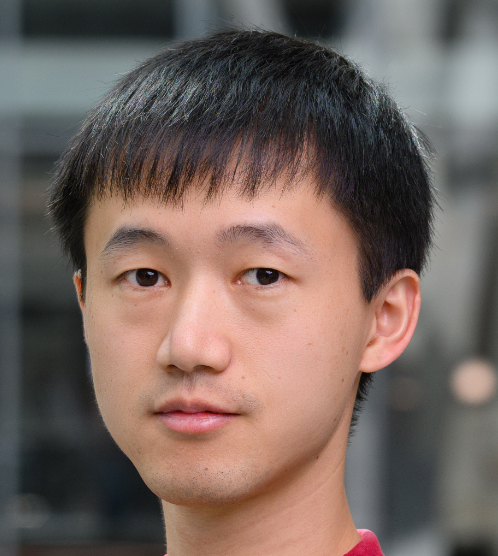 Zhixiang Chen合作论文数School of Computer Science, The University of Sheffield18
 Quanquan Gu (顾全全)合作论文数Department of Computer Science, Samueli School of Engineering, University of California, Los Angeles;Artificial General Intelligence Lab, University of California, Los Angeles;ByteDance Research18
 Zhiyu Pan (潘治宇)合作论文数School of Artificial Intelligence and Automation, Huazhong University of Science and Technology;Alibaba Cloud, Alibaba Group18
 Borui Zhang (张博睿)合作论文数Department of Automation, Tsinghua University17
 Yi Wei合作论文数Huawei15
 Ziyi Wang (王紫颐)合作论文数Department of Automation, Tsinghua University;State Key Lab of Intelligent Technologies and Systems, Tsinghua University;Beijing National Research Center for Information Science and Technology, Tsinghua University15
 Jifeng Dai (代季峰)合作论文数Department of Electronic Engineering, Tsinghua University15
 Lei Chen (陈磊)合作论文数Department of Automation, School of Information Science and Technology, Tsinghua University15
 Guangyi Chen (陈广义)合作论文数Mohamed Bin Zayed University of Artificial Intelligence;Carnegie Mellon University15
 Jinchao Zhang合作论文数Pattern Recognition Center, WeChat AI, Tencent Inc.14
 Wenxuan Guo (郭文轩)合作论文数Department of Automation, Tsinghua University13
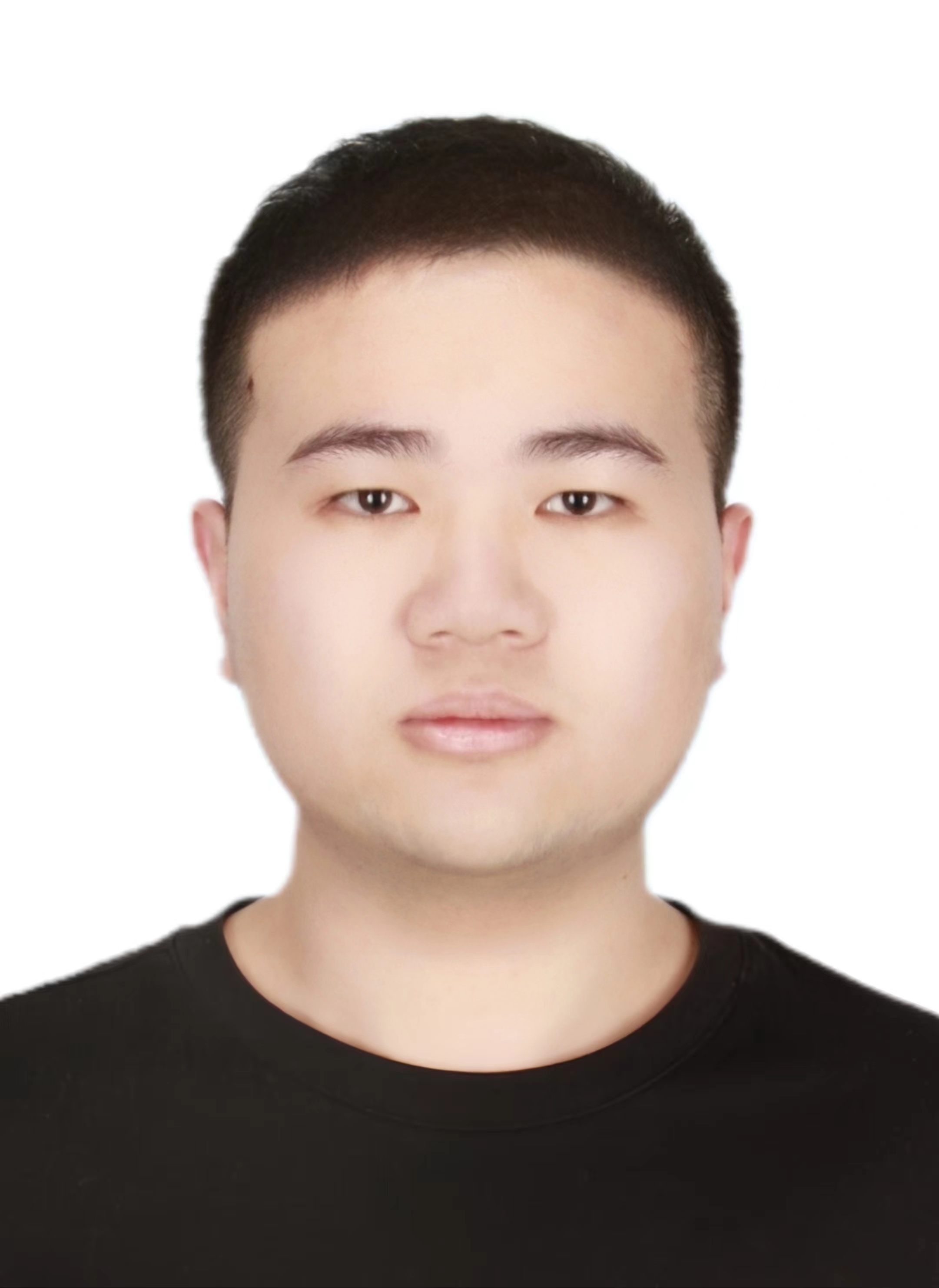 Yuanhui Huang合作论文数The Intelligent Vision Group, Department of Automation, Tsinghua University13Yongjie Duan合作论文数13
 Guan Huang合作论文数Algorithm Department, Xforward AI Technology Company12Dalong Du (都大龙)合作论文数12
 Chunyu Yang合作论文数12
 Sang-Bing Tsai合作论文数Zhongshan Inst, Univ Elect Sci & Technol China11
 Zhanjie Song (宋占杰)合作论文数School of Mathematics, Tianjin University11
 Yu Qiao (乔宇)合作论文数Multimedia Laboratory, Shenzhen Institutes of Advanced Technology, Chinese Academy of Sciences;Shanghai AI Laboratory;Shenzhen University of Advanced Technology11
 Jinwei Gu合作论文数11
 Linqing Zhao合作论文数10
 Liangliang Ren (任亮亮)合作论文数CVTE Research Institute10
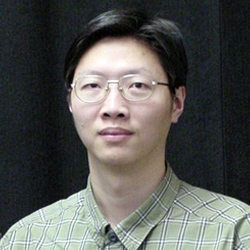 Ying Wu (吴郢)合作论文数Department of Electrical and Computer Engineering, McCormick School of Engineering, Northwestern University10
 Fandong Meng (孟凡东)合作论文数Pattern Recognition Center, WeChat AI, Tencent10
 Han Hu (胡瀚)合作论文数9Chengkun Wang合作论文数Department of Automation, Tsinghua University;Beijing National Research Center for Information Science and Technology9
 Zimeng Tan合作论文数9Xizhou Zhu合作论文数Shanghai AI Laboratory;Tsinghua University9Cheng Ma (马骋)合作论文数9
 Wenming Yang (杨文明)合作论文数Shenzhen International Graduate School, Tsinghua University9
 Xiu Li (李秀)合作论文数Tsinghua Shenzhen International Graduate School9
 David Zhang, Dapeng (张大鹏)合作论文数Department of Computing, Hong Kong Polytechnic University;School of Data Science, Chinese University of Hong Kong (Shenzhen)9
 Shuai Shen合作论文数8




