Online collaborative learning is increasingly recognized for fostering students' second language (L2) writing proficiency and performance. Researchers have identified the critical role of socially shared regulation of learning (SSRL) in sustaining effective online collaboration. However, the cyclical and dynamic nature of SSRL presents substantial methodological challenges for constructing reliable analytical frameworks, and the behavioural patterns connecting SSRL to group outcomes remain underexplored. The purpose of this qualitative case study was to address these gaps by examining SSRL processes and their relationship with L2 writing outcomes in a Chinese university context. The participating college students (N = 13) were organised into three groups, with each group collaborating on four activities. Our analysis of the 12 collaborative activities, which encompass 86,000 Chinese characters of dialogue and corresponding 12 writing outcomes, reveals that the SSRL coding scheme in online collaborative L2 learning unfolds in three phases: planning, regulation, and evaluation. The study revealed that students exhibit a more frequent and varied pattern of SSRL in high-scoring activities. These findings provide theoretical implications for collaborative learning models and practical guidance for designing technologyenhanced L2 writing instruction.
End-of-life social work often unfolds in spaces where clinical language reaches its limits. A social worker observing a 78-year-old patient with advanced heart failure noted multiple discussions had been conducted regarding prognosis, comfort-focused care, and transition planning. Despite clear explanations, the patient's daughter lingered at the bedside, rubbing lotion into her parent's hands, seemingly hesitant to leave. This act of care, quiet and deliberate, reflected the social worker's understanding that the cognitive grasp of death cannot settle its emotional weight. Social workers in such moments emphasize accompaniment over intervention, presence over problem-solving supporting dignity and psychosocial needs as proposed by Moon and McDermott (2021). Observing these moments revealed that families often communicate love and fear through gestures rather than words, providing insight into the complexity of emotional presence at the bedside.
The Motivation and Engagement Wheel (MEW) has been widely utilised to assess student engagement in cross-sectional studies. The present study extended the application of the MEW framework to a 3-wave longitudinal investigation, depicting a dynamic relationship among student motivation, engagement, and desirable learning outcomes. A sample of 1,477 Chinese undergraduates participated in three rounds of surveys with six-month intervals between each round. The findings supported the measurement invariance of the refined measurement tools across time, and largely confirmed the longitudinal relationships hypothesised between students' motivation, engagement, and desirable learning outcomes assessed by overall satisfaction and academic efficacy. This study underscores the necessity of employing a longitudinal design in student engagement research. The results deepen the understanding of the temporal characteristics of student engagement and its impact on subsequent learning outcomes, emphasising the mediating role of adaptive engagement in university learning processes. Some implications for enhancing college student engagement are discussed.
This mixed-methods study attempted to clarify the definition and measurement of attitude in teachers' acceptance of online teaching. A combined quantitative and qualitative data collection approach was employed, involving 2,432 Chinese university teachers in the survey. The results supported the appropriateness and necessity of adopting an evaluation-focused attitude rather than affect-focused attitude for explaining teachers' intention to conduct online teaching, suggesting teachers are "thinkers" rather than "feelers" when forming their attitudes towards online teaching. These findings highlight the role of cost-benefit appraisal in determining teachers' adoption and implementation of online teaching, thus potentially influencing teaching quality of higher education.
PurposeThis study aimed to identify different profiles of foreign language learners' motivation and engagement (ME) and examine their relationships with university-level learning environments (i.e. supportive facilities, academic freedom, and learning resources) and students' generic learning outcomes (i.e. academic efficacy and overall satisfaction with language learning).MethodologyWith a sample of 1,005 foreign language learners in Chinese universities, the study adopted a person-centred approach and conducted the latent profile analysis to identify distinct ME profiles. The robust three-step method (R3STEP) was used to test how university-level learning environments contributed to the categories of language learners' ME. The Block-Croon-Hagenaars approach (BCH) was conducted to reveal how different ME profiles were related to learners' generic learning outcomes.FindingsThe study identified three profiles of language learners' ME with distinctive characteristics, and unraveled their relationships with environmental antecedents and students' learning outcomes. Specifically, academic freedom and learning resources played a significant role in shaping these profiles. Interestingly, the seemingly "maladaptive" learners reported higher levels of academic efficacy and overall satisfaction.ValueThis study provided new insights into the positive role of maladaptive motivation, especially negative emotions, in enhancing engagement and learning outcomes among Chinese foreign language learner.
The potential of Generative Artificial Intelligence (AI) in language education has been widely recognized. However, there has been limited attention given to the emotional experiences of language teachers using AI and its relationship with AI-enabled productivity. By investigating 1,683 pre-service language teachers’ experiences of using generative AI in their teaching practicum or learning, this study explored how teachers’ emotional responses to AI use in teaching and learning are related to their AI-enabled productivity through the mediation of appraisal and coping. We uncovered several key findings: (1) achievement, challenge, and loss emotions were directly and/or indirectly related to AI-enabled productivity, while deterrence emotions were not; (2) achievement and challenge emotions were positively correlated with challenge appraisal and negatively correlated with hindrance appraisal, whereas loss and deterrence emotions showed the opposite pattern of correlation; (3) challenge emotions were positively related to approach-oriented coping, while loss and deterrence emotions were positively associated with avoidance-oriented coping; (4) among the coping strategies, only positive reinterpretation was positively associated with AI-enabled productivity; and (5) challenge appraisal and positive reinterpretation were significant mediators in the relationships between emotions and AI-enabled productivity, either separately or sequentially. These findings provide valuable insights for future research and practice, aiming to support the application of generative AI in the context of language education.
中小学教师评价素养是推进综合素质评价的基石,是破除"唯分数"评价和实现综合素质评价育人的重要驱动.现实中,中小学教师评价素养普遍存在评价意识薄弱、评价知识匮乏、评价能力不足和评价伦理缺位的问题,这直接影响教师对综合素质评价的理解认识和实施效果.为此,亟须通过加强正向教育引导教师转变教育评价观念,强化教师职前职后教育评价的学习与训练,深化教师教育评价实践的经验反思与交流,营造良好的评价制度环境来提升中小学教师的评价素养,以此驱动综合素质评价育人核心要义的达成.
In the process of innovation and reform of educational evaluation, the value of value-added evaluation is increasingly prominent. Based on relevant literature review and analysis, it is found that although research on Chinese value-added evaluation has made some achievements at the theoretical, content, and methodological level, the overall research field is still in the exploratory stage, with several problems to be addressed, such as a lack of in-depth theoretical research, generalizing of content research, and having technical bottlenecks in methodological research. In order to improve the level of theoretical research and the ability of practical exploration in the field of value-added evaluation, efforts should be made to deepen the research of value-added evaluation from the following four aspects: a)Deepening the theoretical research of value-added evaluation; b)Strengthening the construction of value-added evaluation index system; c)Using intelligent technology to enable value-added evaluation; d)Attaching equal importance to speculative research and empirical research.
The construction of the new liberal arts provides new ideas for the construction of the first-class undergraduate major of pedagogy, and also brings new opportunities for the first-class undergraduate pedagogy major. The construction of firstclass undergraduate major of pedagogy needs to fully understand the implications of the changes brought by the new liberal arts in terms of appeals, strategies and directions. From the axiological dimension, the new liberal arts can enhance the momentum of highquality development of the first-class undergraduate major of pedagogy through strengthening the foundation of talent cultivation,academic research and social service. From the perspective of methodology, the new liberal arts can promote the paradigm transformation of the construction of first-class undergraduate major of pedagogy through the transformation of the three dimensions of thought, structure and implements. In the construction of the first-class undergraduate major of pedagogy under the background of new liberal arts, scientific positioning is the premise, curriculum reconstruction is the core and flexible management is the guarantee. At the practical level, the construction of first-class undergraduate majors of pedagogy should be guided by the goal of molding high morals and cultivating talents, explore the training mode of compound talents, build a crisscross curriculum system,integrate high-quality teaching resources inside and outside the school, in order to promote the concept innovation, curriculum quality improvement, model innovation and resource optimization of the construction of the first-class undergraduate major of pedagogy, and so as to realize the high-quality development of the first-class undergraduate major of pedagogy.
学生评价是教育评价的核心要件,事关新时代教育评价改革全局.当下的学生评价过于重视对外在利益的获得,呈现为一种功利化的实践样态,并表征出学生评价范式的管理和量化、评价生态的功利和无序、评价语言的实体和封闭、评价文化的异化和迷失等问题.基于学生评价的育人本质,反思学生评价实践的功利化,学生评价应当注重唤醒学生追求内在利益的动力,涵养学生的德性品质与德性智慧,从而成为一种德性实践的现实存在.通过对儒家实践哲学、麦金泰尔实践哲学和马克思实践哲学中有关德性实践思想的探讨和反思,学生评价作为德性实践这一命题得到理论确证,其内在意蕴也得到进一步廓清.实现作为德性实践的学生评价,需要在具体的评价实践中发挥和彰显学生评价主体的德性品格,动态反思和建构作为德性实践的学生评价标准,适切分析和选择作为德性实践的学生评价方法,审慎解释和使用作为德性实践的学生评价结果,交互生成和转化作为德性实践的学生评价话语.
Abstract Adopting a mixed methods approach, this study examined the relationships between undergraduate students’ motivation, engagement and learning outcomes during the COVID-19 pandemic. An online questionnaire survey was administered to collect quantitative and qualitative data. A sample of 10,060 undergraduates from 23 universities in China participated in the survey. The results of quantitative analyses largely confirmed the hypothesised relationships between students’ motivation, engagement and the two learning outcome indicators (i.e. mastery of generic skills and overall satisfaction). The qualitative analyses not only supported the quantitative findings, but also identified four types of learning outcomes of online learning emerging from the data. The results indicated that emergent online learning had a favourable influence on students’ learning strategies, but had mixed or negative effects on their learning effectiveness, attitudes and emotions. The qualitative results revealed eight major factors that facilitated or hindered students’ engagement in online learning during the pandemic. These findings contribute to the conceptualisation and measurement of student engagement in online learning, and emphasise the need to conduct mixed methods research in different learning contexts. The implications for improving online learning and teaching in higher education are discussed.
随着综合素质评价改革的深入推进,国内相关理论研究和实践探索都取得较大进展,同时,有关综合素质评价若干问题的认识也不断出现新疑问、新困扰,有待作进一步再认识和再思考.具体包括:综合素质评价的性质定位应合理区分为育人之道与选才之术,评价价值特质应适度把握准则重建与标准固化,评价对象指向应正确识别个体评价与群体评价,评价主体重心应科学辨识自我评价与他人评价,评价使用效度应理性看待坚守有效与追求公平,评价技术保障应审慎处理智慧实现与数据祛魅.对这些问题进行深度澄清,将对综合素质评价的理论研究和实践探索大有裨益.
建构符合我国实际、体现我国特色的现代教育评价理论体系,是推动我国教育评价改革的时代需要,是新时代呼唤高质量教育评价的必然要求,以及我国丰硕的教育评价实践经验理论化和教育评价理论更新的应然需求.建构我国现代教育评价理论体系是一项复杂的系统工程,需要在立德树人这一根本遵循的指导之下,依循一定的基本原则,运用一定的思维逻辑.立足我国教育评价的改革和发展实际,可分别从本体论、认识论、价值论、内容论、方法论和关系论六个方面尝试建构.
任何一种教育评价理论或理念的实现,以及教育评价改革方案或制度设计的落地,关键在于作为实践主体的人如何对教育评价的实践进行定位以及定位为什么.为了改变人们普遍将教育评价实践定位为功利化实践和技术化实践的现状,帮助实践主体正确定位教育评价实践,实践哲学或可提供一种较为契合的定位思路和方向.基于实践哲学的视角,实践主体可以将教育评价实践定位为教育实践、政治实践和伦理实践.教育评价作为教育实践的实现,需要实践主体回归育人的教育本质、推动实践主体间的合作参与、坚持教育学的立场和理解教育的实践逻辑;教育评价作为政治实践的实现,需要实践主体坚定正确的政治立场和政治方向、运用实验方法的决策逻辑和厘清不同实践主体的评价权责;教育评价作为伦理实践的实现,需要实践主体遵循一定的伦理原则、具备一定的伦理品性和发挥一定的实践智慧.
This study investigated the effects of school-related factors (i.e., transformational leadership) and teacher-related factors (i.e., teachers’ growth mindset and self-efficacy) in teachers’ sustainable professional development, as indicated by their reported desirable professional attitudes and their adoption of teaching strategies using the method of structural equation modelling. Based on a questionnaire survey of 1297 teachers in China, the results of this study showed that, compared with teachers’ growth mindset, transformational leadership had a stronger effect on teacher self-efficacy; transformational leadership, rather than teachers’ growth mindset, was significantly and directly related to teachers’ professional attitudes towards classroom teaching and their adoption of desirable teaching strategies. Moreover, teacher self-efficacy significantly mediated the effects of transformational leadership and growth mindset on teachers’ professional attitudes and the adoption of desirable teaching strategies. These findings highlight the importance of teachers’ affective attributes (e.g., growth mindset, self-efficacy, and professional attitudes) in teacher professional development, and provide implications for school leaders and teachers to sustain effective teacher professional development.
党的十九届五中全会明确提出"建设高质量教育体系",这是"十四五"至2035年教育改革发展的战略规划和目标追求.如何推进高质量教育体系的建设,既需要理论层面对"何为高质量"进行深度剖析和阐释,也需要实践层面对"何以高质量"展开扎实探索.尽管我们对什么是高质量教育体系还难以准确刻画,但应该有这样的共...>>详细党的十九届五中全会明确提出"建设高质量教育体系",这是"十四五"至2035年教育改革发展的战略规划和目标追求.如何推进高质量教育体系的建设,既需要理论层面对"何为高质量"进行深度剖析和阐释,也需要实践层面对"何以高质量"展开扎实探索.尽管我们对什么是高质量教育体系还难以准确刻画,但应该有这样的共识,即质量教育体系建设是一项系统工程,至少应该在纵向上考量如何推进各个阶段的教育高质量发展,在横向上探索如何激活各种教育要素高质量发展.基础教育在整个国民教育体系中具有基础性和先导性地位,如何推进基础教育高质量发展显得格外重要.那么,高质量基础教育体系建设的价值诉求是什么?基础教育高质量发展对教师有何要求?课程与教学可以为基础教育高质量发展做什么?基础教育高质量发展诉求下如何改进学生评价?等等,这些问题既是高质量基础教育体系建设和发展必须要回应的,也是推进基础教育高质量发展的动力所在.为此,我们邀约相关专家学者,聚焦"高质量基础教育体系建设与发展"展开专题研讨,具体围绕高质量基础教育体系建设诉求、高质量教师素养、高质量课程样态、高质量教学观念、高质量学生评价等展开,特此刊发以飨读者.我们期待这个专题可以引发更多专家学者对高质量教育体系建设的思考,惟其如此,高质量教育体系建设才可能不断发展、持续深化.
教育评价改革事关教育发展方向,是教育改革的关键环节,建设高质量教育体系必然需要高质量的教育评价作为支撑.学生评价是教育评价的基础环节和核心要件,事关教育评价系统改革的全局.建设高质量学生评价,是全面落实国家教育评价改革总体方案,建设中国特色、世界水平的教育评价体系的重要抓手和关键举措.
我接触课程与教学论四十年,前二十年在从事课程与教学论的学习,后二十年在从事课程与教学论的研究,这是和我们国家课程与教学研究发展的四十年相契合的.这四十年是我国课程与教学论发展最为迅猛的四十年.了解四十年课程与教学论的进展及其背后的东西,对于建设新时代的课程教学理论和推进课程教学实践变革都具有非常重要的意义.
课程评价制度创新是指以新的思想和理念为指导,通过调整和变革已有的课程评价规则,制定出新的课程评价规范,平衡利益相关者的关系,为更大化地实现人和课程发展的价值目的而进行的创造性活动.它旨在通过创新课程评价制度,保障和提高课程评价的实践效能,实现课程评价向实践育人的回归.在现实中,预成论的思维方式、传统制度的路径锁定、考试和管理的文化依附等分别形成了课程评价制度创新的思维阻力、制度阻力和文化阻力.我们要实现化解阻力,推动课程评价的制度创新,就需要由预成论思维转向生成论思维,采用自然演化和理性建构并存的渐进式改革模式,并营造适宜制度创新的文化氛围与文化生态.
当前,我国教育改革正围绕教育发展的重大问题和群众关心的热点问题向纵深推进,其中教育评价改革是重要一环. “五唯”是当前教育评价问题的集中体现,反映了不科学的教育评价导向和不合理的教育发展观、人才成长观、选人用人观,阻碍着教育事业的健康发展,制约着立德树人根本任务的实现. 去年10月,中共中央、国务院印发了《深化新时代教育评价改革总体方案》(以下简称《总体方案》),强调扭转不科学的教育评价导向,坚决克服唯分数、唯升学、唯文凭、唯论文、唯帽子的“五唯”顽瘴痼疾,到2035年基本形成富有时代特征、彰显中国特色、体现世界水平的教育评价体系.
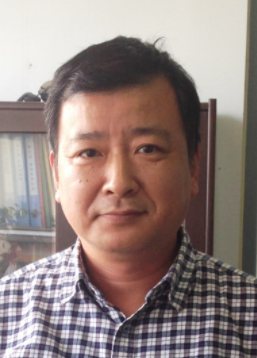 Bin Xu (徐彬)合作论文数School of Computer and Information Engineering, Henan University10
 Hong-Biao Yin (尹弘飚)合作论文数Department of Curriculum and Instruction, The Chinese University of Hong Kong6
 Hongxia Zhang (张红霞)合作论文数Faculty of Educaton, Henan University6
 HongWei Wang (王宏伟)合作论文数4
 Lei Xiao (肖磊)合作论文数Faculty of Education, Henan University4
 Hongxi Wang (王洪席)合作论文数Faculty of Education, Henan University4Yangyang Guo合作论文数3
 Zhencun Wang (王振存)合作论文数Faculty of Education, Henan University3YangJing Xiong (熊杨敬)合作论文数2YeWen Jin (金业文)合作论文数2HuiPing Yang (杨会萍)合作论文数2FAN Yunjing (范韵婧)合作论文数1Xuechun CHEN (陈雪纯)合作论文数1yonghua Feng (冯永华)合作论文数1meichen liu (刘美辰)合作论文数1Wei Lin合作论文数1Chan Wang合作论文数1ZHANG Rui (张瑞)合作论文数1LiMing He (贺立明)合作论文数1LiangHu Li (李良虎)合作论文数1ZhenSheng Zhao (赵振升)合作论文数1JiCun Xu (徐继存)合作论文数1Ta Long (龙塔)合作论文数1LiLi Xu (许丽丽)合作论文数1
 Ping Wang (王萍)合作论文数Faculty of Education, Henan University1
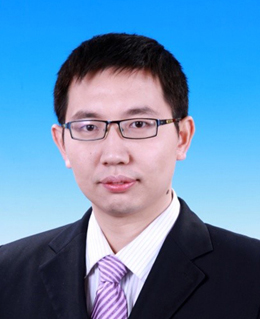 Song Yao (姚松)合作论文数Faculty of Education, Henan University1
 Gy Wang合作论文数1
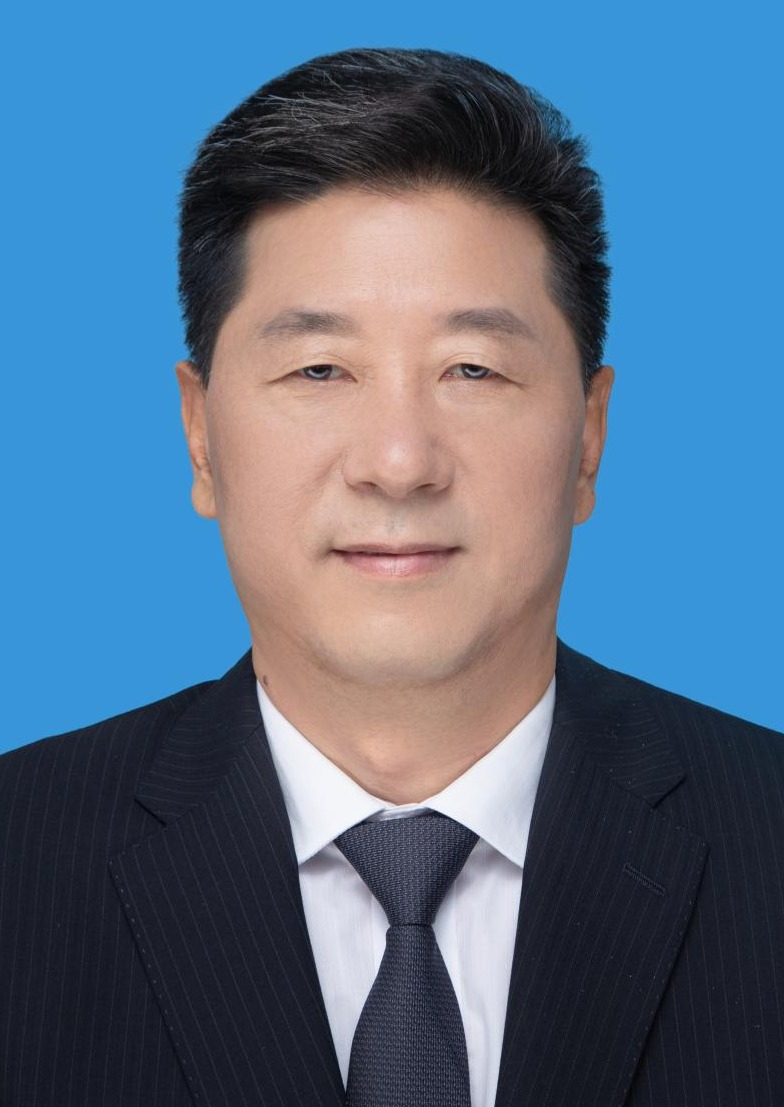 Yule Jin (靳玉乐)合作论文数Faculty of Education, Shenzhen University1
 Yonghua Feng (冯永华)合作论文数Faculty of Education, Henan University1
 Guirong Li (李桂荣)合作论文数Faculty of Education, Henan University1
 Yan Meng (孟艳)合作论文数Faculty of Education, Henan University1
 Zijian Li (李子建)合作论文数The Hong Kong Institute of Education,Hong Kong1
 Ou Shi (石鸥)合作论文数College of Education, Capital Normal University1
 Dequan Lin (林德全)合作论文数Faculty of Education, Henan University1
 Emmanuel Manalo合作论文数The Student Learning Centre, The University of Auckland1Yaoqian Pan (潘耀谦)合作论文数1




