医药政策法规类课程融合了法学类专业课程和医学类专业课程的双重属性,课程的思政目标也应结合2个专业领域的特征,主要强调精神境界、道德修养、科学观等方面.在应对突发公共卫生事件的过程中,政府的职能系统多而复杂,政策法规是重要的工具.突发公共卫生事件中蕴含着丰富的医药政策法规类课程可以挖掘的思政资源,基于医药政策法规类课程思政的总体目标,从家国情怀、担当精神、法治意识、职业道德、政策认同等角度挖掘突发公共卫生事件中的思政元素,即时性融入课堂教学,有助于引导学生在更好地理解和掌握专业知识的基础上全面成长成才.
At present, the registration process of Traditional Chinese Medicine (TCM) in Canada is refering to the requirements of Natural Health Products (NHPs). In terms of registration material, both NHPs and TCM include plants, animals and minerals with medicinal components, but the fundamental difference between them is that TCM is guided by the basic theory of TCM. As for the registration classification of TCM in Canada, first of all, judge whether the product to be applied for is NHPs; Secondly, we should clarify the types and ways of registration, mainly including simple application, traditional application and non-traditional application, and provide application forms, label texts, summary reports, evidence, animal tissue forms, finished product specifications and other materials according to different requirements. At present, the successful registration experience of TCM products in Canada mainly mainly includes applying for superior varieties, selecting appropriate application channels, communicating with local health management units and providing sufficient scientific evidence and good clinical application records. The regulations on the registration of NHPs in Canada have not fully considered the particularity of TCM and the registration of TCM products is still facing some difficulties. In the future, we can learn from the registration process and requirements of the Health Canada, promote the interconnection and mutual recognition of the Pharmacopoeia of the People's Republic of China and the NNHPD monographs in Canada, reduce the obstacles to the local application for registration of TCM, and promote the further improvement of the international standards of TCM.
目的 探索构建中成药防治重大慢性病的药物经济学评价体系.方法 分析中成药防治重大慢性病药物经济学评价存在的问题,以问题为导向,探索可用于系统评价中成药防治重大慢性病的药物经济学理论、工具和方法,构建相关药物经济学评价体系.结果 与结论中医药防治重大慢性病有优势,这种独特优势需要在药物经济学评价中得到挖掘、体现和证明.中成药的药物经济学评价近年来获得了一定发展,但是中成药防治重大慢性病优势的药物经济学评价仍存在理论和方法学方面的不足,简单套用化学药的经济学评价指标及技术很难真实、全面地体现中成药的价值.应该围绕中成药药物经济学特有属性,挖掘中成药"治未病"和发挥人体自身调节作用的经济学价值指标,统筹考虑中成药药物经济学在研究设计、研究角度、目标人群、干预措施和对照选择、研究时限、评价方法等方面的特殊性,并通过系统建模、真实世界研究以及建立体现中医药特点的中医生命质量评价量表,全面、综合地反映中成药防治重大慢性病的经济学价值,从而更好地体现中成药防治重大慢性病的优势.
This paper analyzes the laws, regulations and concre measures of Traditional Chinese Medicine (TCM) in Canada, so as to provide reference for TCM products to enter Canada, and for the establishment of TCM regulation system and the improvement of its detailed rules in China. The regulation of TCM in Canadian, on the one hand, supervision is to provide guidance for the protection of consumers' rights and interests, including the guidance of rational drug use and rational purchase for consumers; on the other hand, it is to supervise enterprises, including the safety, effectiveness and quality certification of TCM products, labeling and packaging requirements, as well as the site certification of product manufacturing, packaging, labeling and import. The Ministry of health of Canada takes evidence as the core of evaluation, and ensures the safe and effective use of TCM products in Canada through product and site licensing evaluation. In the supervision of TCM, relevant departments in China should further strengthen the protection of consumers' drug rights and interests, strengthen the construction of TCM registration evidence system, and pay attention to the risk management of drug production quality.
Traditional Chinese Medicine (TCM) products could be registered as natural health products (NHPs) in Canada. Its registration process could be mainly divided into simple-application, traditional-application and non-traditional application. By analyzingi the TCM registration evidence system and its safety, effectiveness and quality required by different registration categories in Canada, we found that "simple-application" procesure needs to submit evidence based on the parameters of a component in the monograph. As for "traditional application", TCM products need to be used at least 50 years with, traditional material or Pharmacopoeia can be used as evidence; As for non-traditional application, TCM products need to provide evidence according to the disease risk level, and most of them need to provide scientific experiment evidence. Therefore, from the experience of TCM registration evidence system in Canada, the registration of TCM products should pay attention to improve the its classification method, refining its evidence requirements and data types, promoting the formulation of monograph of TCM, realizing the scientific evaluation and rapid review of classic famous prescriptions, and promoting the inheritance and innovative development of TCM in China.
Europe occupies an important position in the world herbal medicine market. The registration of Traditional Chinese Medicine (TCM) in EU is of great significance to the internationalization of TCM. The European Medicines Agency (EMA) has designed a relatively complete management system and regulatory guidelines for the registration and supervision of herbal medicinal products. The promulgation of the DIRECTIVE 2004/24/EC (2004 / 24 / EC) indicates that TCM could enter the EU market through simplified registration. Based on the registration conditions, registration authority and document guideines of Traditional Herbal Medicinal Products (THMPs) in EU, this paper analyzes the application requirements of simple registration of traditional herbal products in EU, and provides suggestions for the simplified registration of TCM in EU according to the registration requirements of medicinal history, quality requirements and application data format.
目的:探究2015年药品价格机制改革后药品价格政策改革的方向以及未来的改革趋势.方法:通过文本量化分析方法对我国现行有效的药品价格政策文本进行定量分析.结果:通过政策工具分析可以看出我国药品价格机制改革后的政策措施以需求型政策工具为主导,主要集中在药品的使用环节.结论:药品价格机制改革后,政府陆续出台了一系列政策,表明尽管取消了大部分药品的政府定价,相关部门对药品价格的监管力度并未减轻.未来可以在保证政策连贯性的基础上,增加供给型政策工具,推动定价机制与国际接轨.
目的:分析2006年《国家食品药品监督管理局关于进一步规范药品名称管理的通知》出台前后我国国产和进口药品注册中商品名称使用的监管情况.方法:对国家药品监督管理局网站中国产药品商品名及进口药品商品名数据库进行检索,在对数据资料整理筛选的基础上进行统计分析.结果:药品商品名的批准数量有所减少,其中化学药品占主要地位,生物制品数量总体增长;剂型上注射剂占比最大;规格上基本实现了同一生产企业同一药品使用同商品名的要求.结论:药品商品名的规范有利于解决"一药多名"产生的药价虚高以及用药安全问题,提高药品的注册审批效率,鼓励药品研发创新和知识产权保护,但商品名的审批尚存在部分问题,需进一步完善商品名的注册审批体系.
在新型冠状病毒的肺炎疫情(简称"新冠疫情")侵袭全球的时代背景下,我国中医药在疫情防治过程中展现了良好的临床疗效,为防疫取得阶段性胜利作出了独特贡献.本文通过PEST模型分析法,从新冠疫情背景下的政治法律环境、经济环境、社会文化环境以及技术环境四个方面,对特殊时期中医药行业发展的宏观环境进行分析.我国中医药行业需要紧抓新冠疫情的历史条件,加快中医药产品国际注册上市,将中医药防疫的成功经验向国际推广,推动中医药产学研发展模式,实现中医药现代化突破,促进中医药行业的国际化发展进程.
目的:研究现有粤港澳大湾区中医药产业政策的现状,为后续该产业发展规划和布局的完善提出建议.方法:采用内容分析法,从政策工具角度对截至2020年4月我国中央政府和地方政府层面颁布的涉及粤港澳大湾区中医药产业政策文本进行编码计量分析,总结中医药产业当前发展的重点和存在的问题,并提出合理建议.结果与结论:共检索到34份相关政策文件,其中中央政府层面9份、地方政府层面25份.在基本政策工具维度方面,粤港澳大湾区中医药产业供给型、需求型和环境型政策工具分别占58.10%、22.86%、19.05%.供给型政策工具中硬件建设占40.98%、内部联通占26.23%、质量建设占22.95%、国际交流占9.84%,政策工具无具体实施细则和方案影响了其可操作性;需求型政策工具中包含健康服务(75.00%)、国际贸易(16.67%)、服务外包(4.17%)和政府补贴(4.17%)四项内容,后三项内容使用较少,限制了产业市场的开放程度;环境型政策工具中包含目标规划(40.00%)、准入规则(25.00%)、知识产权(30.00%)和融资支持(5.00%)四项内容,但需完善法律法规支撑和相关措施支持.在中医药产业价值链维度方面,34份政策文本提供了包括平台建设(36.19%)、科技创新(19.05%)、市场拓展(23.81%)和交流合作(20.95%)四项内容,其中科技创新和交流合作的欠缺限制了中医药标准化、现代化和国际化.笔者建议优化供给型政策工具,提升政策的可操作性;重视需求型和环境型政策工具,突出规范化和市场化的功能;注重基本政策工具与产业价值链间的整合,实现粤港澳大湾区中医药产业标准化、现代化和国际化发展.
目的:概述京津冀一体化发展的宏观战略背景下,医药产业集群的整合和协同化发展的趋势,以及国家高新区是政府规划的产业园区的典型代表.方法:梳理了京津冀三地国家高新区中医药产业集群的情况,确定竞争优势评价对象.从产业价值链的视角,分别采用GEMM模型和相对比较优势指数、从绝对优势和比较优势两个方面对京津冀典型国家高新区的竞争优势进行综合分析.结果 与结论:京津冀三地以高新区为代表的政府主导型医药产业集群发展水平较高、竞争优势较强.北京的竞争优势远大于天津、河北,并且在全国具有数一数二的绝对竞争优势;北京和天津高新区医药产业集群在研发环节具有较大优势,且北京大于天津,河北则在生产、流通环节具有比较优势.政府和园区建设管理单位要立足比较优势,加强规划和引导,医药产业集群的建设发展要依据各自不同的差别化定位.
目的:通过对中药药物经济学研究文献进行质量评价,了解国内中药药物经济学评价存在的问题和优势.方法:检索2014-2018年的中药药物经济学评价文献,采用目前大家比较认可、综合《中国药物经济学评价指南》、Drummond MF和Chiou CF等的药物经济学文献评价标准的12项评价指标进行质量评价.结果:国内中药药物经济学研究存在着研究视角不明确、经费支持少、研究年限短、成本计算局限、结局可比性差等问题,同时也有研究结合实际、研究设计标准、注重敏感性分析、结局指标恰当等优势.结论:为了促进中药药物经济学评价的规范化发展,政府应制定法律明确需使用药物经济学评价,同时加大人才培养和基金支持力度,有条件还应建立全面的数据分析体系.
本文通过梳理火炬中心发布的相关政策及《中国火炬统计年鉴》(2015~2017年)的相关数据,着重分析了试点医药创新型产业集群发展现状.发现政府正逐渐加大实施"创新型产业集群"工程的力度,大多数试点医药产业集群定位比较明确,定位生物医药领域较多.集群总体上规模扩大,聚集效应显现.高新技术产业比重和大专及以上人才比重持续提高,创新资源集聚能力增强.专利授权率总体提升,创新产出质量提高.为今后医药创新型产业集群工程的建设提供了理论指导,促进完善产业集群培育体系.
Objective: To provide references for improving the laws and regulations on qualification management of pharmaceutical personnel in China. Methods: The current laws and regulations on the qualification requirements of pharmaceutical personnel in the production, operation and use of drugs were classified, summarized and analyzed. Results: At present, the problems of the qualification requirements of pharmaceutical personnel in China exist in the following aspects: unclear definition of some concepts, lack of uniform standards, low qualification requirements for pharmaceutical personnel, and the generalization of some requirements. In addition, there is only a small proportion of mandatory requirements for licensed pharmacists in the existing laws and regulations. So the related legislation needs to be improved. Conclusion: It is suggested that the concepts should be clearly defined, the threshold for admission of pharmaceutical personnel should be raised, the proportion of requirements for licensed pharmacists in pharmaceutical personnel should be increased so as to improve laws and regulations.
以北京中医药大学的学生为样本,从认知评价、过程评价以及结果评价3个环节了解学生评教的情况.91%的学生认为学生评教是必要的;学生对评教的目的很清楚,主要为改进教学、提高教学质量以及反应教师的教学情况;只有29%的学生阅读评分标准后根据教师授课情况认真打分;剩余71%打分靠主观感受;有24%的学生认为学生评教时间安排不太合理;93%的学生满意于对学生评教网络打分的方式.建议:学生应参与"学生评教"指标体系的建设;"学生评教"的时间应不影响学生的时间安排;辩证看待"学生评教"的结果.
药事管理学科起源于20世纪初的美国,是药学的分支学科,是应用管理学、经济学和法学研究各种药学实践规律的学科,具有跨学科、综合性、交叉性、实践性和应用性的特点[1].药事管理学科主要是以药学为基础,运用管理学、法学、经济学等学科的相关理论与方法 ,为国家监督和管理药学实践问题提供理论依据和科学方法 ,体现了对药品研制、生产、经营、使用、检验、监督等诸多环节的管理实践.
《药事管理学》是一门实践性非常强的应用型学科,本文从《药事管理学》实践教学的重要性出发,探讨了《药事管理学》常用的实践教学方法,并提出了对实践教学的思考.
目的 介绍国外典型国家干预药品短缺的经验,为进一步建立和完善我国的药品短缺干预机制提供借鉴.方法 采用文献研究和系统归纳法,系统总结国外典型国家引发药品短缺的共性因素,重点归纳这些国家处理药品短缺的经验.结果 为了有效应对药品短缺,国外典型国家已经建立了一套以早期预警为核心、规范化的药品短缺干预体系,主要包括干预药品短缺的法律支撑体系、组织保障体系及药品短缺平台建设三部分.结论 借鉴国外典型国家处理药品短缺的经验,我国应从建立并完善干预药品短缺的法律法规体系;加强部门沟通,理顺监管体系;建立药品短缺信息平台等方面入手,最终建立起以早期预警为核心的药品短缺干预体系.
《药事管理学》是药学的分支学科,但该门课程具有社会科学的性质,高度强调实践性,其教学手段也应适当的体现实践性.体验式教学将学生纳入教学体系中,通过亲自动手和亲身体验的求知过程,使学生获得知识和掌握技能,是实践教学的重要方法之一.因此,基于《药事管理学》的课程特点和学生的客观需求开展具有重要的现实意义.本文认为在具体实施中应形成以学生为中心的教学定位,以探究式教学为思路,以团队为基础的教学手段等多种方法和理念相融合的综合性教学体系.在药品生产企业管理、药品经营企业管理、医疗机构药事管理等实践性较强的教学模块中首先尝试引入系统的体验式教学模式.
This study aims to analyze the status of the discipline of pharmacy administration and related majors in colleges of traditional Chi ̄nese medicine. 23 Colleges of traditional Chinese Medicine have established pharmacy administration discipline. There are 20 and 16 colleges which have established the major of public administration or marketing, respectively. 13 colleges have the majors in the school of management. Thus,the educational system has been greatly improved. It is necessary to promote the diversification of the discipline of pharmacy administration positioning,design the related majors according to industrial policy and the development of industrial economy, add professional directions and teaching contents that can reflect the characteristics of traditional Chinese medicine.
 Jing Zhao (赵静)合作论文数School of Management, Beijing University of Chinese Medicine24
 Minmei He (何敏媚)合作论文数School of Management, Beijing University of Chinese Medicine9
 Wentao Zhu (朱文涛)合作论文数School of Management, Beijing University of Chinese Medicine9
 Jie Lin (林洁)合作论文数7Guang Ceng (曾光)合作论文数5
 Junhui Kong (孔军辉)合作论文数School of Management, Beijing University of Chinese Medicine5Shuo WANG (王硕)合作论文数4Huimin HU (胡慧敏)合作论文数4Jing-an BAI (白菁安)合作论文数4ZiXu Wang (王子旭)合作论文数4Yong Tan (谭勇)合作论文数4
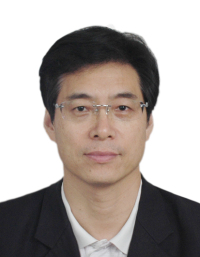 Longhui Yang (杨龙会)合作论文数China Academy of Chinese Medical Sciences4
 Jing He (何静)合作论文数School of Management, Beijing University of Chinese Medicine4huimin hu (胡慧敏)合作论文数3Wei Tan (谈维)合作论文数3NiLi Zhang (张妮莉)合作论文数3
 Ying Wang (王英)合作论文数3
 Xuezhi Hong (洪学智)合作论文数School of Management, Beijing University of Chinese Medicine3
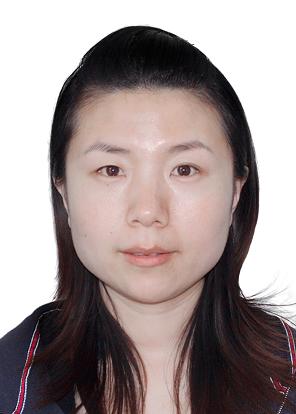 Yuwei Wang (王玉伟)合作论文数School of Management, Beijing University of Chinese Medicine3Chun-cheng SHANG (尚春成)合作论文数2Yunmeng HU (胡云梦)合作论文数2Wen Bo (温博)合作论文数2Yuanchun MA (马元春)合作论文数2XinShe Liu (刘新社)合作论文数2Zhe Yu (于哲)合作论文数2Jing Li (李静)合作论文数2DONG Hong-bo (董虹孛)合作论文数1XU Gan (徐敢)合作论文数1youli ji (季有莉)合作论文数1Xingjie Guo (郭兴杰)合作论文数1Yan-ting ZHAO (赵雁婷)合作论文数1Wang Ying合作论文数1Wenwen Wang (王文文)合作论文数1SuYun Ning (宁素云)合作论文数1YiHao Wang (王一浩)合作论文数1Yi You (游毅)合作论文数1SongLin Wang (王松林)合作论文数1Jian Wang (王俭)合作论文数1Yu Sun (孙昱)合作论文数1Wei Zhuang (庄伟)合作论文数1Yu Zhang (张昱)合作论文数1Ying Lu (卢颖)合作论文数1Na Li (李娜)合作论文数1
 Ning Dai (戴宁)合作论文数Shanghai Institute of Technical Physics, Chinese Academy of Sciences;School of Physical Science and Technology, ShanghaiTech University1
 Yong Zhang (张勇)合作论文数Dongzhimen Hospital, Beijing University of Chinese Medicine1
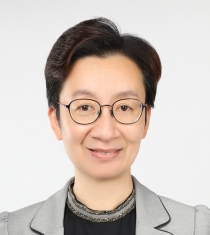 Linda Zhong合作论文数School of Biological Sciences, Nanyang Technological University1Yang Linwei (杨琳蔚)合作论文数1
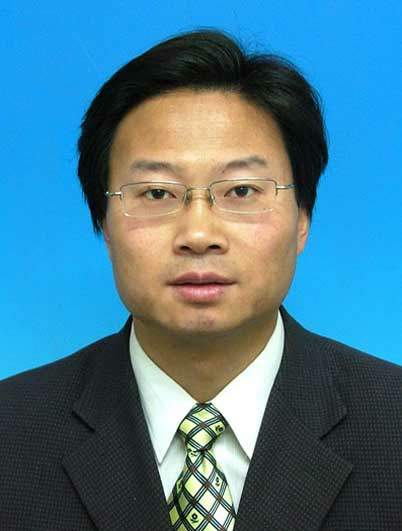 Zhanquan Wen (文占权)合作论文数School of Management, Beijing University of Chinese Medicine1




