Autologous blood injection produces a discrete striatal clot in mice, but the hematoma is usually confirmed only after brain removal and sectioning, making craniotomy planning difficult for evacuation studies. To address this limitation, we mixed freshly collected autologous blood with ioversol and tested whether the resulting hematoma could be localized by micro-CT before surgery. Conventional CT and non-contrast micro-CT did not reliably identify the lesion, whereas ioversol-enhanced micro-CT clearly visualized the hematoma, with the strongest signal at an ioversol-to-blood ratio of 1:10. Lower ioversol ratios weakened the contrast signal, while neurological scores, balance beam performance, and section-based hematoma volumes were broadly comparable among the tested groups. No detectable increase in gross Evans blue extravasation or TUNEL-positive staining was observed at 24 h under dose-matched ioversol-only conditions. The 1:10 mixture was then used to guide a separate targeted bone flap for hematoma evacuation 24 h after ICH induction. Postoperative micro-CT and coronal sections documented reduction of the contrast-positive hematoma, although the faint residual signal overlapped with the surgical cavity and background density, precluding reliable residual-volume segmentation or calculation of evacuation efficiency. Thus, postoperative micro-CT was used as qualitative documentation of clot reduction. During 21 days of follow-up, exploratory analyses showed lower behavioral scores in operated mice, while perihematomal TNF-α, IFN-γ, and IL-6 levels were lower on day 7 than in non-operated ICH mice. These findings support a micro-CT-guided mouse ICH workflow for preoperative localization and surgical-window planning, while behavioral and cytokine outcomes should be interpreted as feasibility data rather than definitive evidence of surgical efficacy.
Glioblastoma (GBM) exhibits remarkable intra-tumoral heterogeneity, which contributes to therapeutic resistance and poor clinical outcomes. In this study, we employed integrative single-cell RNA sequencing analysis across two complementary public datasets encompassing diverse cellular populations from GBM centre and periphery regions to elucidate potential spatial molecular programmes driving tumour progression. Our analyses revealed substantial transcriptomic divergence between anatomically distinct tumour regions, with NUCB2 emerging as significantly upregulated in centre-residing neural progenitor cell-like (NPC-like) tumour cells. Functional characterisation demonstrated NUCB2's critical role in regulating GBM stem cell proliferation, with knockdown experiments resulting in significant reduction in tumour cell growth. Intriguingly, NUCB2 expression strongly associated with immunosuppressive molecular signatures and paradoxical immune cell infiltration patterns. Specifically, CD8+ T cells from GBM centre regions exhibited distinctive transcriptional programmes enriched for interferon response, complement activation, and inflammatory pathways, suggesting a state of functional impairment despite enhanced infiltration. Survival analyses confirmed that elevated NUCB2 expression significantly associated with poorer patient survival. Collectively, our findings establish NUCB2 as a multifaceted regulator that coordinates both intrinsic proliferative capacity and extrinsic immunomodulatory functions within the GBM microenvironment. This previously uncharacterised NUCB2-driven axis represents a promising therapeutic target, potentially enabling simultaneous targeting of tumour cell proliferation and immune evasion mechanisms in this aggressive malignancy.
Primary pulmonary angiosarcoma (PPA) is a rare malignant vascular tumor, of which early diagnosis is challenging due to lack of specific clinical manifestations and a low level of suspicion. Here, we report a case of PPA presented with advanced brain metastasis. A 21-year-old patient with 1 week history of headache and mild cough was hospitalized for a head injury. Head MRI showed multiple intracranial lesions with brain edema. Chest CT displayed bilateral pulmonary infiltrates with mediastinal lymph node enlargement. After 2 months of anti-tuberculosis treatment, the patient was readmitted for persistent headache and cough with occasional hemosputum along with worsening pulmonary and intracranial lesions. Despite seizure prophylaxis and control of intracranial pressure and brain edema, his symptoms progressively aggravated, accompanied by cough with bloody sputum, frequent epileptic seizures, and hypotension. He eventually developed coma and died within 3 months of onset of symptoms. An autopsy confirmed PPA with brain metastasis.
Glioblastoma (GBM) is characterized as having high molecular heterogeneity and complexity, which can be well revealed by genomic study. A truly effective treatment for GBM should flexibly address its heterogeneities, complexity, and strong drug resistance. This study was performed to explore the effectiveness of an mRNA-based therapeutic strategy using in vitro synthesized PTEN-mRNA and TRAIL-mRNA in tumor cells derived from PTEN-deletion patients. The PTEN gene alterations were revealed by whole-exome sequencing of three paired clinical GBMs and selected as the therapy target. Patient-derived primary glioblastoma stem cells (GBM2) and a DBTRG-cell-derived xenograft were used to detect mRNA's cytotoxicity in vitro and tumor suppression in vivo. Following the successful in vitro synthesis of PTEN-mRNA and TRAIL-mRNA, the combinational treatment of PTEN-mRNA and TRAIL-mRNA significantly suppressed tumor growth compared with treatment with PBS (96.4%), PTEN-mRNA (89.7%), and TRAIL-mRNA (84.5%). The combinational application of PTEN-mRNA and TRAIL-mRNA showed synergistic inhibition of tumor growth, and the JNK pathway might be the major mechanism involved. This study provided a basis for an mRNA-based therapeutic strategy to be developed into an effective patient-tailored treatment for GBM.
颈静脉孔区肿瘤指发生在颈静脉孔及其周围的肿瘤,其邻近解剖关系复杂,是神经外科最难治的疾病之一[1] ,且手术难度大,术后并发症多,易出现后组颅神经症状,吞咽困难、饮水呛咳,引起误吸,致肺部感染、肺不张,甚至需行气管切开[2].现报道1例颈静脉孔区肿瘤术后气管切开合并肺不张病例.
目的 探讨趋化素样因子超家族(CMTM)1、CMTM6表达水平与胶质瘤病人预后的关系.方法 收集2016年1月~2019年6月手术切除的胶质瘤组织96例和颅脑损伤内减压术中切除的非肿瘤脑组织40例(对照组),采用免疫组织化学染色检测CMTM1、CMTM6的表达水平.随访24个月,记录胶质瘤病人生存情况.结果 胶质瘤组CMTM1和CMTM6高表达率[分别为64.58%(62/96)、67.71%(65/96)]明显高于对照组[分别为25%(10/40)、20.00%(8/40);P<0.01].胶质瘤组织CMTM1 与 CMTM6表达水平呈正相关(r=0.837,P<O.001).本文96例随访2年,死亡37例,生存59例.多因素Cox比例回归风险模型分析显示,CMTM1过表达、CMTM6高表达是胶质瘤预后不良的独立危险因素(P<0.05).生存曲线分析显示,CMTM1、CMTM6高表达组2年累积生存率(分别为50.15%、52.05%)明显低于表达组(分别为79.85%、84.95%;P<0.05).结论 胶质瘤组织CMTM 1、CMTM 6呈高表达,与病人的不良生存预后有关.
Objective To share the perioperative management experience of patients under microsurgical treatment of ruptured intracranial aneurysms in cerebrovascular disease center during the coronavirus disease 2019 (COVID-19) epidemic Methods A total of 22 patients with ruptured aneurysms admitted in the Department of Neurosurgery, Shiyan Taihe Hospital from January 19 th, 2020 to February 28th, 2020, were recruited retrospectively The management experience, including pre-hospital referral, admission examination, preoperative evaluation, surgical strategy, and postoperative management was summarized All patients were managed according to strict procedures The therapeutic effect of patients and the protective effect of medical staff were analyzed Results Among the 22 patients with ruptured aneurysms, there was no patient confirmed COVID-19 but 2 patients suspected COVID-19 At the time of discharge, modified Rankin scale score was 0 to 1 in 17 cases, 2 points in 4 cases, and 4 points in 1 case There was no fatal case No patient developed nosocomial infection, and none of the medical staff involved in patient management were infected with COVID-19 Conclusions During the COVID-19 epidemic, a complete management process for patients with ruptured aneurysms can provide timely and effective treatment, and maximize the safety of medical staff at the same time The current article provides a reference for the management of critically cerebrovascular patients, including patients with ruptured intracranial aneurysms © 2020 Society of China University Journals in Natural Sciences All rights reserved
目的 通过对HeLa细胞过表达TET1基因,探究TET1基因对宫颈癌细胞增殖迁移能力的影响.方法 采用TALE-VP64系统构建TET1过表达质粒,转染宫颈癌HeLa细胞,四唑盐(MTT)比色法监测细胞增殖状况,划痕试验检测细胞迁移能力的变化,Transwell试验检测HeLa细胞侵袭能力的变化.结果 MTT法检测HeLa细胞增殖状况,TET1过表达的Clone 1和Clone 2细胞增殖能力明显弱于野生型HeLa细胞(P<0.05).Transwell试验检测TET1过表达Clone 1及Clone 2 HeLa细胞穿过magtrigel胶及小室的数量分别是(21±5)和(22±6)个/视野,而野生型HeLa细胞组为(38±7)个/视野,与野生型HeLa细胞组比较,差异有统计学意义(P<0.05).划痕试验检测TET1过表达组(Clone 1、Clone 2)细胞和野生型HeLa组细胞24 h及48 h的迁移率,后者明显高于前者(P<0.01).TET1过表达能够抑制HeLa细胞的增殖、侵袭、迁移等能力.结论 TET1基因过表达对宫颈癌HeLa细胞有抑癌基因的作用.
Introduction: Glioblastoma (GBM) is the most common and malignant variant of intrinsic glial brain tumors. The poor prognosis of GBM has not significantly improved despite the development of innovative diagnostic methods and new therapies. Therefore, further understanding the molecular mechanism that underlies the aggressive behavior of GBM and the identification of appropriate prognostic markers and therapeutic targets is necessary to allow early diagnosis, to develop appropriate therapies and to improve prognoses. Methods: We used a weighted gene co-expression network analysis (WGCNA) to construct a gene co-expression network with 524 glioblastoma samples from The Cancer Genome Atlas (TCGA). A risk score was then constructed based on four module genes and the patients' overall survival (OS) rate. The prognostic and predictive accuracy of the risk score were verified in the GSE16011 cohort and the REMBRANDT cohort. Results: We identified a gene module (the green module) related to prognosis. Then, multivariate Cox analysis was performed on 4 hub genes to construct a Cox proportional hazards regression model from 524 glioblastoma patients. A risk score for predicting survival time was calculated with the following formula based on the top four genes in the green module: risk score = (0.00889 × EXPCLEC5A) + (0.0681 × EXPFMOD) + (0.1724 × EXPFKBP9) + (0.1557 × EXPLGALS8). The 5-year survival rate of the high-risk group (survival rate: 2.7%, 95% CI: 1.2-6.3%) was significantly lower than that of the low-risk group (survival rate: 8.8%, 95% CI: 5.5-14.1%). Conclusions: This study demonstrated the potential application of a WGCNA-based gene prognostic model for predicting the survival outcome of glioblastoma patients.
"对分课堂"是一种新型的教学模式,其把教学分为讲授、内化吸收和讨论3个环节,应用于神经外科学中能够大大激发学生的学习热情,增强学生理论联系实际的应用能力,提高学生的学习成绩.
The treatment of glioblastoma has been a big challenge for decades in the oncological field mainly owing to its unique biological characteristics, such as high heterogeneity, diffusing invasiveness, and capacity to resist conventional therapies. The mRNA-based therapeutic modality holds many superior features, including easy manipulation, rapid and transient expression, and adaptive convertibility without mutagenesis, which are suitable for dealing with glioblastoma's complexity and variability. Synthetic anticancer mRNAs carried by various vehicles act as the ultimate attackers of the tumor across biological barriers. In this modality, specifically targeted glioblastoma treatment can be guaranteed by adding targeting molecules at certain levels. The choice of mRNA-bearing vehicle and administration method is a fully patient-tailored selection. This review covers the advantages and possible limitations of mRNA-based gene therapy, the in vitro synthesis of mRNA, the feasible methods for synthetic mRNA delivery and clinical therapeutic prospects of mRNA-based gene therapy for glioblastoma.
Objective Cell cycle-associated protein 1 (Caprin-1) is closely related to the development and progression of cancer. This study aimed to explore the expression of Caprin-1 in the clinical glioma specimen and its influence on the biological char-acteristics of the glioma cell line. Methods Brain tissue specimens were collected from 29 glioma patients and 2 normal humans that died of accidental trauma. A stably transfected U251 cell line with overex-pressed Caprin-1 was established,and the U251 cells were transfected with the pEGFP-C1 plasmid (the negative control group), or the pEGFP-C1-Caprin-1 plasmid (the experimental group), or left un-transfected (the blank control group). The expressions of Caprin-1 mRNA and protein in the cells were determined by RT-PCR and Western blot, and the proliferation and migration of the cells exam-ined by scratch test and Transwell assay,respectively. Results The expression of Caprin-1 was upregulated with the increased grade of glioma,145.9±22.0,444.4±110.0,and 1661.0±54.5 in WHO gradeⅡ,Ⅲ,andⅣglioma,respectively,significantly higher than in the normal brain tissue (P<0.05). Both the mRNA and protein expressions of Caprin-1 were remarkably higher in the experimental group (1.70±0.19 and 1.07±0.09) than in the blank control(0.89±0.10 and 0.52±0.04) and negative control(0.98±0.08 and 0.58± 0.03) (P<0.05).The A value was also markedly higher in the former group(2.55±0.14) than in the latter two(1.40±0.06 and 1.35± 0.04) (P<0.01),and so were the count of migrated cells(526.00±42.19 vs 289.00±29.24 and 279.00±32.48,P<0.01) and the ex-pression of CyclinD1 (0.60±0.05 vs 0.13±0.03 and 0.15±0.05, P<0.01). Conclusion The expression of Caprin-1 in the U251 cells was upregulated with the increased WHO grade of glioma,and the overexpression of Caprin-1 accelerated the proliferation and mi-gration of the U251 cells.
Ten-eleven translocation 1 catalyzes the conversion of 5-methylcytosine (5mC) to 5-hydroxymethylcytosine (5hmC), which plays an important role in epigenetics and is related to the malignant biological behavior of tumors. However, its regulatory role in glioma remains unclear. In this study, the levels of 5mC and 5hmC were detected using immunohistochemistry, dot-blot, hMeDIP-chip, and western blot in glioma tissues and normal brain tissues, whereas 5hmC differentially enriched genes were determined and further validated. The level of 5hmC in gliomas was decreased, whereas 5mC was increased. 5hmC highly enriched 10 functional protein-coding genes and 10 signaling pathways were identified using hMeGIP-chip in glioma tissues. Two autophagy-related genes, ATG13 and DNA damage-regulated autophagy modulator protein 1, with low enrichment of 5hmC in glioma tissues were verified in the promoter region, and hMeGIP-PCR further confirmed this result in U251 cells. Immunohistochemistry further confirmed that autophagy level in glioma tissues was lower than that of normal controls, and negatively correlated with WHO grade. This study indicates that ten-eleven translocation 1 may be involved in the development and progression of glioma through demethylation regulating a variety of cellular functions and signaling pathways, and autophagy is one of the regulatory mechanisms.
目的 探讨腰大池持续引流术后颅内感染原因及预防措施.方法 选取2013年3月至2014年3月十堰市太和医院科收治的实施腰大池持续引流术患者200例,记录患者腰大池持续引流术后患者年龄、性别、GCS评分、置管后有无穿刺点处脑脊液漏、置管次数、置管时间、换药频率,计算颅内感染率并进行统计分析.结果 腰大池持续引流术后男性患者颅内感染率为8.9%,女性为9.2%,差异无统计学意义(P>0.05);而腰大池持续引流术后颅内感染的发生与年龄、GCS评分、置管后有无穿刺点处脑脊液漏、置管次数、留置时间、换药频率有关,差异均有统计学意义(P<0.05).结论 腰大池持续引流术后颅内感染并不少见,影响疗效,甚至危及生命,应积极采取预防措施.
Objective To compare the effect of lumbar shunt and complications of ventriculo peritoneal shunt on complications patients with communicating hydrocephalus.Methods A total of 130 patients with communicating hydrocephalus in our hospital from June 2011 to June 2016 were selected,who were randomly divided into two groups,including 62 cases in the experimental group and 68 cases in the control group.The experimental group was implemented lumbar peritoneal shunt,and the control group underwent ventriculo peritoneal shunt.The one-time success rates of two groups of patients were compared,and after a period of 6 months of follow-up,the incidences of postoperative complications were also compared through the patients′ clinical signs to determine the treatment effect.Results The rates of excessive or insufficient drainage tube blockage and the proportion of infected patients in the experimental group were significantly lower than in the control group (P<0.05),in addition,the total success rates of the patients in the experimental group were significantly higher than the control (P<0.05).Conclusion Compared with ventriculo peritoneal shunt,lumbar shunt has higher one-time success rate,at the same time,it could improve curative effect by reducing the occurrence of postoperative complications,which is worthy to be popularized.
Objective To analyze the clinical characteristics of human infection with H5N6 avian influenza in Hubei province,and to improve the prevention and control of avian influenza.Methods The clinical data of 1 case of severe avian influenza H5N6 infection in Hubei province were retrospectively analyzed and reviewed.Results This patient was a severe case infected with H5N6 avian influenza showing typical clinical characteristics and related images such as rapid progression and high mortality,respiratory failure,multiple organ failure with one or several complications.Conclusion Severe cases of human infection with H5N6 avian influenza are progressing rapidly,and people infected with H7N9 avian influenza are prone to severe pneumonia and respiratory failure.Further understanding the chnical and imaging features of human infection of H5N6 avian influenza is conducive to the timely diagnosis and prognosis evaluation of the disease.Positive pressure ventilation combined with extracorporeal membrane oxygenation (ECMO) is the most effective supporting treatment for respiratory failure in order to maintain satisfactory ventilation and oxygenation.Nutrition support is also extremely important.
1 病例资料 女性,62岁,因发现额部包块1个月余入院.既往有甲状腺包块切除术病史(自诉病理检查为良性),有结核病史(自诉已治愈).入院时体格检查:神志清楚;额部可及一大小约3 cm×3 cm质软包块,压痛阳性,不能移动;双侧瞳孔等大等圆,直径2.0 mm,光反射存在;颈软,颈部见术后疤痕;四肢肌力、肌张力正常.外院颅脑MRI示额部包块.入院后复查颅脑MRI平扫+增强示(图1A~C):额骨骨质破坏,肿瘤可能性大,感染不排除;额骨示骨质破坏,局部示软组织肿块,病变侵及额窦及前组筛窦,T1WI呈等信号,T2WI呈稍高信号;增强扫描后,额骨病变均匀强化,与局部脑膜分界不清,脑实质未见明显受累.全麻下行额骨肿瘤切除术.术中见肿瘤似结缔组织样,侵及前颅底骨质,硬脑膜未受累.术后复查颌面部CT三维重建示额部术后改变(图1D).术后行放疗.随访2年无复发(图1E~G).术后病理检查考虑炎性肌纤维母细胞瘤(inflammatory myofibroblastic tumor,IMT;图1H).
目的:探讨脑-硬脑膜-动脉血管融通术(EDAS)联合颞浅动脉-大脑中动脉(STA-MCA)分支吻合术治疗低皮质微血管密度成人烟雾病(M M D)的疗效。方法:2011年1月至2014年6月58例低皮质微血管密度M M D患者,根据手术治疗方法分为对照组28例和观察组30例。对照组行EDAS,观察组行EDAS联合STA-MCA治疗。比较2组术前和术后颞浅动脉的平均流速(STA Vm)及搏动指数(STA PI)、改良Rankin评分(mRS)、局部脑血管流灌注率和改善率。结果:术后观察组STA Vm显著高于对照组(P<0.05),STA PI显著低于对照组(P<0.05);Ⅱ和Ⅲ级重建率为56.67%,显著高于对照组的35.71%(P<0.05);局部脑血管流改善率显著高于对照组(P<0.05);m R S评分为(1.68±0.52),显著低于对照组(2.42±0.75)(P<0.05)。结论:EDAS联合STA-MCA能显著改善成人MMD患者血流状况和血管重建情况,提高患者生活质量,综合效果优于单独EDAS术治疗。
MicroRNAs (miRs) serve a regulatory function in oxidative radical-mediated inflammation and apoptosis during ischemia/reperfusion (IR) injury. Lipocalin 2 (Lcn-2), a target protein of miR-138, is widely involved in the systemic response to IR injury. The aim of the present study was to investigate the association between miR-138 and Lcn-2 in a rat model of cerebral ischemia/reperfusion (CIR) injury and to verify the interaction between miR-138 and Lcn-2 in a PC12 cell model of hypoxia/reoxygenation injury. Reverse transcription-quantitative polymerase chain reaction and western blot analysis were used to detect the mRNA and protein expression levels of miR-138 and Lcn-2. Cell proliferation was determined by MTT assay. The results suggested that the expression of miR-138 was inversely correlated with the expression of Lcn-2 in the CIR rat model and the PC12 cells subjected to hypoxia and reoxygenation. The expression of Lcn-2 was inhibited by miR-138 mimics and enhanced by miR-138 inhibitors, thereby indicating that miR-138 functions as a negative regulator for Lcn-2 expression. This study provides an experimental basis for the further study of miR-138-based therapy for CIR injury.
 HanJun Tu (涂汉军)合作论文数53XinJian Li (李新建)合作论文数28Li Zhang (张力)合作论文数26Jun Qin (秦军)合作论文数23JunTi Lu (鲁军体)合作论文数18Xiang-Jun Tang合作论文数Hubei Univ Med, Taihe Hosp, Dept Neurosurg, Shiyan, Peoples R China16LunZhang Wang (王伦长)合作论文数16Rui Fu (付锐)合作论文数15ZhangMing Zhou (周章明)合作论文数13Long-Jun Dai合作论文数11Gang Cao (曹刚)合作论文数11XiangHua Zhang (张相华)合作论文数8JunTao Hu (胡钧涛)合作论文数8XianHou Yuan (袁先厚)合作论文数8
 Hui Wang (王辉)合作论文数十堰市太和医院7Li ZHANG (张力)合作论文数6Bo Duan (段波)合作论文数6Jie Luo (罗杰)合作论文数5JunRong Lei (雷军荣)合作论文数5YanQin Feng (冯艳琴)合作论文数5Lianting Ma合作论文数4Juan FANG (方娟)合作论文数4Yue He (何跃)合作论文数4DongSheng Li (李东升)合作论文数4Minghuan Yang (杨明环)合作论文数4Zhuoshun Yang合作论文数4LongHai Cheng (程龙海)合作论文数3Hang Xu (徐航)合作论文数3
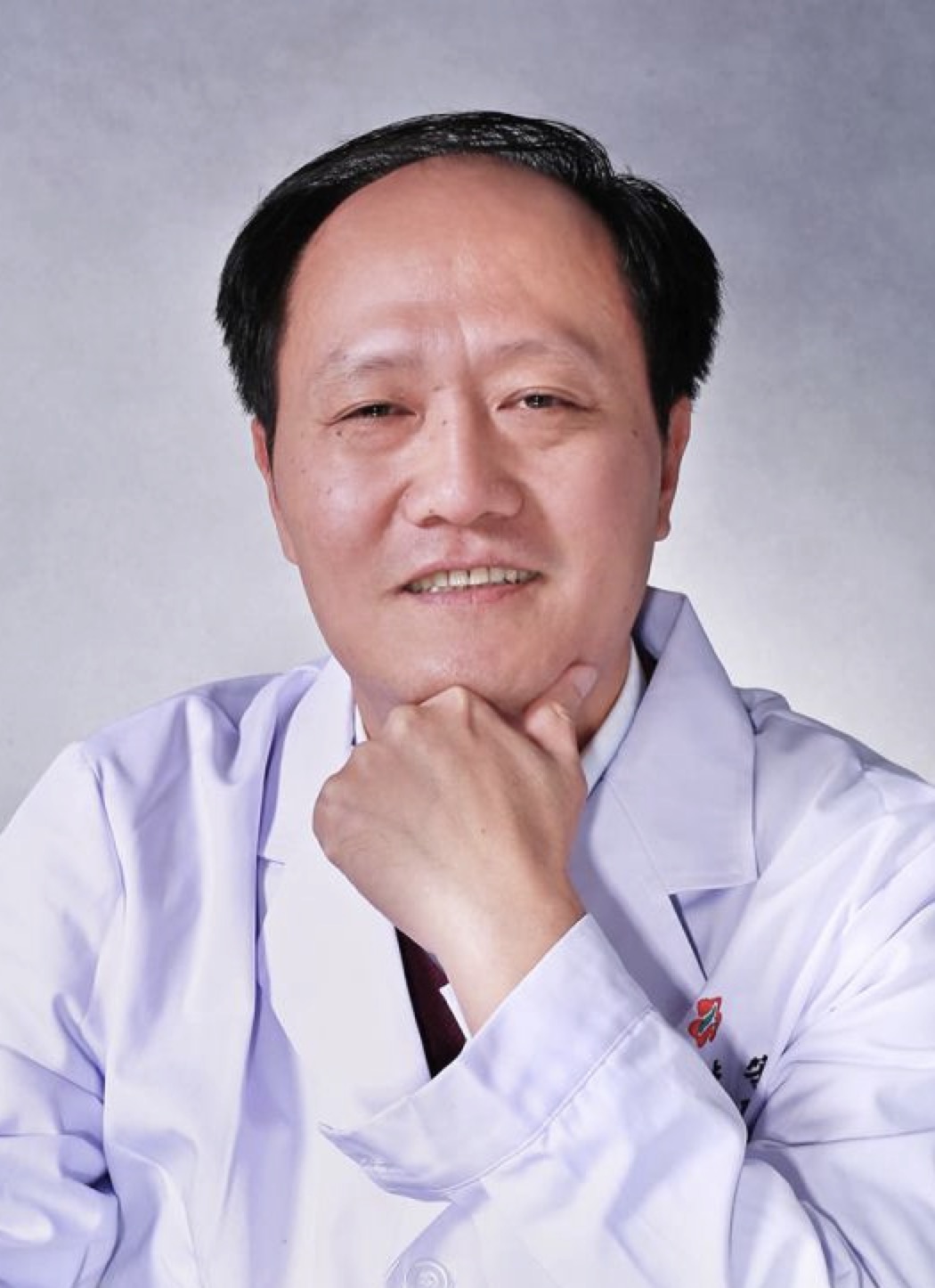 Hao Peng (彭昊)合作论文数Department of Orthopaedic Surgery, Renmin Hospital of Wuhan University3
 Qianxue Chen (陈谦学)合作论文数Renmin Hospital of Wuhan University3YAN Li-dong (严立冬)合作论文数2Bowen Yang (杨博文)合作论文数2HUANG Xiao-dong (黄晓东)合作论文数2Hui Gui合作论文数2xiaojiao tian (田晓娇)合作论文数2Pengfei Xu合作论文数2LunChang Wang (王伦昌)合作论文数2DanDan Zou (邹丹丹)合作论文数2ShengLi Hu (胡胜利)合作论文数2Min Fang (方敏)合作论文数2Jue Wang (王珏)合作论文数2Gao Wu (武高)合作论文数2




