Objective To evaluate long-term survival and clinical outcomes of patients with knee osteo-arthritis undergoing total knee arthroplasty(TKA)through long-term follow-up.Methods This study was based on a previous cohort study that had completed follow-up.We retrospectively collected clinical data of patients with knee arthropathy(including knee osteoarthritis and knee rheumatoid arthritis)who received the first TKA opera-tion in Peking Union Medical College Hospital from 1993 to 2002 and were followed up for more than 20 years,and conducted a unified follow-up on them in November 10,2024(the last follow-up).Kaplan-Meier curve was used to evaluate the survival rate.Hospitals for special surgery(HSS)scores and joint range of motion(ROM)were compared before surgery,10 years after surgery and at the last follow-up to evaluate the clinical efficacy of TKA.Likert scale was used to evaluate patient satisfaction at the last follow-up.Results A total of 226 patients(246 knees)received their first TKA in Peking Union Medical College Hospital from 1993 to 2002 and were fol-lowed up for more than 10 years.Among them,104 patients(131 knees)were included in the study at the last follow-up,including 21 patients(24 knees)with prosthesis in place,18 patients(18 knees)who underwent reo-peration for various reasons,and 65 patients(89 knees)who died from non-TKA surgical causes.Up to the last follow-up,there were 29 patients(35 knees)with an average follow-up of more than 20 years,and 12 patients(16 knees)completed HSS score,ROM measurement and patient satisfaction evaluation.Kaplan-Meier curve showed that the 10-year,15-year,20-year,and 25-year survival rates were 93.6%,92.4%,89.8%,and 71.8%,respectively.The HSS score at the last follow-up was lower than that at 10-year postoperative follow-up[(84.69±11.03)scores vs.(95.25±13.32)scores,P<0.05],but significantly improved compared with the preoperative[(84.69±11.03)scores vs.(58.75±7.19)scores,P<0.05].The ROM of knee joint were(93.44±17.30)°,(101.88±13.33)°,and(91.56±15.98)° at preoperative,10-year of postoperative and last follow-up,respectively,and there was no statistical significance between the groups(P>0.05).In terms of pa-tient satisfaction,the 10 knees(62.50%)scored 4 points(very satisfied),the remaining 6 knees(37.50%)scored 3 points(satisfied),and the satisfaction rate was 100%.Conclusion TKA treatment for knee arthropathy has high long-term prosthesis survival rate,significant improvement of knee joint function and high patient satis-faction.
Objective To investigate the perioperative rate of allogeneic red blood cell (RBC) transfusion in patients who underwent total knee arthroplasty (TKA) and its risk factors, and to identify its cross-match to transfusion ratio (C∶T ratio). Methods Anesthetic data of patients who underwent TKA from January 2014 to October 2019 in Peking Union Medical College Hospital were collected and analyzed retrospectively. Perioperative allogeneic RBC transfusion rate was calculated, and binary Logistic regression analysis was performed to identify its risk factors in these patients. The overall C∶T ratio was calculated and divided into subgroups based on surgery type and age group. Results The study enrolled 2 903 patients. The perioperative rate of allogeneic RBC transfusion in TKA patients was 10.9% (95% CI 9.8%~12.0%) and overall C∶T ratio was 5.6∶1. The independent risk factors leading to perioperative allogeneic RBC transfusion included advanced age(OR=1.025, 95% CI 1.009~1.042, P<0.01), preoperative hemoglobin level(OR=0.966, 95% CI 0.954~0.978, P<0.001), preoperative anemia(OR=3.543, 95% CI 2.052~6.119, P<0.001), hematological diseases(OR=6.462, 95% CI 2.479~16.841, P<0.001), bilateral surgery(OR=7.681, 95% CI 5.759~10.245, P<0.01) and revision surgery(OR=9.584, 95% CI 4.360~21.065, P<0.001). Conclusion The risk factors for perioperative allogeneic RBC transfusion in TKA patients included advanced age, preoperative low hemoglobin level, preoperative anemia, hematological diseases, bilateral surgery and revision surgery. Only type and screen tests are recommended if patients receiving unilateral primary TKA surgery are less than 75 years old without anemia and hematological diseases, while at least one to four units of blood should be cross-matched if patients are with preoperative anemia and hematological diseases or will receive bilateral and revision arthroplasty.
The American College of Rheumatology (ACR) and the American Association of Hip and Knee Surgeons (AAHKS) convened a writing group to develop a consensus report on the management of anti-rheumatic medication in patients with rheumatic diseases undergoing elective total hip or total knee arthroplasty in June 2022. In particular, the consensus provides significant updates on target synthetic disease modifying anti-rheumatic drugs and perioperative medication management in patients with systemic lupus erythematosus, as well as the addition of newly approved antirheumatic medications for administration. This article will interpret the consensus and provide a reference for the perioperative management of antirheumatic medications for hip and knee arthroplasty in patients with rheumatic diseases in China.
目的:比较采用增强(Enhanced)模式MAKO机器人辅助后外侧入路全髋关节置换术(RTHA)与常规THA手术的早期临床疗效.方法:回顾性分析2021年5—12月采用增强模式MAKO RTHA治疗的77例患者的临床资料,并与同期采用传统后外侧入路全髋关节置换术(THA)治疗的77例患者进行对比.比较RTHA组与常规THA组患者的手术时间、总失血量.术后测量髋臼外展角、前倾角、双下肢长度差(LLD)、两侧联合偏心距差异(ΔCO).比较RTHA组术中与术后LLD及ΔCO的一致性,同时比较两组髋臼外展角、前倾角,术后LLD及ΔCO的差异.术后随访收集两组Harris髋关节评分.结果:RTHA组术中测量的LLD和ΔCO与术后影像学测量LLD和ΔCO比较,差异无统计学意义.RTHA组术中机器人测量股骨前倾角14.9°±7.8°、联合前倾角37.4°±9.1°.RTHA组术后LLD(0.65±3.40)mm,常规THA组术后LLD(2.54±4.46)mm,差异有统计学意义(P=0.013).RTHA组术后ΔCO(-0.15±6.27)mm,常规THA组(2.65±6.40)mm,差异有统计学意义(P=0.020).RTHA组髋臼前倾角平均23.1°±4.3°,常规THA组26.6°±4.1°,差异有统计学意义(P<0.001).RTHA组髋臼外展角平均42.1°±2.8°,常规THA组40.9°±5.8°,差异无统计学意义.两组患者随访6~12个月,RTHA组末次随访Harris髋关节评分平均(90.5±6.8)分,常规THA组(90.1±6.5)分,差异无统计学意义.结论:增强模式下MAKO机器人辅助THA能提高髋臼杯植入的准确性,可更精确恢复下肢长度及联合偏心距,对股骨侧前倾的判断有助于个体化调整髋臼前倾.RTHA和传统THA手术术后短期疗效无统计学差异.
背景:肿瘤诱发低磷骨软化症(tumor-induced osteomalacia,TIO)患者完全切除病因肿瘤后有较好的预后.但应用全髋关节置换术治疗位于股骨头颈部肿瘤的中长期临床效果还缺乏相关研究.目的:评估全髋关节置换术治疗TIO的中长期疗效.方法:回顾性分析在我院被诊断为TIO并于2004年12月至2015年12月接受全髋关节置换术的14例患者的临床资料.男8例,女6例;年龄30~62岁,平均(48.3±9.8)岁.对每例患者的髋关节功能及假体进行5年以上的随访.结果:经肿瘤切除同期行关节置换治疗后,Harris髋关节功能评分显著提高(P<0.05).未出现假体松动、感染等并发症,无肿瘤复发,假体生存率100%,至末次随访未发生翻修,骨质疏松情况完全恢复.结论:经完全病因肿瘤切除结合全髋关节置换治疗肿瘤位于股骨头颈部的TIO临床效果确切,关节假体经中长期随访未见异常.
肿瘤诱发低磷骨软化症(tumor-induced osteomalacia,TIO)最早由McCane等首次报道,临床极为罕见,迄今国内外报道病例尚不足500例,故骨科医师多对该疾病认识不足,此外,TIO患者的临床表现往往缺乏特异性,临床定位、定性诊断十分困难,故极易造成误诊误治.截至目前,TIO的临床诊断已经取得了诸多进展,但尚缺乏针对TIO患者合理化、规范化的骨科手术治疗经验总结.本文将重点探讨近年来TIO骨科手术治疗领域的经验和进展,以期为该病患者的临床合理治疗提供一定的理论指导.
Objective To investigate surgical interventions for periprosthetic joint infection (PJI) after total knee arthroplasty and characteristics of prognosis.Methods Sixty-two patients with PJI after total knee arthroplasty from January 2000 to November 2016 were reviewed retrospectively,included with 17 males and 45 females.The mean age was 66.0± 10.2 years old (37-85).Fourty-nine patients were diagnosed with osteoarthritis,9 with rheumatoid arthritis,2 with secondary ankyloses after suppurative arthritis and 2 with hemophilia arthritis.Forty-one patients underwent unilateral total knee arthroplasties,and 21 bilateral total knee arthroplasties.Characteristics of PJI,including infection types,existence of sinus tract,infectious pathogen,surgical intervention and patients' prognosis,were collected.Results Twenty-four patients underwent open debridement with prothesis retention.In the 14 successful cases,medial time interval between primary total knee arthroplasty and debridement was 33 days.One case of positive Methicillin resistant Staphylococcus aureus culture of joint aspiration,and 1 case formed sinus tract.In 10 cases of failed debridement,the medial time interval was 270 d.Intra-articular culture presented 4 cases of antibiotic resistant bacteria,and 6 cases formed sinus tract.Except for one patient gave up treatment and another received arthrodesis,the other 8 failed cases were all treated with revisions.In 46 revisions,nine patients underwent one-stage revisions.The mean time interval between primary total knee arthroplasty and revision was 15.9± 14.5 d.Intra-articular culture presented 3 cases of antibiotic resistant bacteria,and 1 case formed sinus tract.In the other 37 two-stage revisions,the mean time interval was 1 045.7±1 044.1 d.Intra-articular culture showed 15 cases of antibiotic resistant bacteria,and 12 cases formed sinus tract.The mean follow-up duration was 73.9±48.2 months.At the last follow-up,all patients were free of antibiotics treatment.The mean Knee Society Score (KSS) was 85.9±4.3 after successful open debridement with prothesis retention.The KSS of one-stage revision patients was 78.5±3.3,while that of two stage revision patients was 65.7±7.4.Statistical difference was found among groups (P<0.05).Conclusion For PJI within 3 weeks after total knee arthroplasty without sinus tract or intra-articular culture of antibiotic resistant bacteria,open debridement with prosthesis retention could be recommended.One stage revision could be applied in infectious cases which appeared between 3 weeks to 1 month after primary surgery or in cases with unstable prostheses found in open debridement.For infectious cases longer than 1 month after primary procedure or those with sinus tract,severe soft tissue deficiency,intra-articular culture of antibiotic resistant bacteria,two-stage revision could be recommended.
患者男性,52岁,因驼背脊柱活动受限27年,双髋疼痛伴活动受限3年入院.患者自诉27年前出现腰背痛在当地医院诊断为"强直性脊柱炎",因经济问题未能规范治疗,后出现脊柱后凸畸形影响生活,于10年前在外院行脊柱手术治疗,5年前因脊柱内固定物外露,将内固定物取出.3年前双侧髋关节活动逐渐受限,脊柱后凸继续加重,强直于弯腰约90°扶拐行走,生活难以自理.
Background:The demand of total hip arthroplasty (THA) is increasing steadily among elderly patients(≥80 years old)due to expanded lifespan and the need for a higher quality of life. The assessment of the risks of perioperative medical complications, although very important for the safety of operation, has not been established effectively among elderly patients. Objective: To study the perioperative medical complications of primary THA in elderly patients without hip fracture.Methods: A total of 34 patients (38 hips) were retrospectively studied who had received primary THA in our hospital from November 2011 to November 2016. All patients were over 80 years old at the time of surgery. Patients with hip fracture were excluded. Anesthesia, comorbidities of multiple systems, pre-operative organ function assessments, the condition during the operation, postoperative examination and medical complications were summarized. Results: One patient died of acute myocardial infarction. This patient had a long history of small dose glucocorticoid uptake, hypertension, diabetes, stable angina pectoris and right bundle branch block and I° auriculo- ventricular block. One patient had acute kidney injury stage III, which was caused by a postoperative hypoperfusion of kidney and recovered by restoration of perfusion. Postoperative glomerular filtration rate (GFR) was correlated with preoperative GFR, and men also had a significantly lower postoperative GFR than women. No deep vein thrombosis, lung infection, abnormality of liver function, symptomatic cerebral infarction nor incision infection occurred. Conclusions: No evidence indicates that over 80 years old alone is the independent risk factors of perioperative medical complications of primary THA. While multiple medical comorbidities can increase perioperative risks of THA significantly in patients over 80 years old. Organ functions and comorbidities should be systemically assessed preoperatively. THA might be considered in patients with normal preoperative examinations and little comorbidity, while it should be performed with caution in patients with multiple comorbidities, though normal preoperative examinations.
目的 探讨人工关节外科非计划二次手术的发生概率及原因,为人工关节外科非计划二次手术的预防提供参考依据.方法 通过住院电子病案系统对2012年1月至2016年6月北京协和医院骨科关节病房住院患者的病例信息进行检索,对其中非计划二次手术的病例进行全面分析.结果 本研究入选人工关节外科开展手术病例2 941例,其中发生非计划二次手术24例,发生率为0.81%.发生非计划二次手术患者的平均年龄为61.67岁,其中男9例,女15例.患者平均住院天数为44.58d.经描述性分析发现,术后感染、切口愈合不良、假体脱位是发生非计划二次手术的主要原因,分别占29.2%(7/24)、20.8%(5/24)、25.0%(6/24).结论 高血压、糖尿病、血友病或者因类风湿性关节炎等免疫系统疾病长期服用免疫抑制剂或者糖皮质激素是发生非计划二次手术的高危因素.建议在完善术前检查和相关科室会诊的同时,术前应当与患者及家属充分宣教及沟通,告知可能出现的非计划二次手术的风险.
Objective To investigate the causes,treatments and recovery of aseptic revision surgery after primary knee joint arthroplasty.Methods A retrospective analysis was performed on the patients admitted to have revision surgery in the Peking Union Medical College Hospital from May 1991 to December 2014.Eighteen patients (20 knees) were included after excluding the cases of septic revision,repeat admission,non-revision surgery and the cases with insufficient data.All the cases were divide into subgroups according to different causes.The surgery plans were summed up;the interval time between the revision and the primary knee arthroplasty was calculated;the pre-and postoperative alignments were descriptively compared;the American knee Society scores (KSS) were compared to the pre-operative ones by paired-t test.Results A total of 18 patients (20 knees) were admitted into this study.The main revision reasons and treatments were as follows:10 knees of aseptic loosening (50%),nine of them underwent total knee revision and the other one underwent partial replacemnent of the tibial component;five knees of joint stiffness (25%),these patients underwent releasing surgery;three knees (15%) of prosthesis dislocation,the patients had the prosthesis replaced;one knee of foreign body in the articular cavity (5 %),the body was removed;one knee of patella subluxation (5%),the lateral side of the patella was released and the medial side was shrinked.After the revision surgeries,66.7% (4/6 knees) of the alignment restored well.Mean KSS score was improved from (56.4 ±9.9) to postoperative (79.1 ±2.8);the difference was significant (t =-7.329,P < 0.05).Conclusions The major cause of aseptic revision after primary knee joint arthroplasty is aseptic loosening.For dealing with the complications after primary knee joint arthroplasty,such as aseptic loosening,stiffness and so on,total knee arthroplasty revision can sufficiently improve function and restore the alignment.
Background: Total knee arthroplasty (TKA) has been increasing in recent years in China. Blood loss can be caused by various mechanisms and drainage might be one of them. Whether drainage is necessary or not is still a controversy. Objective:To compare the degree of hemoglobin dropping between unilateral and simultaneous bilateral TKA and to evalu-ate the effect of drainage on the hemoglobin dropping and complications. Methods:A total of 268 patients underwent TKA in our hospital in 2011, either unilaterally (155 patients, 106 with drainage as group A and 49 without drainage as group B) or bilaterally (113 patients, 62 with drainage as group C and 51 without drainage as group D) without other procedure. Full blood analysis was taken preoperatively and on 1, 3, and 7 days postoperatively. Hemoglobin level was recorded. The draining amount, blood transfusion, pain and function scores and complications were also recorded. Results:The mean fol-low-up period was (56.2±7.3) months in all the patients (range, 48-60 months). Hemoglobin level reached the lowest on the 3rd day postoperatively. There was no significant difference in pain score or range of motion of the knee either preoperative-ly or postoperatively between group A and B, between group C and D. The average draining amount was (347.2±85.3) ml in group A and (509.4 ± 127.5) ml in group C (P<0.01). Blood transfusion was needed in 17 patients (20.8%) in group A, 9 (21.4%) in group B, 55 (73.3%) in group C and 46 (80.4%) in group D. The mean transfusion was (243.2±45.4) ml, (162.9± 34.2) ml, (618.6±80.3) ml and (470.6±68.7) ml, respectively. There was no significant difference in the incidence of compli-cations between group A and group B (12.26%vs. 18.37%, P=0.311), while the complication rate of group D was signifi-cantly higher than that of group C (33.33% vs. 12.90%, P=0.009). Conclusions: Draining does not affect the hemoglobin dropping level or the necessity or amount of blood transfusion. The complication rate will increase in patients without drain-age, especially in those with one-stage bilateral TKA.
Objective To evaluate the long-term outcomes of total knee arthroplasty (TKA) for end-stage hemophilic arthropathy.Methods Eighteen patients (24 knees) with hemophilic arthropathy underwent TKA from June 2003 to January 2009 were retrospectively reviewed.All patients were hemophilia A with an average age of 33.7± 13.0 years (18-56tyears) old at Surgery.Pharmacokinetic tests of coagulation factors were performed after consultation of hematologist.Based on the guideline of World Federation of hemophilia,the protocol of coagulation factor replacement was adjusted according to our experience and the financial status.Normally,peak level of coagulation factor concentrations were maintained at 100% on the day of surgery,at about 80% in the first 3 days after surgery,at 60% on the postoperative days of 4-6 and at 40% on postoperative days of 7-10.The dose was then gradually tapered to 20% or 30%.Zimmer prosthesis was used in three cases (PS prosthesis in two cases,LCCK prosthesis in one case),Centerpulse prosthesis in three cases,and the rest were from Smith & Nephew (including one case of constrained prosthesis and one case of revision prosthesis).Preoperative and last follow-up Hospital for Special Surgery (HSS) score,Knee Society Score (KSS),knee flexion contracture and complications were evaluated.Results Fourteen patients(20 knees) were followed-up,with an average duration of 124±17 months (96-145 months).Knee flexion contracture improved from 16.7°±12.2° (0°-40°) preoperative to 3.3 °±5.0° (0°-10°) at the last follow-up.The average preoperative HSS score was 42.4± 16.0 (t 0-60),whereas postoperative score was 74.8± 10.6 (59-87).The preoperative KSS clinical and functional score were 36.1 ± 10.5 (20-50) and 36.1±5.5 (25-40),which were improved to 85.8±7.1 (70-93) and 80.9±22.4 (40-100) at the last follow-up,respectively.Postoperative infection,aseptic loosening of the implant and hematoma occurred in one patient respectively.All of them recovered after a revision surgery.One patient had secondary skin ulceration due to tension blisters and recovered after anterolateral thigh myocutaneous flap transplantation.Conclusion The long-term outcomes of TKA under coagulation factor substitution for hemophilic arthropathy are promising.However,the effects are inferior to those in non-hemophilic patients,and the risk of infection,aseptic loosening of the implant and hematoma are higher.
目的 探讨老年再发髋部骨折的治疗策略.方法 我科2005年1月至2014年12月收治老年再发髋部骨折患者56例,其中男15例,女41例;年龄71 ~ 96岁,平均82.1岁.初次骨折类型:股骨颈骨折46例,股骨转子间骨折10例;3例保守治愈,53例手术治愈.再发骨折部位:同侧1例,对侧55例;再发骨折类型:股骨颈骨折43例,股骨转子间骨折13例;均早期手术治疗,并强化抗骨质疏松治疗.结果 术后1年内死亡3例,死亡率为5.4%,53例患者获得1年以上随访.股骨颈骨折术后假体位置均良好.股骨转子间骨折均获得骨性愈合,平均15.3周.按Harris髋关节功能评分标准:优23例,良20例,可10例,优良率为81.1%.结论 对老年再发髋部骨折的患者,早期手术治疗仍是主要的治疗原则,大型综合医院多科协作的模式、较高的医疗水平有助于提高疗效、降低死亡率,同时应努力强化抗骨质疏松治疗等二级预防措施.
Objective To analyze the risk factors of postoperative in-hospital death in elderly hip fracture patients. Methods Four hundred and eighty patients (325 femoral neck fracture, 155 intertrochanter-ic fracture) treated in Peking Union Medical College Hospital from January 2004 to December 2014 were included in this retrospective study. Survival or in-hospital deaths (postoperative outcome) was chosen as the dependent variable, and gender, age, fracture type, ASA score, comorbidities and other parameters were tested as independent variable. Thirteen in-hospital death cases were assigned to death group. Forty-two cases survived at least 90 days postoperatively were randomly selected as control group. Multi-factor Logistic regression analysis was applied to evaluate the risk factor of postoperative in-hospital death.Results Pulmonary infection and acute myocardial infarction were two main direct causes of postoperative in-hospital death with 2.71%mortality. There was significant difference on age (t=2.623, P<0.05), comorbidities (c2=6.302, P<0.05), and smoking history (c2=6.061, P<0.05) by single factor analysis. Multi-factor Logistic regression analysis showed that age (Wald=5.209, P<0.05, OR=0.757), more than two complications (Wald=4.915, P=0.027, OR=0.155) and smoking history (Wald=6.853, P<0.05, OR=10.917) was independent risk factors of postopera-tive in-hospital death. Conclusions The risks of perioperative pulmonary infection and acute myocardial infarction were relatively higher in postoperative geriatric hip fractures. Attention should be paid on elderly patients with more comorbidity or smoking history.
Background:Total hip arthroplasty is one of the most successful orthopedic surgeries nowadays. However post-operative dislocation is one of most serious complications of THA. Objective:To study the risk factors of hip dislocation af-ter total hip arthroplasty, the treatment for different types of dislocation and preventive measures. Methods:Clinical data of 1906 patients of THA surgery from November 1982 to June 2015 including 869 male patients and 1037 female patients were retrospectively analyzed. 63 patients (3.31%) of dislocation were diagnosed by hip X-ray. Data were calculated by spss software. Results: 51 patients had dislocation after primary procedure and 6 patients after revision procedure. 47 patients had one time dislocation and 16 patients had several times dislocation with 71 times of close manipulative reduction, 12 times of operative reduction and 1 non-reduction. 61 times of dislocation at early stage (<3 months) and 23 times of disloca-tion at late stage. According to dislocation classification of Dorr, 62 times dislocation caused by positional reasons (TypeⅠ), 8 times dislocation caused by soft tissue imbalance (TypeⅡ), 10 times dislocation caused by component malposition (TypeⅢ), 4 times dislocation caused by TypeⅣ. Based on the cause of dislocation, TypeⅠdislocations were treated by close manipu-lative reduction and other types by operative reduction. Conclusions: Reasons caused postoperative dislocation including preoperative, intraoperative or postoperative factors. Preoperative factors includes gender, age, BMI, hip peripheral anatomy situation and epidemic factors. Intraoperative factors includes surgical approach, prosthesis selection and installation. Post-operative factors includes patients' position change and poor compliance. Prevention should aim at reasons. Most patients with dislocation can be cured by manipulative reduction, which limits flexion and adduction. However, patients with recur-rent hip dislocation, component malposition, hip fracture or soft tissue imbalance require reoperation.
Objective To evaluate the additional efficacy of local anesthetic injection (LAI) as a part of multimodal anal?gesia in patients undergoing total knee arthroplasty (TKA) with respect to pain, narcotic use, knee function and complications. Methods A multicenter randomized, controlled, double blind study was performed. A total of 101 patients undergoing unilateral TKA in two centers were randomly divided into injection group and control group. Injection group (50 cases) received local anes?thetic injection of ropivacaine (200 mg), fentanyl (1μg) and epinephrine (1∶1 000, 0.25 mg) in operation and control group (51 cas?es) did not. All patients received standardized general anesthesia and postoperative intravenous patient controlled analgesia (PCA). Preoperative baseline data, surgery?related conditions, postoperative pain (on a 0 to 10 scale), knee function, time of open?ing PCA, narcotic dosage in PCA and complications were compared respectively. Results The time of opening PCA in injection group (4-10 h, M=8 h) was longer than that in control group (2-5 h, M=4 h) (P<0.05). The 12 h, 24 h and total narcotic use of PCA in injection group (8.62±3.601 ml, 21.22±9.220 ml, 38.52±7.764 ml) was less than that in control group (18.43±9.671 ml, 35.30± 11.414 ml, 55.52±12.405 ml) (P<0.05). At post anesthesia care unit the mean VAS in injection group (2.40±1.927) was lower than that in control group (3.06 ± 2.073) (P<0.05). There was no difference in mean VAS at other time points, knee function, length of stay between two groups (P>0.05). Conclusion LIA in TKA can relieve pain early after TKA, prolong the time of opening PCA and reduce narcotic use compared with patients without it. It is simple and safe to use.
Objective To study the surgical treatment strategy for heamophilic arthropathy and musculoskeletal appara?tus. Methods A total of 120 heamophilic patients underwent 166 primary operations from January 1996 to June 2015 in Pe?king Union Medical College Hospital, with the average age of 29.7±12 years (from 6 to 61 years). Hemophilic type A accounted for 109 patients and hemophilic type B accounted for 11. Eighty?seven patients presented with bleeds within the joints, with 63 cases for knee involved, 29 cases for hip, 11 cases for ankle. Fifteen patients presented with intramuscular bleeds, 21 patients with heamophilic pseudotumors. Strategy of clotting factor replacement therapy was designed according to the different level of opera?tion procedure. The clinical manifestation, operative strategy, clinical outcome and complications were retrospectively recorded. Results 41 cases (34.2%) of patients underwent surgeries for more than one location. Totally, 166 procedures were performed for 120 patients. There were 103 procedures of joint arthroplasty (62.0%, 103/166), 21 procedures of pseudotumor resection (12.7%, 21/166), 15 procedures of tendon lengthening, 12 procedures of ankle arthrodesis, 13 procedures for knee flexion contracture. There were 30 cases of postoperative complications, with the rate of 18.1% (30/166). The coagulation related complication was 4.8%in this group (8/166). The surgical procedure related complication was 7.2%(12/166). All the preoperative symptoms were relieved during the follow?up. Conclusion Surgical treatment was effective for the heamophilic arthropathy and lesion of mus?culoskeletal apparatus, under the reasonable clotting factor replacement therapy. The incidence of perioperative complication in heamophilic patients is higher than that in non?hemophilic patients. Closely inspection was inevitable for perioperative treat?ment in hemophilic patients.
Objective To explore the loss of blood and transfusion volume and rate in total hip replacement.Methods From 2003 to 2012,718 patients who underwent total hip replacement surgery were selected according to the inclusion criteria .The enrolled patients were composed of 314 males and 404 females (age ranging from 17 to 87 years, 56.1 years in average).Sex、age、weight、height、BMI、drainage、transfusion volume、pre-and post-operation HGB、HCT were analyzed .Results The average blood loss during the operation was 500.6 ±395.12ml, the transfusion rate was 26.7%, and the average volume was 0.08U RBC.The average drainage after the operation was 457.6 ±397.55ml, the transfusion rate was 39%, the average volume was 1.41U RBC; the total transfusion rate of the perioperative period was 50. 8%, and the average volume was 2.22U RBC.Conclusion The perioperative blood loss of total hip replacement is in a large quantity , and the transfusion rate is high; the main relative factors include age , BMI, HGB before operation, blood loss during operation、and drainage.
Objective To evaluate the midterm outcomes of autologous femoral head grafting in total hip arthroplasty for developmental dysplasia of the hip.Methods From October 2001 to December 2011,36 patients (36 hips) with developmental dysplasia of the hip were treated by total hip arthroplasty with autologous femoral head grafting,of which 34 cases were followed up for at least 30 months.There were 6 males and 28 females.16 patients were involved in the left hip and 18 in right hip.The average age at the operation was 51 years (range,28-68 years).According to Crowe classification for developmental dysplasia of the hip,12 were type Ⅱ,16 type Ⅲ,and 6 type Ⅳ.Cementless prostheses were used for all,but one patient,who received a hybrid prosthesis.Clinical outcomes were evaluated according to Harris score and complications.Components migration,periprosthetic bone changes,the polyethylene wear rate were measured radiologically.Components position and bone healing were assessed in the anteriorposterior and lateral X-ray of the hips.Results Thirty-four patients (34 hips) were followed up for an average duration of 64.1 months (range,31-153 months).The average Harris score was 35.4 (range,23-56) preoperatively,and was 89 (range,82-95) at the latest follow-up.Twenty-eight were classified as excellent,and 6 were good,and the excellent and good rate was 100%.10 cases presented with bone absorption 2-8 months postoperatively.Four patients suffered from dislocation after surgery.All the cases were treated successfully with close reduction,except one with redislocation.Close reduction was performed for this case,and no dislocation occurred again.One patient had periprosthetic fracture due to a fall and open reduction and plate fixation was performed.The fracture was healed at 1 year follow-up,with good position of the implants.Another patient had hypertensive intracerebral hemorrhage 1 year after the surgery,who was treated by conservative treatment and had hemiplegia and apraxia of the surgical hip.Conclusion Autologous femoral head grafting for the treatment of developmental dysplasia of the hip has a satisfactory clinical and radiographic outcomes at an average of five-year follow-up.Bone graft absorption is a natural process of structural bone grafting.Joint dislocation is the most common complication of THA in developmental dysplasia of the hip.
 Xisheng Weng (翁习生)合作论文数Peking Union Medical College Hospital65
 Jin Lin (林进)合作论文数Peking Union Medical College Hospital57
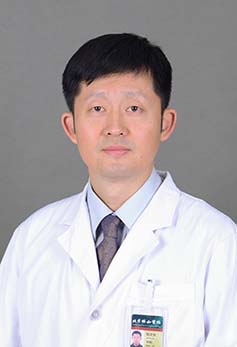 Wenwei Qian (钱文伟)合作论文数Peking Union Medical College Hospital36
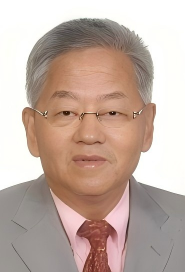 Guixing Qiu (邱贵兴)合作论文数Peking Union Medical College Hospital36
 JiLiang Di (翟吉良)合作论文数15Huiming Peng合作论文数12
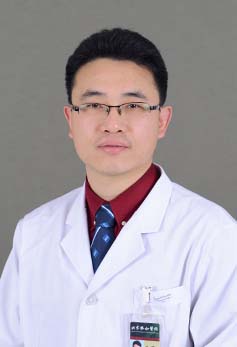 Bin Feng (冯宾)合作论文数Peking Union Medical College Hospital11
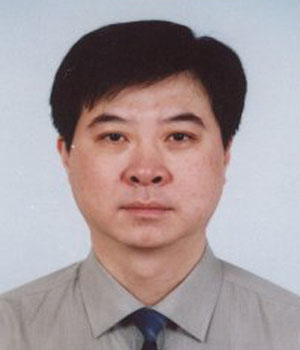 Hong Zhao (赵宏)合作论文数Department of Orthopaedic,PUMC Hospital,CAMS/PUMC,Beijing ,China10LiJuan Zhao (赵丽娟)合作论文数9
 Yipeng Wang (王以朋)合作论文数Peking Union Medical College Hospital9Wei WANG (王炜)合作论文数8
 Jianguo Zhang (仉建国)合作论文数Peking Union Medical College Hospital7
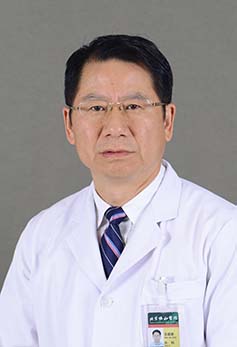 Jianxiong Shen (沈建雄)合作论文数Beijing Union Medical College Hospital7
 Bian Yanyan合作论文数6XinYu Yang (杨新宇)合作论文数4Qing Zhao (赵庆)合作论文数4
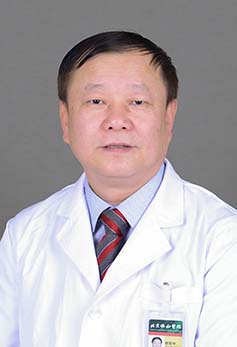 Baozhong Zhang (张保中)合作论文数Peking Union Medical College Hospital4
 Shugang Li (李书纲)合作论文数Peking Union Medical College Hospital4Lin Sheng合作论文数3JunWei Li (李军伟)合作论文数3Jia Zhang (张嘉)合作论文数3ZhiFeng Huang (黄志峰)合作论文数3Ye Li (李晔)合作论文数3Bo Yang (杨波)合作论文数3Peng Gao (高鹏)合作论文数3
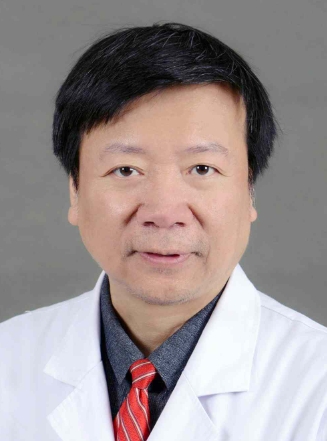 Zhihong Wu (吴志宏)合作论文数Peking Union Medical College Hospital3
 Yuhe Yuan (苑玉和)合作论文数Institute of Materia Medica, Peking Union Medical College3
 Zengxin Gao (高增鑫)合作论文数Department of Spine Surgery, Zhongda Hospital, Southeast University3
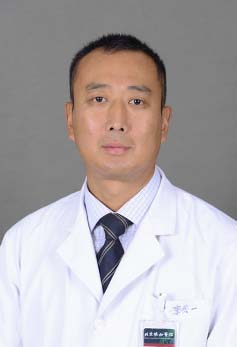 Qiyi Li (李其一)合作论文数Peking Union Medical College Hospital3Long-Chao Wang合作论文数2TianWen Sun (孙天闻)合作论文数2XiongFei Zou (邹雄飞)合作论文数2Xiao Chang (常晓)合作论文数2Chao Jiang (蒋超)合作论文数2WenJing Li (李文菁)合作论文数2
 Yu Fan (范彧)合作论文数北京协和医学院北京协和医院2
 Naihong Chen (陈乃宏)合作论文数Department of Pharmcology, Institute of Material Medica, Chinese Academy of Medical Sciences and Peking Union Medical College2
 Zhijian Sun (孙志坚)合作论文数北京积水潭医院创伤骨科2
 Ye Tian (田野)合作论文数Peking Union Medical College Hospital2Qi Fei (费琦)合作论文数2Wanli Zhang (张万利)合作论文数2
 Yan Jiang (姜艳)合作论文数Peking Union Medical College Hospital2
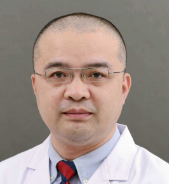 Yu Zhao (赵宇)合作论文数Peking Union Medical College Hospital;Peking Union Medical College, Chinese Academy of Medical Sciences2
 Mei Li (李梅)合作论文数Peking Union Medical College Hospital2
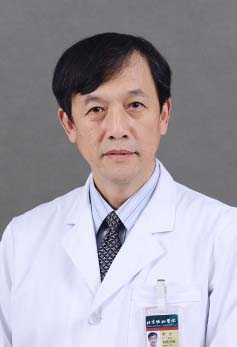 Fang Li (李方)合作论文数Peking Union Medical College Hospital2
 Qibin Ye (叶启彬)合作论文数Peking Union Medical College Hospital2
 Weibo Xia (夏维波)合作论文数Peking Union Medical College Hospital2Xinping Tian (田新平)合作论文数1Lianhua Li合作论文数1




