The disease and syndrome terms of traditional Chinese medicine(TCM),the embodiment of unique TCM theories, reflect how the concepts of diseases are formed in different cultures together with the disease terms of Western medicine.Focusing on the representative disease and syndrome terms in the Synopsis of the Golden Chamber(Jin Gui Yao Lue),we elaborated on the classification of the terms from the perspective of schema theory(i.e.,schema overlap, schema similarity, and schema conflict)and the translation strategies and methods for the terms of the three types.For the terms of schema overlap, western medicine terms can be used to activate the schemata; for the terms of schema similarity, literal translation method can be employed to adjust the schemata; for the terms of schema conflict, free translation method can be adopted to reconstruct the schemata.On this basis, this paper sorts out the comprehensive model for the English translation of TCM disease and syndrome terms from the perspective of schema theory, with a view to providing reference for the study of English translation of TCM disease and syndrome terms.
The symptom responses related to cold and heat at the initial stage of exterior pathogenic factor attack have been greatly appreciated by doctors of all dynasties. The cold-related symptoms mainly include Wu Han(aversion to cold), Wei Han(fear of cold), Wu Feng(aversion to wind), and Han Zhan(chills), with aversion to cold/wind most commonly seen at the initial stage of wind-cold attack. While some of those cold-related symptoms are vague and inconsistent in terms of connotation and clinical significance in various TCM Diagnostics textbooks, and they are not consistently applied in various TCM clinical textbooks. In order to clarify the connotation and clinical significance of those cold-related symptoms seen at the initial stage of wind-cold attack, an analysis is carried out in this paper by integrating ideas from both ancient and modern books and papers.On basis of that, the following ideas are confirmed: ‘Aversion to cold’ has been used as a symptom generally referring to ‘fear of cold’, and it’s only clearly differentiated from the symptom of ‘intolerance of cold’ until modern TCM Diagnostics textbooks.Other symptoms and factors should be taken into consideration in the clinical differentiation of these two symptoms. Besides, the clinical significance of ‘aversion to cold’ should not be limited to its correlation to exterior patterns. The main pathogenesis of ‘aversion to wind’ should be viewed as exterior deficiency instead of being similar to that of ‘aversion to cold’. Accordingly, the clinical manifestation of ‘aversion to wind’ is the discomfort when exposed to wind, and this symptom could coexist with ‘aversion to cold’. With such a differentiation and analysis, we hope to clarify the connation and significance of cold-related symptoms in TCM Diagnostics and provide references for their standardized usage.
以中国特色外语教学理论"产出导向法"教学理念为指导,结合具体教学案例,探索中医英语课程思政建设的理论框架、关键环节和实施路径,为深化课程思政建设改革实践提供参考.
字幕翻译随着影视业和慕课的蓬勃发展日渐成为翻译研究者的热门话题之一,而慕课字幕翻译的相关研究至今较少.如何兼顾慕课的语言特点和字幕的时间空间限制,使得目标语观众能够顺利理解课程,是慕课字幕翻译需要面临的挑战.在中医慕课英译实践中可以发现,中医慕课字幕语言具有中医术语多、四字格多、句式长、文化内涵丰富等特点.以中医内科学选讲的慕课字幕英译为例,总结中医慕课字幕英译的特点并举例探索相应的翻译方法.
通过对北京中医药大学医学英语文献阅读课程35名英语专业学习者就翻转课堂学习平台、学习资源、学习方式的适应性及综合满意度展开调查,结果发现学习者获取学科知识的途径呈现出多元化特征,偏好图像化学习内容;对平台的适应性和本次翻转课堂教学的总体满意度较高,对翻转课堂这种学习方式有更高的期待.提示实施翻转课堂教学的教师需在线上、线下时间分配方面加以优化,并在线下提供学生必要的支持和引导.
基于中国知网、万方、维普数据库近20年收录的405篇《黄帝内经》英译研究文献,借助可视化软件对主要作者、研究单位和研究热点绘制知识图谱并进行分析.研究显示,《黄帝内经》英译研究在2015—2019年间发展较快,研究人员多为中医药院校外语专业师生.研究热点包括《素问》、修辞表达、理论应用、翻译策略、译作评述以及文化负载词.通过对数据的分析,预测研究趋势,以期对全国高等中医药院校开展典籍英译研究和教学提供借鉴.
随着互联网技术的发展,新的课程教学理念、教学设计不断涌现,推动了教育界新的变革.文章以翻转课堂的理论基础为出发点,构建医学英语翻转课堂的教学模型,并从硬件、学生的适应性、学生动机和教师的准备四个方面讨论了医学英语翻转课堂的可行性.同时,也提示在翻转课堂实施的过程中,应当注意教师角色的转变,不仅要把学生放在中心,而且需将教师、课堂、设计理念等其他部分整合起来,从而推进课堂的有效开展.教师的教学设计能力、对教学资源的合理分配、课程的实施能力和教师个人的综合素质对翻转课堂的顺利开展起着决定性的作用.
中医病证名词术语是中医术语里的重要组成部分,大多语义丰富,文化烙印深厚,且与西医学病名术语不能完全对应,其英译路径虽有学者关注但鲜有深入研究.以中医典籍《金匮要略》为代表性病证名,尤其是以“断泄”一词为例,通过查找文献,追溯其源头,分析其在原文中的概念内涵,并将现有译本中英译选词进行对比分析,从翻译“信”原则出发,以“最佳近似度”为翻译标准,探索中医病证名的英译路径,并尝试提出中医翻译“3W”课堂教学模式,对中医术语英译路径应用于中医翻译的实践与教学进行了初步思考.供学界探讨借鉴.
目的:翻译单位是翻译研究的热点主题,随着中医翻译研究的进一步深入发展,逐渐从产品导向型研究发展到过程导向研究,中医翻译单位也越来越受到学界关注.方法:本研究运用有声思维法收集译者在进行中医文本汉英翻译过程中所使用的翻译单位.结果:研究发现学生译者与专业译者最常用的翻译单位均为词语与词组,学生译者更常使用单字作为翻译单位,而专业译者使用句子为翻译单位的频次远大于学生译者.学生译者在翻译的过程中更倾向于把译文拆分到最小的可以解决单位,但由于翻译单位小于语义的最小搭配结构,从而造成误译.结论:本实证研究初步证实,在中医文本汉英翻译过程中,专业译者的翻译单位通常大于学生译者的翻译单位.
《黄帝内经》逐渐成为中医英译研究的热点,其中关于"五神"概念的英译研究独树一帜.本研究通过厘清《黄帝内经》"五神"概念系统中"志意"一词的内涵,梳理了《黄帝内经》中含有"志意"的所有语篇,确定"志意"在各语篇中的内涵.在此基础上,对比分析现有的《黄帝内经》四部全译本中"志意"的译法,发现四个译本均存在不同程度的翻译问题,包括对原文概念理解不准确、过分强调译名统一以及概念含义相同但译名不统一等.为促进中医名词术语英译的标准化,翻译应遵循准确性、统一性和对应性原则.首先,在翻译时应明确原文内涵,确保翻译准确;其次,尽可能地保持相同含义的名词译名统一.同时,对于不同含义的名词,建议选择相应的译法,而不应过分强调译名统一.
翻译单位是翻译学科中的基础问题.不同学者从语篇、语段、小句和词等层次均有深入论述.而术语的翻译单位,尤其是中医术语的翻译单位较少有人分析.与一般科技术语不同,中医术语具有模糊性、歧义性和笼统性的特点.大多数译者在中医术语翻译研究实践中常将整个自然术语词语默认为翻译单位.魏迺杰将单字作为中医术语翻译的基本单位,杨明山则主张在单字的组合规律上探讨中医术语翻译问题.在梳理相关概念和分析中医术语特点的基础上,结合研究现状和术语实例分析,文章提出中医术语翻译应以基于语义的最小搭配结构为翻译单位,并建议未来开展中医术语翻译单位的实证研究.
A data-based comparative study revealed that there were some different features between the bilingual package inserts of Chinese medicine and the English package inserts of western medicine in terms of text construction.For example,some sections such as "Clinical trial" and "Pharmacology and toxicology" were listed in the English package inserts of western medicine,whereas these essential sections were not presented in the bilingual package inserts of Chinese medicine.In addition,there seemed to be no standard versions concerning the translation of section titles of Chinese medicine inserts,most of which were not acceptable.It was suggested that translators should get familiar with the pre-texts of the package inserts,especially their text features,communicative purposes,structure potentials.Furthermore,they should make full use of intertextual references,take the audience's cognition into consideration and choose proper ways of expression when constructing English texts of package inserts of Chinese medicine,which aim to convey the information successfully and increase the popularity of Chinese medicine in the international community.
目的:为更好地了解国内中医英译研究现况,需要应用文献计量学的方法进行综述,以期为今后的中医英译研究提供一些数据和参考.方法:以CNKI为数据源,检索2004 ~2013年间发表的所有中医英译研究相关论文,采用文献计量学方法统计分析文献数量、年份、作者、主题.结果:共检索出638篇相关文献.过去10年间相关文献数量逐年上升,主题以探讨翻译原则和方法最多.结论:中医英译研究逐渐成为学术期刊发表热点,但主题有待进一步深化和拓展.
[目的]探讨方证相应研究的发展趋势和研究对策,为方证相应科学内涵的揭示寻求新方法.[方法]回顾方证相应研究的发展历程,以变应性鼻炎为例,分析代表不同治法的小青龙汤和麻黄附子细辛汤治疗该病实验研究的现状,进一步提出两模两方的研究方法.[结果]建立变应性鼻炎单纯和阳虚复合性动物模型,通过检测Th1/Th2平衡漂移方向来判断两种模型正邪盛衰的程度,用单纯散寒的小青龙汤与温经散寒的麻黄附子细辛汤对不同AR模型进行交叉干预,能够对病机治法一致与否的客观疗效进行验证.[结论]“两模两方”有助于揭示方药与病证之间的关联度大小,能够突出中医学思维特征与现代科学设计融合的特色,是方证关系研究的最新实验模式.这种研究思路是深化方证相应研究的必然要求,以该模式开展变应性鼻炎相关研究势在必行.
Analysis of differences between traditional Chinese medicine (TCM) philosophy with malnstream western medicine was done with reference to intercultural communication theory. It was found that the differences are malnly manifested through "holism" philosophy of TCM and "dualism" of Western medicine, intuition thinking mode of TCM and mechanical thinking mode of western medicine, and ideographic Chinese language and objective description of the Western medicine. The translation principle was also discussed with the perspective of intercultural communication. It is of great significance to respect the "recipient’s privilege", to create "intimate" text, and to understand the bilingual differences if TCM translation is to be promoted.
ln translating the predicative-compound structure of three-character pathogenesis TCM terms, the key is verb translating. Both the semantic and syntactic features of the source TCM terms should be taken into consideration to achieve accuracy. As for systematization, near-synonyms in source terms should be translated into their corresponding near-synonyms in target terms.
A data-based quantitative study was conducted by examining 43 bilingual package inserts of Chinese medicine. The results indicated that most inserts were poorly constructed with incomplete formats. Furthermore, there seemed no standardized translationforthe section titles, and some of them were even translated incorrectly. It was suggested that insert translation should follow the “reader-centered principle” which was determined by its communicative purpose. Translators should take full advantage of intertextual reference and construct complete and standard insert formats of Chinese medicine, thus helping readers obtain information more quickly and easily. This paper intends to advance some suggestions concerning the text constructionof bilingual package inserts of Chinese medicineand help enterprises in this line increase their competitiveness in the international market.
The research paper aims to explore how to integrate medical humanity education into English teaching at TCM uni-versities and colleges. It first analyzes the definition of medical humanities and medical humanity, reviews the status quo of the re-searches into medical humanities and medical humanity education, and the status quo of English teaching and research at medical universities and colleges. Then, it goes on to discuss the specific methods to integrate medical humanity education in English teaching, research and practice to enhance students’medical humanity at TCM universities and colleges. It eventually arrives at the conclusion that English teaching at TCM universities and colleges must give full play to its humanistic features and fully incor-porate the basic concepts of medical humanities into its contents and forms of teaching.
简述中医药院校新兴交叉学科中医药英语教学与科研发展的历程与现状,以北京中医药大学为例,阐述中医药英语学科的定位、内涵、学术研究方向和未来面临的挑战.中医药英语学科面临复合型人才匮乏、学科地位有待提升、学科外部环境有待改善等诸多挑战,随着中医药国际化对复合型外语人才的不断需求和中医药英语论著、教材、课程设置、教学方法、人才培养等方面的研究不断深入,中医药英语学科将面临难得的发展机遇.
语言教师和专业教师跨学科协作合作教学的教学模式将是当今专门用途教学改革的一条重要出路,也是专门用途教师培训的重要途径之一.而这种基于合作的教学方式由于种种实际原因,并未能广泛地运用于像医学英语这样需要跨学科合作的学科教学科研中.本文将以<医学英语文献阅读>课程的共同教学改革实践为例,初步探讨合作式教学对于医学英语类课程教学的作用和意义.
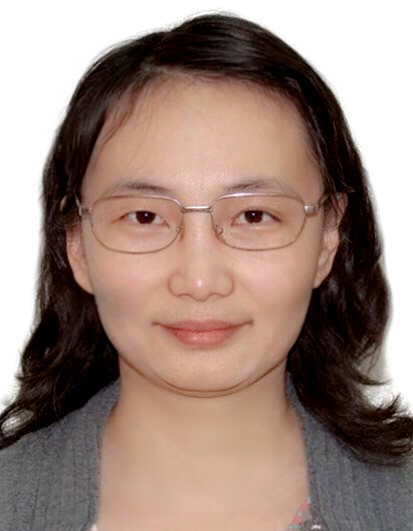 Qing Wu (吴青)合作论文数School of Humanities, Beijing University of Chinese Medicine6
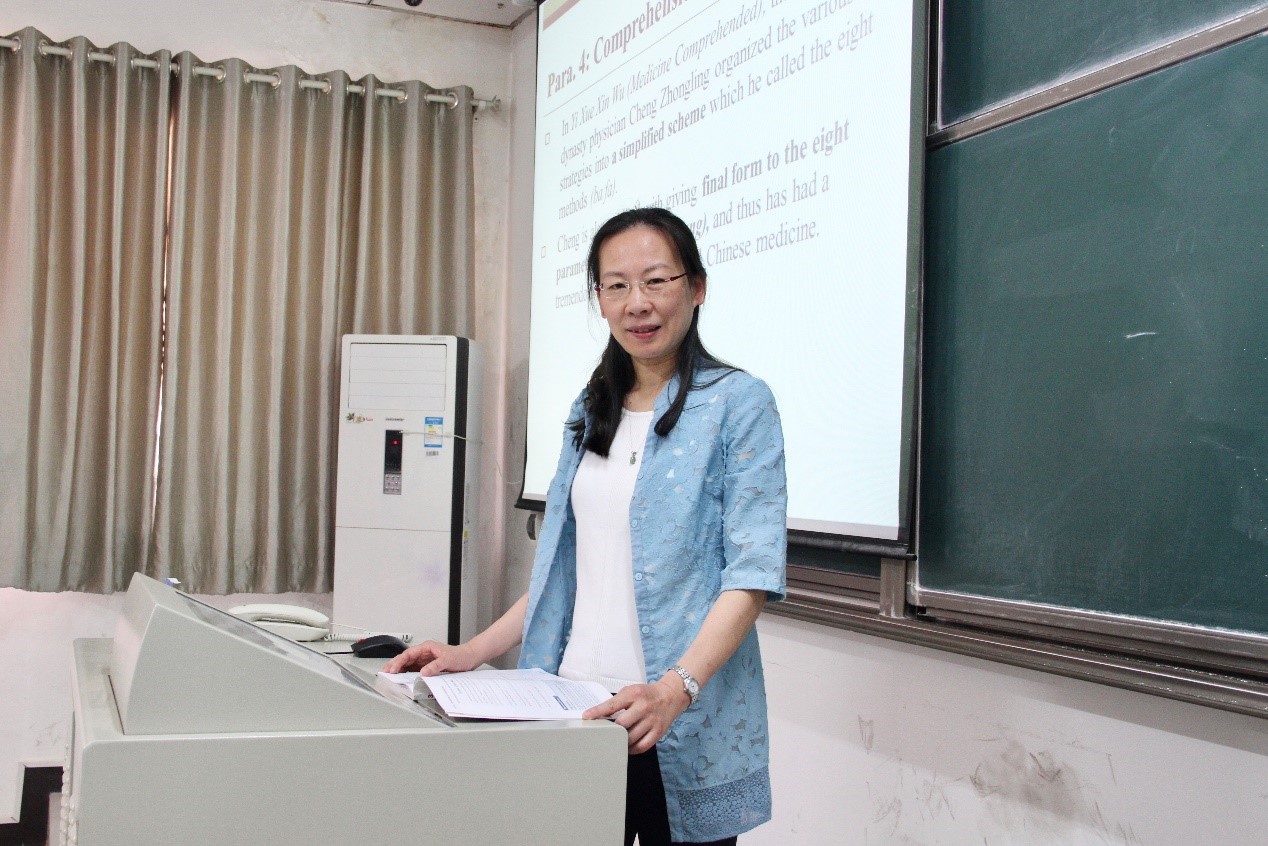 Lilan Du (都立澜)合作论文数School of Humanities, Beijing University of Chinese Medicine6
 Zhufen Chen (陈铸芬)合作论文数School of Humanities, Beijing University of Chinese Medicine5
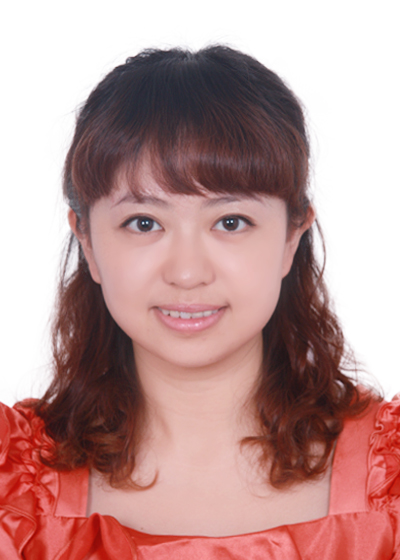 Ning Chen (陈宁)合作论文数School of Humanities, Beijing University of Chinese Medicine4
 Lepeng Wang (王乐鹏)合作论文数School of Humanities, Beijing University of Chinese Medicine4
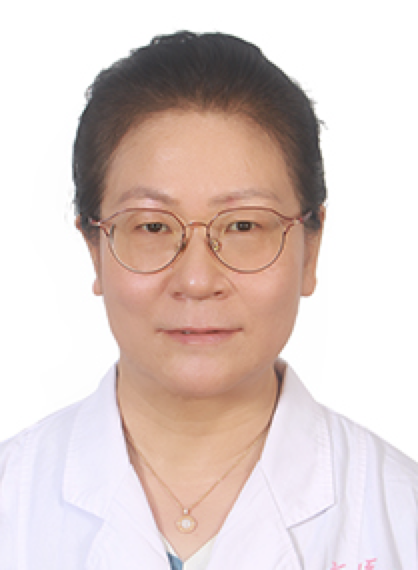 Xiaohua Yang (杨效华)合作论文数Dongfang Hospital, Beijing University of Chinese Medicine4
 LiLan Dou (都立澜)合作论文数3PingAn Zhou (周平安)合作论文数3
 Kailin Zhou (周开林)合作论文数School of Humanities, Beijing University of Chinese Medicine3
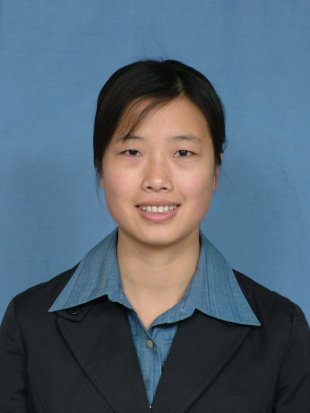 Xiaomei Zhang (张晓枚)合作论文数School of Humanities, Beijing University of Chinese Medicine3
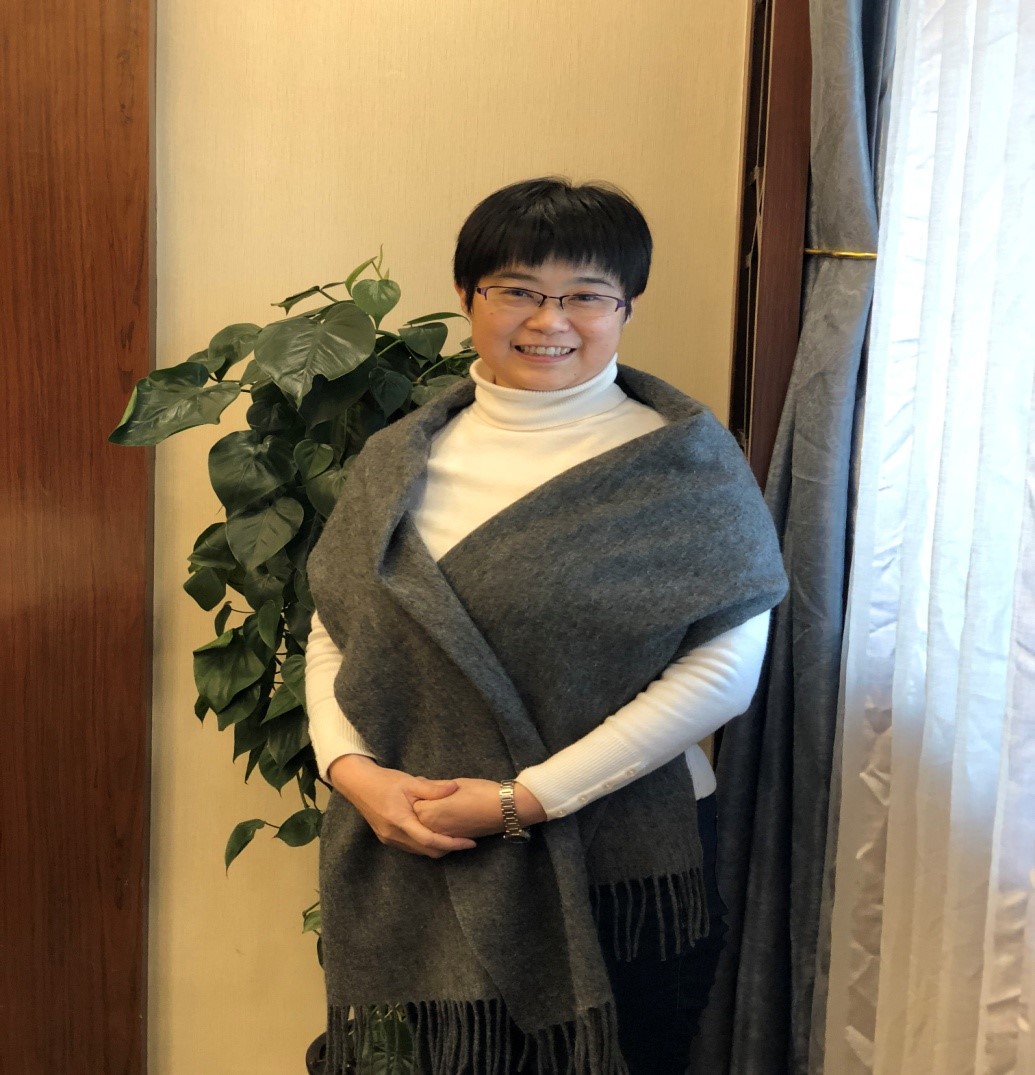 Aijuan Liu (刘艾娟)合作论文数School of Humanities, Beijing University of Chinese Medicine3Yi QI (齐熠)合作论文数2Su Chen (陈苏)合作论文数2
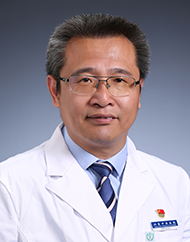 Yuguang Wang (王玉光)合作论文数Beijing Traditional Chinese Medicine Hospital2
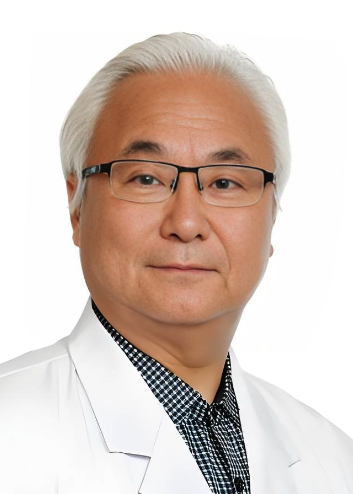 Qingguo Wang (王庆国)合作论文数School of Traditional Chinese Medicine, Beijing University of Chinese Medicine2
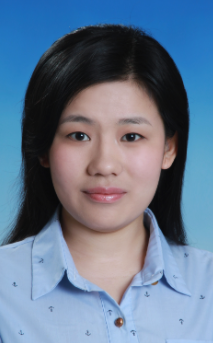 Jian Dong (董俭)合作论文数School of Humanities, Beijing University of Chinese Medicine2
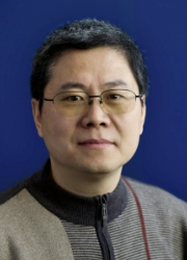 Jianping Liu (刘建平)合作论文数Centre for Evidence-Based Chinese Medicine, Beijing University of Chinese Medicine2Zi-Ling Zhang合作论文数1Feng-jiao LU (卢凤姣)合作论文数1Wuxia SHEN (沈无瑕)合作论文数1wenxin xie (谢文鑫)合作论文数1WEN Hai-yu (温海煜)合作论文数1CAO Xi-xi (曹惜惜)合作论文数1TONG Yi (童意)合作论文数1Tingyao Hu (胡庭尧)合作论文数1You Li (李优)合作论文数1ShuJuan Di (翟书娟)合作论文数1Hong Yang (杨红)合作论文数1
 Guanying Li (李冠颖)合作论文数School of Humanities, Beijing University of Chinese Medicine1
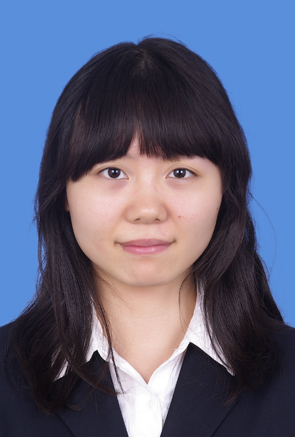 Mengru Li (李梦茹)合作论文数School of Humanities, Beijing University of Chinese Medicine1
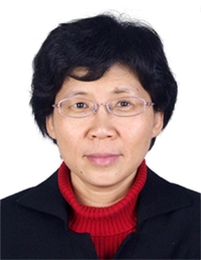 Tianfang Wang (王天芳)合作论文数School of Traditional Chinese Medicine, Beijing University of Chinese Medicine1
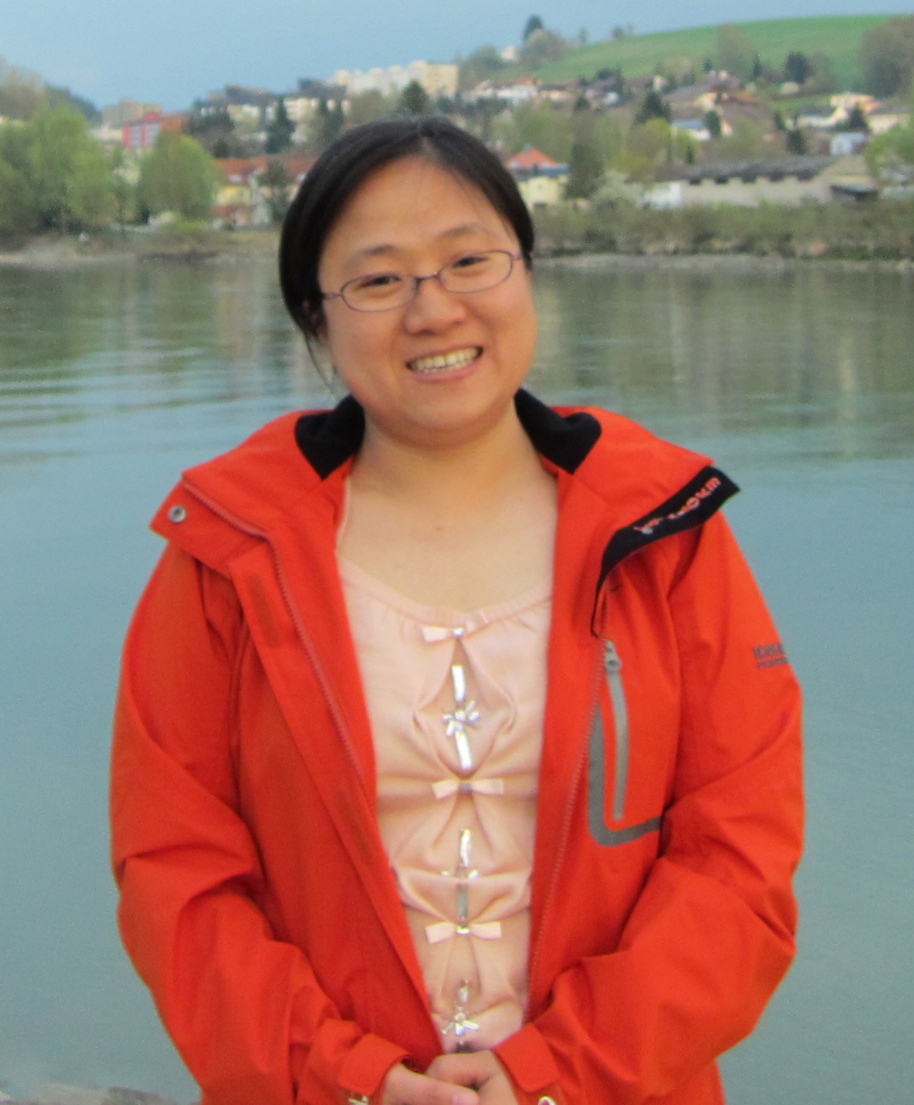 Min Liu (刘敏)合作论文数School of Traditional Chinese Medicine, Beijing University of Chinese Medicine1
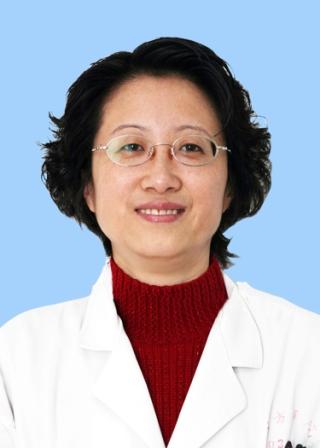 Yang Jiao (焦扬)合作论文数Dongfang Hospital, Beijing University of Chinese Medicine;International School, Beijing University of Chinese Medicine1
 ShanShan Wang (王珊珊)合作论文数School of Humanities, Beijing University of Chinese Medicine1
 Xun Li (李迅)合作论文数School of Traditional Chinese Medicine, Beijing University of Chinese Medicine1
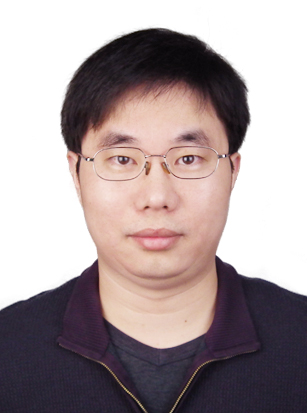 Gang Zhou (周刚)合作论文数School of Traditional Chinese Medicine, Beijing University of Chinese Medicine1
 Yonghua Xiao (肖永华)合作论文数Dongzhimen Hospital, Beijing University of Chinese Medicine1




