Early settlements faced hydrological opportunities and constraints that informed transitions to urban living. Along the way, imbalances between urban expansion and infrastructural development and hydrological systems could threaten the sustainability of growing settlements. Here using archeological data and spatial modeling, we examine 2,106 early settlements dating from 8.5 ka BP to 2.72 ka BP in the middle reaches of the Yangtze River Basin. We trace how the distribution of settlements and hydrological conditions changed over time, focusing on associated trajectories of spatial pattern and hydrological adaptation. Results show that hydrological factors consistently influenced settlement patterns, even as settlements built infrastructure to manage floods and water access. Despite these efforts, cultural decline still occurred, revealing a persistent asymmetry between settlement pattern and hydrological adaptability. Our findings provide historical insight into how long-term vulnerabilities emerged in flood-prone environments, offering perspectives for understanding both past and future challenges in urban sustainability.
From the 18th to the 3rd century BCE, the Central Plains of China had experienced several archaeological cultures, including the Erlitou culture, the Erligang culture, the Yinxu culture, the Western Zhou culture, and the Eastern Zhou culture, which are roughly corresponding to the dynasties of Xia, Shang, and Zhou recorded in transmitted texts. Before the Yinxu culture, however, this corresponding relationship is of great uncertainty, particularly when it involves discussions of the Xia and the early parts of the Shang dynasty. Throughout the entire period, bronzes had played an essential role in China’s material culture in terms of their quantity and social status. Therefore, this period is also regarded as the Bronze Age of China. From the Erlitou to the Yinxu period, the centers of the dynasty were mostly located in the north-central Henan province, such as the sites of Erlitou, Zhengzhou Shang City, and Yinxu. In the meantime, several regional settlements were politically subordinate to the centers (e.g. Panlongcheng and Daxinzhuang) as strategic initiatives to protect the resource supply of the dynasty. From this period on, bronze vessels became the most common ritual objects at the elite level. In the Western Zhou period, the political centers of the dynasty (i.e. Zhouyuan and Fenghao) relocated to present-day Xi'an and surrounding areas in the Shaanxi province, and at Luoyang, Henan province, a new political center (i.e. Chengzhou) emerged to control the vast land in the east. At the periphery, the dynasty set numerous regional states, such as Wey, Yan, Qi, Lu, Zeng, E and so on. The rulers of these regional powers were authorized to be hereditary, but in return, they had to provide military and economic support to the dynasty. People at the elite level could use varying amounts of bronze ritual vessels to present their different social status. Such a Western Zhou way of governing was broken by a foreign invasion. With the decline of the dynasty, regional powers, such as Qi, Jin, Chu, and Qin, raised rapidly in the mid-Spring-and-Autumn period, and formed some powerful regional groups. Culturally, these groups inherited to a great extent the Zhou traditions. In this period, the use of iron led to advances in social productivity, and with the increase of population and the expansion of production scale, communication between people from different regional groups and foreign exchanges became increasingly frequent.
流域空间是承载生活、生产、生态和文化等的容器,是联系不同时间、空间和要素的纽带,也是当前人地关系最紧张的区域之一.在重大国家战略持续关注流域环境全面保护和城乡体系高质量发展的背景下,本次笔谈从地理学、城乡规划、考古学、风景园林等多领域视角,聚焦流域聚落空间的人地关系演化,以及流域空间规划的理论与方法.这需要通过增进对不同流域文明演进轨迹与跨流域文明互动交流的理解,将流域范围内的建筑、地段、城镇、区域与自然环境视为相互影响与依存的"生命共同体",结合水域、土地、景观、遗产等要素,并辅以现代信息技术,开展对流域城乡空间研究与规划的讨论.在流域城乡的"过去-当下-未来""表征-机制-策略"之间搭建起桥梁,并从系统视角、人地适应和综合方法等方面探讨发展策略,顺应国土空间规划的体系需求.
绿松石器和玉器有着相近的物理和社会属性,且都作为中国传统文化代表性元素.本文认为中国古代绿松石器的发展,经历了串饰、礼器、粗装饰、精装饰等四个不同的发展阶段,其早期发展趋向礼仪化,较晚则趋向宝石化.除了二里头的绿松石龙、牌饰作为礼器之外,类似兽面构图的礼器一直延续到中商时期.绿松石的装饰性,不仅在早期国家阶段的礼器,在其他类别的绿松石器,也一直表现出礼仪性.
The Beibai’e cemetery is one of most important archaeological discoveries dating to the early Spring and Autumn period, which could help us to observe and think the social change when the Zhou dynasty moved its capital to the East. The quality of bronze burial objects are poor or their combinations are improvised in general of the Beibai’e cemetery, which reveals the Zhou dynasty stuck into a situation with social and economic troubles that the royal family had to resettle the feudal states, reallocate the national resources and production and solve many other social problems. Such chaos speed up the declining of imperial power,culture, etc. But it also triggered a new social structure during the mid Spring and Autumn period.
曾侯子昃剑现藏于长江文明馆,剑格及剑首铸有铭文28字,器主很可能为一代曾侯.该剑面世后便有学者对其铭文进行了考释[1],其后又被著录于《商周青铜器铭文暨图像集成续编》中[2].不过以往曾国青铜器中从未见过独立的剑类器,流散的曾侯子昃剑真伪就易为人所疑.最近我们受长江文明馆委托,在对该剑进行目视观察的基础上,运用X射线探伤、体式显微镜拍照等方式对其进行了检测.在此对剑的形制、铭文、铸造工艺、年代等若干问题予以刊布和分析.
楼子湾是盘龙城遗址中部的一处岗地,曾配合农田基建进行过抢救性考古发掘,在五十余平方米范围内,发现了建筑遗迹、灰坑和墓葬.其中LWM4是一座长方形土坑竖穴墓,方向350°,墓口 2.55×1.22、墓底2.4×1.1、深0.6米.葬具和人骨已朽,头向北;人骨下的长方形腰坑中有兽骨;墓底铺朱砂,四周有二层台;坑中填褐色土.墓中随葬器物包括青铜、陶和玉器,其中青铜器包括爵、鼎、鬲、戈和钺各一件,斝两件.墓葬被划分为盘龙城第四期,相当于二里岗下层Ⅰ、Ⅱ期①.本文仅分析讨论青铜鬲LWM4:3的风格和工艺问题.
我经常宣称我自己喜欢买贵书.在考古图书中,期刊因为多有财政或项目补贴,一般都比较便宜,像全彩印刷的《考古》和《江汉考古》分别是30元和12元一期,也是全彩但每期洋洋300页的《南方文物》还是30元一期.一般论著虽然小贵,但这些书籍多有各种数字版本,大部分时候可以满足日常所需,购买的意愿已经不强烈了.贵书多是图录——本文专指青铜器图录而言,考古研究经常是看图说话,特别是青铜器这样纹饰、工艺细节很重要的材料,其高清图片就成为刚需,那些信息量浓缩、集中的大型图录尤其成为绕不过去的坎.
中国青铜时代以大量生产和使用青铜礼器独秀于世界早期文明,又影响到其后的中国文化与礼制.正因为如此,中国青铜冶炼和铸造技术的源头一直都是中外学者讨论的热点[1].早些年,因为我国境内发现的早期铜制品较多且分布范围较广,多数学者倾向于中国青铜器及其技术是独立起源[2].21世纪以来,新的特别是在新疆和甘青地区的考古进展让越来越多的学者相信,冶铜术是从西亚地区经过欧亚草原地带、从甘青地区传入中原地区[3].但是,相对于冶炼技术层面认识的进展[4],中国青铜器在铸造技术层面的源头依然并不明朗.
A set of bronze parts, excavated in a funeral pit next to the tomb of Marquis Yi of Zeng (Hubei, China), is recently restored to its rightful shape, a hip-roof tent from the fifth century BCE. Measured 10m long and built with 127 wooden poles and 338 bronze parts, it is considered to be the largest and the most complicated tent in pre-imperial China, which is portable, easy to assemble, disassemble, and manufactured in an engineering design context.
Scholars often overlook stone artifacts in the Bronze Age, but they are important because they remained critical in daily life, agriculture, and other craft production as they were in the earlier Neolithic era, and the production and use of stone artifacts remained a complicated component of the fabric of Bronze Age society. To reveal the complexity of stone artifacts in Bronze Age, this study will use petrographic analysis and geological data to analyze the strategies people at the Bronze Age site of Panlongcheng used to manipulate stone. We conclude that the majority of raw material found at this site came from the foothills of the Dabie Mountain (Dabieshan) to the north of this site, and the choice of materials does not seem to have a strong connection with the function of stone tools.
2012年宜昌万福垴遗址出土一件鸟纹大圆鼎和12件云纹甬钟,其中一件甬钟上有"楚季"铭文,这是当代在江汉地区首次发现性质明确为西周时期的楚国青铜器,同时也确定了万福垴遗址楚文化遗存的性质.万福垴青铜器和过去所见其他西周时期楚国国君青铜器,都具有西周长江流域青铜器的区域文化特征,由此暗示西周时期楚国政治中心应该在江汉地区的南部.从汉水中上游到沮漳河一带西周春秋青铜器和陶器的特征与发展考察可知,楚国不晚于西周中期到达长江沿线的沮漳河一带,并以此作为活动中心.春秋早期楚国重心转移到汉水中上游一带,并延续到春秋晚期.
The landscape of ancient sites has changed greatly with the passage of time. Among all of the factors, human activities and the change in natural environment are the main factors leading to the change in site landscape. The Panlongcheng site, which is located in Hubei Province, China, has a history of 3500 years with the most abundant relics in the Yangtze River Basin during the Shang Dynasty. As a near-water site, the landscape of the Panlongcheng site is greatly affected by water level changes and water conservancy activities. In this paper, by using spatial information technology, the data obtained from land and underwater archaeological exploration were integrated to restore landscapes of Panlongcheng sites in different periods. After removing modern artificial features and topsoil, the landscapes of the sites before the Shang Dynasty, in the Shang Dynasty and modern time were reconstructed. Combining historical records of water level changes, the landscape and water–land distribution of the Panlongcheng site were compared. The analysis results reflect the interaction between water level changes and human activities in this region for thousands of years, and support the archaeological findings in the near-water area of the Panlongcheng site, which provides a new idea for the landscape reconstruction and analysis of near-water sites.
Recent work at the early Shang period type site in Panlongcheng, Hubei Province, China, provides a new understanding of changes in the landscape and water environment over time. In the past few decades, the research at this site has obtained important results and shown progress in many aspects, but few scholars have discussed the geomorphological environment of Panlongcheng, especially the water environment. Researchers have long believed that the present-day environment and landscape of Panlongcheng are no different than during the early Shang period. However, recent archaeological discoveries indicate that there may still be some cultural remains underwater. Therefore, we used a combination of underwater surveys, drilling and digital mapping to expand our knowledge of the landscape of Panlongcheng during the early Shang period. This included mapping the lake basin using single-beam echo sounders and drilling to preliminarily observe the stratum and collect samples from underwater. We also conducted radiocarbon dating on the samples collected from the bottom of the lake. The results suggest that there might not have been a lake during the early Shang period. Therefore, the landscape and environment of Panlongcheng and other related issues should be reexamined. In addition, we hope the methods used in this study can provide a reference for related archaeological work in shallow water areas in inland China.
近年来,考古、博物馆、文物保护等传统文化和文化遗产等行业,得到了空前的壮大和发展,也越来越受到社会的重视和关注.作为这些行业人才培养和输送的一级学科,考古学在高教系统相应地也有了快速的发展.20世纪80年代末,全国高校中仅有十余家考古专业,目前则已超过百家.文物事业这样的发展,对考古专业研究生人才培养提出了相应的要求.由于考古学学科专业性极强,目前进入文博行业如博物馆、考古研究所,以及进入高校考古学系或文物博物馆学系的学生,都要求有硕士或者博士研究生学位.而随着当今考古学的发展,考古学实践性强、充分的多学科协作、越来越多的国际合作、学术成果多元化等等特征凸显,更要求研究生具有较高的学术水准. 在招生规模扩大的同时,要求有更高质量的人才输出,这对目前研究生教学中教师和同学都是一种挑战.近二十年来考古学研究方法、研究内容都有快速的发展,要求教师队伍也应保持有较快的知识系统更新.另一方面,与本科生教学具有较为成熟的系统不同,目前高校考古专业方向的研究生培养相对薄弱.
二里头文化至中商文化之间的盘龙城,到底是一个地方方国还是属于中原王朝政治系统之下?这是一个长期受到讨论而没有一致看法的问题.基于盘龙城一直保持着中原文化特征,也考虑到盘龙城及其周边聚落在区位、分布以及衰退等方面的一致性,本文认为盘龙城是中原王朝直接控制长江中游地区的中心城市,其人群主要来自中原地区.盘龙城的废弃,意味着中原王朝控制南方从方式到策略的改变.
2019年3月,曾伯克父青铜器一组共8件出现在日本东京中央拍卖市场.一时间,从考古学界到社会公众无不愕然.因为这8件青铜器作器者相同、年代特征一致,无疑是同一座墓葬出土.青铜器锈色新鲜,相关器物和铭文也未见于旧有著录,显然不是像拍卖公司所称是中华人民共和国成立前私人旧藏,而应该为新近被盗出境的曾国青铜器.成批被盗文物在境外拍卖,大家的震惊之情可以理解.
曾侯乙帷帐出自曾侯乙墓的陪葬坑,经研究成功复原.复原的帷帐为顶部四面坡式,面阔近10米,这是迄今考古所发现中国公元前最大、最复杂的帷帐.帷帐搭建、拆卸和运输方便,在制作和设计上以青铜构件为核心,将构件设计成不同的形制,以达到不同的连接功能,满足不同的使用需求,设计具有当代工业和建筑设计理念.
古代中国青铜器多是用作礼器并在西周中晚期形成了成熟的器用制度,成为早期国家社会阶层的物化标识.不过,器用制度有一个走向成熟的过程.二里头文化时期,青铜器开始有了规模化生产,责重的青铜器作为礼器的特质开始显现.二里冈文化晚期,青铜器器物的数量和类别大大增加,说明青铜器的生产有了很大的发展.此时青铜器中觚、爵、斝为形式的组合形成,并以不同套数的组合标识等级高低;同时,青铜器还以体量的大小标识等级的高低;装饰也成为礼器重要程度的标志.总的看来,二里冈文化时期青铜器以组合方式、数量与体量、装饰等形式,来表达礼器的特质.这样的形式,也基本就是西周中晚期器用制度成熟期的方式.这说明二里冈文化晚期,青铜礼器的外在表达形式基本成形,青铜器作为社会最重要礼器的地位已经形成.
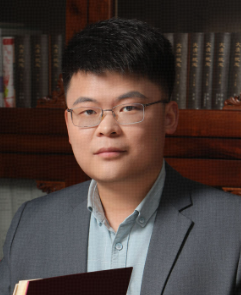 Qiushi Zou (邹秋实)合作论文数School of History, Wuhan University4
 Tao Wang (汪涛)合作论文数4Xiaojia Tang合作论文数3Xin Su合作论文数2Ruiliang Liu合作论文数Dept Asia, British Museum2
 Beichen Chen (陈北辰)合作论文数School of History Capital Normal University2Xudong Jiang (江旭东)合作论文数1Chen Lixin (陈丽新)合作论文数1Xueting Li (李雪婷)合作论文数1Xu Liu (刘绪)合作论文数1
 Zhichun Jing合作论文数Department of Anthropology, Faculty of Arts, The University of British Columbia1HuaiYing Chang (常怀颖)合作论文数1ZhanWei Yue (岳占伟)合作论文数1JianYu Liu (刘建宇)合作论文数1YuLing He (何毓灵)合作论文数1BoQian Li (李伯谦)合作论文数1
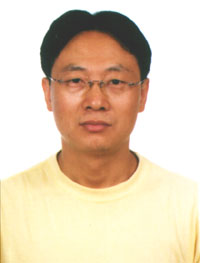 Rongyu Su (苏荣誉)合作论文数Institute for the History of Natural Sciences, Chinese Academy of Sciences1
 Fenghan Zhu (朱凤瀚)合作论文数Department of History, Peking University1
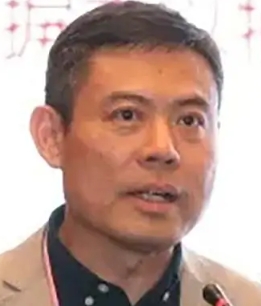 Kai Wang (王凯)合作论文数China Academy of Urban Planning and Design1
 Yu Liu (刘煜)合作论文数中国社会科学院考古研究所1
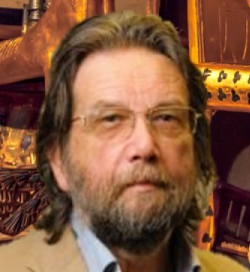 Mark Pollard合作论文数School of Archaeology, University of Oxford1
 Jessica Rawson合作论文数School of Archaeology, University of Oxford1
 Chunhai Li合作论文数1
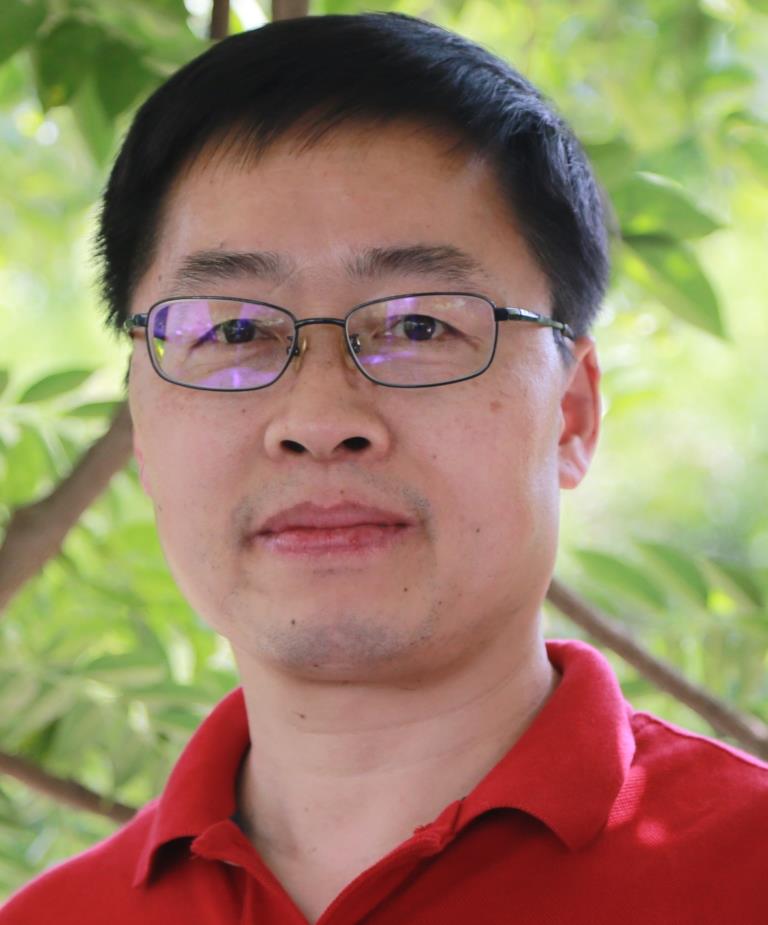 Hualou Long (龙花楼)合作论文数Institute of Geographic Sciences and Natural Resources Research, Chinese Academy of Sciences;University of Chinese Academy of Sciences1
 Fang Wang (汪芳)合作论文数College of Architecture and Landscape, Peking University1
 Tianhong Li (李天虹)合作论文数School of History, Wuhan University;Archaeological Institute for Yangtze Civilization, Wuhan University1
 Anrong Dang (党安荣)合作论文数School of Architecture, Tsinghua University1
 Jianfeng Liu合作论文数and Department of Electrical Engineering, IMEC vzw1
 Zhuo Sun (孙卓)合作论文数School of History, Wuhan University1
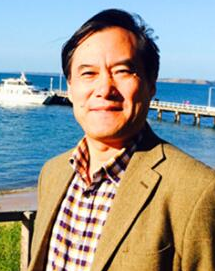 Genyou Wu (吴根友)合作论文数School of Philosophy, Wuhan University1
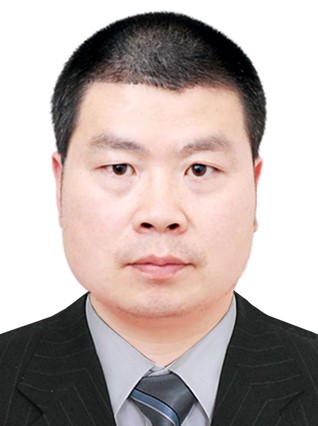 Qingwu Hu (胡庆武)合作论文数School of Remote Sensing and Information Engineering, Wuhan University1
 Xueqin Li (李学勤)合作论文数Tsinghua University;National Museum of Chinese Writing1Wang Zhankui (王占奎)合作论文数1
 Binyi Liu (刘滨谊)合作论文数College of Architecture and Urban Planning, Tongji University1Zhenyu Chen (陈振裕)合作论文数1
 Hui Chen (陈晖)合作论文数School of Arts, Wuhan University1Shuchun Yao (姚书春)合作论文数Nangjing Institute of Geography & Limnology, Chinese Academy of Sciences;University of Chinese Academy of Sciences1Qin Fang (方勤)合作论文数1
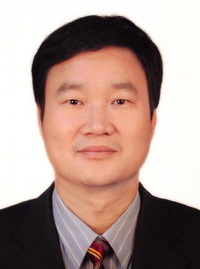 Guangkuo Yuan (袁广阔)合作论文数School of History Capital Normal University1
 Sanyuan Zhu (朱三元)合作论文数State Key Laboratory of Advanced Environmental Technology, Guangzhou Institute of Geochemistry, The Chinese Academy of Sciences;University of Chinese Academy of Sciences1Heqing Huang (黄河清)合作论文数1




