This dataset comprises 400 gas chromatography-mass spectrometry (GC-MS) chromatograms, recorded in total ion current mode, of a test mixture containing 38 fatty acid methyl esters (FAMEs). The mixture contains saturated (8:0–24:0), monounsaturated (14:1–24:1), di- and polyunsaturated (18:2–22:6) fatty acids, including positional isomers of the double bonds. Chromatograms were acquired on a highly polar HP-88 capillary column under both isothermal and temperature-programmed (linear heating) conditions, utilizing two carrier gas control modes: constant helium flow (1 mL/min) and constant pressure (30 psi). This dataset facilitates the selection of optimal parameters for the efficient separation of FAME mixtures. Furthermore, it can be utilized to develop analytical methods for identifying individual fatty acids using instrumentation lacking a mass spectrometric detector, and to construct models describing the relationships between the chromatographic properties of FAMEs and their molecular structures—specifically, acyl chain length and the number and position of double bonds.
The positional distribution of fatty acids (FAs) in Vischeria punctata strain IPPAS H-242 during nitrogen starvation was analysed, and 22 individual FAs were identified in total lipids, TAGs, and native sn-1,2-diacylglycerols, comprising both saturated and polyunsaturated FAs. The predominant FAs were 14:0, 16:0, 16:1n-7, 18:1n-9, and 20:5n-3, accounting for more than 98.5% of the total FAs. TAGs demonstrated unique regioselectivity, with stearic, oleic, and eicosapentaenoic acids acylating the molecules at sn-1 and sn-3 positions. Instead, the sn-2 position was acylated with myristic, palmitic (8.4% and 40.1%, respectively) and palmitoleic (50.6%) acids, resulting in a total contribution of 99.1% from these three FAs. Palmitic, palmitoleic, and oleic acids made up 7.5, 73.9, and 13.1% of the sn-1(3) positions, respectively, or 94.5% in total. The molecular types of TAGs that accumulated in the cells of the microalga Vischeria punctata were as follows: UUU, 41.3%, and USU, 39.2%; TAGs of the UUS and USS types accounted for 9.4% and 9.0%, respectively. Tripalmitoleoyl-triacylglycerol, sn-1,3-dipalmitoleoyl-2-palmitoyl-glycerol, rac-1-oleoyl-2,3-dipalmitoleoyl-glycerol, and rac-1-oleoyl-2-palmitoyl-3-palmitoleoyl-glycerol were found as the most common molecular species of TAGs. Thus, Vischeria punctata strain IPPAS H-242 may be considered as a potential producer of structured TAGs with palmitic acid at the sn-2 position and palmitoleic acid at the sn-1 and sn-3 positions. The subsequent hydrolysis of such TAGs by pancreatic lipase produces palmitoleic acid and sn-2-palmitoylglycerol that have significant nutraceutical value and serve as a source of digestible palmitic acid for infant nutrition.
Fatty acid desaturases (FADs) belong to of the oxygenase superfamily. They play important roles in metabolic pathways and adaption mechanisms in a wide range of organisms, including bacteria and humans. These enzymes dehydrogenate a single bond in the acyl chain of fatty acids (FAs), forming a double bond. Multiple parameters influence the precise position of double bond formation and acyl chain docking in the catalytic pocket of various FADs, such as the length of an acyl chain, the position of previously generated double bonds, the location of the enzyme's metal catalytic site, and so on. The "counting" mode differs from one FAD to another. The cyanobacterium Synechocystis sp. strain PCC 6803 has four FADs (D9, D12, D6, and D15 or w3) that synthesize mono-, di-, tri-, and tetraenoic FAs. The substrate preferences and "counting" modes for the first three FADs have been identified, but the substrate specificity for the terminal w3-FAD remains uncertain. We used molecular cloning, heterologous expression with exogenous FAs, and molecular docking to explore the substrate selectivity and counting mode of w3-FAD. Our results show that w3-FAD "counts" from the carboxyl (D) end, introduces a double bond between 15 and 16 atoms, and requires a specific acyl substrate configuration with two pre-existing double bonds at D9 and D12 positions. (c) 2025 Elsevier B.V. and Soci & eacute;t & eacute; Fran & ccedil;aise de Biochimie et Biologie Mol & eacute;culaire (SFBBM). All rights are reserved, including those for text and data mining, AI training, and similar technologies.
Fatty acid desaturases (FADs) represent a class of oxygen-dependent enzymes that dehydrogenate C-C bonds in fatty acids (FAs) producing unsaturated C=C bonds that markedly change the properties of lipid membranes, which is critical for protein and lipid diffusion, perception and transduction of environmental signals, cell division, etc . Membrane-located FADs (acyl-lipid FADs of plants and bacteria, as well as animal acyl-coenzyme A (CoA) FADs) are highly conserved from viruses to human. These enzymes are highly specific towards their acyl substrates, as well as towards the position and geometric configuration of the newly introduced cis double bonds. The regiospecificity of soluble Acyl-Carrier-Protein (ACP) Δ9-FADs was determined relative to the carboxyl end of the FA. Similar regiospecificity was suggested for acyl-lipid and acyl-CoA FADs Δ9-FADs. It was previously thought that acyl-lipid Δ12-FADs (also known as ω6-FADs) also count from the carboxyl terminus of an FA. However, heterologous expression and supplementation of model yeast or cyanobacterial strains with exogenous monounsaturated odd- and even-chain FAs revealed that plant and cyanobacterial acyl-lipid Δ12-FADs use neither end of the FA (Δ or ω) as a counting reference point; but count three carbons toward the methyl end from an existing double bond in the monoene precursors irrespective of FA chain length. Δ6-FADs appeared to 'count' from the carboxyl terminus. ω3-FADs that contribute to unsaturation of C16-C18 FAs of membrane lipids, in fact, are Δ15-FADs that also 'count' from the C-terminus of acyl chains. The exact knowledge of counting order is crucial for understanding the modes of FADs activities and for further construction of biochemical pathways for biosynthesis of polyunsaturated FAs.
This article represents the first consideration of the peculiarities of the fatty acid (FAs) composition and structure of storage triacylglycerols (TAGs) of the relict plant Lunaria rediviva L. The composition of storage TAGs was found to comprise 21 individual FAs, with an unsaturated FA content of 96.8%. Additionally, monounsaturated acids with a very long chain (VLCFAs), specifically C20:1–C24:1, constituted over 60% of the total FAs. The ethylene bond position isomers of unsaturated FAs were accurately identified and the presence of unusual isomers, including 20:1Δ13, 22:1Δ15, and 24:1Δ17 acids. Furthermore, the unusual minor 24:2Δ15,18 acid was identified and characterised for the first time. The pathways of the mentioned VLCFA’s biosynthesis have been proposed. The distribution of FA acyls between the sn positions of triacylglycerols was found to be highly specific. Thus, VLCFAs exclusively acylate the α positions of the carbon atoms of the glycerol residue of the TAG molecule (sn-1 and sn-3 positions), while unsaturated C18 acids exclusively acylate the β-carbon atom (sn-2 position). The composition of the molecular species of TAGs was analysed using a calculation method based on the Vander Wal model and by RP-HPLC-ESI-MS. A significant discrepancy from the statistical model was observed, indicating a preference for the formation of symmetrical TAGs, such as sn-1,3-dierucoyl-2-oleoyl-glycerol and related molecular species. This observation led to the formulation of a hypothesis regarding the potential existence of at least two specialised enzyme isoforms involved in the biosynthesis of such TAGs via the Kennedy pathway, exhibiting unusual substrate specificity. Consequently, this plant can be regarded not only as a producer of unusual molecular types of triacylglycerols but also as a source of genetic material for the search of genes encoding the aforementioned enzymes with unusual substrate specificity.
Fatty acid desaturases (FADs) belong to of the oxygenase superfamily. They play important roles in metabolic pathways and adaption mechanisms in a wide range of organisms, including bacteria and humans. These enzymes dehydrogenate a single bond in the acyl chain of fatty acids (FAs), forming a double bond. Multiple parameters influence the precise position of double bond formation and acyl chain docking in the catalytic pocket of various FADs, such as the length of an acyl chain, the position of previously generated double bonds, the location of the enzyme's metal catalytic site, and so on. The "counting" mode differs from one FAD to another. The cyanobacterium Synechocystis sp. strain PCC 6803 has four FADs (Δ9, Δ12, Δ6, and Δ15 or ω3) that synthesize mono-, di-, tri-, and tetraenoic FAs. The substrate preferences and "counting" modes for the first three FADs have been identified, but the substrate specificity for the terminal ω3-FAD remains uncertain. We used molecular cloning, heterologous expression with exogenous FAs, and molecular docking to explore the substrate selectivity and counting mode of ω3-FAD. Our results show that ω3-FAD "counts" from the carboxyl (Δ) end, introduces a double bond between 15 and 16 atoms, and requires a specific acyl substrate configuration with two pre-existing double bonds at Δ9 and Δ12 positions.
The genus Euonymus (L.) consists of shrubs and woody plants, distributed mainly in the Northern Hemisphere. Several hundred of secondary metabolites have been isolated from Euonymus spp. In addition, fatty oil was found in the fruits of some Euonymus spp., which accumulates not only in the seeds but also in the arils. This study presents the research of unique over ten-year-old suspension cell cultures of the endemic plant Euonymus maximoviczianus Prokh., obtained from the aril tissue of unripe capsules. The suspension cells retain the ability to form oil droplets containing neutral lipids. Both cells growing in the dark (Em-D culture) and cells growing in the light (Em-L culture) can synthesize very-long-chain fatty acids (VLCFAs) as well as cyanidin-3-O-hexoside, delphinidin-3-O-hexoside, and peonidin-3-O-hexoside. Here, we researched the VLCFA and anthocyanin accumulation dynamics during subcultivation, as well as the influence of methyl jasmonate (MeJA) and light on these processes. In the darkness, the formation of VLCFAs was more intense, while the biosynthesis of anthocyanins was significantly activated in the light. In Em-L cells, more than 76% of anthocyanins were represented by cyanidin-3-O-hexoside, and in Em-D cells delphinidin-3-O-hexoside was more actively synthesized (45%). MeJA substantially enhanced the accumulation of anthocyanins (especially in the light) and, surprisingly, the formation of VLCFAs in both Em-L and Em-D cell cultures. The possible competition between the biosynthetic pathways of VLCFAs and anthocyanins is discussed in connection with the commonality of the cytosolic pool of their precursor, malonyl-CoA.
The cyanobacterial strain Cyanobacterium sp. IPPAS B-1200 isolated from Lake Balkhash is characterized by high relative amounts of myristic (30%) and myristoleic (10%) acids. The remaining fatty acids (FAs) are represented mainly by palmitic (20%) and palmitoleic (40%) acids. We expressed the genes for lysophosphatidic acid acyltransferase (LPAAT; EC 2.3.1.51) and Δ9 fatty acid desaturase (FAD; EC 1.14.19.1) from Cyanobacterium sp. IPPAS B-1200 in Synechococcus elongatus PCC 7942, which synthesizes myristic and myristoleic acids at the level of 0.5–1% and produces mainly palmitic (~60%) and palmitoleic (35%) acids. S. elongatus cells that expressed foreign LPAAT synthesized myristic acid at 26%, but did not produce myristoleic acid, suggesting that Δ9-FAD of S. elongatus cannot desaturate FAs with chain lengths less than C16. Synechococcus cells that co-expressed LPAAT and Δ9-FAD of Cyanobacterium synthesized up to 45% palmitoleic and 9% myristoleic acid, suggesting that Δ9-FAD of Cyanobacterium is capable of desaturating saturated acyl chains of any length.
The microalgae Vischeria sp. IPPAS C-70 produces eicosapentaenoic acid. Several stresses cause the formation of fatty acid peaks that resemble hexadecadienoic acids. We used the integrated technique including TLC, HPLC, and GC–MS to search and determine these fatty acids. Double bond positioning in these fatty acids indicated that they were conjugated dienes and allenes. We identified and described natural nine isomers of C16 polyunsaturated fatty acids, including common methylene-interrupted dienes (Δ6,9-16:2, Δ7,10-16:2, Δ9,12-16:2), and unusual conjugated dienes (Δ6,8-, Δ7,9-, Δ8,10-, Δ9,11-, and Δ10,12-16:2), as well as allenic diene (Δ9,10-16:2). We hypothesize that the formation of conjugated dienes and allenes among fatty acids is the result of oxidative stress caused by H2O2. Hydrogen peroxide also caused an increase in saturated at the expense of unsaturated fatty acids, suggesting inhibition either fatty acid desaturases activities or the corresponding gene expression.
Callus and suspension cell cultures were successfully developed from Sutherlandia frutescens (Fabaceae), an endemic medicinal plant of South Africa. Two callus cell lines, originating from hypocotyl and cotyledon explants of in vitro seedlings under both dark and light conditions, showed intensive fresh weight accumulation with growth index ranging from 4.6 to 5.9. Suspension cell cultures induced from two callus lines had similar growth profiles and their growth index (15–18), specific growth rate (0.15–0.16 day−1), productivity (0.83–0.96 g/(l day)) and maximum biomass accumulation (16–18 g/l) remained relatively high for Fabaceae cell cultures during 27 sub-cultivations. Callus and suspension cell cultures showed similar profiles of secondary metabolites that were, however, different from leaves of greenhouse plants. Isoflavones were predominant in both callus and suspension cell cultures while flavonoids (sutherlandins) and triterpene glycosides of the cycloartane group (sutherlandiosides) were mostly found in leaves. Nineteen fatty acids (FA), both short- and very-long-chained (up to C25:0), were found in cell cultures. Linoleic and α-linolenic FA together comprised 60–64
Emergence of sn-1,2-diacylglycerol-3-acyltransferases (DGATs)-the key enzymes of triacylglycerol (TAG) biosynthesis-may be regarded as an important aromorphosis in the evolution of the organic world in general and that of plants in particular. In fact, the newly originated ability to store carbon, energy, water, and "building blocks" in a form of hydrophobic compounds enabled increasing the "capacity" of storage compounds in the cells and to simultaneously reduce volumes of storage organs. DGATs are present in almost any organisms from myxomycetes, mosses, fungi, and algae to mammals, including humans. Although these enzymes are so widespread in a world of live matter, it is difficult to follow principles of their organization, evolution, and functioning because an organism may possess several DGATs belonging to different types, differently localized in the cell, and employing different substrates or competing for one substrate. They are relatives owing to only one common function-the transfer of a fatty acid residue from acyl-CoA to sn-1,2-diacyl-glycerol yielding a TAG molecule. In some cases, DGATs can acylate sterols, higher fatty alcohols, and other substrates bringing about the same product. Intense investigations of these enzymes have been continuing for the last 50 years and they present more questions than answers so far. However, clear comprehension of the traits of organization and function of DGATs opens up fantastic prospects in biotechnology and genetic engineering of functional lipids for food and pharmaceutical industries, and agriculture. This review attempts to summarize the recent data on structural and functional peculiarities of DGATs, effects of endogenous and exogenous factors on the expression levels of their genes, and the adaptive roles of these genes in the evolution of living organisms.
Fatty acid desaturases (FADs) play important roles in various metabolic and adaptive pathways in all living organisms. They represent a superfamily of oxygenases that introduce double bonds into the acyl chains of fatty acids (FAs). These enzymes are highly specific to the length of the carbon chain, position of double bonds formation, etc. The modes by which FADs “count” the position of the double bond formation may differ. In cyanobacteria, the first double bond is formed between 9th and 10th carbons (position Δ9), counting from the carboxylic end of an FA. Other FADs that produce polyunsaturated FAs may introduce double bonds counting from the carboxyl (Δ) or methyl (ω) terminus, or from a pre-existing double bond towards carboxyl or methyl terminus of an FA chain. Here, we expressed the desD gene for the Δ6-FAD from Synechocystis sp. PCC 6803 in Synechococcus elongatus PCC 7942 (which is capable of synthesizing only monoenoic FAs desaturated mainly at position Δ9) and observed the appearance of unusual monoenoic FAs desaturated at position Δ6, as well as Δ6,9 dienoic FAs. Exogenously added cis-10-heptadecenoic acid (17:1Δ10) was converted into cis-6,10-heptadecadienoic (17:2Δ6,10). These data demonstrate the ability of Δ6-FAD to introduce the first double bond into the unsaturated substrates and suggests that it “counts” from the carboxyl end, irrespective of the absence or presence of a previous double bond in an FA chain.
Strain Сhlorella sp. IPPAS C-1210 is an effective lipid and triacilglycerols (TAG) producer. The strain could be used eventually in such industries as bioenergetics, food industry and agriculture. The objective of this work was investigation of conditions in which the strain Сhlorella sp. IPPAS C-1210 accumulates the most starch and TAG in cells with a view to optimise its growth and productivity. The following cultivation parameters were investigated in order to figure out their influence on accumulation of starch and TAG: nitrogen- and phosphorous-starvation and cultivation on media with different nitrogen (nitrate, urea) and carbon (carbon dioxide, bicarbonate) sources. Pigments, starch, protein and lipid content in cells were measured. The exclusion of nitrogen or phosphorus source from medium decreased the biomass productivity significantly, caused chlorosis and reduction of protein content. Total lipid content increased slightly after phosphorous starvation and stayed almost constant under nitrogen starvation, however a greater TAG increase was observed during nitrogen starvation. Both nitrogen and phosphorous starvations caused the increase of the amount of reserve carbohydrates: during phosphorous starvation increase was insignificant, whereas the latter almost doubled the amount of reserve carbohydrates. The highest biomass and lipid productivity was observed in cells grown in bicarbonate supplement medium and the highest starch productivity was observed in cells grown in standard BBM-3N medium.
The strain IPPAS H-242 is an eustigmatophycean alga with good growth characteristics and high content of the long chain polyunsaturated eicosapentaenoic fatty acid (EPA) ? a very-long-chain fatty acid with high nutraceutical value. In this study, based on 18S rRNA gene and ITS1?5.8S?ITS2 sequences the strain IPPAS H-242 was identified as an authentic strain of Vischeria punctata. The effect of salt stress (0.5 M NaCl) on growth, cell morphology, ultrastructure, and biochemical composition with the emphasis on the fatty acid (FA) profile was investigated in batch cultures. Under salt stress, biomass accumulation and cell division were severely inhibited; cells were bigger, with higher chloroplast volume and numerous mitochondria, they had more proteins (73 % from the initial concentration as compared to 23 % in control) and their lipids had higher EPA proportion (13.6 % of total FA as compared to 6.4 % of total FA in control). In salt-stressed cells, thylakoid organization and photosynthetic activity were impaired, and D1 protein content decreased to trace amounts. In spite of an increase in EPA proportion in total FA, salt stress causes a decrease in total EPA productivity (49 mg/L as compared to 130 mg/L in control).
The physiological characteristics of the callus cell cultures of Alhagi persarum Boiss et Buhse, a member of the legume family, widely used in folk medicine, have been studied. It was shown that the source of the explant was an important factor in the initiation of callusogenesis: more intense callusogenesis (almost 100%) was observed for explants from various organs of sterile seedlings, rather than intact plants (less than 30%). As a result, more than 20 lines of morphologically different callus cell cultures were obtained, and the growth parameters for the 5 most intensively growing lines were determined. The composition of fatty acids (FA) of total lipids and secondary metabolites in the most physiologically stable callus line Aр-207 was analyzed. Using capillary gas-liquid chromatography with mass spectrometric detection (GLC-MS), 19 individual C12--C24 FAs were identified, the main fraction of which were palmitic (~ 23%), stearic (~ 22%), linoleic (~ 14%) and α-linolenic (~ 33%) acids. The established atypical ratio of FAs (a simultaneous high content of both saturated FAs and polyunsaturated α-linolenic acid) is possibly due to the adaptation of cells to in vitro growth conditions. Phytochemical analysis of the secondary metabolites was carried out using ultra-performance liquid chromatography with electrospray ionization mass spectrometric detection (UPLC MS). Compounds belonging to different structural groups of isoflavones were found. Aglycones (calycosin, formononetin and afrormosin isomer), glucosides (formononetin glucoside), as well as esters of glucosides (malonylglycosides of calicosin, formononetin, afrormosin isomers, glycitein and genistein) were detected. These secondary metabolites are widespread in plants of the Fabaceae family; however, isoflavones are rare in representatives of the Alhagi genus. The presence of malonylated isoflavone glycosides in Alhagi spp. was shown for the first time. endemic plant species, Alhagi, in vitro cell culture, callus cell culture, isoflavones, fatty acids All studies were carried out using the equipment of the "Experimental Biotechnological Facility" and the "All-Russian Collection of Cell Cultures of Higher Plants" of IРР RAS. This work was supported by the Russian Foundation for Basic Research (RFBR), contract no.18-54-06021 (Az_a), and the Government of the Russian Federation, Megagrant Project no. 075-15-2019-1882.
The study examined the relationship between the contents of principal flavones of Scutellaria baicalensis Georgi and the activity of endogenous b-glucuronidase (sGUS) in differentiated and undifferentiated in vitro cultures grown on solid and liquid medium. Using RP-HPLC, it was shown that sGUS activity did not correlate with the increase in biomass of cultures, but depended on tissue differentiation. In hairy roots cultured both on liquid and solid medium, it was ten times higher than in undifferentiated cultures. At the same time, the share of aglycone forms in the total content of flavones during the culture cycle depended on the growing conditions. It was significantly higher on agar medium than on liquid medium. A correlation between sGUS activity and total aglycone content, as well as wogonin content, was observed only in hairy roots grown in the liquid medium.
The compositions of neutral lipids (NL) from fruit ofL. barbarum, commercially available (I) and introduced (II), and wildL. ruthenicum(III) were studied. The contents of NL in fruit of I (6.1%), II (3.7%), and III (7.54%) and the fatty acid (FA) compositions were determined. The class composition of NL from I, II, and III was established. The FA compositions of all acyl-containing NL classes were determined. The position-forms (21 forms) and types (4 types) of the triacylglyceride (TAG) compositions of II were established using pancreatic hydrolysis. It was shown that the 2-position in TAG molecules was occupied mainly by unsaturated FA.
A search for strains capable of the simultaneous production of high amounts of several biologically valuable compounds and/or high biomass productivity has been carried out. The growth characteristics and biochemical composition of 12 microalgal and cyanobacterial strains from the IPPAS Collection were studied at the exponential and stationary growth phases. All of the strains had high growth rates (a doubling time of 6–22 h). The strains Cyanobacterium sp. IPPAS B-1200, Chlorella sp. IPPAS C-1210, Nannochloris sp. IPPAS C-1509, Cyanidium caldarium IPPAS P-510, and Vischeria sp. IPPAS H-242 demonstrated the highest biotechnological potential and can be used for the production of various types of biofuel, pigments, and feed and food additives, including those with a high content of eicosapentaenoic acid (20 : 5 Δ5, 8,11, 14, 17).
Fatty acid desaturases (FADs) represent a class of oxygen-dependent enzymes that dehydrogenate C-C bonds in the fatty acids (FAs) producing unsaturated C = C double bonds that markedly change the properties of biological membranes. FADs are highly specific towards their acyl substrates, the position and configuration of the introduced double bonds. The double bond positioning of soluble acyl-carrier-protein Delta 9-FADs was determined relative to the carboxyl end of a FA. Similar mode was suggested for the acyl-lipid Delta 12-FADs (also known as omega 6-FADs), however, their exact counting order remain unknown. Here we used monounsaturated odd(17:1 Delta(10)) and even-chain (18:1 Delta(11)) FAs to show that acyl-lipid Delta 12-FADs of, at least, two cyanobacterial species, Gloeobacter violaceus and Synechocystis sp. strain PCC 6803, use neither end of the fatty acid (Delta or omega) as a counting reference point; but count three carbons toward the methyl end from an existing double bond in the monoene precursors irrespective of a FA chain length. (C) 2020 Elsevier B.V. and Societe Francaise de Biochimie et Biologie Moleculaire (SFBBM). All rights reserved.
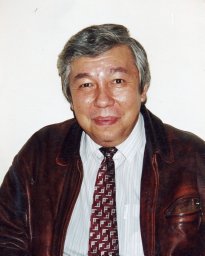 Vladimir Tsydendambaev合作论文数Timiryazev Institute of Plant Physiology, Russian Academy of Sciences20
 Dmitry A. Los合作论文数Institute of Plant Physiology, Russian Academy of Sciences19
 Maria Sinetova合作论文数14
 Mironov Kirill S合作论文数Institute of Plant Physiology, Russian Academy of Sciences9
 V. P. Pchelkin合作论文数7
 а в жуков合作论文数6Bedbenov Vladimir S合作论文数6
 Bolatkhan Zayadan合作论文数Department of Biotechnology, Al-Farabi Kazakh National University6Alexander Y Starikov合作论文数5O.S. Pavlenko合作论文数5
 Chekanov Konstantin合作论文数Faculty of Biology, Moscow State University5
 Elena Lobakova合作论文数5M.S. Pakholkova合作论文数4
 Alexei Solovchenko合作论文数Faculty of Biology, Lomonosov Moscow State University4Anatoly V Zhukov合作论文数4A. Yu. Starikov合作论文数3
 S. Goriainov合作论文数Peoples Friendship Univ Russia3
 Artem A. Fomenkov合作论文数3Vereshchagin Andrei G合作论文数3Alexander Voronkov合作论文数3O. B. Chivkunova合作论文数3Andrei G Vereshchagin合作论文数3Elena V. Kupriyanova合作论文数2Alexander V. Nosov合作论文数2K. Bolatkhan合作论文数2D O Goguè合作论文数2T. R. Kravzova合作论文数2в п пчёлкин合作论文数2н а трусов合作论文数2А. Ю. Стариков合作论文数2I. N. Chubchikova合作论文数2
 Vasily Klimov合作论文数2Elena N Gorshkova合作论文数2
 I. E. Kuznetsova合作论文数2
 Elina Chelebieva合作论文数2
 Lidia Bobrovnikova合作论文数2Mikhail Berestovoy合作论文数2
 David Gabrielyan合作论文数2
 Ye. G. Sakhon合作论文数2
 Svetlana Medvedeva合作论文数2A. A. Tyurin合作论文数2
 Tatyana V Savchenko合作论文数Univ Calif Davis, Dept Plant Biol, Davis, CA 95616 USA2
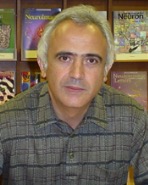 Suleyman Ifkhan Allahverdiyev合作论文数Photosynthesis and Hydrogen Energy Laboratory, Bahçeşehir University;Moscow Institute of Physics and Technology, Lomonosow Moscow State University;Bionanotechnology Laboratory, Institute of Molecular Biology and Biotechnology, Azerbaijan National Academy of Sciences;Department of New Biology, Daegu Gyeongbuk Institute of Science and Technology;Institute of Basic Biological Problems, Russian Academy of Sciences;Controlled Photobiosynthesis Laboratory, K.A. Timiryazev Institute of Plant Physiology, Russian Academy of Sciences;Al-Farabi Kazakh National University;College of Science, King Saud University;Foshan University2
 Maria Shumskaya合作论文数Lehman College, City University of New York2Khristin M S合作论文数2
 Konstantin Tikhonov合作论文数2
 Valentina Kholodova合作论文数2
 Elena A Selivanova合作论文数2
 Anna Stepanova合作论文数2




