Introduction: The aim of present study was to evaluate the impact of perimenopause on insulin resistance. Specifically, insulin sensitivity was assessed in a perimenopausal mouse model treated with 4-vinylcyclohexene diepoxide (VCD), together with the changes in exosomal miRNA and hepatic mRNA expression profiles. Methods: Homeostasis model assessment of insulin resistance (HOMA-IR) was utilized to assess the status of insulin resistance, and insulin action was evaluated during menopausal transition. RNA sequencing (RNA-seq) analysis was used to identify altered expression profiles of exosomal miRNAs and hepatic mRNAs. Differentially expressed miRNA (DEM)-differentially expressed gene (DEG) network analyses were also conducted. Furthermore, altered expression levels of these exosomal miRNAs and genes were validated in plasma exosomes and liver tissue of perimenopausal mice. Results: HOMA-IR in VCD-treated mice was significantly increased, and hepatic glycogen was significantly decreased. Key exosomal miRNAs (miR-17-3p, miR-134-5p, miR-700-5p, and miR-6899-3p) and hepatic genes (G6pdx, Ptpn2, Lepr, Kras, and Braf) may be associated with impaired insulin signaling during perimenopause. Conclusion: The perimenopausal period acts as a potential factor in introducing insulin resistance as evidenced by impaired insulin action and altered expression profiles of exosomal miRNAs and hepatic genes. The present study contributes to the understanding that abnormal cargos carried by plasma exosomes, such as miRNAs, may be related to altered expression of the corresponding genes in the liver and abnormal insulin response.
Dendritic cells (DCs) are the most potent antigen-presenting cells with multifaceted functions in controlling immune activation and tolerance. Graves' disease, particularly Graves' ophthalmopathy, is recognized as a refractory autoimmune thyroid disease. Therefore, DC-targeted therapies aimed at inducing specific immune tolerance are important for the treatment of Graves' disease. Therefore, we utilized polylactic acid glycolic acid polymer (PLGA) polymer nanoparticles (NPs) encapsulating Graves' disease auto-antigen thyrotropin receptor A (TSHR-A) peptide and the immune tolerance inducer rapamycin (Rapa) to synthesize drug-loaded NPs (NP (TSHR-A + Rapa)). We first characterized the synthesized nanodrugs using transmission electron microscopy and dynamic light scattering techniques and tested the uptake capacity of DCs for NPs after co-culturing the NPs with DCs. And the safe concentration of NPs to DCs was detected using Cell counting kit-8 (CCK-8) assay. Subsequently, we tested the targeting and safety of the NPs in mice. And the effects of NPs on the proportion and proliferation of DCs and regulatory T (Treg) cells were examinedin vivoandin vitrousing flow cytometry and 5-ethynyl-2'-deoxyuridine (EdU) method, respectively. Enzyme linked immunosorbent assay (ELISA) assays were used to detect the effect of NPs on cytokine release from DCs. Finally, we tested the preventive and therapeutic effects of the synthesized NPs on disease models. Our results showed that the synthesized NPs were well taken up by DCsin vitro, whilein vivothey were mainly targeted to the spleen of mice. The NPs were able to relatively inhibit the maturation of DCsin vivoandin vitro, while affecting the release of relevant cellular functional factors from DCs, and the NPs also promoted the proportion and proliferation of Treg cellsin vivoandin vitro. In addition, the synthesized NPs were able to prevent and improve the mouse disease model well without toxic side effects on mouse organs and other physiological indicators. Therefore, the synthesis of NP (TSHR-A + Rapa) NPs using PLGA encapsulated TSHR-A and rapamycin could be used as targeting DCs to alter immune tolerance and as a new potential approach for the treatment of Graves' disease.
Ethnopharmacological relevance: Polygonatum cyrtonema Hua (Huangjing) is a Chinese herb that is considered by ancient Chinese healers to have the effect of nourishing yin and moisturizing the lungs. It is clinically used to treat diseases of the pulmonary system, including non-small cell lung cancer. However, the precise active components and underlying mechanisms of Huangjing in the context of treating NSCLC remain uncertain. Aim of the study: This study aimed to explore the active components and mechanisms of Huangjing for the treatment of NSCLC by means of data mining, network pharmacology, and in vitro and vivo experiments. Materials and methods: First, the main active compounds and key targets of Huangjing were predicted by network pharmacology. The potential key targets of Huangjing were molecularly docked with the main active compounds using Pymol. In vivo, we verified whether Huangjing and its main active compound have anti-lung cancer effects. Key targets were verified by PCR and immunohistochemistry. In vitro, we verified the effects of Huangjing's main active compound on the proliferation, apoptosis, and migration of A549 cells by CCK-8, colony formation, wound healing assay, and flow cytometry. Key targets and signaling pathway were validated by PCR and Western blot. Results: The network pharmacology results suggested that beta-sitosterol was the main active substance. TP53, JUN, AKT1, MAPK14, ESR1, RELA, HIF1A, and RXRA were potential targets of Huangjing. Molecular docking results suggested that MAPK14, HIF-1 alpha, and RXRA docked well with beta-sitosterol. In vivo tests also confirmed that Huangjing could significantly inhibit the growth of lung cancer tumors, while PCR and immunohistochemistry results suggested that the expression of HIF-1 alpha was significantly decreased. Critically, KEGG analysis indicated that the PI3K/Akt/HIF-1 alpha signaling pathway was recommended as one of the main pathways related to the antiNSCLC effect of Huangjing. We conducted in vitro experiments to confirm the significant impact of beta-sitosterol on the proliferation, apoptosis, migration, and colony formation of A549 cells. Furthermore, our findings indicate that a high dosage of beta-sitosterol may effectively decrease the expression of HIF-1 alpha, AKT1, JUN and RELA in A549 cells. Similarly, in vitro experiments also revealed that high doses of beta-sitosterol could inhibit the PI3K/Akt/ HIF-1 alpha signaling pathway. Conclusions: We discovered Huangjing and its main active ingredient, (3-sitosterol, can reduce HIF-1 alpha, AKT1, JUN and RELA expression and decrease non-small cell lung cancer growth through the PI3K/Akt/HIF-1 alpha signaling pathway.
目的:系统评价中医药对糖尿病患者肠道菌群的影响情况.方法:检索2007年1月-2022年7月维普数据库、中国期刊全文数据库、万方数据库、中国生物医学数据库,搜索国内公开发表的中医药对糖尿病肠道菌群影响的随机对照试验,运用RevMan 5.3 软件对单纯西医疗法与中医药疗法治疗糖尿病的临床效果及其对糖尿病肠道菌群的影响进行Meta分析.结果:经过逐步筛选,最终纳入随机对照试验 11 个,共涉及糖尿病患者 1 062 例.Meta分析结果显示,治疗组糖尿病临床总疗效优于对照组(P<0.05).两组糖尿病患者治疗后空腹血糖指标变化情况比较结果显示,χ2 = 297.64,P<0.000 01,I2 = 98%;治疗后治疗组患者空腹血糖较治疗前降低(P<0.05).治疗组患者的肠道菌群改善情况优于对照组.其中,两组糖尿病患者拟杆菌指标变化情况比较结果显示:χ2 = 18.99,P = 0.000 8,I2 = 79%;两组糖尿病患者双歧杆菌指标变化情况比较结果显示,χ2= 14.31,P = 0.05,I2 = 51%;两组糖尿病患者肠杆菌指标变化情况比较结果显示,χ2 = 47.24,P<0.000 01,I2 = 85%;两组糖尿病患者肠球菌指标变化情况比较结果显示,χ2 = 26.58,P<0.000 1,I2 = 85%.结论:中医药治疗糖尿病的临床疗效佳,在降低血糖、调节肠道菌群失调方面疗效显著.
Objective: This study aimed to examine the association between age at menopause and type 2 diabetes mellitus (T2DM), and whether this association is mediated by body mass index (BMI) in postmenopausal Chinese women. Methods: This cross-sectional study enrolled 4,279 postmenopausal women. Binary logistic regression was used to estimate the association between age at menopause and T2DM. A multiple linear regression model was used to evaluate the relationships between age at menopause and fasting plasma glucose (FPG), 2-hour postprandial blood glucose (2hPBG), homeostasis model assessment for insulin resistance (HOMA)-IR, and HOMA of ss-cell function (HOMA-ss). Mediation analysis was performed to investigate whether these associations were mediated by BMI. Results: After full adjustment, women with a later age of menopause (>54 y) were more likely to have T2DM (odds ratio =1.401, 95% confidence interval [CI], 1.010-1.945; P = 0.044) than those in the reference group (4453 y). After multiple adjustments, each 1-year increase in the age at onset of menopause was associated with a 0.021 mmol/L increase in FPG (95% CI, 0.004-0.038; P = 0.014), 0.048 mmol/L increase in2hPBG (95% CI, 0.0060.090; P = 0.024), and 1.540 decrease in HOMA-ss (95% CI, -2.386 to -0.695; P < 0.001), but no changes in HOMA-IR. Later age of menopause was associated with overweight/general obesity (odds ratio = 1.416, 95% CI, 1.028-1.950; P = 0.015). BMI partially mediated the association between age at menopause and FPG and 2hPBG, and the proportion of the effect was 5.42% and 7.69%, respectively. Further, BMI suppressed the association between age at menopause and HOMA-ss, and the proportion of the suppressing effect was 9.54%. Conclusions: The later age of menopause was positively related to T2DM. BMI partially mediated the association between age at menopause and glucose status and suppressed the association between age at menopause and HOMA-ss. Prospective studies are warranted to confirm this association.
Stimulator of IFN genes (STING) is highly expressed in the livers of non-alcoholic fatty liver disease (NAFLD) patients and high fat diet (HFD) induced NAFLD mice model. The STING signaling-mediated inflammation has been shown to play a critical role in metabolic disorders. Lingguizhugan decoction (LGZG), a Traditional Chinese herbal decoction, has been applied to treat metabolic disorders for many years. However, whether LGZG can alleviate the progression of NAFLD through inhibiting inflammation remains unclear. This study was to determine the role of STING-mediated inflammation in the HFD-induced hepatic-lipid deposition treated with LGZG. The anti-inflammatory and anti-steatotic effects of LGZG in vivo were detected by H&E staining, immunofluorescence and immuno-chemistry. Mice bone-marrow-derived macrophages (BMDMs) and primary liver macrophages were treated with STING-specific agonist (DMXAA), LGZG and its critical components respectively. The treated culture supernatant of BMDMs and primary liver macrophages from each group was co-cultured with palmitic acid-treated mouse primary hepatocytes or mouse liver cell line AML-12 respectively to detect whether the activation of STING-mediated pathway is involved in the anti-steatotic effect of LGZG. The hepatocyte lipid deposition in vivo and in vitro were detected by oil red staining. Mitochondrial DNA release of mouse liver extracts were detected by real time PCR. The expression of proteins and inflammatory cytokines related to STING-TBK1-NF-κB pathway was detected by western blotting and ELISA. LGZG significantly ameliorated HFD induced hepatic steatosis, oxidative stress, hepatic mitochondrial damage and mitochondrial DNA release, which was correlated with reduction of the expression level of STING as well as the infiltration of STING-positive macrophages in the livers of HFD fed mice. The critical components of LGZG directly inhibited the activation of STING-TBK1-NF-κB pathway in liver macrophages induced by DMXAA, LPS, thereby reducing the release of IFNβ and TNFα. Co-incubating the culture supernatant of LGZG treated liver macrophages and PA-stimulated hepatocytes significantly inhibited the PA-induced lipid deposition. This study demonstrates that LGZG can ameliorate HFD-induced hepatic-lipid deposition through inhibiting STING-TBK1-NF-κB pathway in liver macrophages, which provides novel insight for elucidating the molecular mechanism of LGZG alleviating HFD induced hepatic steatosis.
目的 探讨养阴和胃方治疗糖尿病性便秘患者的临床疗效以及对胃肠动力指标的影响.方法 将100例糖尿病性便秘患者随机分为养阴和胃方组及对照组,各50例,分别予养阴和胃方及乳果糖口服,疗程4周.治疗结束后比较2组的便秘中医证候积分、口—结肠转运时间(OCTT)、血浆胃动素(MTL)、生长抑素(SS)及胃泌素(GAS)水平的变化.结果 治疗结束,养阴和胃方组脱落2例,对照组无脱落.对照组总有效率(68%,34/50)低于养阴和胃方组总有效率(87.5%,42/48)(P < 0.05).治疗后,2组中医证候单项积分及总积分与治疗前比较均下降(P< 0.05),且养阴和胃方组优于对照组(P< 0.05);2组OCTT、MTL、SS及GAS均较治疗前改善,且养阴和胃方组优于对照组(P < 0.001).结论 养阴和胃方能够有效改善糖尿病性便秘患者临床症状,改善胃肠动力,调整胃肠道相关激素分泌,疗效确切.
目的:观察交泰丸治疗2型糖尿病伴失眠患者的临床疗效.方法:将120例2型糖尿病伴失眠患者随机分为治疗组与对照组,每组60例,最终治疗组完成58例,对照组完成60例.在原糖尿病治疗基础上,治疗组予交泰丸颗粒剂治疗(每日1剂,分2次服),对照组给予艾司唑仑治疗(1 mg/次,1次/d).2组均以治疗7 d为1个疗程,共治疗4个疗程.比较2组患者治疗前后匹兹堡睡眠质量指数量表(PSQI)评分、中医证候积分、血清5-羟色胺(5-HT)、空腹血糖及餐后2 h血糖水平,治疗结束后比较2组患者临床疗效.结果:治疗后2组患者失眠症状均较治疗前明显改善(P<0.001),治疗组心烦畏热、舌红少苔、腰膝酸软、多梦证候评分和中医证候总积分均较治疗前明显降低(P<0.001),且均明显低于对照组(P<0.05).治疗后2组患者PSQI评分均较治疗前明显下降(P<0.001),治疗组明显低于对照组(P<0.001).治疗后治疗组空腹血糖、餐后2 h血糖均较治疗前明显下降(P<0.001),5-HT较治疗前明显上升(P<0.001),治疗组上述指标改善均明显优于对照组(P<0.05).治疗组临床总有效率为89.66%,明显高于对照组的66.67%(P<0.05).结论:交泰丸治疗2型糖尿病伴失眠具有良好的临床疗效,且能够提升患者血清5-HT水平,降低血糖水平.
目的 观察半夏白术天麻汤加味治疗高血压危象(痰湿壅盛证)的临床疗效.方法 选取高血压危象患者80例,以随机数字表法分为观察组和对照组各40例,对照组予西医常规治疗,观察组在对照组治疗基础上用半夏白术天麻汤加味治疗;两组疗程均为4周.比较两组血压、痰湿壅盛证证候评分、血糖、血液流变学指标、临床疗效.结果 观察组治疗后12、24、48 h收缩压和舒张压均显著低于对照组(P<0.01);治疗4周后,观察组痰湿壅盛证证候评分、血液流变学指标显著低于对照组(P<0.01);观察组总有效率为97.50%,高于对照组的80.00%(P<0.05).结论 在西医常规治疗基础上,半夏白术天麻汤加味治疗高血压危象(痰湿壅盛证)的疗效明显.
糖尿病肾病是糖尿病最常见、最严重的微血管并发症之一,其发病机制复杂,至今尚未完全明确.即使严格地控制血糖和血压,仍有很多糖尿病患者发展为终末期肾病.现主要从中药单药、中药复方、中成药三个方面评述近年来中药治疗糖尿病肾病的研究,以期给糖尿病肾病的未来治疗带来启示.
目的:研究探讨乳腺癌化疗病患在B超引导下经上臂植入静脉输液港的应用效果和护理措施.方法:研究时间段为2019.6月~2021.7月,选取的研究对象为40例该时间段我院收治的乳腺癌病患,都进行化疗治疗,在超声引到下平均分为PICC组和PORT组,对比两组不同的治疗周期生活质量以及有关的护理措施.结果:在治疗效果对比上观察组的治疗周期生活质量相对较好;在并发症发生概率对比上,PORT组的发生概率相对较低(P<0.05).结论:在对乳腺癌病患进行化疗治疗的过程中,通过B超引导下经上臂植入静脉输液港能够降低并发症
Background Arbutin is a well-known tyrosinase inhibitor that prevents the formation of melanin through the inhibition of tyrosinase. Therefore, it has been widely used as a cosmetic skin-lightening agent. Arbutin is able to scavenge free radicals within cells and previous studies have found that it also exhibited useful activities for the treatment of diuresis, bacterial infections, and cancer, as well as anti-inflammatory and anti-tussive activities. This study analyzed the effects of arbutin on streptozotocin (STZ)-induced diabetes mellitus in a murine model. Methods Healthy male adult C57BL/6 mice (7 weeks old) were randomly allocated into one of the following three groups of six animals: Normal control with no STZ administration, STZ-induced diabetes, and STZ-induced diabetes treated with 0.3 g/kg/day of arbutin. After 12 days, the levels of insulin, C-peptide, and HbA1c were measured in serum, and the expression and enzymatic activities of superoxide dismutase (SOD), catalase (CAT), and glutathione peroxidase (GPx) were analyzed in pancreatic tissues by western blotting. Results Arbutin was found to significantly inhibit the increase in blood glucose and the loss of body weight in diabetic mice. Arbutin increased plasma insulin levels in mice with STZ-induced diabetes, whereas there was no detection of insulin in untreated diabetic mice. In addition, there was an increased expression and activity of SOD, CAT, and GPx in diabetic mice treated with arbutin. Conclusions This investigation demonstrated that arbutin possesses antioxidant activities and can alleviate symptoms of type-1 diabetes mellitus (T1DM) in mice.
Diabetic gastroparesis (DGP), also known as delayed gastric emptying, is a common complication of diabetes mellitus. There are numerous clinical symptoms associated with DGP, as well as high treatment costs and markedly reduced patient quality of life. However, the pathogenesis of DGP is not clear, thus effective treatment methods are yet to be established. In the present study, a DGP rat model was established in Sprague-Dawley rats by the intraperitoneal injection of streptozotocin (STZ). DGP model rats were treated with different doses of atractylenolide-1 to detect alterations in gastrointestinal function, including gastroparesis, gastric emptying, gastric motility, gastric peristalsis and gastric blood flow. Compared with the DGP group, atractylenolide-1 treatment significantly reduced glycaemia and the level of glycated hemoglobin, as well as restoring gastrointestinal function. Gastroparesis, gastric emptying, gastric motility, gastric peristalsis and gastric blood flow were significantly impaired in the STZ-induced group compared with the vehicle control group. Moreover, the STZ-induced group displayed downregulated expression levels of the DGP indicator KIT proto-oncogene, receptor tyrosine kinase (c-kit), as investigated by immunohistochemistry, and stem cell factor (SCF) protein, as assessed using ELISA, significantly enhanced rat interstitial cells of Cajal (ICC) apoptosis, and significantly altered levels of oxidative stress-related markers (malondialdehyde and superoxide dismutase) in the serum and gastric tissues compared with the vehicle control group. By contrast, treatment with atractylenolide-1 significantly counteracted the effects of DGP on peristalsis, inhibited apoptosis and suppressed oxidative stress by regulating the expression of heme oxygenase 1 in STZ-induced DGP model rats. Further research indicated that atractylenolide-1 regulated oxidative stress reactions and improved gastric function by activating the SCF/c-kit signaling pathway. Collectively, the results of the present study suggested that atractylenolide-1 promoted ICC survival and preserved the structure of the gastric tissue network in a DGP rat model via the SCF/c-kit signaling pathway, providing novel insights for the treatment of DGP.
目的 系统评价夏枯草口服液治疗甲状腺功能亢进症的临床疗效与安全性.方法 计算机检索中文学术期刊全文数据库(CNKI)、中国生物医学文献数据库(CBM)、万方数据库(Wanfang Data)、维普中文期刊全文数据库(VIP)、PubMed、Medline、Embase和Cochrane Library等数据库,纳入夏枯草口服液治疗甲状腺功能亢进症的临床随机对照试验(RCT),检索时限均从建库至2021年4月30日,运用RevMan 5.3软件进行统计分析.结果 共纳入8篇RCTs,共计800例患者.Meta分析结果显示:与常规西药治疗(对照组)相比,夏枯草口服药联合常规治疗(试验组)在改善临床有效率方面更为明显[OR=0.13,95%CI=(0.07,0.18),P<0.001],并可以有效降低血清游离三碘甲状腺原氨酸(FT3)[SMD=-0.50,95%CI=(-0.97,-0.03),P=0.04]、血清游离甲状腺素(FT4)[SMD=-0.46,95%CI=(-0.90,-0.02),P=0.04]和促甲状腺素受体抗体(TRAb)水平[SMD=-1.59,95%CI=(-2.19,-0.99),P<0.001],提高血清促甲状腺激素(TSH)水平[SMD=0.82,95%CI (0.12,1.52),P=0.02],缩小甲状腺体积[MD=-0.30,95%CI=(-0.53,-0.06),P=0.01].安全性评价方面,两组比较差异无统计学意义[OR=0.48,95%CI=(0.19,1.22),P=0.12].结论 夏枯草口服液可以提高甲状腺功能亢进症的临床有效率,能有效降低FT3、FT4及TRAb水平、缩小甲状腺肿大体积、提高TSH水平.但是受到纳入研究数量和质量的限制,上述结论需要更多的临床RCTs加以验证.
病人,男,62岁.2019年1月11日因颈部不适行甲状腺彩超检查,提示甲状腺弥漫性回声不均,实质性占位(可疑),双侧颈部异常淋巴结肿大.3日后入院.术前全胸片检查提示两肺多发小结节;气管颈7水平变窄.甲状腺CT检查提示:多发甲状腺癌,并双侧颈部多发淋巴结转移可能性大(图1).术前诊断:(1)甲状腺肿瘤;(2)肺结节.1月16日在全麻下行双侧甲状腺癌根治术、双侧颈区淋巴结清扫术、双侧喉返神经探查术.术后病理检查:甲状腺双侧叶中均可见恶性肿瘤,结合常规及免疫组化考虑为鳞状细胞癌(图2).
[目的]总结霍介格教授从伏毒论治小细胞肺癌(small cell lung cancer,SCLC)的经验.[方法]通过跟师临证和病案整理,归纳霍教授对SCLC病因病机的认识,学习临证从伏毒论治SCLC的理论来源,总结霍教授对SCLC的独特辨治思路,并附病案2例以佐证.[结果]霍教授认为伏毒蕴肺是SCLC的核心病机,伏毒是SCLC发生与发展进程中重要的病理因素,其致病具有隐匿、毒性猛烈的特点.伏毒理论源自温病学说,其含义在近现代逐渐丰富.霍教授从伏毒入手治疗SCLC,配合化疗阶段调整用药,强调个体化地解毒扶正治疗,并重视益气养阴、固本培元.2则病案显示,霍教授从伏毒论治SCLC延长了所附患者的生存期,改善了患者的临床症状.[结论]霍介格教授从伏毒论治小细胞肺癌经验独到,疗效显著,值得学习与临床推广运用.
Objective: This study aims to reveal the influence of regular physical activity on sex hormones and glucose regulation in males with type-2 diabetes mellitus (T2DM). Methods: We enrolled 159 males with T2DM that were divided into two groups: physical activity group (n=124) and no physical activity group (n=35). The general indicators included weight, BMI, blood pressure and waist circumference. The biochemical indicators (renal function, blood glucose, insulin and glycosylated hemoglobin) and sex hormone index (total testosterone [TT], luteinizing hormone, follicle stimulating hormone, estradiol, and sex hormones binding globulin) were also determined. Furthermore, free testosterone (Fr), bioactive testosterone (BT) and the homeostasis model assessment-insulin resistance index (HOMA-IR) were also calculated. The differences in general indicators and sex hormone indicators between groups were compared using different exercise times and body mass indices. Results: The levels of 7 and BT were significantly higher in the activity group (P < 0.05). Furthermore, the HOMA-IR of T2DM patients differed across both groups (P < 0.05). Patients with a daily activity time of 0.5-1.0 hour had a lower HOMA-IR index, and physical activity time influenced the HOMA-IR of these patients. In addition, the FT and BT values differed between these two groups (P < 0.05), with patients with a daily activity time of less than 30 minutes showing higher levels of testosterone. TT levels were also higher in patients with normal BMI (P < 0.01). Conclusion: Hypogonadism is common amongst T2DM males. Physical activity can improve the testosterone levels of males with T2DM. The levels of testosterone are higher in individuals with normal BMI vs. obese individuals.
Objective:To investigate the correlation between serum level of uric acid(SUA) and insulin resistance in type 2 diabetic patients.Methods:A total of 208 patients with type 2 diabetes who were admitted to the Department of Endocrinology, the Affiliated Hospital of Integrated Traditional Chinese and Western Medicine, Nanjing University of Chinese Medicine from January 2015 to December 2017 were included. All patients were divided into normal body weight group[body mass index(BMI)<25 kg/m 2], over weight group (25 kg/m 2≤BMI<28 kg/m 2) and obesity group (BMI≥28 kg/m 2) according to BMI. The SUA, total cholesterol, triglycerides (TG), low density lipoprotein-cholesterol (LDL-C), fasting blood glucose (FBG), postprandial blood glucose(PBG), HbA1c, and fasting insulin (FINS) level were measured. The homeostasis model assessment of insulin resistance (HOMA-IR) was also calculated. Differences among groups were compared. And according to whether their HbA1c was more than 7%, patients were divided into HbA1c-target-achieved group and HbA1c-target-not-achieved group. Then patients were further divided into 4 groups (Q1-Q4) according to the quartiles of HOMA-IR and SUA. Correlation between SUA and blood glucose, HbA1c, blood lipids, insulin and other indicators was analyzed, and linear regression analysis was also used. Results:Compared with normal body weight group, the levels of SUA, HOMA-IR, FBG, PBG, HbA1c, TG, LDL-C and FINS were increased ( F=0.911-36.668, all P<0.05). SUA, FBG and PBG in HbA1c-target-not-achieved group were significantly higher than those of the HbA1c-target-achieved group ( t=1.444, 2.204, 2.083, all P<0.05). From Q1 group to Q4 group, with the increase of HOMA-IR, the level of SUA, BMI, FBG and TG were gradually increased ( F=2.867, 29.625, 30.398, 17.134, all P<0.05). From Q1 group to Q4 group, with the increase of SUA, the level of BMI, FBG, PBG, TG and FINS level were increased ( F=9.428, 8.707, 12.409, 39.010, all P<0.05). The level of SUA was positively correlated with FBG( r=0.186, P=0.008), PBG( r=0.234, P=0.009), HbA1c( r=0.183, P=0.009), TG( r=0.449, P<0.001), FINS ( r=0.259, P<0.001), BMI( r=0.239, P=0.001) and HOMA-IR( r=0.161, P=0.022). Linear regression analysis suggested that TG( T=3.195, 95% CI: 4.213-17.806, P<0.05), BMI( T=2.793, 95% CI: 1.172-6.805, P<0.05) and HbA1c( T=2.320, 95% CI: 0.693-8.542, P<0.05) were risk factors for the increase of SUA in patients with type 2 diabetes mellitus. Conclusion:The increase of SUA in type 2 diabetes mellitus is associated with increased insulin resistance caused by obesity and abnormal glucose and lipid metabolism.
At present, both guidelines and clinicians for the management of diabetes are mostly focused on the control of hyperglycemia, while very little attention has been paid to positive and feasible measures for promoting the remission or reversal of type 2 diabetes. Back in the 1960s, some scholars studied the feasibility to reverse type 2 diabetes and its mechanisms. It has been found that reversing diabetes can be achieved through four major initiatives, including the prevention of progression from prediabetes to diabetes, strategies based on weight reduction, short-term intensive treatment, and metabolic surgery. The ideas to reverse type 2 diabetes challege the traditional options for the treatment of chronic diseases and provide a brand new direction for reasonable management of diabetes.
 HongPing Sun (孙洪平)合作论文数33
 Chao Liu (刘超)合作论文数南京中医药大学第三临床医学院(江苏省中西医结合医院)32
 Fan Yaofu (范尧夫)合作论文数24RenDong Zheng (郑仁东)合作论文数23Lin Cao (曹琳)合作论文数20YongXin Hu (胡咏新)合作论文数19XiaoQiu Chu (褚晓秋)合作论文数18ShaoFeng Xie (谢绍锋)合作论文数17HongJie Di (狄红杰)合作论文数16KeMian Liu (刘克冕)合作论文数15
 Rong Yu (喻嵘)合作论文数The First Hospital of Hunan University of Chinese Medicine13QiWei Wang (王琦威)合作论文数12
 Guofang Chen (陈国芳)合作论文数12Zhiyuan PENG (彭智远)合作论文数11LiQing Su (苏丽清)合作论文数10
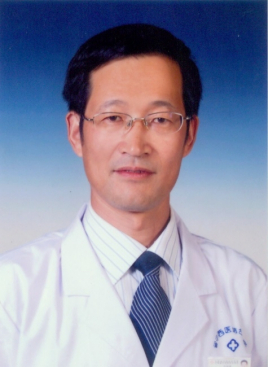 Jiege Huo (霍介格)合作论文数南京中医药大学第三临床医学院(江苏省中西医结合医院)9
 Zhang Huifeng (张会峰)合作论文数8LiJi Huang (黄莉吉)合作论文数7Juan Xu (许娟)合作论文数7YiJing Zhao (赵一璟)合作论文数6
 Jiangyi Yu (余江毅)合作论文数Jiangsu Province Hospital of Chinese Medicine6
 Shuhang Xu (徐书杭)合作论文数江苏省中西医结合医院内分泌科6Yan SUN (孙焱)合作论文数5Ting Mi (米婷)合作论文数5Dan Li (李丹)合作论文数5Wanghua Liu (刘旺华)合作论文数5Kun Wang (王昆)合作论文数4Su Wang合作论文数3Xiaomin ZHANG (张肖敏)合作论文数3PingPing Xiang (相萍萍)合作论文数3JingShun Liu (刘敬顺)合作论文数3XiaoDong Mao (茅晓东)合作论文数3ChongChao Li (李崇超)合作论文数3XiaoChao Wang (王小超)合作论文数3Ling Lv (吕凌)合作论文数3Ping Xia (夏萍)合作论文数3Xiang Zhang (张翔)合作论文数3Lingchang Li (李灵常)合作论文数3YaoZhou Tian合作论文数2Pan, Cheng-yu合作论文数2Hui Li合作论文数2Min Lu合作论文数2LI Lili (李丽丽)合作论文数2Yang Yu合作论文数2Xingjia Li合作论文数2Li-Mei Gu合作论文数2Qiu-lan WU (吴秋兰)合作论文数2




