目的 探讨微创经皮肾镜取石术(mPCNL)中应用负压吸引一期处理结石性脓肾的安全性及疗效.方法 选择2014年6月-2020年6月我院73例术前无感染征兆的伴有脓肾的结石患者为研究对象.其中实施Ⅰ期mPCNL(Ⅰ期组)42例;微创经皮肾造瘘引流抗感染治疗后再择期行Ⅱ期mPCNL(Ⅱ期组)31例.Ⅰ期组男24例,女18例;年龄(35.8±10.2)岁;结石直径(25.3±8.2)mm.Ⅱ期组男19例,女12例;年龄(33.2±9.4)岁;结石直径(28.7±7.9)mm.Ⅰ期组留置F16或F18Peel-away塑料鞘建立手术通道.先接上负压吸引吸出脓液,液压灌注泵冲洗5s后,再负压吸引吸出脓液,使用60W钬激光逐步粉碎结石,Ⅱ期组留置F16肾造瘘管,保持引流通畅.然后按照前述方法行Ⅱ期经皮肾镜钬激光碎石术.结果 两组在碎石手术时间、结石清除率无显著差异(P>0.05);总住院时间、造瘘管留置时间、总住院费用上差异有统计学意义(P<0.05).两组术后并发症发热比较统计学无显著差异(P>0.05).结论 经皮肾镜碎石术应用负压吸引Ⅰ期处理结石性脓肾安全有效.
目的 探讨阴部内动脉CT血管成像诊断动脉性阴茎勃起功能障碍的准确性.方法 选取2017年1月到2019年12月在我院检查疑似动脉性阴茎勃起功能障碍患者125人,对这125名患者行CT血管成像与药物性阴茎双功能多普勒超声,比较CT血管成像与药物性阴茎双功能多普勒超声在诊断动脉性阴茎勃起功能障碍中的准确性、灵敏性、特异性与一致性.结果 以DSA检查结果为标准,CTA诊断阴部内动脉狭窄的准确性、灵敏性、特异性均高于药物性阴茎双功能多普勒超声,且能对阴部内动脉狭窄程度准确分级,CTA诊断结果与DSA诊断无差异(P>0.05)经Kappa分析,利于后续治疗方案的确定.结论 CT血管成像诊断阴部内动脉狭窄较药物性阴茎双功能多普勒超声具有更高的准确性、灵敏性与特异性,可作为DSA检查的首选替代检查在临床中推广.
目的 探讨PIM-1在前列腺癌组织中的表达及其与PSA复发之间的相关性.方法 免疫组化SP法检测AIPC、ADPC及BPH各41例的PIM-1蛋白表达.结果 AIPC中PIM-1阳性率为87.8%,ADPC为63.4%,BPH为36.6%,前列腺癌的表达比BPH显著增多(P<0.05),AIPC比ADPC显著增多(P<0.05);PIM-1阳性率在Gleason分级中6分占46.7%,7分占68.8%,8~10分占90.0%,临床分期Ⅰ、Ⅱ、Ⅲ、Ⅳ期分别为50.0%、58.3%、72.7%、100%,组间比较差异显著(P<0.05);随访PSA复发情况:PIM-1表达与有无复发分别是69.2%(18/26)和33.3%(5/15),差异显著(P<0.05).结论 PIM-1表达与雄激素依赖类型、Gleason分级、临床分期以及PSA复发密切相关.
目的 观察经尿道手术治疗前列腺增生症合并膀胱结石的疗效.方法 选取医院治疗的前列腺增生症合并膀胱结石患者37例作为研究对象,对其临床资料进行回顾性分析,入组患者均采取经尿道同期膀胱碎石术和经尿道等离子前列腺切除术治疗,比较治疗前后各项参数的变化情况.结果 与治疗前相比,治疗后3个月患者国际前列腺症状评分(IPSS)、生活质量评分(QOL)及残余尿量(RU)明显降低,差异有统计学意义(P<0.05).结论 前列腺增生症合并膀胱结石患者采取经尿道同期腔内手术方案进行治疗,有利于提高治疗效果,减轻患者的痛苦,效果显著,值得临床应用和推广.
目的:探讨输尿管镜下钬激光碎石术对结石清除率、术后并发症及临床疗效的影响.方法:回顾性分析本院2014年10月至2016年10月收治的104例输尿管结石患者的临床资料,进行随机分组,为对照组(51例)和观察组(53例),分别给予气压弹道碎石术治疗和输尿管镜下钬激光碎石术治疗.观察两组的手术时间以及住院天数、结石排净率、治疗效果以及并发症发生情况,并进行比较.结果:统计两组患者的手术时间以及住院天数,观察组均显著短于对照组,均P<0.05;术后2周行泌尿系超声及X线检查,统计两组的结石排净率,观察组显著高于对照组,P<0.05,经疗效判定,观察组35例判定为显效,16例为有效,总有效率为96.23%,显著高于对照组的82.35%,P<0.05,术后两组患者中均未出现输尿管撕脱、穿孔、断裂等严重并发症,对于出现的泌尿系感染以及发热患者,均经积极对症治疗后康复,且两组的并发症发生率组间比较差异无统计学意义,P>0.05.结论:输尿管结石实施输尿管镜下钬激光碎石术效果显著,可以达到理想的结石清除效果,手术时间短,术后并发症少,治疗有效率高.
目的 探讨采取经尿道双极等离子前列腺切除术对体积大于60 ml前列腺增生的治疗效果和意义.方法 43例体积大于60 ml前列腺增生患者作为研究对象,并对其临床资料进行回顾性分析,入组患者均采取经尿道双极等离子前列腺切除术治疗,比较近期疗效中各项参数的变化情况.结果 术后6个月患者国际前列腺症状评分(IPSS)为(14.8±5.2)分、生活质量评分(QOL)为(2.2±0.7)分以及残余尿量(RU)为(30±12)ml明显低于治疗前的(23.6±3.7)分、(4.8±1.2)分、(180±43)ml,最大尿流率(Qmax)为(17.0±2.8)ml/s高于治疗前的(6.5±3.7)ml/s,差异均具有统计学意义(P<0.05).结论 体积大于60 ml前列腺增生患者选取经尿道双极等离子前列腺切除术方案治疗,有利于提高治疗效果,减轻和预防各种并发症的发生,安全性高,效果确切,值得应用和推广.
目的:探讨应用经尿道前列腺等离子电切术治疗的价值,以提高高危前列腺增生症患者治疗效果。方法80例高危前列腺增生症患者作为研究对象,所有患者均按照经尿道前列腺等离子电切术方案进行治疗,观察患者治疗效果。结果入组患者术前国际前列腺症状评分(IPSS)、生活质量指数(QOL)评分分别为(25.5±4.3)、(4.5±1.3)分,而术后国际前列腺症状评分、生活质量指数评分分别为(11.8±1.3)、(1.8±0.4)分,手术前后比较差异均具有统计学意义(P<0.05)。结论高危前列腺增生症患者采取经尿道前列腺等离子电切术治疗,疗效可靠,风险性低,值得应用和推广。
目的为了减少经尿道前列腺等离子体切除术后出血量,分析和探讨在术前给予非那雄胺口服的价值和意义。方法按照随机数字表的方法选取96例于2015年1月~2016年1月来我院就诊的前列腺增生症并拟行经尿道前列腺等离子体切除术患者作为研究对象并通过抛硬币的方法将其分为试验组和对照组,其中对照组的患者在术前不给予非那雄胺口服治疗,而试验组的患者则于术前给予非那雄胺口服治疗。结果经过研究发现,对照组和试验组患者均取得了一定的治疗效果,但是试验组患者术中出血量、手术用时以及术中灌洗量更低,且两组比较差异具有统计学意义(<0.05)。结论前列腺增生症患者在行经尿道前列腺等离子电切术治疗前口服非那雄胺,能够明显减轻术中出血量,降低手术风险率。
Objective In order to explored early renal damage and the severity induced by extracorporeal shock wave lithotrip-sy for the treatment of renal calculi,we detected serum cystatin C (Cys C) combined with urinary albumin AlbU、urinary transferrin TRFU、urinary immunoglobulin IgGU、urinaryα1-microglobulinα1MU which were considered to be sensitive index of renal dam-age. Methods The levels of serum Cys C and urine AlbU、urine TRFU、urine IgGU、urineα1MU were sequentially measured in 30 patients with renal stones who accepted extracorporeal shock wave lithotripsy. Before treatment samples were obtained and after-wards at days+3,+5,+7,+15. The test results were analyzed statistically. Results The levels of serum Cys C and urinary albumin AlbU、urinary transferrin TRFU,urinary immunoglobulin IgGU、urinaryα1-microglobulinα1MU at days+1,+3 after extracorporeal shock wave lithotripsy were higher than that before treatment (P<0.05). The levels of serum Cys C and urinary albumin AlbU、uri-nary transferrin TRFU、urinary immunoglobulin IgGU,urinary α1-microglobulin α1MU at days +5 after extracorporeal shock wave lithotripsy were decreased gradually,and+7 after extracorporeal shock wave lithotripsy,there was no difference with the levels be-forehand. The incidence rare of renal damage after extracorporeal shock wave lithotripsy of serum cystatin C (Cys C) was higher than that of other groups,but lower than that of detection of serum Cys C combined with urine AlbU、urine TRFU、urine IgGU、urine α1MU (P≤0.05). Conclusion extracorporeal shock wave lithotripsy for renal stones may made early renal damage,but the damage was low. Detection of serum Cys-C combined with urinary albumin AlbU、urinary transferrin TRFU、urinary immunoglobu-lin IgGU、urinary α1MU in patients with early renal damage induced by extracorporeal shock wave lithotripsy was helpful to early diagnosis.
目的:探讨双源CT尿路冠状位成像在微创经皮肾镜取石术中的应用。方法138例肾结石及输尿管上段结石行肾脏、盆腔双源CT平扫,并行冠状位成像,确定肾穿刺方向及深度,术中在B超引导下建立经皮肾穿刺通道行微创经皮肾镜取石术。结果138例双肾CT平扫结合冠状位成像可以清楚显示肾结石在肾盂肾盏系统中的准确位置、肾盂形态、肾盏结构,足够提供最优的穿刺途径。而行冠状位成像可以证实输尿管上段结石及其与肾盂的角度关系。结石诊断率为100%,138例患者均穿刺成功,成功率为100%,输尿管上段结石的取净率为100%,结石总取净率为94%。结论双源CT尿路冠状位成像检查安全、快速,不需使用造影剂及三维重建,减少了放射剂量,同时可以提高结石检出率,能够提供精确的穿刺径路,提高穿刺成功率及结石清除率。
目的:探讨调节性T细胞(regulatory T cell,Treg)水平变化与肾移植急性排斥反应之间的关系。方法选取54例肾移植受者(其中男26例,女28例),根据术后12周内是否发生急性排斥反应分为急性排斥组和稳定组,于术前1-2d、术后1周、4周、8周、12周分别取外周静脉血样本,应用流式细胞仪检测外周血中Treg细胞水平。结果术前第1-2d,急性排斥组和稳定组的Treg细胞水平比较有明显差异(P<0.05)。术后4周内两组Treg细胞水平均急剧下降。术后第4-8周,稳定组受者的Treg细胞水平开始回升,而急性排斥组继续下降。术后第8-12周,稳定组的Treg细胞水平明显回升,但排斥组则仍维持在较低水平,且此阶段两组Treg细胞水平的差别具有统计学意义(P<0.05)。结论外周血中的Treg细胞水平的检测可协助预测肾移植急性排斥反应发生的高危群体,有助于术后急性排斥反应的早期诊断。
BACKGROUND:There are reports relating to the relation between CYP3A5 genetype and tacrolimus concentration among European and American people in recent years,however,the data of the study available comes from the date after surgery within 1 month to 1 year and there lacks of early details.OBJECTIVE:To study the relation between CYP3A5 genetic polymorphism and tacrolimus concentration per dose in kidney transplant recipients,and to evaluate the effect of CYP3A5 genotype on the acute rejection and the adverse effect of tacrolimus after kidney transplantation.METHODS:Forty-five patients transplanted with planted cadaver kidney receiving the triple immunosuppressive(tacrolimus+mycophenolatemofetil+prednison),and the patients were divided into *1/*1 group(n=11),*1/*3 group(n=15),*3/*3 group(n=19) according to the CYP3A5 genotype.The initial dose of tacrolimus was 0.15 mg/kg per day and the dosage was adjusted according to the drug concentration to a target therapeutic window.RESULTS AND CONCLUSION:At 7 day and 1 and 3 months after operation,the concentration per dosage in the *3/*3 group was significantly higher than that in the *1/*3 group and *1/*1 group(P < 0.05);the ratio of acute rejection in *1/*1 group was significantly higher than that in the *1/*3 group and *3/*3 group within 3 months(P < 0.05);the adverse effects of tacrolimus(nephrotoxicity,hyper glycosemia,neurotoxicity) were increased in CYP3A5 *3/*3 group compared with CYP3A5 *1/*1group within 3 months.The blood concentration of tacrolimus was lowest in *1/*1 genotype group within 3 months which induced the higher acute rejection rate,so the initial dosing regimen of tacrolimus was not the suitable for the treatment of early anti-rejection,and blood concentration of tacrolimus was highest in *3/*3 genotype group within 3 months which resulting in higher adverse effects.To choose the initial tacrolimus dosage required by individual patients according to the CYP3A5 genetic polymorphism is necessary for getting better outcome and reducing acute rejection in the CYP3A5 *1/*1 group and the adverse effect of tacrolimus in the CYP3A5 *3/*3 group,and which enhances the clinical effect of kidney transplantation.
Objective To explore the optimum combination of manometric perfusion speed and manometric tube traction speed in male resting urethral pressure measurement.Methods The resting urethral pressure was measured with urodynamic analyzer in 30 patients with benign prostatic hyperplasia.The manometric perfusion speed and manometric tube traction speed consisted of 4 parameter combinations(1 mL·min-1and 1 mm·s-1;1 mL·min-1and 2 mm·s-1;2 mL·min-1and 1 mm·s-1;2 mL·min-1and 2 mm·s-1).Max urethral pressure(MUP) and max closure pressure(MCP)were analyzed statistically using F-test.Results The parameter combination of 1 mL·min-1and 1 mm·s-1,1 mL·min-1and 2 mm·s-1,or 2 mL·min-1and 2 mm·s-1 leaded to significant decrease in values of MUP and MCP,compared with the combination of 2 mL·min-1and 1 mm·s-1(all P0.05).Conclusion Different combinations of manometric perfusion speed and manometric tube traction speed have obvious effects on resting urethral pressure measurement,and the optimum combination is 2 mL·min-1 of manometric perfusion speed and 1 mm·s-1 of manometric tube traction speed.
目的:探讨单通道经皮肾穿刺术钬激光碎石术治疗孤立肾肾结石的有效性及安全性。方法:自2008年3月~2010年11月,对32例孤立肾结石患者行单通道经皮肾穿刺钬激光碎石治疗。结果:所有患者均采用单通道途径碎石。32例患者中,29例经B超引导下一针穿刺进入集合系统内目标肾盏;2例肾穿刺造瘘引流1周后行Ⅱ期取石,其余均为Ⅰ期取石,手术时间0.5~2.1 h;结石一次清除率90.6%(29/32),术后辅用体外冲击波碎石治疗3例。术前肾功能不全7例,其中术后复查肾功能恢复正常5例,2例肌酐水平不同程度下降。无一例出现大出血及中转开放手术。结论:单通道经皮肾穿刺钬激光碎石术治疗孤立肾肾结石安全性高,有效性好,具有创伤小、恢复快等优点。
<正>患者,男,19岁,因尿频、尿痛45d,以膀胱肿瘤于2010年6月8日入院。45 d前无明显诱因出现尿频,排尿时尿道胀痛,无尿急及肉眼血尿,无畏寒发热及腰腹部疼痛。当地医院以抗炎、对症等治疗症状无明显改善。超声
Objective To evaluate the efficacy and safety of management of renal stone by percutaneous nephrolithotripsy(PCNL) with holmium laser under B ultrasound guidance.Methods Retrospectivey analysis clinical data of 247 cases of renal stones in patients received percutaneous nephrolithotomy with holmium laser treatment,using B ultrasound-guided percutaneous renal puncture channel establishment.Results The percutaneous renal access was successfully established under ultrasound guidance in 238 patients.Immediate phase I lithotripsy was performed in 240 cases and delayed phase Ⅱ lithotripsy in 7 cases.Operation time ranged from 65 to 167 minutes.200~800 mL blood transfusion was needed in 5 cases.No severe complications were noted during nephrolithotripsy.All of the patients were reexamined 5 days after operations,stones were cleared in 218 cases,residual stone fragments were found in 29 cases,and the stones free rate was 88.3%(218/247).Conclusion The management of upper urinary tract calculus using PCNL under ultrasound guidance appears to be efficacious and safe.
Objective:To analyze and summarize clinical experience in living relative kidney transplantation.Methods:Conventional renal transplantation is practised to analyze and review the clinical data of 11 cases of living relative kidney transplantation in our center.Results:All 11 patients recovered well from the operation during the follow-up 3 to 66 months.One of them deceased in the 7th month after the operation for financial difficulties.Another patient's transplanted kidney functioned normally for 3 years,but then failed as a result of wrong use of immunological inhibitor.The second homologous renal transplantation was performed after the allograft dysfunction.The patient had a good recovery.The rest of patients' kidneys functioned well.Conclusions:Living relative kidney transplantation has its own advantages with more sources of kidneys,less waiting time,satisfied HLA typing of donor-recipient,increased quality of transplanted kidney and less application of immunological inhibitor accompanied with reduced medical expenses.
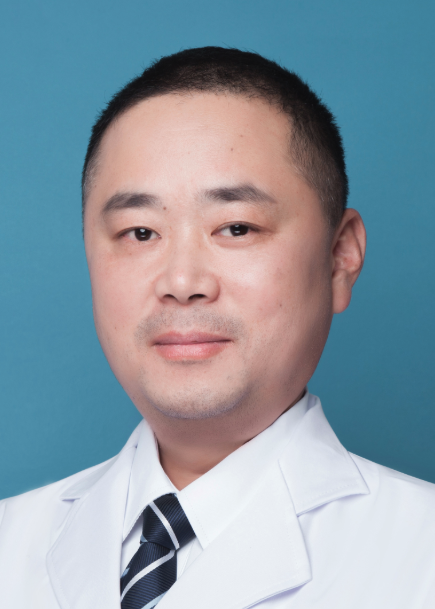 Haipeng Huang (黄海鹏)合作论文数Jiangxi Provincial People's Hospital12
 Xinshen Zhu (朱心燊)合作论文数Jiangxi Provincial People's Hospital10
 DongLiang Meng (孟栋良)合作论文数7Wei Lin (林伟)合作论文数5
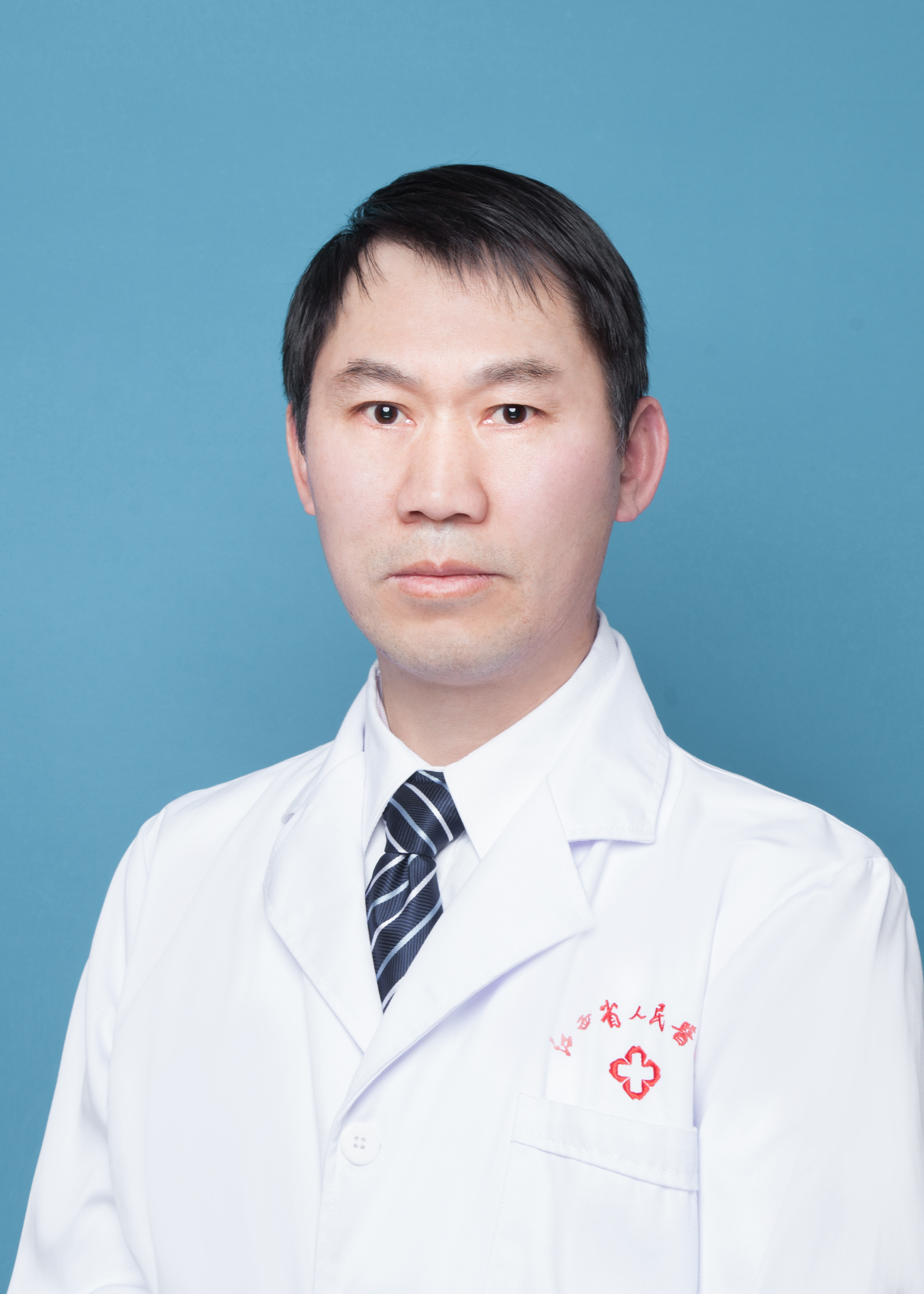 Jingen Wang (王金根)合作论文数Jiangxi Provincial People's Hospital5JieQing He (何洁卿)合作论文数4Tao Ceng (曾涛)合作论文数3
 Xinzhang Li (李新长)合作论文数Jiangxi Provincial People's Hospital3HuanTeng Xiong (熊焕腾)合作论文数2Yuan Li (黎源)合作论文数2Jun Shi (时军)合作论文数2Hui Huang (黄辉)合作论文数2
 Yunyi Mao (毛允义)合作论文数Jiangxi Provincial People's Hospital2
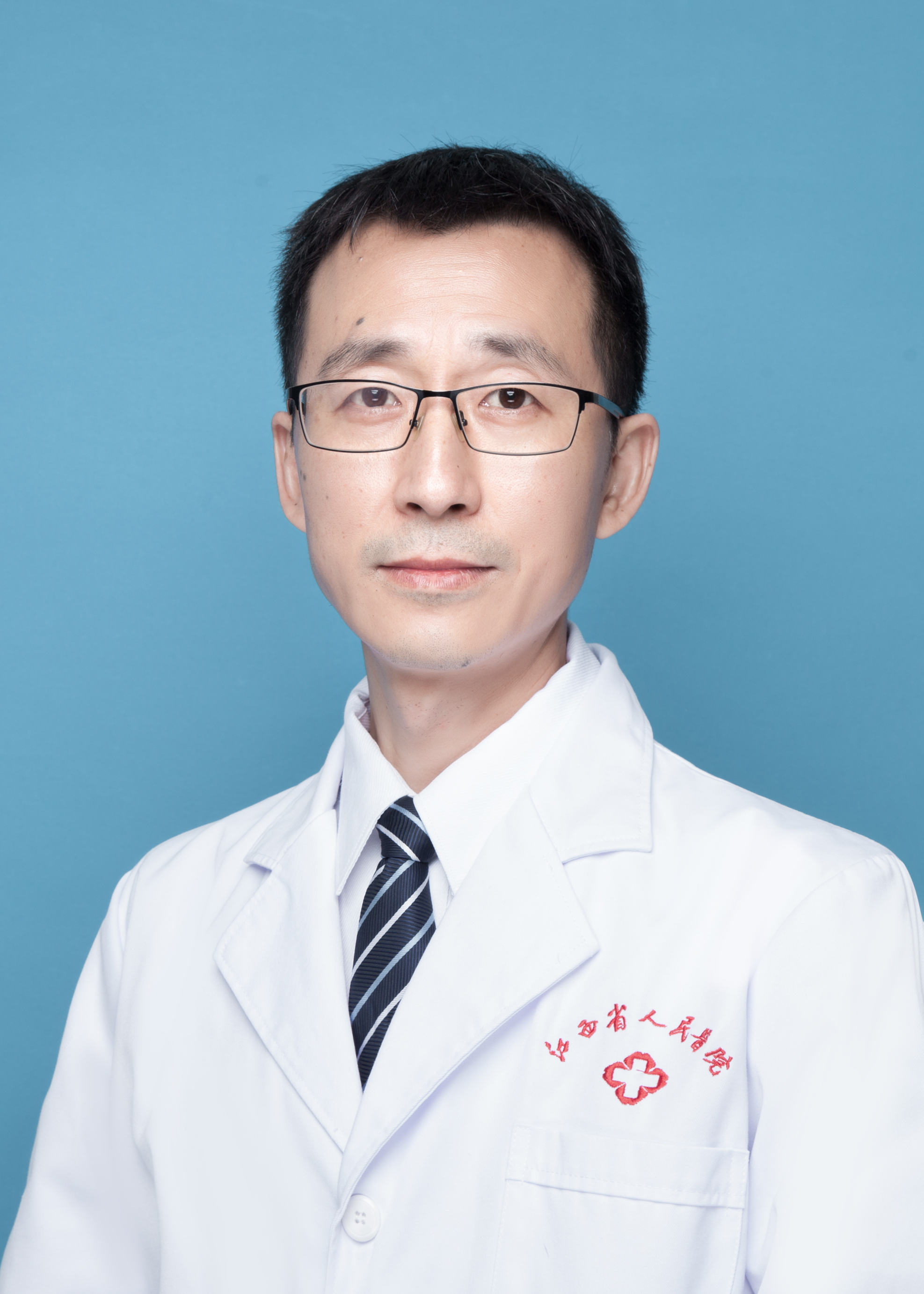 Wenfeng Luo (罗文峰)合作论文数Jiangxi Provincial People's Hospital2
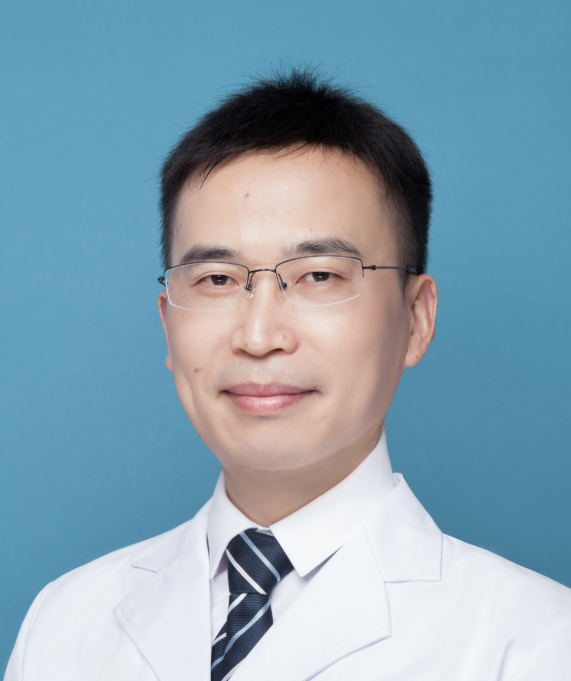 Zunwei Zhu (朱遵伟)合作论文数Jiangxi Provincial People's Hospital2
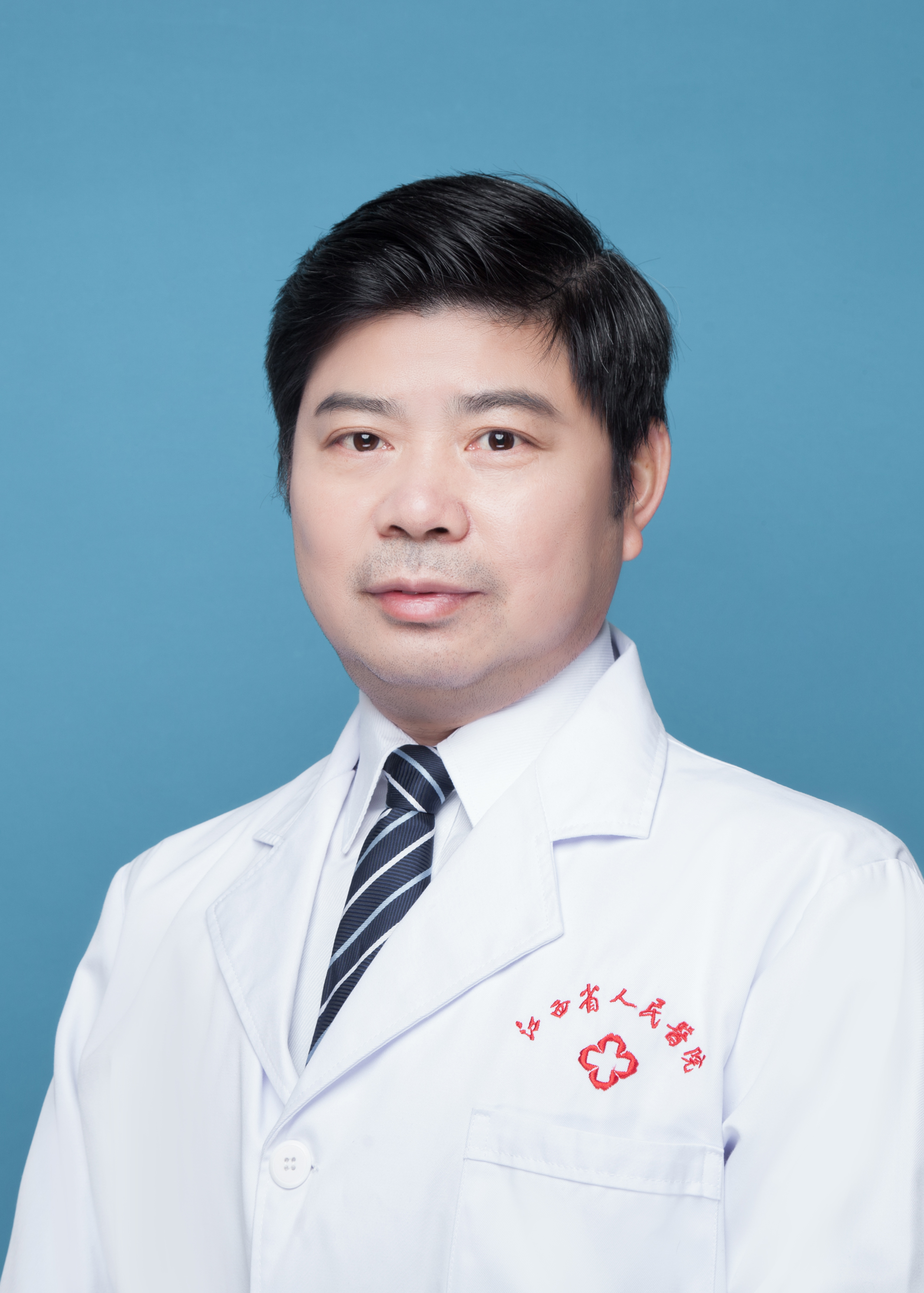 Zhidan Xu (徐志丹)合作论文数Jiangxi Provincial People's Hospital2pine yang (杨品娥)合作论文数1Wen LI (李文)合作论文数1Dong-hui FU (付冬辉)合作论文数1jiansheng zou (邹建生)合作论文数1LingYun Zhao (赵令云)合作论文数1YouGen Bao (包佑根)合作论文数1JiLian Liu (刘继莲)合作论文数1QinRong Wu (吴勤荣)合作论文数1Xing Xiong (熊星)合作论文数1GuoZhu Hu (胡国柱)合作论文数1
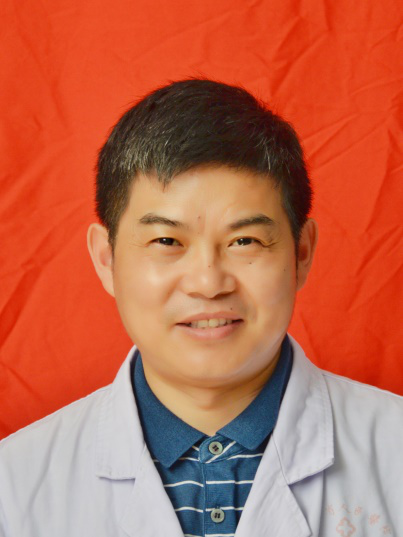 Lifeng Zeng (曾黎峰)合作论文数Jiangxi Provincial People's Hospital1
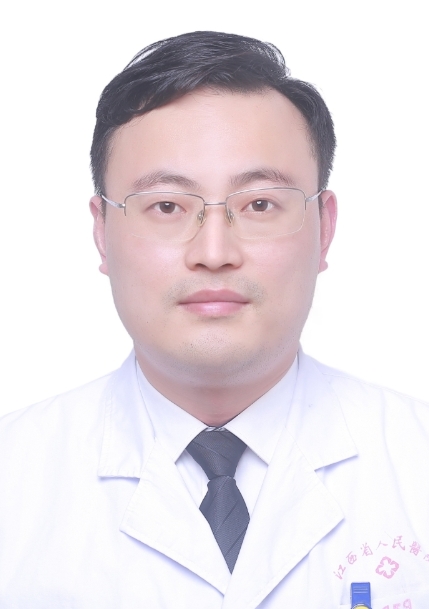 Limin Ding (丁利民)合作论文数Jiangxi Provincial People's Hospital1Zhongnan He (何忠南)合作论文数1Lingling Wang (王玲玲)合作论文数1




