随着生活和社会环境的改变及生活工作压力的增加,我国男性生育能力显著下降,男性不育症发病率逐年增高,给男科医生带来了前所未有的挑战和治疗难题.中医药治疗男性不育症具有明确疗效,临床上应用广泛,为了明确中医药在男性不育症的不同种类及不同阶段做起的作用,中华中医药学会组织邀请了男科临床一线的西医与中医青年优秀专家,围绕特发性少、弱、畸形精子症、精液液化异常、精索静脉曲张、免疫性不育、提高辅助生殖技术成功率、改善抑郁焦虑状态等6个方面进行了讨论.就中医治疗的优点、特色、短板及优势病种、优势环节进行了深入探讨,针对男性不育症的各种病因及相关环节的治疗进行了梳理与归纳.男性不育症由于病因不完全明确及发病机制复杂等原因,单纯西医治疗不能达到较好的疗效,而中医药以整体观为核心,改善功能性疾病是学科优势,同时可以对应多靶点、多病因,并且有内治外治等综合性疗法,因此中医治疗及中西医医结合治疗男性不育症,在临床上应用广泛.该文总结了纯中医治疗及中西医结合治疗的优势病种和优势环节,罗列了相关病种的中西医治疗建议,以期让更多男科医生了解中医的治疗效应及优势能够实现中西借鉴、沟通融合,在临床实际诊疗中给患者提供优效、个性化的治疗方案,从而提高男性不育症的疗效.
近年来男科疾病的发病率呈现明显增长趋势,而传统的中医学在男科领域未形成完善的理论体系,虽然男科病种相对较少,但机制复杂,因此需要提高和改进男科疾病的临床疗效,以满足患者就诊的需求.为此,中华中医药学会组织中西医男科专家一起进行探讨,邀请中西医临床一线的青年优秀专家,共同针对男科疾病领域探讨中医及中西医结合治疗的临床优势病种,如慢性前列腺炎、男性不育症、良性前列腺增生、勃起功能障碍、早泄等,明确西医诊断,规范中医临床辨证诊疗,制定出中医西医公认的、融合的诊疗方案,提供优势病种的中西医治疗建议,中医哪些疾病有优势,哪些病程有优势,何时适合中医治疗,何时该采用西医治疗、手术治疗等问题,形成专家共识,同时也为中医临床提供参考依据,充分发挥中医药优势,提高男科疾病的诊疗效果,给患者提供精准的、个性化的和最优化的治疗方案,同时把中医的优势发挥淋漓尽致,这样中医也才能立得住,才能创新,才能发展.
Objective To investigate the effect of icarisideⅡ(ICAⅡ) on miR-181c and its targeting genes including KLF6, KLF9, KLF10, and KLF15 in a diabetic-like human cavernous endothelial cells (HCECs). Methods Purified HCECs were randomly divided into three groups:normal group+BSA (NC group), AGE-BSA+Glucose group (DM group) and DM group treated by ICAⅡ intervention (ICAⅡgroup). Using Western blot to detect the protein expressions of eNOS and RAGE;Real-time PCR to detect miR-181 expression and its predicted targeting genes mRNA levels; Western blot to further verify the protein levels of relevant target genes and relative downstream TXNIP gene. Results Compared with NC group, protein expressions of eNOS and RAGE significantly decreased and increased separately with the stimulation of AGE-BSA plus high glucose, while ICAⅡ intervention could reverse this trend (P<0.05). Real-time PCR showed that miR-181c expression was lower in DM group than that in NC group, but its expression was recovered by ICAⅡ treatment (P<0.05). The mRNA levels of KLF6 and KLF9 but not KLF10 or KLF15 significantly increased in DM group;Western blot analysis further verified the protein levels of KLF6 and KLF9 with an increase in DM group, whereas ICAⅡ supplement could reverse this trend (P<0.05). Protein expression of TXNIP showed the similar change trend with KLF6 under the model. Conclusion Differentially expressed changes of miR-181c and its target genes under AGE-BSA combined with glucose simulation with or without ICAⅡ intervention suggest miR-181c may be involved in the endothelial dysfunction under the diabetic-like environment and ICAⅡ may be as a new compound for treating the impairment of endothelial dysfunction by regulating the miR-181c pathway. The detailed mechanism needs further more investigation.
 ZHU Yong (朱勇)合作论文数2YuTian Zhu (祝雨田)合作论文数2XiaoXiao Zhang (张霄潇)合作论文数2HongMing Liu (刘红明)合作论文数2
 Sheng Lin (林生)合作论文数School of Chinese Materia Medica, Beijing University of Chinese Medicine2
 jingshang Wang (王景尚)合作论文数Dongzhimen Hospital, Beijing University of Chinese Medicine2
 Bin Wang (王彬)合作论文数Dongzhimen Hospital, Beijing University of Chinese Medicine2
 Haisong Li (李海松)合作论文数Dongzhimen Hospital, Beijing University of Chinese Medicine2MingHui Ke (柯明辉)合作论文数1Dong Fang (方冬)合作论文数1
 Wei Zheng (郑卫)合作论文数1
 Baoxing Liu (刘保兴)合作论文数China-Japan Friendship Hospital1Hongen Lei合作论文数1Guan Ruili合作论文数1
 Shaoming Liu (刘绍明)合作论文数Third Affiliated Hospital, Beijing University of Chinese Medicine1
 Jianwu Shen (沈建武)合作论文数Xiyuan Hospital, China Academy of Chinese Medical Sciences1
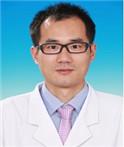 Fu Wang (王福)合作论文数Xiyuan Hospital China Academy of Chinese Medical Sciences1
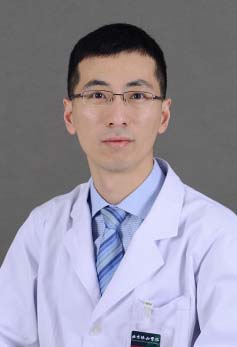 Hai Wang (王海)合作论文数Peking Union Medical College Hospital1
 Yong Yang (杨勇)合作论文数School of Traditional Chinese Medicine, Beijing University of Chinese Medicine1
 Zhongcheng Xin (辛钟成)合作论文数Second Hospital of Tianjin Medical University1
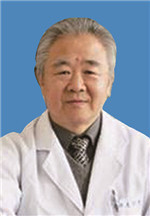 Yueqing Li (李曰庆)合作论文数Zaozhuang Hospital, Beijing University of Chinese Medicine;Dongzhimen Hospital, Beijing University of Chinese Medicine1
 Yongzhang Sun (孙永章)合作论文数北京中医药大学1
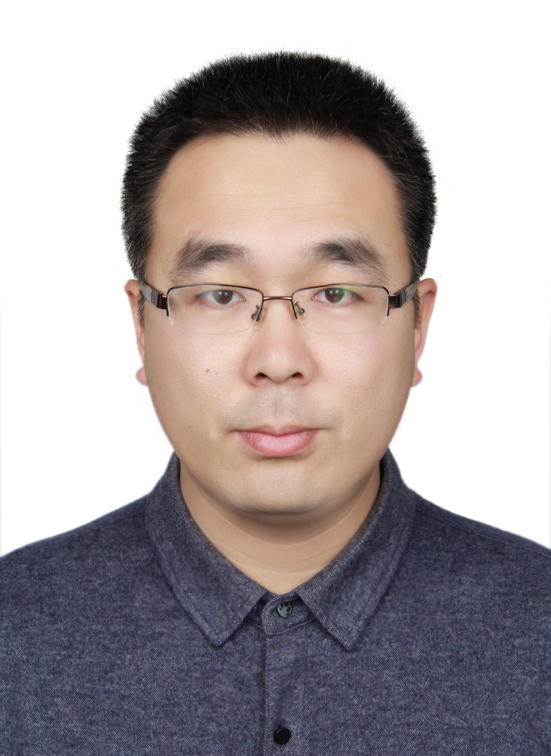 Jiayou Zhao (赵家有)合作论文数Graduate School of China Academy of Chinese Medical Sciences/Xiyuan Hospital, China Academy of Chinese Medical Sciences1




