We studied the structure of rhythms of BP, HR (by telemetric monitoring), electrolyte excretion (by capillary electrophoresis), and products of epiphyseal melatonin (by the urinary concentration of 6-sulfatoxymelatonin measured by ELISA) in normotensive Wistar-Kyoto rats and spontaneously hypertensive SHR rats maintained at 16/8 h and 20/4 h light-dark regimes. In Wister-Kyoto rats exposed to prolonged daylight, we observed changes in the amplitude, rhythm power (% of rhythm), and range of oscillations of systolic BP; HR mezor decreased. In SHR rats, mezor of HR also decreased, but other parameters of rhythms remained unchanged. Changes in electrolyte excretion were opposite in normo- and hypertensive rats. Under conditions of 20/4 h light-dark regime, daytime melatonin production tended to increase in normotensive rats and significantly increased in SHR rats. At the same time, nighttime melatonin production did not change in both normotensive and hypertensive animals. As the secretion of melatonin has similar features in animals of both lines, we can say that the epiphyseal component of the "biological clock" is not the only component of the functional system that determines the response of the studied rhythms to an increase in the duration of light exposure.
One of the reasons leading to dilatation of the left atrium is atrial fibrillation. A retrospective analysis of 136 case histories of patients with various forms of “non-valvular” atrial fibrillation was performed, depending on the shape of atrial fibrillation, the patients were divided into 3 groups. In patients with atrial fibrillation in 62.5%, the source of the atrial branches was the envelope branch of the left coronary artery. Atrial branches originating from the right coronary artery system were identified in 35.8%. In men, atrial arteries occur significantly more often. The results differ from publications, according to which the blood supply of the atria and sinoatrial node from 60 to 75% is carried out by branches departing from the basin of the right coronary artery. The degree of dilatation of the left atrium does not depend on the source of blood supply, but a correlation between the size of the left atrium and the diameter of the branches of the artery of the sinatrial node in the group of patients with paroxysmal atrial fibrillation is traced.
Background. Epidemiological studies indicate that in 2015, 4.5 million (75% of all under-five deaths) occurred within the first year of life. Cohort studies revealed that in lower middle income countries, one third of the babies below 6 years are under weight, and in urban areas there is increase in childhood obesity due to increased intake of high glycemic index infant milk and other ready prepared foods. It is possible that a wild type egg, with lower glycemic index and high nutrient density may be a better choice to those infants who are not able to get breast milk and/or have under-nutrition. This study aims to examine the effect of a newly developed milk formulation based on wild duck egg compared to dairy milk on body weight, waist circumference and blood glucose in children with under-nutrition. Study Design. Randomized, double blind, controlled trial. Setting. Primary and Secondary care Hospital. Subjects and Methods. After approval by the ethics committee and obtaining parental informed consent, all the babies (below two years age; n=20) with under-nutrition (defined by percentile of body weight) were randomized to take ovolipids’ infant milk (800 ml or 100 g) or dairy milk (800 ml) /day, for 10 and 28 days. Body weight was measured by a digital scale in under-clothes, and waist circumference and height were determined in the lying position, before and after the 10- and 28-day trial. Blood glucose was measured by glucometer by a finger prick at the end of the 10–day trial. Babies were allowed to take whatever they are consuming normally. Food intakes and physical activity were assessed by validated questionnaire, filled with the help of mothers. The infant milk formulation (Ovolipids IF) was based on guidelines of the ESPGHAN (WHO 2005). It contained 2.4gP/100Cal (10%), 5.2gF/100Cal (45%), 11.5gC/ 100Cal (45%), based on duck egg, whey proteins and glucose syrups. Results. The DIEM trial shows thatat 4 weeks, weight gain was statistically significant in both groups, but was higher in the ovolipid than in the dairy group (+0.45 vs. 0.26 kg, P = 0.027). Corresponding changes in waist circumference were also significant: while it decreased in the ovolipid group, it increased in the control group (-2.0 vs. +1.7 cm, P < 0.001). Post-prandial mean blood glucose was significantly lower in the intervention group than in the dairy milk group (85.9 ±2.6 vs. 98.5 ± 4.4 mg/100ml, P<0.001). The tolerance of ovolipid milk was excellent, both during morning and evening administration (about 500-600 ml at a time in 3-4 hours). Side effects were loose motions in two cases, in each group, during the 28 days of follow up. Conclusions. Ovolipid consumption asdaily infant milk may cause possible greater increase in body weight with a possible decrease in waist circumference and significant decline in postprandial blood glucose which are indicators of metabolic syndrome.
To prevent disease it is not enough to eliminate only modifiable factors but it is also necessary to identify patients at a preclinical stage, when physiological parameters are still within normal limits, but there is an excess stress on the regulation systems. In this study, we aim to examine the parameters of the cardiovascular system(CVS) from their physiological limits to diagnose desynchronization at an early stage.
Currently there is no consensus about the etiology and pathogenesis of the conditions, manifested by a persistent increase in the thymus gland. A retrospective long-controlled study conducted on the basis of computer monitoring clinical examination of children discrete ages to test hypothesis about the sensitivity of the thymus gland during embryogenesis to heliogeomagnetic fluctuations (magnetic storms). The results showed that children with a persistent increase in the thymus and in healthy children during ontogeny (embryogenesis) geomagnetic conditions significantly different. It is assumed that the low level of geomagnetic activity during the final formation of all areas of the thymus (emigration of T-lymphocytes, check their peripheral lymphoid organs and in the period of active growth of the parenchyma of the thymus) may be a risk factor for persistent hyperplasia of thymus. The data obtained do not contradict the idea that developing structures required a certain optimum level cosmophysical impact.
Secondary pyelonephritis occurs in 48.3% - 89.3% of cases and complicates the states of the disease. The effectiveness of therapy and prognosis of the disease depends on chosen methods of antibiotic prophylaxis of pyoinflammatory kidney diseases. The purpose of the research: To improve the results of patients’ treatment with complicated calculous pyelonephritis. Materials and methods: We have examined 179 people. This was a retrospective pharmacoepidemiological analysis of medical documents of patients, treated in 2009 and in 2013 in a hospital of Volgograd. The number of women, taking part in the research was 99 (55.4%) and men - 80 (44%). All patients underwent a standard clinical examination, with the mandatory bacteriological urinalysis, renal ultrasound. Results: Among patients with chronic calculous pyelonephritis, the most common infectious agents are the following: E.coli - 72,4%, Staph. epidermidis - 20,8%, P. aeruginosa - 26,8%. The greatest sensitivity to infectious agents possess the next preparations: carbopenems (meronems) - 92%, amoxicillin + clavulanic acid - 86.4%, cefotaxime - 89.4%. The greatest resistance of E.Coli is to ciprofloxacin and ampicillin. Conclusions: The regular review of recommendations for antimicrobial therapy of urinary tract infections is necessary, due to the constant changes in the level of uropathogens resistance.
The temporal structure and dynamics of biological rhythms were formed in the course of evolution under the influence of environmental factors. Circadian rhythm as a central one in biological objects developed in response to daily luminosity and temperature rhythms related to rotation of the Earth. New causative factors that could be involved in this process and affect the entire spectrum of biological rhythms emerged with the advent of space research. The discovery of solar wind, interplanetary magnetic field, and Earth’s magnetosphere revealed similar periodicity of biological rhythms and magnetic factors which suggests possible participation of the latter in the formation of the former. Disturbances in magnetic rhythms may lead to desynchronization of biological processes by the adaptive stress mechanism as exemplified by circadian rhythm disorders in response to jetlag. This hypothesis forwarded by the authors in the 1990s was confirmed by further investigations including those reported by foreign researchers.
The size of chest circumference of 1578 Kyrgyz male born at different altitudes were estimated during the observation period from 2003 to 2011. The study found the following correlation: the higher altitude at which the neonates were born, the lower was their chest circumference.
We studied the immunomodulatory activity of L-lysine-a-oxidase (LO) from Trichoderma harzianum Rifai F-180 to model endogenous colony-forming cells surface of the spleen of the mice of line F/SVA ?157?1. LO shows immunomodulatory activity on models in vivo and in vitro.
Concentrate of the culture liquid of Trichoderma harzianum Rifai F-180-producer of the enzyme L-lysine-a-oxidase with activity in the culture fluid 0,54-0,56 U/ml was obtained by culturing in the fermenter. For the first time we studied the influence of obtained concentrate on the growth of Mycoplasma: 2 species of the family ?ycoplasmataceae: Mycoplasma hominis (Mh) and Mycoplasma fermentans (Mf) and one species representative of the family Aholeplasmataceae: Aholeplasma laidlawii (Al). It is shown that the cultural liquid of Trichoderma producer of the enzyme L-lysine-a-oxidase inhibits the growth of Mycoplasma hominis after the preliminary contact. The degree of growth inhibition depends on the sowing dose of Mycoplasma and concentration of the culture fluid of Trichoderma.
 р к агарвал合作论文数32Cornelissen Germaine合作论文数22
 Anatoly Frolov合作论文数22
 Mikhail Lvovich Blagonravov合作论文数21
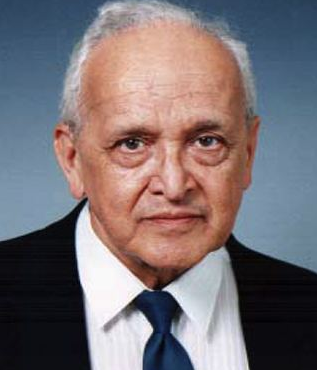 Franz Halberg合作论文数Halberg Chronobiology Center, University of Minnesota19
 Sergey Pavlovich Syatkin合作论文数19е в харлицкая合作论文数18м в рагульская合作论文数16GS Katinas合作论文数13I. Z. Eremina合作论文数12Galina Myandina合作论文数12
 Ekaterina Neborak合作论文数Department of Biochemistry, Peoples' Friendship University of Russia11S A Shastun合作论文数10I. P. Smirnova合作论文数10
 Tamara K Breus合作论文数Space Research Institute, Russian Academy of Sciences10З. А. Меладзе合作论文数9L. M. Mosina合作论文数9
 Michael Zastrozhin合作论文数8A. S. Skorik合作论文数8д с скрылев合作论文数7
 Galina Drozdova合作论文数7Tarasova T V合作论文数7
 Ram B. Singh合作论文数Halberg Hospital and Research Institute7D. G. Strelkov合作论文数7а а киричек合作论文数6Sergey Shastun合作论文数6г м дрогова合作论文数6
 Vladimir Ivanovich Kuznetsov合作论文数Peoples' Friendship University of Russia6
 Kuniaki Otsuka (大塚邦明)合作论文数Medical Center East, Tokyo Women's Medical University6M. V. Ragulskaya合作论文数6Othild Schwartzkopff合作论文数6м в дементьев合作论文数5Е. Н. Гончаров合作论文数5т с илларионова合作论文数5А. М. Акимкина合作论文数5халаби гази合作论文数5
 Fabien M De Meester合作论文数Belovo S.A. Bastogne5T N Kariakina合作论文数4V. V. Pipin合作论文数4N A Drozhzhina合作论文数4а ю шитиков合作论文数4м р александрова合作论文数4
 Nadezhda Khodorovich合作论文数4Robert B. Sothern合作论文数4Elena V. Syutkina合作论文数4Hans W. Wendt合作论文数4E. V. Kharlitskaya合作论文数4Anatolii V Masalov合作论文数4F Khalberg合作论文数3




