Background: Papillary thyroid carcinoma (PTC) is the most common malignant tumor of the endocrine system. BRAF mutations occur in 40-60%, panRAS mutations in 10-15%, and different gene fusion events such as RET fusions in 7-35% of these neoplasms. Artificial intelligence (AI) methods could be used to predict genetic changes from conventional histopathological slides. Methods: In this retrospective study, we used two independent cohorts of patients with PTC, totaling 662 cases for the establishment of our AI pipeline. The Cancer Genome Atlas cohort (496 cases) served as the developmental cohort, while the Mainz cohort (166 cases) served as an independent external test cohort. BRAF, panRAS, and fusion status was determined for all of these patients as target variables. Vision Transformer was trained on digitized annotated hematoxylin and eosin-stained slides for the presence of these alterations. Highest probability image tiles were used to identify new morphological criteria associated with the genetic changes. Results: The trained model resulted in an area under the receiver operating characteristic curve of 0.882 (confidence interval 0.829-0.931) for BRAF, 0.876 (0.822-0.927) for panRAS, and 0.858 (0.801-0.912) for gene fusions. Accuracy was 79.3% (72.7-85.8%) for BRAF, 89.3% (84.2-94.0%) for panRAS, and 84.7% (78.8-90.2%) for gene fusions. The performance on the validation set was almost identical to that on the test set. Analyzing the highest predictive tiles, novel morphological criteria for fusion-associated PTC could be discovered. Conclusions: Our study demonstrates that predicting genetic alterations in digitized histopathological slides using AI is feasible in patients with PTC. Our model showed high accuracy in predicting these changes, making it potentially suitable for pre-screening. Explainability approaches uncovered previously undescribed morphological patterns associated with certain genotypes. Providing pathologists with these AI-based features could improve their accuracy. Assuming further positive prospective validation, this discovery could contribute to a deeper understanding of PTC.
Papillary thyroid carcinoma (PTC), the most common malignancy of follicular cell derivation, is generally associated with good prognosis. Nevertheless, it is important to identify patients with aggressive PTCs and unfavorable outcome. Molecular markers such as BRAFV600E mutation and TERT promoter mutations have been proposed for risk stratification. While TERT promoter mutations have been frequently associated with aggressive PTCs, the association of BRAFV600E mutation with increased recurrence and mortality is less clear and has been controversially discussed. The aim of the present study was to analyze whether differentially expressed genes can predict BRAFV600E mutations as well as TERT promoter mutations in PTCs. RNA sequencing identified a large number of differentially expressed genes between BRAFV600E and BRAFwildtype PTCs. Of those, AHNAK2, DCSTAMP, and FN1 could be confirmed in a larger cohort (n = 91) to be significantly upregulated in BRAFV600E mutant PTCs using quantitative RT-PCR. Moreover, individual PTC expression values of DCSTAMP and FN1 were able to predict the BRAFV600E mutation status with high sensitivity and specificity. The expression of TERT was detected in all PTCs harboring TERT promoter mutations and in 19% of PTCs without TERT promoter mutations. Tumors with both TERT expression and TERT promoter mutations were particularly associated with aggressive clinicopathological features and a shorter recurrence-free survival. Altogether, it will be interesting to explore the biological function of AHNAK2, DCSTAMP, and FN1 in PTC in more detail. The analysis of their expression patterns could allow the characterization of PTC subtypes and thus enabling a more individualized surgical and medical treatment.
A 54-year-old patient presented in our clinic with pressure in the upper abdomen, dyspnea and abdominal distension. The clinical examination showed pleural effusion, ascites and an enlarged axillary lymph node on the right side. In gynecological sonography ascites, an ovarian cyst and peritoneal carcinosis in the pouch of Douglas were detected, which were potentially indicative of ovarian cancer. A staging laparoscopy was performed to confirm the diagnosis of ovarian cancer and to evaluate operability. Intraoperatively white milky ascites, white-yellow marbling of the liver and white stipple bedding on the diaphragm and liver were detected. The ovaries and the fallopian tubes were tumorously enlarged. Biopsies were taken from the right fimbrial funnel, the liver around the falciform ligament and the diaphragm. Histology of all abdominal biopsies and the axillary lymph node revealed high lymphatic infiltration matching a stage III B-cell-lymphoma. The patient was transferred to the hemato-oncological department for further therapy. Six cycles of cytostatic therapy with R-CHOP (rituximab, cyclophosphamide, hydroxydaunorubicin, vincristine sulfate, prednisone) were initiated. The patient is doing well and in stable disease 6 months after completion of cytotoxic therapy. This case report presents a rare case of manifestation of an extra nodal B-cell-lymphoma with abdominal presentation that mimicked ovarian cancer.
Oncogene-induced senescence is thought to constitute a barrier to carcinogenesis by arresting cells at risk of malignant transformation. However, numerous findings suggest that senescent cells may conversely promote tumor growth and metastatic progression, for example, through the senescence-associated secretory phenotype (SASP) they produce. Here, we investigated the degree to which senescent tumor cells exist within untreated human primary breast carcinomas and whether the presence of senescent cancer cells in primary tumors is recapitulated in their matched lymph node metastases. For the detection of senescence, we used SA-β-galactosidase (SA-β-gal) staining and other senescence markers such as Ki67, p21, p53, and p16. In patients with invasive luminal A and B breast carcinomas, we found broad similarities in the appearance of cancer cells between primary tumors and their corresponding metastases. Analysis of lymph nodes from patients with other breast cancer subtypes also revealed senescent tumor cells within metastatic lesions. Collectively, our findings show that senescent tumor cells exist within primary breast carcinomas and metastatic lesions. These results suggest a potential role for senescent breast tumor cells during metastatic progression and raise the question as to whether the targeting of senescent tumor cells with anti-senescent drugs might represent a novel avenue for improved treatment of breast and other cancers.
BACKGROUND:Currently, treatment recommendations for papillary thyroid carcinoma are not based on the genetic background causing tumourigenesis. The aim of the present study was to correlate the mutational profile of papillary thyroid carcinoma with clinical parameters of tumour aggressiveness, to establish recommendations for risk-stratified surgical treatment. METHOD:Papillary thyroid carcinoma tumour tissue of patients undergoing thyroid surgery at the University Medical Centre Mainz underwent analysis of BRAF, TERT promoter and RAS mutational status as well as potential RET and NTRK rearrangements. Mutation status was correlated with clinical course of disease. RESULTS:One hundred and seventy-one patients operated for papillary thyroid carcinoma were included. The median age was 48 years (range 8-85) and 69 per cent (118/171) of patients were females. One hundred and nine papillary thyroid carcinomas were BRAF-V600E mutant, 16 TERT promotor mutant and 12 RAS mutant; 12 papillary thyroid carcinomas harboured RET rearrangements and two papillary thyroid carcinomas showed NTRK rearrangements. TERT promoter mutant papillary thyroid carcinomas had a higher risk of distant metastasis (OR 51.3, 7.0 to 1048.2, P < 0.001) and radioiodine-refractory disease (OR 37.8, 9.9 to 169.5, P < 0.001). Concomitant BRAF and TERT promoter mutations increased the risk of radioiodine-refractory disease in papillary thyroid carcinoma (OR 21.7, 5.6 to 88.9, P < 0.001). RET rearrangements were associated with a higher count of tumour-affected lymph nodes (OR 7950.9, 233.7 to 270495.7, P < 0.001) but did not influence distant metastasis or radioiodine-refractory disease. CONCLUSIONS:Papillary thyroid carcinoma with concomitant BRAF-V600E and TERT promoter mutations demonstrated an aggressive course of disease, suggesting the need for a more extensive surgical strategy. RET rearrangement-positive papillary thyroid carcinoma did not affect the clinical outcome, potentially obviating the need for prophylactic lymphadenectomy.
Supplementary Figure 1 from RASSF1A Mediates p21<sup>Cip1/Waf1</sup>-Dependent Cell Cycle Arrest and Senescence through Modulation of the Raf-MEK-ERK Pathway and Inhibition of Akt
Einleitung Das Magenkarzinom ist die dritthäufigste Krebs-assoziierte Todesursache weltweit und die am häufigsten auftretenden Tumorentitäten des Gastrointestinaltrakts. Das mediane Überleben (mOS) bleibt mit circa 10 Monaten (m) stark limitiert. Der Stammzellmarker CD44 und der Chemokinrezeptor CXCR4 konnten bereits in anderen Krebsentitäten mit einer Metastasierungsneigung und verkürzter Überlebenszeit in Verbindung gebracht werden.
Supplementary Figure Legend from RASSF1A Mediates p21Cip1/Waf1-Dependent Cell Cycle Arrest and Senescence through Modulation of the Raf-MEK-ERK Pathway and Inhibition of Akt
Abb. 1 8 Im RahmenderNachsorge eines Kolonkarzinoms wurdenbei einem 58 Jahre altenPatienten computertomographisch mehrere "neu aufgetretene Raumforderungen" des rechten Unterlappens diagnostiziert.Im Lobektomiepräparat zeigten sich einerseits mehrere periphere hämorrhagische Lungeninfarkte sowie, angrenzend an den zentralen Unterlappenbronchus,
Supplementary Figure 1 from RASSF1A Mediates p21Cip1/Waf1-Dependent Cell Cycle Arrest and Senescence through Modulation of the Raf-MEK-ERK Pathway and Inhibition of Akt
Background: Shedding of the endothelial glycocalyx can be observed regularly during sepsis.Moreover, sepsis may be associated with acute respiratory distress syndrome (ARDS), which requires lung protective ventilation with the two cornerstones of application of low tidal volume and positive endexpiratory pressure.This study investigated the effect of a lung protective ventilation on the integrity of the endothelial glycocalyx in comparison to a high tidal volume ventilation mode in a porcine model of sepsis-induced ARDS.Methods: After approval by the State and Institutional Animal Care Committee, 20 male pigs were anesthetized and received a continuous infusion of lipopolysaccharide to induce septic shock.The animals were randomly assigned to either low tidal volume ventilation, high tidal volume ventilation, or sham ventilation groups and observed for 6 hours.In addition to the gas exchange parameters and hematologic analyses, the serum hyaluronic acid concentrations were determined from central venous blood and from pre-and postpulmonary and pre-and postcerebral circulation.Post-mortem analysis included histopathological evaluation and determination of the pulmonary and cerebral wet-to-dry ratios.Results: Both sepsis groups developed ARDS within 6 hours of the experiment and showed significantly increased serum levels of hyaluronic acid in comparison to the sham group.No significant differences in the hyaluronic acid concentrations were detected before and after pulmonary and cerebral circulation.There was also no significant difference in the serum hyaluronic acid concentrations between the two sepsis groups.Post-mortem analysis showed no significant difference between the two sepsis groups. Conclusion:In a porcine model of septic shock and ARDS, the serum hyaluronic acid levels were significantly elevated in both sepsis groups in comparison to the sham group.Intergroup comparison between lung protective ventilated and high tidal ventilated animals revealed no significant differences in the serum hyaluronic acid levels.
Papillary thyroid carcinoma (PTC) is one of the most common forms of thyroid cancer with a cure rate of over 90% after surgery. However, aggressive forms may still occur, and personalized therapeutic strategies are increasingly required. We performed integrated genomic and proteomic analysis of PTC tumor samples from patients who did not harbor BRAF or RAS mutations. We validate the analysis and present in-depth molecular analysis of the identified genetic rearrangement by employing biochemical and cell biological assays. Finally, we employ 3D spheroid models, loss of function studies and chemical inhibitors to target the hitherto upregulated factors. The data are analysed with appropriate statistical tests which are mentioned in the legends section. In a 23-year-old patient with thyroiditis, we identified a novel rearrangement leading to a BAIAP2L1-BRAF fusion that transforms immortalized human thyroid cells in a kinase and CC-domain dependent manner. Moreover, quantitative proteomic analysis of the same patient samples revealed the upregulation of several proteins including the Ubiquitin E3 ligase TRIM25, PDE5A, and PKCδ. Further, in a cohort of PTC patients, we observed higher expression of TRIM25 and PKCδ in the tumor and metastatic lesions, when compared to the matched normal tissue. Inhibition of TRIM25, PDE5A and PKCδ with small molecules or RNA interference affected not only viability and proliferation of BAIAP2L1-BRAF transformed cells, but also the viability, growth and invasion of corresponding 3D spheroid cultures. Apart from unveiling a novel oncogenic BRAF fusion in PTCs, our data may open a novel avenue of therapeutic targeting in human PTCs.
Adult-onset familial insulinomatosis is a rare disorder with recurrent, severe hypoglycemia caused by multiple insulin-secreting pancreatic tumors. The etiology was unclear until the variant p.Ser64Phe in the transcription factor MAFA, a key coordinator of β-cell insulin secretion, was defined as the cause in two families. We here describe detailed genetic, clinical, and family analyses of two sisters with insulinomatosis, aiming to identify further disease causes. Using exome sequencing, we detected a novel, heterozygous missense variant, p.Thr57Arg, in MAFA's highly conserved transactivation domain. The impact of the affected region is so crucial that in vitro expression studies replacing Thr57 have already been performed, demonstrating a phosphorylation defect with the impairment of transactivation activity and degradation. However, prior to our study, the link to human disease was missing. Furthermore, mild hyperglycemia was observed in six additional, heterozygote family members, indicating that not only insulinomatosis but also MODY-like symptoms co-segregate with p.Thr57Arg. The pre-described MAFA variant, p.Ser64Phe, is located in the same domain, impairs the same phosphorylation cascade, and results in the same symptoms. We confirm MAFA phosphorylation defects are important causes of a characteristic syndrome, thus complementing the pathophysiological and diagnostic disease concept. Additionally, we verify the high penetrance and autosomal dominant inheritance pattern.
Background: Shedding of the endothelial glycocalyx can be observed regularly during sepsis. Moreover, sepsis may be associated with acute respiratory distress syndrome (ARDS), which requires lung protective ventilation with the two cornerstones of application of low tidal volume and positive end-expiratory pressure. This study investigated the effect of a lung protective ventilation on the integrity of the endothelial glycocalyx in comparison to a high tidal volume ventilation mode in a porcine model of sepsis-induced ARDS. Methods: After approval by the State and Institutional Animal Care Committee, 20 male pigs were anesthetized and received a continuous infusion of lipopolysaccharide to induce septic shock. The animals were randomly assigned to either low tidal volume ventilation, high tidal volume ventilation, or no-LPS-group groups and observed for 6 h. In addition to the gas exchange parameters and hematologic analyses, the serum hyaluronic acid concentrations were determined from central venous blood and from pre- and postpulmonary and pre- and postcerebral circulation. Post-mortem analysis included histopathological evaluation and determination of the pulmonary and cerebral wet-to-dry ratios. Results: Both sepsis groups developed ARDS within 6 h of the experiment and showed significantly increased serum levels of hyaluronic acid in comparison to the no-LPS-group. No significant differences in the hyaluronic acid concentrations were detected before and after pulmonary and cerebral circulation. There was also no significant difference in the serum hyaluronic acid concentrations between the two sepsis groups. Post-mortem analysis showed no significant difference between the two sepsis groups. Conclusion: In a porcine model of septic shock and ARDS, the serum hyaluronic acid levels were significantly elevated in both sepsis groups in comparison to the no-LPS-group. Intergroup comparison between lung protective ventilated and high tidal ventilated animals revealed no significant differences in the serum hyaluronic acid levels.
Bei einer 40-jährigen Patientin wurde nuklearmedizinisch eine Struma uninodosa rechts diagnostiziert. Subjektiv berichtete die Patientin über seit 1 Jahr bestehende Schluckbeschwerden und ein tastbares Knotenwachstum der rechten Halsseite. Eine familiäre Belastung hinsichtlich Schilddrüsenerkrankungen bestand nicht. An Nebendiagnosen war eine Faktor-V-Leiden-Mutation (homozygot) bekannt. Diagnostik
Papillary thyroid cancer (PTC) is the most common type of endocrine malignancy. By RNA-seq analysis, we identify a RET rearrangement in the tumour material of a patient who does not harbour any known RAS or BRAF mutations. This new gene fusion involves exons 1–4 from the 5′ end of the Trk fused Gene (TFG) fused to the 3′ end of RET tyrosine kinase leading to a TFG-RET fusion which transforms immortalized human thyroid cells in a kinase-dependent manner. TFG-RET oligomerises in a PB1 domain-dependent manner and oligomerisation of TFG-RET is required for oncogenic transformation. Quantitative proteomic analysis reveals the upregulation of E3 Ubiquitin ligase HUWE1 and DUBs like USP9X and UBP7 in both tumor and metastatic lesions, which is further confirmed in additional patients. Expression of TFG-RET leads to the upregulation of HUWE1 and inhibition of HUWE1 significantly reduces RET-mediated oncogenesis.
We describe the case of a 67-year-old female patient who presented with an unclear swelling on the right supraclavicular neck, two years after resection of a mucinous carcinoma on the right mastoid. Two pathological reports from separate universities diagnosed the primary mastoid skin lesion as a metastatic adenocarcinoma. Strikingly, GATA binding protein 3 (GATA3) and mammaglobin, both immunomarkers found in breast cancer, were positive. An urgent search for the primary tumor most likely in the breast was commenced. However, as no other primary tumor could be detected at that time, a Primary Mucinous Carcinoma of the Skin (PMCS) was also debated. Two years later neck node enlargement was suspicious for lymph node metastasis during ultrasound examination and conservative neck dissection was performed. Immunohistochemistry revealed again GATA 3, Mammaglobin, estrogen, and progesterone receptor positive tissue. Using a variety of other markers, we were unable to detect neither significant morphological nor immunohistochemical characteristics that distinguished the lesion from a mucinous carcinoma of mammary origin. Following a detailed review of the clinical context, we concluded the lesion to be consistent with a late metastasis of a PMCS. This report demonstrates the limitations of currently used histopathological and immunohistochemical differentiation in metastatic mucinous carcinoma.
Background An improved procedure that allows accurate detection of negative sentinel lymph node (SLN) and of SLN macrometastases during surgery would be highly desirable in order to protect patients from further surgery and to avoid unnecessary costs. We evaluated the accuracy of an intraoperative procedure that combines touch imprint cytology (TIC) and subsequent frozen section (FS) analysis. 2276 SLNs from 1072 patients with clinical node-negative early breast cancer were evaluated during surgery using TIC. Only cytologically-positive SLN were subsequently analysed with a single FS, preserving cytologically-negative SLN for the final postoperative histological diagnosis. Sensitivity, specificity and the accuracy of this approach were analysed by comparing the results from intra- and postoperative SLN and axillary node evaluation. This intraoperative method displayed 100% specificity for SLN metastases and was significantly more sensitive for prognostically relevant macrometastases (85%) than for micrometastases (10%). Sensitivity was highest for patients with two or more positive LNs (96%) than for those with only one (72%). 98% of the patients with final pN2a-pN3a were already identified during surgery. Patients who received primary axillary lymph node dissection had significantly more frequent metastases in further LNs (44.6%). Sensitivity was highest for patients with luminal-B, HER2+ and triple negative breast cancer and for any subtype if Ki-67 > 40%. TIC and subsequent FS of cytologically-positive SLNs is highly reliable for detection of SLN macrometastases, and allows accurate identification of patients with a high risk of extended axillary involvement during surgery, as well as accurate histological diagnosis of negative SLN.
 Peter Galle合作论文数Medical Center, Johannes Gutenberg University Mainz37
 Jörn Schattenberg合作论文数Department of Medicine II, University Medical Center Homburg;Department of Medicine II, Saarland University Medical Center24
 Thomas J. Musholt合作论文数Johannes Gutenberg-Universität Mainz22
 Hauke Lang合作论文数21
 Tom Zimmermann合作论文数20Thaler S合作论文数16Christian Fottner合作论文数13Maria Hoppe-Lotichius合作论文数13Erik Springer合作论文数13
 Matthias M. Weber合作论文数Department of Endocrinology and Metabolic Diseases, Univeristy Hospital Johannes Gutenberg Mainz12Marcus Schuchmann合作论文数12Marcus A. Woerns合作论文数11Maderer Annett合作论文数11
 Charles James Kirkpatrick合作论文数Johannes Gutenberg University Mainz;Johann Wolfgang Goethe-Universität Frankfurt am Main11
 Markus Moehler合作论文数Universitätsmedizin der Johannes Gutenberg-Universität Mainz11Gehrke Nadine合作论文数10Wilfried Roth合作论文数10Westermann Stefanie合作论文数9
 Jonathan Sleeman合作论文数Institute of Biological and Chemical Systems - Biological Information Processing, Karlsruhe Institute of Technology;Medizinische Fakultät Mannheim, Heidelberg University9
 Marcus Schmidt合作论文数für Molekulare Onkologie, Universitätsmedizin Mainz9Lautem Anja合作论文数8Mittler Jens合作论文数8F. Duenschede合作论文数8Hartmann Erik K合作论文数7Ziebart Alexander合作论文数7
 Alexandra K. Kiemer合作论文数Center of Drug Research, University of Munich7
 Martin Sprinzl合作论文数I. Medizinische Klinik und Poliklinik, Universitätsmedizin Mainz;Department of internal medicine, University Hospital Johannes Gutenberg Mainz7
 Philipp Dutkowski合作论文数Universität Basel;Klinik für Viszeral- und Transplantationschirurgie, University of Zurich7Kirsten Erbes合作论文数7M P Lutz合作论文数6
 Nils Hartmann合作论文数6Kamuf Jens合作论文数6Thomas Rainer合作论文数6Thomaidis Thomas合作论文数6Gerhard Fritz合作论文数6Theodor Junginger合作论文数6Achim Kircher合作论文数6Amrit Mann合作论文数6
 Arndt Weinmann合作论文数6
 You-Wen He (何有文)合作论文数Department of Immunology, School of Medicine, Duke University;Duke Cancer Institute, Duke University6H D Fahimi合作论文数5F. M. Watzka合作论文数5Johanna Vollmar合作论文数5
 Matthias David合作论文数5Alt Yvonne合作论文数5
 Karl J. Lackner合作论文数Johannes Gutenberg University of Mainz5
 Ines Gockel合作论文数Department of Operative Medicine, University Hospital of Leipzig;New Westminster College5
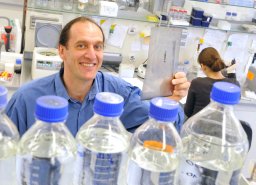 Reinhard Dammann合作论文数Medical Faculty, Martin-Luther-University Halle-Wittenberg5
 Ari Waisman合作论文数Institute for Molecular Medicine Mainz, Johannes Gutenberg University Mainz5




