How to best use tyrosine kinase inhibitors (TKIs) of BCR-ABL after allogeneic stem cell transplantation for Philadelphia chromosome–positive acute lymphoblastic leukemia (ALL) is unknown but will almost certainly not be addressed by a definitive randomized trial. Saini and colleagues provide a large body of observational data to reinforce earlier circumstantial evidence favoring prophylactic use of TKIs for at least 2 years posttransplant.
Background:Large randomized trials have shown that maintenance therapy after autologous hematopoietic cell transplantation (auto‐HCT) is associated with longer progression‐free survival (PFS) in myeloma patients. In this setting, lenalidomide, an immunomodulatory drug (IMiD), is most commonly used, however, proteasome inhibitors (PI) are also frequently used, especially in patients with high‐risk cytogenetic abnormalitiesAims:We aimed to analyse if IMiDs, PIs, or a combination of IMiD and PI offers the best maintenance approach after auto‐HCT.Methods:In this retrospective analysis, we included all myeloma patients who received an upfront auto‐HCT between January 1, 2007 and December 31, 2015, followed by maintenance therapy at MD Anderson Cancer CenterResults:Seven hundred and fifty patients, 57% males, median age at transplant 60.8 year (range: 32–80) were identified. ISS stage at diagnosis was; stage I in 273 (44%), stage II in 186 (30%), and stage III in 164 (26%) patients. The cytogenetic risk was standard in 586 (79%) patients, and high‐risk in 153 (21%) patients. Eighty‐two percent of patients had IMiD only, 8% had PI only, and 9% had both IMiD plus PI for maintenance. Median duration of maintenance was 18.5 months (0.1–94). Thirty‐eight percent of patients stopped maintenance due to disease progression,18 % due to toxicity, while 29% were still receiving maintenance at the time of analysis.The most frequent grade III‐IV toxicity was infection (41 %). Second malignancies were detected in 33 (4%) of patients, myelodysplastic syndrome being the most common (1%).Median PFS from auto‐HCT was 40.3 months. PFS in patients receiving IMiD, PI, or IMiD plus PI was 20%, 50%, and 57%, respectively (p‐value<0.001)(Figure 1). Shorter PFS was observed in patients who received PI only maintenance therapy, had ISS stages II or III, high‐risk cytogenetics, and had high bone marrow plasma cell percentage. Patients with longer duration of maintenance therapy experienced lower risk of progression/death. Duration of maintenance therapy (> 3 years vs. ≤ 3 years) was independently associated with PFS with HR (95% CI) 0.42 (0.24, 0.76) and p‐value 0.004. Median OS from auto‐HCT was 88.9 month and from initiation of maintenance therapy was 78.3 months. Overall survival (OS) at 3 years was significantly better in combined approach 80% and IMID only 84% versus PI only 73% (p‐value 0.018). Shorter OS was seen for patients receiving PI only maintenance therapy, ISS stages II or III disease, and patients with high‐risk cytogenetics. Patients who received 3 years of maintenance therapy experienced decreased risk of death compared with patients with ≤ 3 years of treatment. Adjusting for all significant measures, cytogenetic risk and duration of maintenance therapy (> 3 years vs. ≤ 3 years) remained significantly associated with OS.Summary/Conclusion:maintenance had proven its efficacy in controlling myeloma with increased PFS and improved OS. The type of maintenance used although did not reach statistical significance but combing P.I and IMID shows promise, keeping patients on maintenance for more than 3 years had a significant advantage in PFS and OS and should be exploited in future randomized controlled trials.image
Background:Allogeneic SCT is curative for pts with relapsed FL. This procedure, however, is not feasible for a substantial # of pts. As an alternative, we evaluated the role of ASCT with addition of rituximab (R) to BEAM (carmustine, etoposide, cytarabine, and melphalan) conditioning, an approach that has been shown to improve survival in pts with relapsed aggressive lymphoma receiving ASCT (Khouri IF, Clin Cancer Res 2018; 24:2304–11).Aims:Herein we report on long‐term outcomes in 96 pts with relapsed FL treated with R‐BEAM between 2000‐2017.Methods:Pts were enrolled if they had no HLA‐matched donors or were not approved by their financial carrier to receive an allogeneic SCT. Pts received two doses of rituximab (375 mg/m2 and then 375–1000 mg/m2 one week later) during mobilization of stem cells, followed by two additional doses of 375–1000 mg/m2on days +1 and +8 after ASCT with BEAM conditioning.Results:Median age was 55.7 years and 32 pts (33%) were >60 years. Thirty‐seven pts (39%) had a HCT‐CI of ≥ 3. The median prior number of treatments was 2 (range, 1–9); 66 pts (69%) had rituximab‐chemo induction at diagnosis. Sixty‐one pts (64%) relapsed within 2 years of their induction treatment and median duration of last remission prior to ASCT was ≤ 2 years in 75% of pts. Median time from diagnosis to transplant was 38.5 months. Fifty‐six (57%) pts received ASCT in first relapse. At transplant, 49 pts (51%) were in CR, 43 (45%) in PR and 4 (4%) had low volume stable disease. No pts had evidence of bone marrow involvement at SCT. Most pts (85%) received high‐dose R with the BEAM. The median number of CD34+ cells infused was 5.8 (range, 1.8–21.7) x 106/kg. With a median follow‐up for all pts of 94.1 months (range, 1.2–206.6 months), the overall survival (OS) and progression‐free‐survival (PFS) rates at 8‐years were 70% and 46%, respectively. Patient demographic data, disease characteristics, type of induction chemo and time of first or last relapse, as well as year‐and transplant characteristics and their correlation with outcomes were evaluated. Pts aged ≤ 60 years experienced significantly better OS compared with those > 60 years of age (Figure). By multivariable analysis, age ≤ 60 years [HR 0.41 (0.20, 0.86); p = 0.018] and higher dose of CD34+ cells infused [HR 0.86 (0.74, 1.00); p = 0.05] were associated with better OS and a trend for a better PFS. The 8‐year cumulative incidence of secondary MDS/AML was 8%. At the time of this analysis, 33 pts died due to disease progression (n = 15), secondary cancer (n = 10; 4 of these also had progressive lymphoma), infection (n = 4), or unknown causes (n = 4).Summary/Conclusion:These results demonstrate long‐term survival in younger pts with relapsed chemosensitive FL who received R‐BEAM followed by ASCT. Comparative analysis of this strategy to novel targeted small molecules inhibitors without ASCT is warranted.image
Background: Blastic plasmacytoid dendritic cell neoplasm (BPDCN) is a rare, aggressive hematologic malignancy arising from plasmacytoid dendritic cells. It commonly presents as skin lesions with or without bone marrow and soft tissue involvement. Limited retrospective data have shown durable remissions after both autologous (auto) or allogeneic (allo) hematopoietic cell transplantation (HCT). Aims: To evaluate progression-free survival (PFS) and overall survival (OS) after and auto or allo-HCT. Methods: In this retrospective single-center analysis, we evaluated the outcomes of BPDCN patients who received either an auto- or allo-HCT between September 2000 and January 2019 at our institution. Results: We identified 24 consecutive patients who received an auto-HCT (n = 10) or allo-HCT (n = 14) for BPDCN. Skin involvement, with or without other organs, was seen in 16 (67%), BM involvement, with or without soft tissue, in 5 (21%), and other organs in 3 (13%) patients. Patient characteristics are summarized in the attached table. In general, we used auto-HCT for older patients and those with skin-only involvement. Median age at HCT was 52 (range: 18–79) years for all patients. Median (range) follow up in auto-HCT and allo-HCT patients was 6.2 (0.2–37.6) and 8.4 (1.1–76.1) months, respectively (p = 0.52). One-hundred day and 1-year non-relapse mortality (NRM) in auto-HCT was 21% and 35%, and in allo-HCT was 7% and 32%, respectively (p = 0.58). Two of the 14 (14%) allo patients and 2 of the 10 (20%) auto patients progressed after HCT (p = 1.00). Two-year PFS was 28% (4%, 60%) and 47% (95% confidence interval = 17%, 73%) in auto and allo-HCT, respectively (p = 0.34). Two-year OS was 26% (4%, 57%) and 56% (24%, 80%) in auto and allo-HCT, respectively (p = 0.33). In patients transplanted <2015 vs. ≥ 2015, 2-year PFS was 13% vs. 54% (p = 0.009) and 2 year OS was 13% and 68% (p = 0.017).Summary/Conclusion: These results demonstrate the efficacy of both auto and allo-HCT in BPDCN, with a significant improvement in the outcome since 2015. Prospective studies are needed to better define the role of HCT in BPDCN.
Background: Patients with acute myeloid leukemia (AML) with minimal residual disease (MRD) and not in complete remission (CR) have inferior outcomes after HLA‐matched allogeneic stem cell transplantation (SCT). Haploidentical SCT (HSCT) is being increasingly used worldwide as an alternative donor source for patients who lack an HLA matched donor. The impact of MRD and disease status at transplant on HSCT outcomes for patients with AML are unknown. Aims: To determine the impact of pre‐transplant disease status on AML outcomes after HSCT. Methods: All consecutive patients with AML who underwent HSCT with post‐transplantation cyclophosphamide (PTCy)‐based graft‐versus‐host‐disease (GVHD) prophylaxis between 02/2009–10/2018 were included. MRD status was measured using flow cytometry and/or presence of cytogenetic/molecular abnormalities at time of SCT. Primary endpoints: progression‐free survival (PFS) and overall survival (OS). Secondary endpoints: cumulative incidence of relapse (CIR) and nonrelapse mortality (NRM). Kaplan‐Meier estimates, Cox proportional hazards and competing risks regression were used. Results: A total of 143 patients with a median age of 52 (18–72) were identified. Patients received conditioning with fludarabine 160 mg/m2, melphalan 100 or 140 mg/m2 and 2GyTBI, as previously described by our group (Gaballa S. Cancer. 2016). With a median follow up of 29 months, the median PFS and OS of all patients were 10 and 18 months, respectively. The 2‐year PFS and OS were 41% and 47%, respectively. Compared to patients in CR at transplant, those with active disease (n = 29) and CR with incomplete count recovery/hyoplastic marrow [CRi] (n = 39) have worse 2‐year PFS hazard ratios (HR) of 3.5 (95% CI: 2.05–6.1; p < 0.001) and 2.3 (95% CI: 1.3–3.9; p = 0.002), respectively ( Figure ). Likewise, patients with active disease (HR 3.7, 95% CI: 2.1–6.6; p < 0.001) and CRi (HR 2.1, 95% CI: 1.2–3.8; p = 0.01) had inferior 2‐year OS. Patients with active disease and CRi at transplant have statistically significant worse CIR, but comparable NRM compared to patients in CR. The median PFS and OS for patients in CR at transplant were not reached, compared to 4.3 and 6.5 months, respectively, for those with active disease and 7.1 and 10.3 months, respectively, for those with CRi. When we subgrouped patients in CR by MRD status at transplant, there was no statistically significant differences between MRD+ve (n = 24) and MRD–ve (n = 41) in both 2‐year PFS (HR 1.85, 95% CI: 0.9–4.0; p = 0.1) and OS (HR 2.1, 95% CI: 0.9–4.8; p = 0.08). In multivariable analysis, only age was predictive for outcomes ( Figure ). For ≤50 years, MRD status has no influence on outcomes with 2‐year PFS and OS of 65% and 76% and 2‐year OS of 89% and 76% for those with MRD+ve and MRD–ve, respectively (p = NS). Patients older than 50 year and with MRD+ve disease had the worst outcomes with 2‐year PFS and OS of 29% (p = 0.005) and 26% (p = 0.002), respectively. Summary/Conclusion: Our findings suggest that patients with MRD+ve have excellent outcomes with HSCT and melphalan‐based conditioning with PTCy‐based GVHD prophylaxis, especially in younger patients. Proceeding to a HSCT in patients with MRD+ve disease does not appear to compromise transplant outcomes and are better than reported outcomes with HLA matched donor transplants. Haploidentical grafts might be a preferred donor source for MRD+ve AML patients who frequently may need to proceed urgently to transplant. image
A phase 1b clinical trial of the CD40-activating antibody CP-870,893 in combination with cisplatin and pemetrexed in malignant pleural mesothelioma A. K. Nowak1,2,3*, A. M. Cook2,3, A. M. McDonnell2,3, M. J. Millward1,2, J. Creaney2,3, R. J. Francis2,3,4, A. Hasani1, A. Segal5, A. W. Musk2,6,7, B. A. Turlach8, M. J. McCoy2,9, B. W. S. Robinson2,3,6 & R. A. Lake2,3 Department of Medical Oncology, Sir Charles Gairdner Hospital, Perth; School of Medicine and Pharmacology; National Research Centre for Asbestos Related Diseases, University of Western Australia, Perth; Department of Nuclear Medicine; PathWest and; Department of Respiratory Medicine, Sir Charles Gairdner Hospital, Perth; School of Population Health; Centre for Applied Statistics, University of Western Australia, Perth; St John of God Hospital, Perth, Australia
We conducted a retrospective evaluation of response and survival for 293 patients with multiple myeloma treated since June 2000 with primary thalidomide- or bortezomib-based combinations, of whom 207 patients received intensive therapy supported by autologous blood stem cells within the first year. Survival times were calculated after a landmark of 1 year from start of therapy, so that subsequent median survival was 8.9 years for patients with CR, 4.9 years for those with PR and 0.6 year for patients with NR ( P < 0.001). Multivariate analyses confirmed CR or PR as the major favorable factors with less impact on prognosis for age or disease stage. Both novel agents and high-dose therapy (HDT) resulted in high frequencies of PR or CR, with early HDT useful for many patients with NR or PR in improving response status and subsequent survival.
Plasmablastic lymphoma (PBL) is a rare variant of diffuse large B cell lymphoma that often occurs in the setting HIV infection and is characterized by high rates of relapse and poor prognosis. The goal of the current study is to assess the outcome for early stage PBL. Eleven patients who were diagnosed with early stage PBL between 2001 and 2013 were retrospectively reviewed. Involved field or involved site radiation was administered to most patients upon completion of systemic treatment. Baseline clinical characteristics, treatment modalities, overall patient outcomes, and treatment related toxicity were assessed. The median age at diagnosis was 50 years of age with all patients male except for one. All patients had an extranodal site of involvement (7 head and neck, 2 gastrointestinal, 1 testicular, 1 bone). Seven patients were diagnosed with stage I disease and four patients had stage II disease based on locoregional nodal involvement. Two patients were HIV positive and eight were HIV negative. Epstein-Barr virus was positive in 73% of patients. Median follow up is 30 months (range 7-149). Seventy three percent of patients received hyper-CVAD based chemotherapy with remaining patients receiving CHOP or dose adjusted EPOCH. Intrathecal prophylaxis was given in 55% of patients. Radiation was administered after a complete response to chemotherapy in seven patients. One patient achieved a CR after salvage radiation for progressive disease during initial chemotherapy and then received consolidative autologous stem cell transplant. Three patients did not receive radiation (one was not offered radiation due to surgical resection at the time of diagnosis, one patient refused and one patient died due to pneumonia during initial systemic therapy). The median dose administered was 40.5 Gy (range 30.6-50). Five patients were treated with IMRT, one patient with VMAT and one with appositional electrons. All acute toxicity was grade 1-2. No grade 3 or higher late toxicity was reported. Among the 8 patients that received radiation all patients are alive, with no evidence of disease in 7 patients and unknown disease status in one patient (median OS of 23 months). In the three patients that did not receive radiation, one died during chemotherapy, one died of an unknown cause 8.5 years after diagnosis and one patient is alive with no evidence of disease. Early stage PML is a rare variant of large B cell lymphoma with a predilection for extranodal sites in the head and neck and GI tract that often occurs in HIV negative patients. Combined modality treatment with intensive chemotherapy followed by involved site radiation therapy is well tolerated and offers excellent locoregional control in this aggressive disease.
Purpose/Objective(s): To quantify the risks of acute and late ophthalmic toxicity in lymphoma patients receiving radiation therapy (RT) to ocular or periorbital structures, and to identify dosimetric factors predictive of these risks.Materials/Methods: The study population included 30 consecutive lymphoma patients who received radiation therapy to ocular or periorbital structures at our institution from 2004 to 2010.Dose-volume histograms and dosimetric data were generated for the lacrimal glands, lenses, globes and orbits bilaterally.Radiation-related toxicities including conjunctivitis, xerophthalmia and cataracts were collected from the medical record and adverse effects were graded using the Common Terminology Criteria for Adverse Events (CTCAE) v4.0.Descriptive statistics were used to characterize dosimetric factors and the distribution of toxicities.Results: The median age at diagnosis was 65 (range, 31 to 89).Marginal zone lymphoma was the most common histology (10 cases), followed by diffuse large B-cell lymphoma (6 cases).11 patients (37%) received treatment to the bilateral orbits.3D conformal therapy was used in all cases, including intensity-modulated radiation therapy in 3 cases.The median prescribed dose was 2750 cGy (range, 1980 cGy to 5000 cGy).At a median follow up of 51 months, there were no local relapses.Within the first 6 months after initiating radiation therapy, 3 patients (10%) experienced grade 2 ophthalmic toxicity comprising acute conjunctivitis or xerophthalmia.Beyond 6 months, 17 patients (57%) subsequently manifested late grade 2 toxicity comprising xerophthalmia requiring intervention or cataracts requiring surgery.There was no correlation between maximum lens dose (range 7 cGy e 3967 cGy) and the development of cataracts in the study cohort (p Z 0.42).Beyond 6 months, the lacrimal gland V5 and globe V10 were significantly correlated with the development of late xerophthalmia and grade 2 toxicity.V5 covering the entire (100%) lacrimal gland and V10 covering the entire globe were associated with late xerophthalmia (p Z 0.03 and p Z 0.006, respectively) and with the development of grade 2 toxicity (p Z 0.003 and p Z 0.005, respectively).The median globe V10 was 39.8% for patients without late xerophthalmia, in contrast to 100% for those who did develop late xerophthalmia (p Z 0.006).Conclusions: In patients receiving radiation therapy for ocular adnexal or periorbital lymphoma, attempts to spare part of the lacrimal gland and limit the globe V10 to less than 40% may reduce the risk of late xeropthalmia.
We investigated the safety and early disease control data for i.v. busulfan (Bu) in combination with clofarabine (Clo) in patients with acute lymphoblastic leukemia undergoing allogeneic hematopoietic stem cell transplantation (SCT). Fifty-one patients (median age, 36 years; range, 20-64 years) received a matched sibling (n = 24), syngeneic (n = 2), or matched unrelated donor transplant (n = 25) for acute lymphoblastic leukemia in first complete remission (n = 30), second complete remission (n = 13), or active disease (n = 8). More than one-half of the patients had a high-risk cytogenetic profile, as defined by the presence of t(9;22) (n = 17), t(4;11) (n = 3), or complex cytogenetics (n = 7). Clo 40 mg/m(2) was given once daily, with each dose followed by pharmacokinetically dosed Bu infused over 3 hours daily for 4 days, followed by hematopoietic SCT 2 days later. The Bu dose was based on drug clearance, as determined by the patient's response to a 32-mg/m(2) Bu test dose given 48 hours before the high-dose regimen. The target daily area under the receiver-operating characteristic curve was 5500 μM/min for patients age <60 years and 4000 μM/min for those age ≥60 years. The regimen was well tolerated, with a 100-day nonrelapse mortality rate of 6%. With a median follow-up of 14 months among surviving patients (range, 6-28 months), the 1-year overall survival, disease-free survival, and nonrelapse mortality rates were 67% (95% confidence interval [CI], 55%-83%), 54% (95% CI, 41%-71%), and 32% (95% CI, 16%-45%), respectively. For patients undergoing SCT in first remission, these respective rates were 74%, 64%, and 25%. Our data indicate that the combination of Clo and Bu provides effective disease control while maintaining a favorable safety profile.
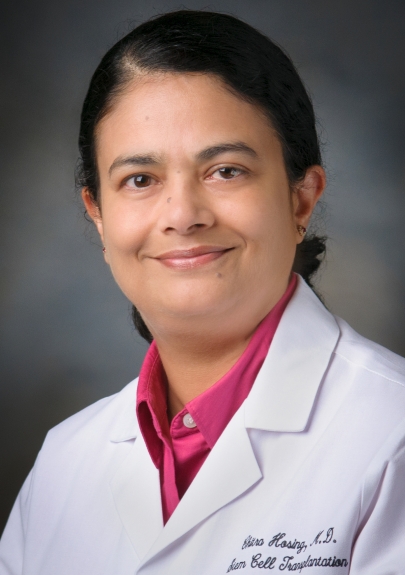 Chitra Hosing合作论文数Department of Stem Cell Transplantation and Cellular Therapy, Division of Cancer Medicine, The University of Texas MD Anderson Cancer Center27
 Uday Popat合作论文数26Kebriaei Partow合作论文数24Richard E Champlin合作论文数24
 Elizabeth J. Shpall合作论文数Department of Stem Cell Transplantation and Cellular Therapy, Division of Cancer Medicine, The University of Texas MD Anderson Cancer Center23
 Sergio A. Giralt合作论文数Division of Hematologic Malignancies, Memorial Sloan Kettering Cancer Center;Weill Cornell Medical College, Memorial Sloan Kettering Cancer Center21A. Alousi合作论文数19P Anderlini合作论文数17M de Lima合作论文数16
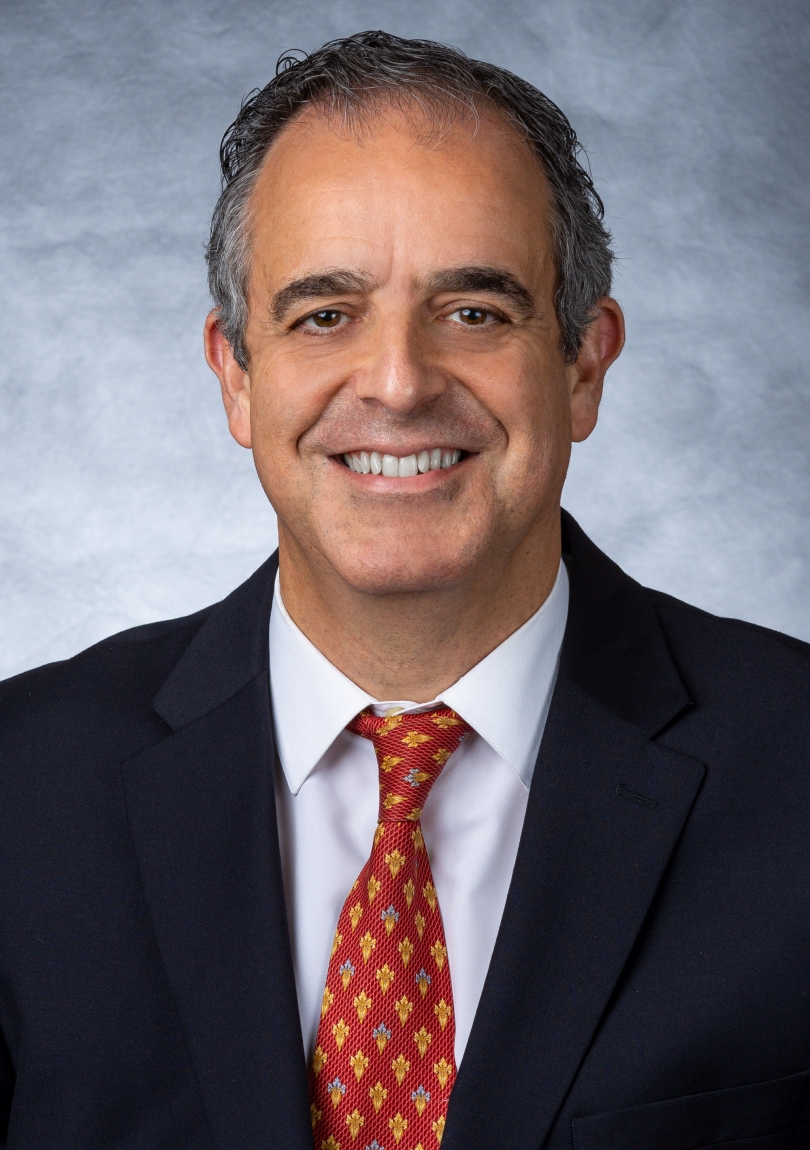 Yago L. Nieto合作论文数Department of Stem Cell Transplantation and Cellular Therapy, Division of Cancer Medicine, The University of Texas MD Anderson Cancer Center15Qaiser Bashir合作论文数13
 Stefan Octavian Ciurea合作论文数School of Medicine, University of California, Irvine12R Saliba合作论文数11
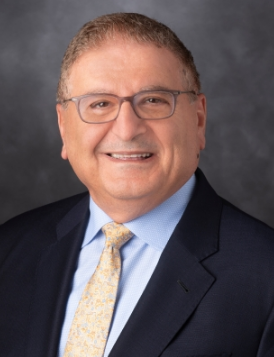 Issa F. Khouri合作论文数Department of Stem Cell Transplantation and Cellular Therapy, Division of Cancer Medicine, The University of Texas MD Anderson Cancer Center10G Rondon合作论文数8
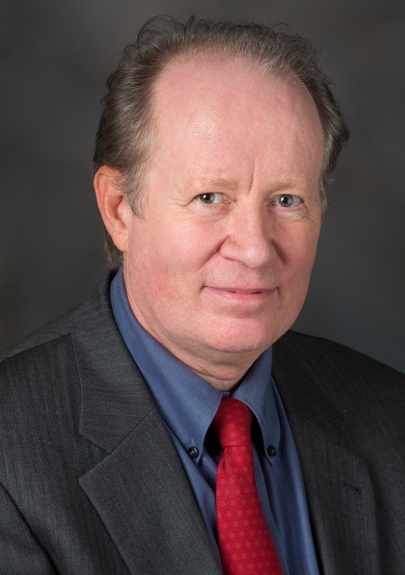 Borje S. Andersson合作论文数Department of Stem Cell Transplantation and Cellular Therapy, Division of Cancer Medicine, The University of Texas MD Anderson Cancer Center;College of Pharmacy, University of Houston8
 Richard E. Champlin合作论文数Department of Stem Cell Transplantation and Cellular Therapy, Division of Cancer Medicine, The University of Texas MD Anderson Cancer Center;Division of Internal Medicine, The University of Texas Health Science Center7Issa F Khouri合作论文数7Roland L. Bassett合作论文数The University of Texas MD Anderson Cancer Center6
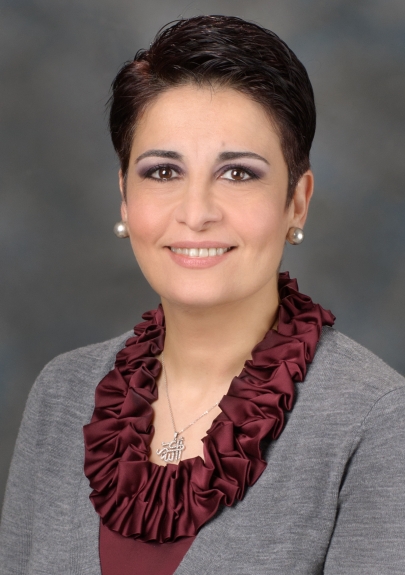 Bouthaina S. Dabaja合作论文数Department of Radiation Oncology, Division of Radiation Oncology, The University of Texas MD Anderson Cancer Center;Department of Leukemia, Division of Cancer Medicine, The University of Texas MD Anderson Cancer Center6B Andersson合作论文数5D Weber合作论文数5
 Brad Jones合作论文数Joan and Sanford I. Weill Department of Medicine, Weill Cornell Medicine, Cornell University5
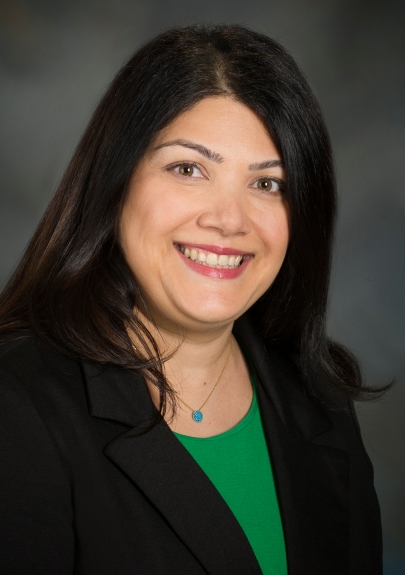 Sairah Ahmed合作论文数Department of Lymphoma/Myeloma, Division of Cancer Medicine, The University of Texas MD Anderson Cancer Center5
 Chelsea C. Pinnix合作论文数Division of Radiation Oncology, Department of Radiation Oncology, MD Anderson Cancer Center, The University of Texas;Howard University5Yasuhiro Oki合作论文数5
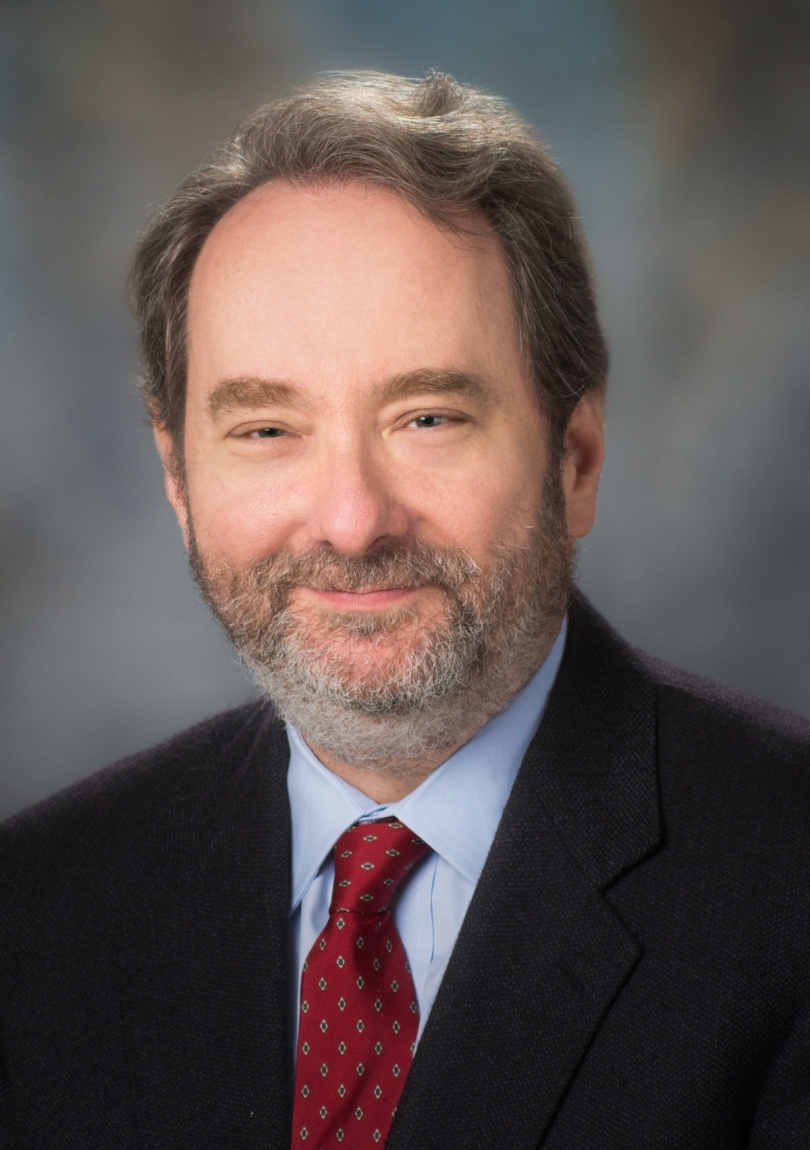 Robert Z. Orlowski合作论文数Department of Lymphoma - Myeloma, Division of Cancer Medicine, The University of Texas MD Anderson Cancer Center;Department of Experimental Therapeutics, Division of Cancer Medicine, The University of Texas MD Anderson Cancer Center5C. Ledesma合作论文数4M. Fanale合作论文数4R. Jones合作论文数4F Hagemeister合作论文数4R Alexanian合作论文数4D Couriel合作论文数4N Shah合作论文数4
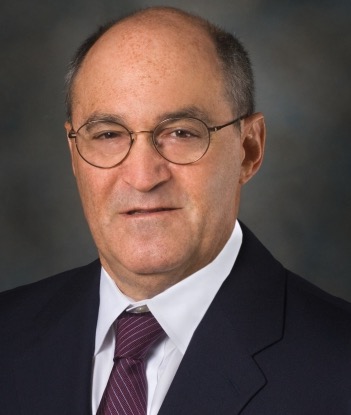 Peter F. Thall合作论文数Department of Biostatistics, The University of Texas MD Anderson Cancer Center4Gloria Mccormick合作论文数4
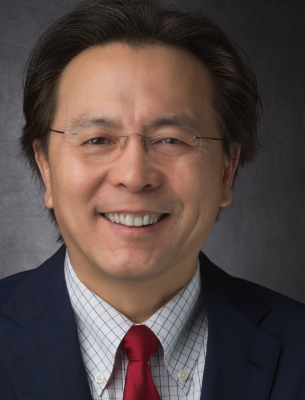 Luhua Wang(Michael)合作论文数The University of Texas MD Anderson Cancer4Simrit Parmar合作论文数4Betul Oran合作论文数4Gj Okoroji合作论文数3M Donato合作论文数3A. Olson合作论文数3
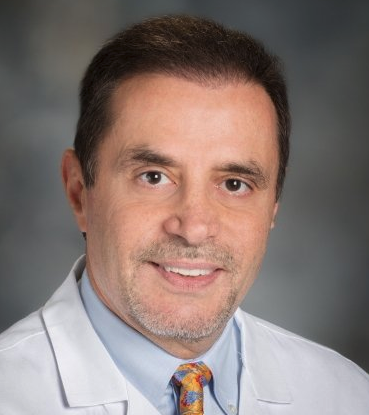 Hagop M. Kantarjian合作论文数Department of Leukemia, Division of Cancer Medicine, The University of Texas MD Anderson Cancer Center3
 Elisabet Manasanch合作论文数Center for Cancer Research, National Cancer Institute, National Institutes of Health3Denái Milton合作论文数The University of Texas MD Anderson Cancer Center3Thomas Sheeba K合作论文数3de Lima Marcos J合作论文数3
 Patel Krish合作论文数3




