Artificial intelligence (AI) is rapidly transforming biomolecular and material design, enabling advances in protein engineering, drug discovery, and material innovation. Yet, growing evidence shows that AI-generated candidates often violate physical laws, diverge from scientific objectives, or neglect safety and regulatory principles—revealing a fundamental misalignment between computational outputs and real-world requirements. Here, we propose comprehensive alignment , a framework that links AI systems not only to statistical data distributions but also to natural laws, scientific goals, and responsible research principles. Drawing examples across proteins, drugs, and materials, we illustrate how neglecting any alignment layer can yield unstable folds, unsynthesizable molecules, or unsafe outcomes. We then outline strategies to bridge these gaps through enriched datasets, hybrid physics-informed architectures, multi-objective evaluation, and closed-loop feedback. Together, these changes recast AI from a one-way generator into a trustworthy copilot—capable of accelerating discovery while remaining anchored in the principles that govern scientific validity and societal responsibility.
Current molecular generation benchmarks emphasize task complexity, molecule novelty, and property alignment; they largely overlook a critical concern: the potential safety risks of AI-generated molecules. In practice, many generative models may produce molecules with toxic, reactive, or otherwise hazardous characteristics - posing hidden dangers that remain insufficiently addressed. To address this gap, we introduce MolSafeEval, a benchmark dedicated to evaluating and analyzing the safety risks of molecular generation. Unlike prior approaches that rely on narrow toxicity predictors, MolSafeEval integrates heterogeneous safety knowledge - ranging from toxicological databases to hazard rules - into a structured molecular safety knowledge graph. This graph serves as a foundation for large language model-based reasoning, enabling systematic detection and explanation of unsafe features in generated compounds. We further categorize molecular generative models into four representative task types - unconditional generation, property optimization, target protein-based design, and text-based generation - and provide standardized datasets and safety evaluation protocols for each. By systematically revealing the safety vulnerabilities of current generative approaches, MolSafeEval offers a new lens for benchmarking molecular models and provides essential guidance toward safer, more trustworthy molecular design.
Knowledge graphs have emerged as a powerful paradigm for structuring, organizing and reasoning over complex scientific knowledge, and are increasingly recognized as catalysts for accelerating AI for science. This study provides a comprehensive survey of scientific knowledge graphs (SciKGs), covering their construction methodologies and diverse applications across biology, chemistry and materials science. We examine how SciKGs support tasks such as drug development, omics analysis, reaction prediction and materials design, and highlight how the synergistic integration of SciKGs and large language models (LLMs) forms a knowledge- and language-driven framework for scientific discovery, in which SciKGs serve as the foundational knowledge infrastructure and LLMs act as dynamic semantic engines. We further identify key challenges and outline emerging opportunities for building auditable, interoperable and self-evolving SciKGs. Looking forward, we envision a new generation of SciKG-centered ecosystems where self-updating graphs, co-evolving with LLMs and embodied within AI scientists, become core infrastructures that autonomously drive, verify and accelerate scientific discovery.
Medical diagnosis is a complex, iterative process that relies heavily on clinicians’ reasoning and judgment. Traditional models, while able to provide consistent diagnostic results, fail to replicate the reasoning process of clinicians, making their outputs difficult to understand and justify. In this paper, we address this limitation by first generating clinical notes that capture the clinician’s diagnostic reasoning. These notes are then used to train a large language model, allowing it to mimic the step-by-step reasoning employed by clinicians during diagnosis. Our method introduces a hierarchical agent reflection mechanism to generate clinical notes, which deconstructs the diagnostic process into key stages, each handled by specialized agents. This structured approach not only improves the accuracy and reliability of the generated clinical notes but also ensures that the model’s reasoning aligns with human clinical practice. Experimental results show that models trained on this data outperform both general-purpose large language models and domain-specific medical models in diagnostic tasks. The proposed method enhances diagnostic transparency and interpretability, offering a valuable tool for AI-assisted clinical decision-making.
The rapid evolution of Large Language Models has catalyzed a surge in scientific idea production, yet this leap has not been accompanied by a matching advance in idea evaluation. The fundamental nature of scientific evaluation needs knowledgeable grounding, collective deliberation, and multi-criteria decision-making. However, existing idea evaluation methods often suffer from narrow knowledge horizons, flattened evaluation dimensions, and the inherent bias in LLM-as-a-Judge. To address these, we regard idea evaluation as a knowledge-grounded, multi-perspective reasoning problem and introduce , a deep innovation evaluation framework designed to emulate human-level idea assessment. We apply a heterogeneous deep knowledge search engine that retrieves and grounds dynamic evidence from diverse online sources. We further achieve review consensus with an innovation review board containing reviewers with distinct academic backgrounds, enabling a multi-dimensional decoupled evaluation across multiple metrics. We construct comprehensive datasets derived from authoritative peer-reviewed submissions to benchmark InnoEval. Experiments demonstrate that InnoEval can consistently outperform baselines in point-wise, pair-wise, and group-wise evaluation tasks, exhibiting judgment patterns and consensus highly aligned with human experts.
Accurate prediction of protein-ligand binding affinity is critical for drug discovery. While recent deep learning approaches have demonstrated promising results, they often rely solely on structural features of proteins and ligands, overlooking their valuable biochemical knowledge associated with binding affinity. To address this limitation, we propose KEPLA, a novel deep learning framework that explicitly integrates prior knowledge from Gene Ontology and ligand properties to enhance prediction performance. KEPLA takes protein sequences and ligand molecular graphs as input and optimizes two complementary objectives: (1) aligning global representations with knowledge graph relations to capture domain-specific biochemical insights, and (2) leveraging cross attention between local representations to construct fine-grained joint embeddings for prediction. Experiments on two benchmark datasets across both in-domain and cross-domain scenarios demonstrate that KEPLA consistently outperforms state-of-the-art baselines. Furthermore, interpretability analyses based on knowledge graph relations and cross attention maps provide valuable insights into the underlying predictive mechanisms.
Reward models (RMs) are central to aligning large language models, yet their practical effectiveness hinges on generalization to unseen prompts and shifting distributions. Most existing RM evaluations rely on static, pre-annotated preference datasets, which provide limited coverage and often fail to faithfully assess generalization in open-world settings. We introduce Pairwise Maximum Discrepancy Competition (PMDC), a dynamic and annotation-efficient framework for evaluating RM generalization using a large, unlabeled, open-domain prompt pool. PMDC actively selects prompt–response pairs that maximize disagreement between two RMs, yielding a compact set of highly contentious test cases. These cases are adjudicated by an oracle, and the resulting outcomes are aggregated via a Bradley–Terry model to produce a global ranking and pairwise win-rate landscape of RMs. We apply PMDC to re-evaluate 10 representative RMs and observe substantial rank reshuffling compared with conventional benchmarks. Qualitative analyses further uncover systematic generalization failures, providing valuable insights for improving reward modeling.
While chain-of-thought (CoT) distillation from advanced large language models (LLMs) has proven effective in general reasoning tasks, it struggles in scientific domains where even advanced models often produce incorrect or superficial reasoning due to high complexity and specialized knowledge requirements. Directly distilling from such flawed outputs results in low-quality training data and limits the performance of smaller student models. To overcome this, we propose CoT-Evo, an evolutionary CoT distillation framework. It begins by constructing a diverse pool of reasoning trajectories from multiple LLM thinkers, enriches them with automatically retrieved domain knowledge, and iteratively refines the trajectories using novelty-driven selection, reflective recombination and mutation. The refinement is guided by a fitness function that evaluates answer correctness, coherence, and effective knowledge utilization. This results in a high-quality CoT dataset tailored for scientific reasoning. We employ this evolved dataset to fine-tune a compact model, which achieves state-of-the-art performance on scientific reasoning benchmarks. Our work establishes a scalable approach to synthesizing high-fidelity scientific reasoning data from diverse and fallible LLMs.
Enzyme–reaction retrieval is a fundamental problem in computational biology, underpinning enzyme characterization, reaction mechanism elucidation, and the rational design of metabolic pathways and biocatalysts. As a bidirectional task, it entails both enzyme-to-reaction and reaction-to-enzyme mapping. However, existing approaches suffer from poor generalization across tasks and distributions, with performance highly sensitive to dataset splits and substantial asymmetry between retrieval directions. To address these challenges, we present TIGER, a Text-Informed Generalized Enzyme-Reaction Retrieval framework that leverages protein-to-text generation models to distill textual semantic knowledge from enzyme sequences, providing a generalized representation that bridges enzymes and biochemical reactions. To ensure the quality and reliability of textual semantics, we design a Dynamic Gating Network that adaptively fuses text-derived knowledge with sequence features, enabling more consistent and informative enzyme representations, while a Structure-Shared Feature Projector aligns enzyme and reaction representations within a unified latent space. Extensive experiments demonstrate that, under bidirectional retrieval supervision, TIGER significantly outperforms state-of-the-art baselines across diverse distributions and exhibits strong robustness and transferability across tasks.
Artificial intelligence is rapidly entering the core workflows of scientific research. Yet reliable scientific reasoning requires access to accumulated scientific knowledge with sufficient breadth, depth, and standardization. Current AI scientists typically assemble scientific knowledge through workflow- and discipline-specific pipelines, which provide incomplete coverage, leave relations implicit, and make knowledge acquisition pathways fragmented. Here we present SciAtlas, a shared, machine-actionable cross-disciplinary scholarly knowledge infrastructure that integrates evidential, conceptual, disciplinary, expertise, and normative layers under a shared schema. SciAtlas further achieves a unified neuro-symbolic retrieval mechanism that grounds heterogeneous research objects, propagates relevance across the scholarly topology, and projects the resulting relevance field into the context required by each scientific workflow. Across three representative workflows, SciAtlas broadens trajectory reconstruction by recovering overlooked research branches, deepens opportunity discovery by uncovering underexplored bottlenecks and cross-domain insights, and strengthens innovation assessment by integrating evidence, expertise, and evaluation signals. Across three representative workflows, SciAtlas broadens trajectory reconstruction by recovering overlooked stages and branches, deepens opportunity discovery by uncovering underexplored bottlenecks and cross-domain connections, and standardizes innovation assessment by integrating evidence, expertise and evaluation signals. Extensive evaluations validate the foundational capabilities underpinning it as reusable knowledge infrastructure for knowledge-intensive scientific research.
Large Language Models (LLMs) have shown impressive capabilities in contextual understanding and reasoning. However, evaluating their performance across diverse scientific domains remains underexplored, as existing benchmarks primarily focus on general domains and fail to capture the intricate complexity of scientific data. To bridge this gap, we construct SciCUEval, a comprehensive benchmark dataset tailored to assess the scientific context understanding capability of LLMs. It comprises ten domain-specific sub-datasets spanning biology, chemistry, physics, biomedicine, and materials science, integrating diverse data modalities including structured tables, knowledge graphs, and unstructured texts. SciCUEval systematically evaluates four core competencies: Relevant information identification, Information-absence detection, Multi-source information integration, and Context-aware inference, through a variety of question formats. We conduct extensive evaluations of state-of-the-art LLMs on SciCUEval, providing a fine-grained analysis of their strengths and limitations in scientific context understanding, and offering valuable insights for the future development of scientific-domain LLMs.
While Large Language Models (LLMs) have revolutionized scientific text processing, they exhibit a significant capability gap when interpreting chemical reaction diagrams. We identify two fundamental bottlenecks restricting current systems: a Visual Deficit, where generic vision encoders struggle to resolve the strict topological connectivity of dense molecular graphs, and a Semantic Disconnect, where standard linear strings, such as SMILES, fail to effectively activate the model's latent chemical reasoning. To bridge these gaps, we propose the Chemical Visual Activation (ChemVA) framework, which employs a Visual Anchor mechanism to ground functional groups via hybrid-granularity detection, followed by a semantic alignment approach that translates visual features into entity names to maximize knowledge activation in LLMs. We evaluate our approach on OCRD-Bench, a newly constructed dataset featuring dense visual-semantic contexts and comprehensive reaction coverage to evaluate the full spectrum from recognition to reasoning. Extensive experiments on OCRD-Bench demonstrate that ChemVA achieves 92.0
Large language model (LLM) agents have been increasingly adopted in scientific research for organizing and invoking specialized computational tools. However, their reliance on predefined tool spaces with static semantics limits their applicability to open-world scientific workflows, where tool requirements, capabilities, and boundaries evolve dynamically. To this end, we propose SciToolAgent-Evo, an ontology-aware self-evolving agent for open-world scientific tool acquisition. Driven by an evolving memory of skills, experiences, and an ontologized tool graph, it distills generalizable knowledge from contrastive trajectories during accumulation, whereas during inference, it formulates active requests and utilizes a LinUCB-based bandit gate to dynamically balance exploration and exploitation. Once a novel tool is acquired, its scientific ontology is completed online for seamless integration into the known graph. Moreover, we introduce OpenSciToolBench, a benchmark containing 900 realistic tasks across four difficulty levels. Extensive evaluations show that SciToolAgent-Evo achieves state-of-the-art performance, validating its robustness and generalization.
Recent advancements in large language models (LLMs) have accelerated progress toward artificial general intelligence, yet their potential to generate harmful content poses critical safety challenges. Existing alignment methods often struggle to cover diverse safety scenarios and remain vulnerable to adversarial attacks. In this work, we propose SAFER, a framework for Safety Alignment via eFficient Ex-Ante Reasoning. Our approach instantiates structured Ex-Ante reasoning through initial assessment, rule verification, and path calibration, and embeds predefined safety rules to provide transparent and verifiable safety judgments. Specifically, our approach consists of two training stages: (1) supervised fine-tuning with synthetic traces to teach the multi-stage Ex-Ante reasoning, and (2) step-level reasoning preference optimization to jointly enhance safety, utility, and efficiency. Experiments on multiple open-source LLMs demonstrate that SAFER significantly enhances safety performance while maintaining helpfulness and response efficiency.
Artificial intelligence has demonstrated remarkable capability in predicting scientific properties, yet scientific discovery remains an inherently physical, long-horizon pursuit governed by experimental cycles. Most current computational approaches are misaligned with this reality, framing discovery as isolated, task-specific predictions rather than continuous interaction with the physical world. Here, we argue for embodied science, a paradigm that reframes scientific discovery as a closed loop tightly coupling agentic reasoning with physical execution. We propose a unified Perception-Language-Action-Discovery (PLAD) framework, wherein embodied agents perceive experimental environments, reason over scientific knowledge, execute physical interventions, and internalize outcomes to drive subsequent exploration. By grounding computational reasoning in robust physical feedback, this approach bridges the gap between digital prediction and empirical validation, offering a roadmap for autonomous discovery systems in the life and chemical sciences.
Current AI agents can flexibly invoke tools and execute complex tasks, yet their long-term advancement is hindered by the lack of systematic accumulation and transfer of skills. Without a unified mechanism for skill consolidation, agents frequently “reinvent the wheel”, rediscovering solutions in isolated contexts without leveraging prior strategies. To address this challenge, we introduce SkillNet, an open infrastructure for creating, evaluating, and organizing AI skills at scale. SkillNet structures skills within a unified ontology that supports creating skills from heterogeneous sources, establishing rich relational connections, and performing multi-dimensional evaluation across Safety, Completeness, Executability, Maintainability, and Cost-awareness. Our infrastructure integrates a repository of over 600,000 skills, an interactive platform, and a versatile Python toolkit. Experiments on ALFWorld, WebShop, and ScienceWorld show 40
Retrieving molecular structures from tandem mass spectra is a crucial step in rapid compound identification. Existing retrieval methods, such as traditional mass spectral library matching, suffer from limited spectral library coverage, while recent cross-modal representation learning frameworks often encounter modality misalignment, resulting in suboptimal retrieval accuracy and generalization. To address these limitations, we propose GLMR, a Generative Language Model-based Retrieval framework that mitigates the cross-modal misalignment through a two-stage process. In the pre-retrieval stage, a contrastive learning-based model identifies top candidate molecules as contextual priors for the input mass spectrum. In the generative retrieval stage, these candidate molecules are integrated with the input mass spectrum to guide a generative model in producing refined molecular structures, which are then used to re-rank the candidates based on molecular similarity. Experiments on both MassSpecGym and the proposed MassRET-20k dataset demonstrate that GLMR significantly outperforms existing methods, achieving over 40% improvement in top-1 accuracy and exhibiting strong generalizability.
Traditional protein engineering methods, such as directed evolution, while effective, are often slow and labor-intensive. Advances in machine learning and automated biofoundry present new opportunities for optimizing these processes. This study devises a protein language model-enabled automatic evolution platform, a closed-loop system for automated protein engineering within the Design-Build-Test-Learn cycle. The protein language model ESM-2 makes zero-shot prediction of 96 variants to initiate the cycle. The biofoundry constructs and evaluates these variants, and feeds the results back to a multi-layer perceptron to train a fitness predictor, which then makes prediction of second round of 96 variants with improved fitness. With the tRNA synthetase as a model enzyme, four-rounds of evolution carried out within 10 days lead to mutants with enzyme activity improved by up to 2.4-fold. Our system significantly enhances the speed and accuracy of protein evolution, driving faster advancements in protein engineering for industrial applications.
 Qiang Zhang (张强)合作论文数Zhejiang University-University of Illinois Urbana-Champaign Institute44
 Huajun Chen (陈华钧)合作论文数College of Computer Science and Technology, Zhejiang University41
 Kehua Feng合作论文数Zhejiang University19
 Xiang Zhuang (庄祥)合作论文数College of Computer Science and Technology, Zhejiang University18
 Shiqi Wang (王诗淇)合作论文数Department of Computer Science, City University of Hong Kong14
 Ming Qin合作论文数10Zeyuan Wang合作论文数College of Computer Science and Technology, Zhejiang University;Hangzhou Global Scientific and Technological Innovation Center, Zhejiang University;AZFT Joint Lab for Knowledge Engine8
 Kede Ma (馬柯德)合作论文数Multimedia Analytics Laboratory, Department of Computer Science, City University of Hong Kong7
 Haofen Wang (王昊奋)合作论文数College of Design and Innovation, Tongji University5Bin Wu (巫斌)合作论文数School of Mathematics, Sun Yat-sen University5
 Emine Yilmaz合作论文数Department of Computer Science, University College London;Amazon4
 Ningyu Zhang (张宁豫)合作论文数College of Computer Science and Technology, Zhejiang University4
 Xiaoli Tong合作论文数4
 Zhihua Wang合作论文数3
 Shuofei Qiao (乔硕斐)合作论文数Zhejiang University3
 Eero P. Simoncelli合作论文数Faculty of Arts & Science, New York University;The Center for Neural Science, New York University;Courant Institute of Mathematical Sciences, New York University;Center for Data Science, New York University;Department of Psychology, New York University3
 Haoran Yu (于浩然)合作论文数College of Chemical and Biological Engineering, Zhejiang University3
 Wen Zhang (张文)合作论文数College of Computer Science and Technology, Zhejiang University;School of Software Technology, Zhejiang University3
) Huabin Xing (邢华斌)合作论文数College of Chemical and Biological Engineering, Zhejiang University3
Huabin Xing (邢华斌)合作论文数College of Chemical and Biological Engineering, Zhejiang University3 Jeff Z. Pan合作论文数College of Science and Engineering, School of Informatics, University of Edinburgh;Huawei Technologies Research & Development (UK) Ltd;The Alan Turing Institute3Zairun Yang合作论文数Zhejiang University2
 Mengru Wang合作论文数Zhejiang University2Yi Yang (杨奕)合作论文数ZJU-Hangzhou Global Scientific and Technological Innovation Center2
 Zhangkai Ni (倪张凯)合作论文数School of Computer Science and Technology, Tongji University2
 Yin Fang (方尹)合作论文数College of Computer Science and Technology, Zhejiang University2Jiyu Cui (崔稷宇)合作论文数2Yinuo Jiang合作论文数2
 Zhenping Li (李振平)合作论文数军事科学院信息中心2
 Shumin Deng (邓淑敏)合作论文数Department of Computer Science, School of Computing, National University of Singapore2
 Chengfei Lv合作论文数Alibaba Grp, Hangzhou, Peoples R China2
 Hongyang Chen (陈红阳)合作论文数Research Center for Data Hub and Security, Zhejiang Lab;Hangzhou Institute for Advanced Study, UCAS2
 Qingyu Yin合作论文数Amazon2
 Tongtong Wu (吴桐桐)合作论文数Department of Data Science & AI, Monash University2
 Yu Yang合作论文数2Guirong Weng (翁桂荣)合作论文数School of Mechanical and Electrical Engineering, Soochow University2
 Hanwei Zhu (诸汉炜)合作论文数College of Computing and Data Science, Nanyang Technological University;Alibaba-NTU Global e-Sustainability CorpLab, Nanyang Technological University2
 Zhiqiang Zhang (张志强)合作论文数Ant Group2
 Xiaohui Fan (范骁辉)合作论文数College of Pharmaceutical Sciences, Zhejiang University;Zhejiang Chinese Medical University2
 Yuming Fang (方玉明)合作论文数Jiangxi University of Finance and Economics2
 Xiuqin Rao (饶秀勤)合作论文数College of Biosystems Engineering and Food Science, Zhejiang University2
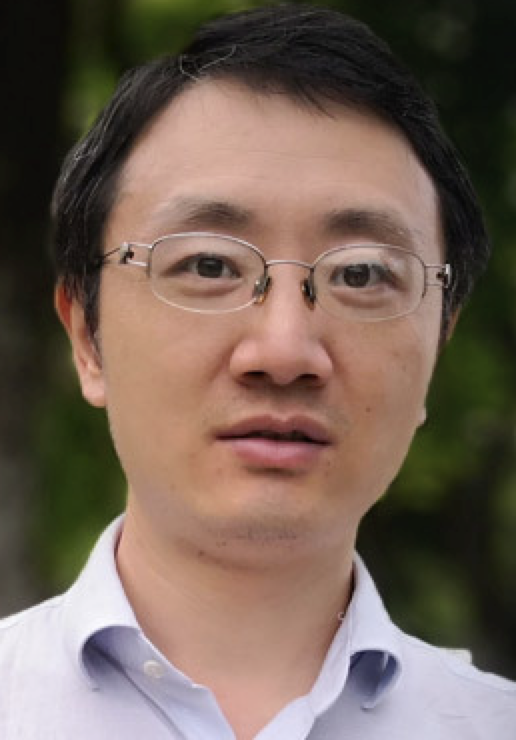 Guilin Qi (漆桂林)合作论文数School of Computer Science and Engineering, Southeast University2
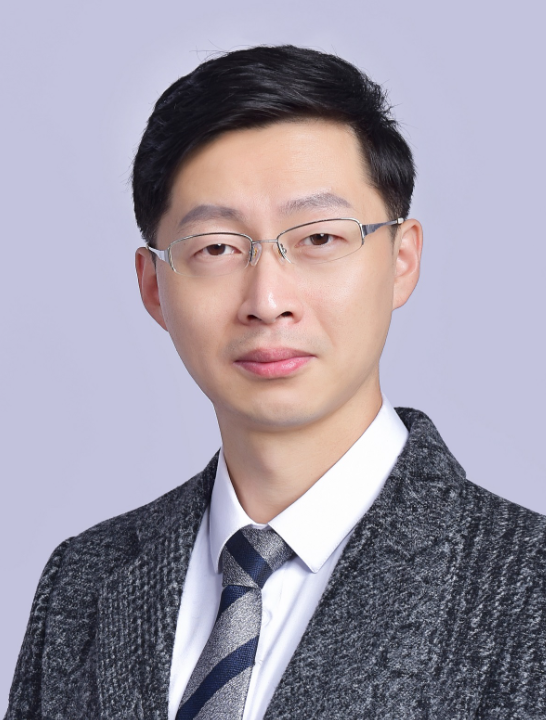 Renjun Xu (徐仁军)合作论文数Center for Data Science, Zhejiang University2
 Hongbin Ye (叶宏彬)合作论文数Big Data Research Institute, Zhejiang Provincial Center for Disease Control and Prevention2
 Yuhang Zhang (章宇航)合作论文数University of Science and Technology of China;City University of Hong Kong1Yichi Zhang (张溢弛)合作论文数Zhejiang University1Lei Liang合作论文数1Deng Zhao合作论文数1Yan Xiaodong合作论文数1Gang Yu合作论文数1




