Background:Large randomized trials have shown that maintenance therapy after autologous hematopoietic cell transplantation (auto‐HCT) is associated with longer progression‐free survival (PFS) in myeloma patients. In this setting, lenalidomide, an immunomodulatory drug (IMiD), is most commonly used, however, proteasome inhibitors (PI) are also frequently used, especially in patients with high‐risk cytogenetic abnormalitiesAims:We aimed to analyse if IMiDs, PIs, or a combination of IMiD and PI offers the best maintenance approach after auto‐HCT.Methods:In this retrospective analysis, we included all myeloma patients who received an upfront auto‐HCT between January 1, 2007 and December 31, 2015, followed by maintenance therapy at MD Anderson Cancer CenterResults:Seven hundred and fifty patients, 57% males, median age at transplant 60.8 year (range: 32–80) were identified. ISS stage at diagnosis was; stage I in 273 (44%), stage II in 186 (30%), and stage III in 164 (26%) patients. The cytogenetic risk was standard in 586 (79%) patients, and high‐risk in 153 (21%) patients. Eighty‐two percent of patients had IMiD only, 8% had PI only, and 9% had both IMiD plus PI for maintenance. Median duration of maintenance was 18.5 months (0.1–94). Thirty‐eight percent of patients stopped maintenance due to disease progression,18 % due to toxicity, while 29% were still receiving maintenance at the time of analysis.The most frequent grade III‐IV toxicity was infection (41 %). Second malignancies were detected in 33 (4%) of patients, myelodysplastic syndrome being the most common (1%).Median PFS from auto‐HCT was 40.3 months. PFS in patients receiving IMiD, PI, or IMiD plus PI was 20%, 50%, and 57%, respectively (p‐value<0.001)(Figure 1). Shorter PFS was observed in patients who received PI only maintenance therapy, had ISS stages II or III, high‐risk cytogenetics, and had high bone marrow plasma cell percentage. Patients with longer duration of maintenance therapy experienced lower risk of progression/death. Duration of maintenance therapy (> 3 years vs. ≤ 3 years) was independently associated with PFS with HR (95% CI) 0.42 (0.24, 0.76) and p‐value 0.004. Median OS from auto‐HCT was 88.9 month and from initiation of maintenance therapy was 78.3 months. Overall survival (OS) at 3 years was significantly better in combined approach 80% and IMID only 84% versus PI only 73% (p‐value 0.018). Shorter OS was seen for patients receiving PI only maintenance therapy, ISS stages II or III disease, and patients with high‐risk cytogenetics. Patients who received 3 years of maintenance therapy experienced decreased risk of death compared with patients with ≤ 3 years of treatment. Adjusting for all significant measures, cytogenetic risk and duration of maintenance therapy (> 3 years vs. ≤ 3 years) remained significantly associated with OS.Summary/Conclusion:maintenance had proven its efficacy in controlling myeloma with increased PFS and improved OS. The type of maintenance used although did not reach statistical significance but combing P.I and IMID shows promise, keeping patients on maintenance for more than 3 years had a significant advantage in PFS and OS and should be exploited in future randomized controlled trials.image
Abstract Background The overall prognosis for most acute myeloid leukemia (AML) patients remains poor with only 50-55% of patients achieving durable remission. The majority of adult patients (pts) who do achieve remission, will ultimately need allogeneic stem cell transplant (allo-SCT) to achieve long term survival. Treatment of AML requires intensive therapy, transfusion support, antimicrobials, and repeated admissions to the hospital. Limited data is available comparing epidemiology and treatment according to the distance from patient residence to treatment center. Oklahoma University Health Sciences Center (OUHSC) is the major tertiary center for Oklahoma residents to receive treatment for AML. Few patients receive AML treatment from distant states or oversea areas. We describe a retrospective analysis of adult pts with AML treated at our institution evaluating impact on distance from center. Methods From January 2000 to June 2011,we identified a total of 269 patients with 217 meeting inclusion criteria for the study. We then performed an analysis of variance (ANOVA) on the relationship between distance to treatment center (in miles) and relapse rate or remission rates. Kaplan-Meier method was used to estimate survival rates. Age and cytogenetics were identified as the major confounders. A Cox Proportional Hazards model on overall survival (OS) was implemented using the independent variables age category ( ≤60 and > 60), cytogenetic risk status (groups were divided into favorable, intermediate and unfavorable risks), and distance to treatment center. Statistical analysis was performed using SAS 9.2 software (SAS Institute Inc.). Fisher’s exact test was used to compare patients in the different groups. Results Of the 217 pts (52.2% Males, 47.8% Females) included in the study, 81.5% were white, 9.0% African American, and 6.2% Native American. Median age at diagnosis was 51.0 years. Median distance to treatment center was 62 miles (range: 0-420). Distance of residence to treatment center was significantly related to complete remission rates, with patients living at longer distances having lower chances of achieving complete remission( p = 0.03). Distance from residence to treatment center however was not related to the risk of having relapsed disease (p = 0.22). A Cox proportional hazard model was performed including distance to travel, age and cytogenetic risks (unfavorable versus intermediate or favorable) and revealed that all three variables are associated with a trend towards shorter overall survival (p <0.1). Conclusions In this present study, we have identified that distance from residence to treatment center as a risk factor for achieving lower complete remission rate with no significant effect on the risk of relapse. There was a trend toward lower overall survival for those who live at longer distance from center. Further analysis of this dataset will identify the impact of other pretreatment variables on the distance to treatment center by performing a multivariate analysis. Larger studies are needed to further explore the impact of distance to treatment center on outcome in patients with AML. Disclosures: No relevant conflicts of interest to declare.
Background: The duration of time from the diagnosis of acute myeloid leukemia (AML) to the initiation of chemotherapy is dependent on multiple factors. Previous studies suggest that delays in the time from diagnosis to treatment do not impact overall survival (OS) and complete remission (CR). As a result, awaiting laboratory analysis of molecular targets for therapy, specifically FLT3, has become more commonly adopted by clinicians. However, this strategy can lead to significant delays in initiation of chemotherapy. The aim of this study is to analyze the impact of delaying chemotherapy on OS and CR in AML patients. Methods: We performed a retrospective analysis on adult patients with AML who were treated with induction chemotherapy at The University of Oklahoma Health Sciences Center from January 2000 to June 2012. Time from admission to treatment (TAT) was calculated from the date of admission to the date of initiation of chemotherapy. In addition, we analyzed the admission day of the week and its association with TAT (days). Association between CR and TAT was assessed using ANOVA and Chi-Square tests. Kaplan-Meier estimates of median OS were calculated for groups defined by categorical variables. A Cox Proportional Hazards model on OS was implemented using TAT, age, risk status (favorable, intermediate and unfavorable risks), day of admission, distance to hospital, and white blood cell (WBC) count. Interaction was assessed and a backward selection procedure was used to find the covariates associated with OS. Statistical analysis was performed using SAS 9.3 software. Results: A total of 160 patients with AML received induction chemotherapy at our institution during the defined time, with 137 meeting inclusion criteria. The median age at diagnosis was 51 years with 63.7% being male and 36.3% being female. Of these patients, 77.0% were white, 10.6% African American, 6.2% Native American and 3.7% Hispanic. The median TAT for all patients was 3.0 days. There were 116 (84.7%) patients treated within 0-4 days (Group 1) and 21 (15.3%) patients treated beyond 4 days (Group 2). Patients in Group 1 had a median survival of 252.5 days compared to those in Group 2 of 188.5 days (p = 0.0958) when analyzed univariately. Multivariable analysis demonstrated TAT of 0-4 days was independently related to OS with a hazard ratio of .604 (95% CI 0.369-0.990, p = 0.0451). The CR rate for Group 1 was 69.8% compared to Group 2 of 54.6% (p = 0.0692). In addition, patients admitted on a weekday (Monday-Friday) were more likely to initiate chemotherapy within 0-4 days as compared to patients admitted on the weekend (Saturday-Sunday) with a p = 0.0102. Conclusion: AML patients treated more than 4 days following admission have decreased OS and a trend toward decreased rate of CR as compared to patients treated within 0-4 days. This finding is independent of age, risk status, WBC count, and distance to hospital. Also, patients admitted on the weekend were more likely to experience delays in initiating chemotherapy compared to those admitted on the weekday. Although a larger sample size and testing in other clinic settings needs to be done to confirm this relationship, this study suggests treating AML patients within 4 days of hospital admission may be associated with improved outcomes. Disclosures No relevant conflicts of interest to declare.
Cerebral abscess is a classical complication of cyanotic congenital heart disease. The authors report 7 cases of cerebral abscess diagnosed since 1982. One asymptomatic patient died of a postoperative cerebral haemorrage. The child was repatriated from Africa for complete correction of his cardiac lesion. The presentation of the other 6 cases was quite typical : headaches, pyrexia and vomiting with a neurological deficit in 4 cases : two hemiparesias and two homonymous lateral hemianopsia. These 6 patients recovered without sequeilae. Four underwent surgical drainage of the abscess with antibiotic therapy. Two recovered with antibiotic therapy alone. The causal organism was only identified in patients undergoing surgical drainage and then only in 3 cases. They were gram positive cocci, in particular the streptococcus. The association ampicillin-chloramphenicol has often been proposed as the treatment of first intention. Adaptation of antibiotic therapy then depends on clinical, biological, bacteriological (CSF, blood cultures, portal of entry) outcomes and the results of CT scanning. The association of a third generation cephalosporin and an imidazole may be proposed as treatment of second intention. The minimal duration of treatment is generally acknowledged to be 4 weeks for intravenous therapy in cases of medical therapy alone, and 2 to 3 weeks in cases with surgical drainage. The age of apparition of this complication seems to be increasing as the average age was 16 in this series (cerebral abscess is classically described as occurring between 8 and 12 years of age). This may be due to palliative surgery which reduces systemic hypoxia and polycythaemia. It also appears that neurological drainage is not systematic now because of early diagnosis of this complication. Finally, in the last few years, a new population of patients is becoming more common : patients repatriated by humanitary organisations in the third world, which should incite great vigilance in the preoperative period in this pathology.
When palliative treatment is indicated in tetralogy of Fallot, percutaneous endoluminal dilatation of the valvular pulmonary stenosis may represent an alternative to palliative surgery (systemico-pulmonary shunt) and its disavantages. This paper sets out the clinical outcome and growth of the pulmonary arterial circulation after dilatation of the valvular pulmonary stenosis in children with tetralogy of Fallot. Twenty-five children (average age : 8 +/- 5.8 weeks; average weight: 6.7 +/- 2.4 kg) were included in this study. The dilatation resulted in an immediate decrease in the patients' cyanosis and a significant increase (+10%) in arterial oxygen saturation. However, this technique did not suppress the risk of anoxic malaise. Only 5 children (20%) required a palliative surgical shunt for persistence of anoxic malaise. From the anatomical point of view, the dilatation induced significant growth of the pulmonary annulus (7.6 mm vs 11.3 mm: p < 0.0001), of the main pulmonary artery (6.8 mm vs 10 mm); p = 0.008) and left pulmonary artery (7 mm vs 11 mm; p = 0.02). The need for a procedure to widen the right ventricular outflow tract at the time of complete correction was also reduced. The perioperative mortality of complete correction and postoperative pulmonary insufficiency were decreased. Percutaneous dilatation of the right ventricular outflow tract is therefore a valuable palliative alternative to surgical sytemico-pulmonary shunt.
When palliative treatment is indicated in tetralogy of Fallot, percutaneous endoluminal dilatation of the valvular pulmonary stenosis may represent an alternative to palliative surgery (systemico-pulmonary shunt) and its disadvantages. This paper sets out the clinical outcome and growth of the pulmonary arterial circulation after dilatation of the valvular pulmonary stenosis in children with tetralogy of Fallot. Twenty-five children (average age: 8 +/- 5.8 week; average weight: 6.7 +/- 2.4 kg) were included in this study. The dilatation resulted in an immediate decrease in the patients' cyanosis and a significant increase (+10%) in arterial oxygen saturation. However, this technique did not suppress the risk of anoxic malaise. Only 5 children (20%) required a palliative surgical shunt for persistence of anoxic malaise. From the anatomical point of view, the dilatation induced significant growth of the pulmonary annulus (7.6 mm vs 11.3 mm; p < 0.0001), of the main pulmonary artery (6.8 mm vs 10 mm); p = 0.008) and left pulmonary artery (7 mm vs 11 mm; p = 0.02). The need for a procedure to widen the right ventricular outflow tract at the time of complete correction was also reduced. The perioperative mortality of complete correction and postoperative pulmonary insufficiency were decreased. Percutaneous dilatation of the right ventricular outflow tract is therefore a valuable palliative alternative to surgical sytemico-pulmonary shunt.
This study reviews the long-term course of 52 patients with pulmonary atresia and ventricular septal defect seen in a single institution and followed for a mean period of 8.6 years (range 2 days to 20 years). Before the first operation, pulmonary blood supply was provided by ductus arteriosus supplying confluent pulmonary arteries in 26 patients (50%, group I), and was partially or entirely dependent on systemic collateral arteries in the other 26 patients (group II). The angiographic mean ratio of diameters of the right and left pulmonary artery/descending aorta (McGoon ratio) was significantly lower in group II than in group I, 0.76 +/- 0.42 vs 1.04 +/- 0.17 (P = 0.006). Severe arborization defects (with fewer than 10 pulmonary vascular segments connected to central pulmonary arteries) were present only in group II patients (eight patients: 15%), six of whom had congenital absence of the central pulmonary arteries. Corrective surgery was performed in 23 patients (44%, 14 in group I, nine in group II). All but one, who died later, had a McGoon ratio > or = 1 (mean 1.19 +/- 0.18) at time of repair. There was one hospital death (4%) and two late deaths (9%). All but one of the surviving corrected patients were in functional class I or II. Conduit replacement reoperation was performed in three patients (14%), 6, 10 and 13 years, respectively, after repair. At the end of the study, among the 37 patients (71%) who were alive (17 in group I, 20 in group II), 20 (39%) were corrected (12 in group I, eight in group II), four await corrective surgery, and six (11.5%) are estimated inoperable (all in group II) because of very hypoplastic or absent pulmonary arteries. This study confirms the estimated rate in the published literature of long-term survival in patients with pulmonary atresia and ventricular septal defect, and the good results of corrective surgery whenever the size and distribution of pulmonary arteries are satisfactory. The problem of very hypoplastic pulmonary arteries and severe arborization defects remains contentious.
Two types of congenital heart disease are observed in adults: those discovered during childhood which may or may not have been operated, depending on their degree of severity and the surgical possibilities; those discovered during adulthood, which represent approximately 500 new cases per year and which raise particular problems: the extensive assessment which must be performed, the therapeutic solution adapted to particular situations, contraception, pregnancy, prophylaxis of endocarditis, sports or work. It is often difficult to decide to operate. Interventional catheterization represents an elegant solution in congenital heart disease in adults.
It may be necessary to perform an enlarging pulmonary annuloplasty during surgical cure of Tetralogy of Fallot (TOF) in order to optimise reconstruction of the right ventricular outflow tract. As this additional procedure implies an increase in perioperative mortality, it is useful to prepare for this eventuality before surgery. Two imaging techniques are available: transthoracic echocardiography (diameter of the pulmonary annulus obtained by averaging the measurements obtained in the subcostal and parasternal short axis views of the insertion of the pulmonary valve cusps at end systole) and selective angiography during right heart catheterisation (anteroposterior measurement with comparison to be projected and real size of the catheter at the point of insertion of the cusps at end systole). In this study, these two techniques were compared with reference to the peroperative measurement with Hegar dilators and criteria defined by Naito (minimal diameter of the pulmonary artery annulus with respect to the weight of the child). Seventy-eight children admitted to hospital between January 1986 and April 1994 for curative surgery of TOF were included. The calculation of the intra-class correlation coefficient showed a mediocre correlation with angiography and a very mediocre correlation with echocardiography compared with peroperative measurements. However, the calculation of sensitivities showed angiography to be the predictive investigation for annuloplasty in children not conforming to the Naito criteria: higher sensitivity (83% vs 26% for echocardiography), greater negative predictive value (84% vs 70%). This result holds for all categories of body weight (over and under 10 kg).(ABSTRACT TRUNCATED AT 250 WORDS)
Two types of congenital heart disease are observed in adults: those discovered during childhood which may or may not have been operated, depending on their degree of severity and the surgical possibilities; those discovered during adulthood, which represent approximately 500 new cases per year and which raise particular problems: the extensive assessment which must be performed, the therapeutic solution adapted to particular situations, contraception, pregnancy, prophylaxis of endocarditis, sports or work. It is often difficult to decide to operate. Interventional catheterization represents an elegant solution in congenital heart disease in adults.
The authors report the case of a 10 year old child who presented with an uncomplicated deep venous thrombosis associated with an antiphospholipid syndrome. The diagnosis was established by the finding of spontaneous prolongation of the activated cephalin time, the finding of a lupus-like antibody and an anti-cardiolipin antibody. The clinical outcome was good with oral anticoagulants but a recurrence was observed when they were stopped. The authors discuss the question of the duration of preventive therapy.
The authors report the case of a 10 year old child who presented with an uncomplicated deep venous thrombosis associated with an antiphospholipid syndrome. The diagnosis was established by the finding of spontaneous prolongation of the activated cephalin time, the finding of a lupus-like antibody and an anti-cardiolipin antibody. The clinical outcome was good with oral anticoagulants but a recurrence was observed when they were stopped. The authors discuss the question of the duration of preventive therapy.
 Choussat A合作论文数10M Jimenez合作论文数6
 Patrice Guérin合作论文数Inserm;Centre Hospitalier Universitaire de Nantes4Pierre Dossantos合作论文数3
 Elisabet Manasanch合作论文数Center for Cancer Research, National Cancer Institute, National Institutes of Health2Parrens E合作论文数2
 Michael Machiorlatti合作论文数2
 Pierre Dos Santos合作论文数2Nadine Laborde合作论文数2
 Mohamad Cherry合作论文数2Muzaffar H Qazilbash合作论文数2George B. Selby合作论文数2Xavier Roques合作论文数2Qaiser Bashir合作论文数2Eugene M Baudet合作论文数2Richard E Champlin合作论文数2J. Holter合作论文数1Haris Ahmed合作论文数1M. El Shazly合作论文数1Akash Mukherjee合作论文数1L Labbé合作论文数1R Saliba合作论文数1Kebriaei Partow合作论文数1
 Badrul Hisham Ahmad合作论文数1Surrel C合作论文数1
 Sairah Ahmed合作论文数Department of Lymphoma/Myeloma, Division of Cancer Medicine, The University of Texas MD Anderson Cancer Center1
 Minh Phan合作论文数1
 Patel Krish合作论文数1
 Chitra Hosing合作论文数Department of Stem Cell Transplantation and Cellular Therapy, Division of Cancer Medicine, The University of Texas MD Anderson Cancer Center1
 Adam S Asch合作论文数1Sara K. Vesely合作论文数1
 Yago L. Nieto合作论文数Department of Stem Cell Transplantation and Cellular Therapy, Division of Cancer Medicine, The University of Texas MD Anderson Cancer Center1
 Robert Z. Orlowski合作论文数Department of Lymphoma - Myeloma, Division of Cancer Medicine, The University of Texas MD Anderson Cancer Center;Department of Experimental Therapeutics, Division of Cancer Medicine, The University of Texas MD Anderson Cancer Center1
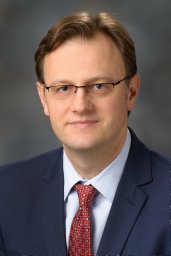 Stefan Octavian Ciurea合作论文数School of Medicine, University of California, Irvine1
 Elizabeth J. Shpall合作论文数Department of Stem Cell Transplantation and Cellular Therapy, Division of Cancer Medicine, The University of Texas MD Anderson Cancer Center1A. Alousi合作论文数1Uday Popat合作论文数1




