Background: The effects of endovascular therapeutic hypothermia (ETH) in ST-elevation myocardial infarction (STEMI) regional contractility are unknown, and its impact on segmental contractility has still not been evaluated. We sought to evaluate segmental myocardial strain after ETH adjuvant to percutaneous coronary intervention (PCI) in STEMI. Methods: We included patients who underwent 1.5T cardiovascular magnetic resonance exams 5 and 30 days after acute anterior or inferior STEMI in a previous randomized trial. Left ventricle (LV) strain was evaluated on infarcted, adjacent, and remote myocardium. Segmental circumferential (CS) and radial strains (RS) were measured using feature-tracking imaging. Repeated measures of analysis of variance were used for comparisons within time and treatment. Results: Forty patients were divided into hypothermia (ETH, n = 29) and control (n = 11) groups, with 5210 LV segments. In ETH infarcted areas, RS (11.2 +/- 16 vs 14.8 +/- 15.2, p = 0.001) and CS (-5.4 +/- 11.1 vs -8 +/- 11.1, p = 0.001) showed recovery from 5-30 days compared to controls (11.4 +/- 14 vs 13.1 +/- 1 6.8, p = 0.09; -6.5 +/- 10.6 vs -6.4 +/- 12.5, p = 0.94). In control remote areas, RS (28 +/- 18 vs 31.7 +/- 18.5, p = 0.001) and CS (-15.5 +/- 10.7 vs -17.1 +/- 9, p = 0.001) improved from 5-30 days compared to ETH (28.6 +/- 18.6 vs 29 +/- 20, p = 0.44; -15.2 +/- 10.4 vs -15.3 +/- 10.6, p = 0.82). Transmural infarcted areas in ETH improved RS (11.8 +/- 13.2 vs 8.17 +/- 14.7, p = 0.001) and CS (-6.1 +/- 10.9 vs.-3.1 +/- 11.3, p = 0.001) compared to controls, with better contractility at 30 days. Conclusion: In anterior or inferior STEMI patients, ETH adjuvant to PCI is associated with significant improvement in RS and CS of infarcted areas, including transmural segments, but not in remote area. This might further increase our pathophysiological knowledge on early LV remodeling and ultimately suggest potential clinical value.
Targeted temperature management (TTM) is currently the only potentially neuroprotective intervention recommended for post-cardiac arrest care. However, there are concerns among the scientific community regarding conflicting evidence supporting this recommendation. Moreover, the bulk of trials included in systematic reviews that inform guidelines and recommendations have been conducted in developed countries, with case mix and patient characteristics that significantly differ from the reality of developing countries such as Brazil. Elevated body temperatures induce changes in the blood-brain barrier integrity and increase the brain's demand for oxygen. They can cause imbalances in cerebral oxygen metabolism and blood flow, leading to inflammation and apoptosis. The primary aim of temperature control (TTM) is to control the secondary injury pathways by avoiding high temperatures. TTM, previously named therapeutic hypothermia, was first used to treat post-cardiac arrest brain injury in the 1950s. After that, we have been having relevant trials regarding TTM, with conflicting results as follows: TTM1, HACA study, TTM2, HYPERION study, and some meta-analyses kept the temperature management after a cardiac arrest in the discussion. In addition to individualizing the optimal target temperature for specific clinical scenarios and patient profiles, other aspects of high-quality TTM delivery are critical. The timing of target temperature achievement, duration of cooling, rewarming rates, and sedation practices have been evaluated in recent trials. In conclusion, it is crucial to determine the most effective TTM approach to achieve the best possible neurological outcomes while minimizing potential adverse effects.
Resumo O gerenciamento direcionado de temperatura (GDT) é atualmente a única intervenção potencialmente neuroprotetora recomendada para cuidados pós-parada cardíaca. No entanto, há preocupações entre a comunidade científica em relação às evidências conflitantes que apoiam essa recomendação. Além disso, a maior parte dos ensaios incluídos em revisões sistemáticas que informam diretrizes e recomendações foram conduzidos em países desenvolvidos, com mix de casos e características dos pacientes que diferem significativamente da realidade de países em desenvolvimento como o Brasil. Temperaturas corporais elevadas induzem alterações na integridade da barreira hematoencefálica e aumentam a demanda cerebral por oxigênio. Podem causar desequilíbrios no metabolismo de oxigênio cerebral e no fluxo sanguíneo, levando à inflamação e apoptose. O objetivo principal do GDT é controlar as vias secundárias de lesão, evitando altas temperaturas. O GDT, anteriormente denominado hipotermia terapêutica, foi usado pela primeira vez para tratar lesão cerebral pós-parada cardíaca na década de 1950. Desde então, temos realizado ensaios clínicos relevantes sobre o GDT, com resultados conflitantes, como os seguintes: GDT1, estudo HACA, GDT2, estudo HYPERION e algumas metanálises mantiveram o manejo da temperatura após uma parada cardíaca em discussão. Além de individualizar a temperatura-alvo ideal para cenários clínicos e perfis de pacientes específicos, outros aspectos da administração de GDT de alta qualidade são cruciais. O momento de obtenção da temperatura-alvo, a duração do resfriamento, as taxas de reaquecimento e as práticas de sedação foram avaliados em ensaios clínicos recentes. Em conclusão, é crucial determinar a abordagem de GDT mais eficaz para alcançar os melhores resultados neurológicos possíveis, minimizando os potenciais efeitos adversos.
Background: Effective in-hospital cardiopulmonary resuscitation (CPR) is critical for patient survival, yet disparities in performance exist between care settings. Real-time feedback devices may improve CPR quality, but evidence comparing their impact across unit types remains limited. Objective: To evaluate the effect of CPR feedback devices on resuscitation performance among nurses from critical and non-critical care units using a simulated scenario. Methods: This non-blinded randomized clinical trial, conducted in a simulation setting, included 68 nurses (34 from intensive care units and 34 from non-intensive care units). In the first phase, all participants underwent an initial assessment of Basic Life Support (BLS) skills, followed by a debriefing. In the second phase, participants were randomized into four groups according to unit type and the use or non-use of the feedback device, and then performed a new assessment. CPR quality metrics included compression rate, depth, chest recoil, chest compression fraction, and ventilation score. Results: At baseline, there were no significant differences in CPR metrics between groups. In the post-training phase, the groups using the feedback device showed significantly higher adherence to recommended compression rates (90% and 74% in critical and non-critical care nurses, respectively) compared to those trained without feedback (33.5% and 51.0%). Conclusion: Training with CPR feedback devices significantly improved the quality of resuscitation in simulated scenarios, independent of care unit. These findings support the integration of real-time feedback technology into routine CPR education to enhance clinical preparedness and performance.
The targeted Automated External Defibrillator (AED) program in the Sao Paulo Metro has yielded promising results in improving survival rates for individuals experiencing out-of-hospital cardiac arrest (OHCA) due to ventricular arrhythmias. A longitudinal observational study conducted from September 2006 to November 2023 assessed the program's impact on survival outcomes. The implementation of the full program led to a significant improvement in survival to hospital discharge with minimal neurological impairment (0% vs. 43%, P=0.001). These findings underscore the importance of a targeted AED program in improving survival outcomes for OHCA, particularly in densely populated urban environments such as the Sao Paulo Metro. The short interval between arrest and defibrillation emerged as a critical factor in achieving favorable long-term, neurologically intact survival rates. The success of this program advocates for the strategic expansion of targeted AED initiatives in other large Latin American cities, emphasizing the potential to save lives and enhance public health outcomes through proactive emergency medical response measures.
The study of human performance and perception of exertion constitutes a fundamental aspect for monitoring health implications and enhancing training outcomes such as cardiopulmonary resuscitation (CPR). It involves gaining insights into the varied responses and tolerance levels exhibited by individuals engaging in physical activities. To measure perception of exertion, many tools are available, including the Borg scale. In order to evaluate how the Borg scale is being used during CPR attempts, this integrative review was carried out between October/2020 and December/2023, with searches from PubMed, CINAHL, Web of Science, Embase, PsycINFO and VHL. Full publications relevant to the PICO strategy were included and letters, editorials, abstracts, and unpublished studies were excluded. In total, 34 articles were selected and categorised into three themes: a) CPR performed in different contexts; b) CPR performed in different cycles, positions, and techniques; c) CPR performed with additional technological resources. Because CPR performance is considered a strenuous physical activity, the Borg scale was used in each study to evaluate perception of exertion. The results identified that the Borg scale has been used during CPR in different contexts. It is a quick, low-cost, and easy-to-apply tool that provides important indicators that may affect CPR quality, such as perception of exertion, likely improving performance and potentially increasing the chances of survival.
Background Cardiac arrest (CA) is a common condition associated with high mortality. The Brazilian advanced life support training TECA A (Treinamento em Emergências Cardiovasculares Avançado — Advanced Cardiovascular Emergency Training) was created to train healthcare professionals in the management of CA. However, there are no studies evaluating the effectiveness of TECA A. Objective To assess the impact of TECA A on the management of CA using a simulated CA situation. Methods Fifty-six students underwent a simulated case of CA [...]
BACKGROUND:A cardiopulmonary arrest is a critical event whose survival rate is related to the quality of resuscitation maneuvers combined with the use of technology. It is important to understand the perception of fatigue during this procedure, aiming to improve the effectiveness of compressions to increase the chances of survival.OBJECTIVES:To apply the Borg rating of perceived exertion scale (Borg scale) to analyze the exertion perceived by nurses during cardiopulmonary resuscitation maneuvers using a feedback device.METHODS:Experimental study with a randomized distribution of nurses in a teaching hospital. Perceived exertion during simulated cardiopulmonary resuscitation with/without a feedback device was assessed using the Borg scale. The statistical significance level of 5% was adopted.RESULTS:69 nurses working in critical and non-critical adult care units were included. Perceived exertion and heart rate were lower in the intervention group (p<0.001), influenced by the feedback device, with no significant difference between critical and non-critical units.CONCLUSIONS:The Borg scale proved to be adequate for the proposed objectives. The feedback device contributed to lower exertion and heart rate reduction during resuscitation maneuvers. The low cost and ease of application favor its use during training and real-time resuscitation attempts to assess performance using a feedback device to reduce exertion and perception of fatigue. It allows reflection on the intervening factors and resources that can influence the quality of resuscitation attempts and the chances of survival.
Resumo Fundamento A parada cardiorrespiratória é um evento crítico cuja taxa de sobrevivência é relacionada à qualidade das manobras de reanimação, aliada à tecnologia. É importante compreender a percepção do cansaço durante esse procedimento visando a efetividade das compressões e o aumento das chances na sobrevida. Objetivo Aplicar a Escala de Borg para analisar o esforço percebido por enfermeiros durante as manobras de reanimação cardiopulmonar com dispositivo de feedback. Método Estudo experimental com distribuição randomizada de enfermeiros em hospital de ensino, simulando parada cardiorrespiratória, para avaliação da percepção do esforço utilizando a escala de Borg durante a reanimação cardiopulmonar com/sem dispositivo de feedback. Foi adotado nível de significância estatística 5%. Resultados Foram incluídos 69 enfermeiros atuantes em unidades críticas e não críticas de atendimento ao adulto. A percepção de esforço e a frequência cardíaca foi menor no grupo intervenção (p<0,001), influenciadas pelo dispositivo de feedback, sem diferença significativa quanto às unidades de atuação. Conclusão A escala de Borg mostrou-se adequada para os objetivos propostos. O dispositivo de feedback contribuiu no menor esforço e redução da frequência cardíaca durante as manobras de reanimação. O baixo custo e a facilidade de aplicação favorecem o uso em treinamentos e atendimentos em tempo real para avaliar o desempenho durante a reanimação, utilizando dispositivo de feedback por reduzir os esforços e a percepção do cansaço. Também permite a reflexão sobre os fatores intervenientes e recursos que podem influenciar na qualidade da assistência e nas chances de sobrevivência.
OBJECTIVE:To evaluate the effectiveness of a cardiopulmonary resuscitation training in the skill acquisition of family members of heart disease patients.METHOD:A quasi-experimental study, conducted in a hospital in São Paulo, Brazil. The study participants were one or more relatives of patients with heart disease that were hospitalized at the institution. In the first phase, the participant's skills and theoretical knowledge on cardiopulmonary resuscitation were evaluated before and immediately after the training. The second phase took place one month after the training, in which the same evaluations were applied. The McNemar's and Stuart-Maxwell tests were adopted (5% significance level).RESULTS:The theoretical knowledge of family members before and after training increased and a great retention of this knowledge after 30 days of training was observed. Immediately after training, the family members showed significant improvement of skills in the 15 analyzed actions and, after one month of training, they maintained most of the acquired practices on cardiopulmonary resuscitation, except for chest compressions frequency and the time between turning on the defibrillator and delivering the shock.CONCLUSION:Cardiopulmonary resuscitation training was effective in the acquisition of theoretical and practical knowledge of the family members.
BACKGROUNDEndovascular therapeutic hypothermia (ETH) reduces the damage by ischemia/reperfusion cell syndrome in cardiac arrest and has been studied as an adjuvant therapy to percutaneous coronary intervention (PCI) in ST-elevation myocardial infarction (STEMI). New available advanced technology allows cooling much faster, but there is paucity of resources for training to avoid delays in door-to-balloon time (DTB) due to ETH and subsequently coronary reperfusion, which would derail the procedure. The aim of the study was to describe the process for the development of a simulation, training & educational protocol for the multidisciplinary team to perform optimized ETH as an adjunctive therapy for STEMI.METHODS AND RESULTSWe developed an optimized simulation protocol using modern mannequins in different realistic scenarios for the treatment of patients undergoing ETH adjunctive to PCI for STEMIs starting from the emergency room, through the CathLab, and to the intensive care unit (ICU) using the Proteus® Endovascular System (Zoll Circulation Inc™, San Jose, CA, USA). The primary endpoint was door-to-balloon (DTB) time. We successfully trained 361 multidisciplinary professionals in realistic simulation using modern mannequins and sham situations in divisions of the hospital where real patients would be treated. The focus of simulation and training was logistical optimization and educational debriefing with strategies to reduce waste of time in patient's transportation from different departments, and avoiding excessive rewarming during transfer. Afterwards, the EHT protocol was successfully validated in a trial randomizing 50 patients for 18 minutes cooling before coronary recanalization at the target temperature of 32 ± 1.0 ∘C or PCI-only. A total of 35 patients underwent ETH (85.7% [30/35] in 90 ± 15 minutes), without delays in the mean door-to-balloon time for primary PCI when compared to 15 control group patients (92.1 minutes versus 87 minutes, respectively; p = 0.509).CONCLUSIONSRealistic simulation, intensive training and educational debriefing for the multidisciplinary team propitiated feasible endovascular therapeutic hypothermia as an adjuvant therapy to primary PCI in STEMI.CLINICALTRIALSgov: NCT02664194.
Introduction: Training and cardiovascular emergency care (CEC) is different in developing countries from developed countries. Emergency medicine specialty in developing countries is not established without a large number of specialists and the Advanced Cardiovascular Life Support course (ACLS) is a very common course. Objective: To compare the ACLS with the Advanced Cardiovascular Emergency Training course (TECA) developed in Brazil according to the needs of local doctors. Both courses with 16 hours of training but the TECA adding more skills training time in Arrhythmia, Stroke, Acute Coronary Care (ACC) and Acute Heart Failure (AHF) in addition to the traditional training in cardiac arrest management (CAM). Methods: The study included the participation of 119 senior medical students divided into 2 groups: 56 students submitted to TECA training and 63 students submitted to the ACLS course. Both groups performed a mannequin simulated CAM skills evaluation care before and after participating in each course and a multiple-choice test after training. Performance in simulated scenario was compared through structured assessment score, time to onset of chest compression and time to perform defibrillation after collapse, as well as the number of correct answers in the multiple-choice assessment. Results: TECA group presented statistical higher grade than the ACLS group in the evaluation of the simulated case attendance (10,0 points (9,00-10,00) vs 9,0 (8,00-10,00) points; p<0,001). There was no statistical difference between the groups in time to onset of chest compression (19,0 sec (16,25-23,00) vs 19,5 (15,75-25,25) sec; p = 0,500) and time to defibrillation (48,0 (39,00-53,00) sec vs 48,0 (39,00-55,00) sec; p = 0,740). TECA students had a better performance in questions related to AHF treatment (4,0 (3,00-4,00) vs 3,0 (2,00-3,00); p < 0,001). There was no significant difference in the number of correct answers on arrhythmia, CAM, ACC and stroke. Conclusions: TECA course provided greater adherence to CAM care protocol, without prejudice to the time to start chest compression or time to defibrillation. In addition, it added training in AHF management, suggesting to be a good option for cardiac emergency care training in developing countries.
Medicine; Students, Health Occupational; Health Occupations/education; Cardiopulmonary Resuscitation/ methods; Clinical Competence; Professional Training. Since the beginning, great researchers have been working on estimating the best technique for maintaining the body blood flow of a victim undergoing CPA. Several techniques were applied, such as the Trotting method and rolling over a barrel.1 The technique of external chest compressions was conceived in 1960, based on the observation made by Kouwenhoven, Jude, and Knickerbocker2 that adequate compression on the lower third of the sternum provided sufficient artificial circulation to sustain life in animals and humans with cardiac arrest. Since then, many studies have been carried out to improve the depth and frequency of appropriate compressions to maintain coronary perfusion at an adequate level, contributing to the return of spontaneous circulation. According to the 20203 worldwide guidelines publications, performing high-quality compressions refers to performing compressions at a frequency of 100 -120 per minute, depth of 5-6cm, returning the chest to the normal position between compression minimize interruptions in compressions avoiding excessive ventilation. In this sense, a big question arises: do we understand the parameters for performing good compressions, which significantly increase the survival of CPA victims? However, how to ensure that health professionals and the general public can learn the technique and retain this learning to the point of reproducing it in an actual emergency?
Abstract The term Chain of Survival provides a useful metaphor for the elements involved in the COVID-19 management. The 5 links of the COVID-19 Chain of Survival are: A strong Chain of Survival can improve the chances of survival and recovery for victims of COVID-19. […] COVID-19 Chain of Survival 2020
 Maria M Gonzalez合作论文数57
 Roberto Kalil Filho合作论文数Centro de Cardiologia, Hospital Sirio Libanês36
 Caio Vianna合作论文数Heart Institute Clinical Department32
 Renan Gianotto-Oliveira合作论文数25
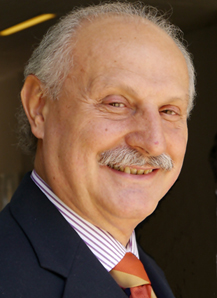 José Antonio Franchini Ramires合作论文数Hospital das Clínicas da Faculdade de Medicina da Universidade de São Paulo23Ari Timerman合作论文数23Luiz Francisco Cardoso合作论文数Instituto do Coração (InCor),, University of São Paulo Medical School22
 Thatiane Facholi Polastri合作论文数21
 Jose A F Ramires合作论文数Medical School, University of São Paulo21Ludhmila Abrahão Hajjar合作论文数20
 Karl B. Kern合作论文数College of Medicine-Tucson, University of Arizona18
 Ana Paula Quilici合作论文数18
 Helio Penna Guimaraes合作论文数federal university of sao paulo17
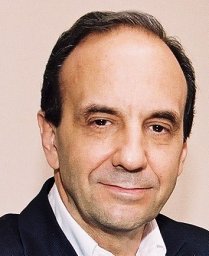 Leopoldo Soares Piegas合作论文数Hospital do Coração;Faculdade de Medicina da Universidade de São Paulo16
 Carlos Eduardo Rochitte合作论文数Heart Institute, Medical School, University of São Paulo;Hospital do Coração;Blume -Medicina Diagnostica16A.P. Quilici合作论文数16
 Jose Carlos Nicolau合作论文数Fac Med, Univ Sao Paulo15
 Luis Augusto Palma Dallan合作论文数University Hospitals Samaritan Medical Center;University Hospitals Cleveland Medical Center15
 Karen Cristine Abrao合作论文数Anhembi Morumbi University Medical School13Maria Margarita Gonzalez合作论文数13
 Gilson Soares Feitosa-Filho合作论文数Clínica Médica e de Cardiologia do Hospital12Jaf Ramires合作论文数11
 Múcio Tavares de Oliveira Junior合作论文数Unidade Clínica de Emergência, University of São Paulo11
 Tobase Lucia合作论文数Centro de Formação e Aperfeiçoamento em Ciências da Saúde, Instituto do Coração10
 Luís Alberto Oliveira Dallan合作论文数Faculdade de Medicina, Universidade de São Paulo;Departamento de Cardio-Pneumologia, Universidade de São Paulo;Hospital Sírio-Libanês10
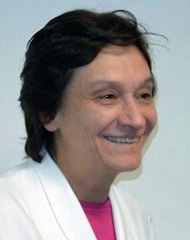 Silvia Helena Gelas Lage Pasqualucci合作论文数Departamento de Cardiopneumologia, Faculdade de Medicina, Universidade de São Paulo;Instituto do Coração, Hospital das Clínicas10
 Maria Jose Carvalho Carmona合作论文数9Natali Schiavo Giannetti合作论文数9
 Vinay M. Nadkarni合作论文数Children's Hospital of Philadelphia9
 Pedro Alves Lemos Neto合作论文数Hospital Israelita Albert Einstein;Heart Institute, Medical School, University of Sao Paulo9Lima Felipe Gallego合作论文数8Matheus Fachini Vane合作论文数FMUSP8
 Heloisa Helena Ciqueto Peres合作论文数Escola Enfermagem, Univ Sao Paulo8
 Renato Delascio Lopes合作论文数Department of Medicine, School of Medicine, Duke University;Duke Clinical Research Institute, School of Medicine, Duke University8Thiago Timerman合作论文数7
 Robert A. Berg合作论文数Department of Anesthesiology and Critical Care Medicine, Children's Hospital of Philadelphia;Center for Health Outcomes and Policy Research, University of Pennsylvania7Walter Kloeck合作论文数7
 Antonio de Padua Mansur合作论文数Departamento de Cardiopneumologia, Faculdade de Medicina, Universidade de São Paulo7
 Flavio Tarasoutchi合作论文数Heart Institute (InCor), University of São Paulo Medical School7Edison Ferreira De Paiva合作论文数Instituto do Coração (InCor),, University of São Paulo Medical School7Claudia Bernoche合作论文数6Liguori Thiago合作论文数6M Gonzalez合作论文数6
 Judith Finn合作论文数Curtin School of Nursing, Faculty of Health Sciences, Curtin University6
 Peter Morley合作论文数Consultant in Anaesthesia and Intensive Care Medicine, Royal United Hospital6T.F. Polastri合作论文数5Renan G. Oliveira合作论文数5mauricio m alves合作论文数5




