The k coefficient method proposed by Bondi is extended to the general case where the angle alpha between the velocity of a signal from a distant source at rest and the velocity of the observer does not coincide with 0 or pi, as considered by Bondi, but takes an arbitrary value in the interval 0 <= alpha <= pi, and to the opposite case where the source is moving and the observer is at rest, while the angle alpha between the source velocity and the direction of the signal to the observer takes any value between 0 and pi. Functions k(*)(beta, alpha) and k(+)(beta, alpha) of the angle and relative velocity are introduced for the ratio omega/omega' of proper frequencies of the source and observer. Their explicit expressions are obtained without using Lorentz transformations, from the condition that the coherence of a bunch of rays is preserved in passing from the source frame to the observer frame. Owing to the analyticity of these functions in alpha, the ratio of frequencies in the cases mentioned is given by the formulas omega/omega' = k(*)(beta, alpha) and omega/omega' = k(+)(beta, pi - alpha) equivalent to 1/k(*)(beta, alpha), which coincide with those for the Doppler effect, in which the angle alpha, the velocity beta, and one of the frequencies are measured in the rest frame. A ray emitted by the source at an angle alpha to the observer's velocity in the source frame is directed at an angle alpha' to the same velocity in the observer frame. Owing to light aberration, the angles alpha and alpha' are functionally related through k(*)(beta, alpha) = k(+)(beta, alpha'). The functions alpha'(alpha, beta) and alpha(alpha', beta) are expressed as antiderivatives of k(*)(beta, alpha) and k(*)(beta, pi - alpha'). The analyticity of the functions k(*)(beta, z) and k(+)(beta, z) in z equivalent to alpha in the interval 0 <= z <= pi is extended to the entire plane of complex z, where k(*) has poles at z(n)(+/-) = 2 pi n -/+ i ln cos alpha(1) (see (17)), and k(+) has zeros at the same points shifted by pi. The spatiotemporal asymmetry of the Doppler and light aberration effects is explained by the closeness of these singularities to the real axis.
Duality of four-dimensional electrodynamics and two-dimensional field theory leads to a finite value \( {e}_0=\pm \sqrt{\hbar c} \) of the point-like bare charge with the fine structure constant a 0 = 1/4π. On the other hand, the calculated (by several authors) energy shifts E B = a B ћc/2r and E L = a L ћc/a of zero-point electromagnetic vacuum fluctuations by neutral conducting shells of a sphere of radius r and a cube of edge a are defined by the dimensionless parameters αB and αL, which differ from each other by less than 0.8% and even more weakly differ from the fine structure constant α times 4π, since a L < 4πa < a B. According to the duality, 4πα = α/α0 and α0αL < α < α0αB, the values αB and αL can be considered approximate reciprocals of the vacuum dielectric permittivity. Since the difference of α0αL from α appears to be less than 0.05%, we discuss here the possibility of circumscribing the sphere polyhedrons γ, the conducting shells of which could shift the zero-point energy by the amount Eγ = αγ_c/2r, where the parameter αγ is more close to 4πα than αL for the cube. We focus on the relativistic and adiabatic invariances of the parameters αγ.
Евгений Григорьевич Максимов (к 70-летию со дня рождения), Андреев А.Ф., Васильев М.А., Гинзбург В.Л., Гуревич А.В., Изюмов Ю.А., Каган Ю.М., Келдыш Л.В., Копаев Ю.В., Месяц Г.А., Ритус В.И., Садовский М.В., Файнберг В.Я.
³ÑAEÇÓÉÂÐËÇ 1. £ÄÇAEÇÐËÇ (739).2. ´ÓÇÖÅÑÎßÐËÍ ÔÎÑÉÇÐËâ ÓÇÎâÕËÄËÔÕÔÍËØ ÔÍÑÓÑÔÕÇÌ Ð ÇÄÍÎËAEÑÄÑÌ ÒÎÑÔÍÑÔÕË (740).3. µÅÑÎ ÒÑÄÑÓÑÕ ÔÒËРÚÂÔÕËÙÞ ÒÓË ÎÑÓÇÐÙÇÄÑÏ ÒÓÇÑÃÓÂÊÑÄÂÐËË ÇÇ ÔÍÑÓÑÔÕË (741).4. ±ÓÇÑÃÓÂÊÑÄÂÐËÇ ÂÔËÏÏÇÕÓËÚÐÑÌ ÔËÔÕÇÏÞ ÄÞÓÂÉÇÐËÌ ÖÅΠx Ä ÔËÏÏÇÕÓËÚÐÖá (742). 5. ±ÇÓÇÔÕÂÐÑÄÍ ÔÍÎÂAEÞÄÂÇÏÞØ ÔÍÑÓÑÔÕÇÌ Ë ÕÓÇØÒÂÓÂÏÇÕÓËÚÇÔÍÂâ ÔËÏÏÇÕÓËâ ÖÅΠx (742).6. ´ÇÑÓÇÏÞ ÔËÐÖÔÑÄ Ë ÍÑÔËÐÖÔÑÄ Ä ÅÇÑÏÇÕÓËË ÅÇÑAEÇÊËÚÇÔÍËØ ÕÓÇ-ÖÅÑÎßÐËÍÑÄ Ð ÒÔÇÄAEÑÔ×ÇÓÇ (744).7. ±ÔÇÄAEÑÔ×ÇÓÂ Ä ÇÄÍÎËAEÑÄÑÏ ÒÓÑÔÕÓÂÐÔÕÄÇ (744).8. ±ÎÑÜÂAEß ÅÇÑAEÇÊËÚÇÔÍÑÅÑ ÕÓÇÖÅÑÎßÐË͠РÒÔÇÄAEÑÔ×ÇÓÇ (746).9. ±ÔÇÄAEÑÔ×ÇÓÂ Ä ÒÔÇÄAEÑÇÄÍÎËAEÑÄÑÏ ÒÓÑÔÕÓÂÐÔÕÄÇ (747).10. ®ÇÕÓËÍ ÒÑÄÇÓØÐÑÔÕË ÒÔÇÄAEÑÔ×ÇÓÞ (748).11. ±ÔÇÄAEÑÔ×ÇÓÞ Ä ÇÄÍÎËAEÑÄÑÏ Ë ÒÔÇÄAEÑÇÄÍÎËAEÑÄÑÏ ÒÓÑÔÕÓÂÐÔÕÄÂØ (748).12. ´ÇÑÓÇÏ ¤ËÎßÃÇÓÕ (750).13. ±ÔÇÄAEÑÔ×ÇÓÂ Ä ÇÄÍÎËAEÑÄÑÏ ÒÓÑÔÕÓÂÐÔÕÄÇ ÍÂÍ ÂÓÇРÒÓÑÕâÉÇÐÐÞØ ÓÇÎâÕËÄËÔÕÔÍËØ ÑÃÝÇÍÕÑÄ (751).14. ©ÂÍÎáÚÇÐËÇ (752).³ÒËÔÑÍ ÎËÕÇÓÂÕÖÓÞ (752).1. £ÄÇAEÇÐËÇ ©ÂÍÑÐ ÔÎÑÉÇÐËâ ÔÍÑÓÑÔÕÇÌ Ä ÕÇÑÓËË ÑÕÐÑÔËÕÇÎßÐÑÔÕË ÑÒÓÇAEÇÎâÇÕÔâ ÎÑÓÇÐÙÇÄÞÏ ÒÓÇÑÃÓÂÊÑÄÂÐËÇÏ ÔÍÑÓÑÔÕË, Ä ÍÑÕÑÓÑÏ ÒÓÇÑÃÓÂÊÖÇÏÂâ ÔÍÑÓÑÔÕß Ë ÔÍÑÓÑÔÕß ÎÑÓÇÐÙÇÄ ÒÓÇÑÃÓÂÊÑÄÂÐËâ (ÃÖÔÕÂ) ÔÚËÕÂáÕÔâ ÔÎÂÅÂÇÏÞÏË ÔÍÑÓÑ-ÔÕâÏË,  ÒÓÇÑÃÓÂÊÑÄÂÐÐÂâ ÔÍÑÓÑÔÕß ÔÚËÕÂÇÕÔâ ËØ ÔÖÏ-ÏÑÌ.£ ÓÇÊÖÎßÕÂÕÇ, ÔÎÑÉÇÐËÇ AEÄÖØ ÓÇÎâÕËÄËÔÕÔÍËØ ÔÍÑ-ÓÑÔÕÇÌ ÒÓÑÜÇ ÄÔÇÅÑ ÒÓÇAEÔÕÂÄÎâÇÕÔâ РâÊÞÍÇ 4-ÔÍÑÓÑÔÕÇÌ Ë ÔÄÑAEËÕÔâ Í ÄÇÍÕÑÓÐÑÌ ÔÖÏÏÇ ÒÓÑÔÕÓÂÐÔÕÄÇÐÐÞØ ÚÂÔÕÇÌ ÔÑÑÕÄÇÕÔÕÄÖáÜËØ 4-ÔÍÑÓÑÔÕÇÌ, Ä ÍÑÕÑÓÖá, ÑAEÐÂÍÑ, ÒÓÑ-ÔÕÓÂÐÔÕÄÇÐÐÂâ ÚÂÔÕß ÔÍÑÓÑÔÕË ÃÖÔÕ ÄØÑAEËÕ ÖAEÎËÐÇÐÐÑÌ.´ÂÍÑÇ ÒÓÂÄËÎÑ ÔÎÑÉÇÐËâ ÓÇÎâÕËÄËÔÕÔÍËØ ÔÍÑÓÑÔÕÇÌ ÒÓÇAE-ÔÕÂÄÎâÇÕÔâ РÇÄÍÎËAEÑÄÑÌ ÒÎÑÔÍÑÔÕË ÏÑAEË×ËÙËÓÑÄÂÐ-ÐÞÏ ÕÓÇÖÅÑÎßÐËÍÑÏ ÔÎÑÉÇÐËâ ÔÍÑÓÑÔÕÇÌ.±ÓË ÒÇÓÇÔÕÂ-ÐÑÄÍÇ ÔÍÎÂAEÞÄÂÇÏÞØ ÔÍÑÓÑÔÕÇÌ ÄÇÍÕÑÓÐÂâ ÔÖÏÏ ÒÓÑ-ÔÕÓÂÐÔÕÄÇÐÐÞØ ÚÂÔÕÇÌ 4-ÔÍÑÓÑÔÕÇÌ ËÊÏÇÐâÇÕÔâ, ÕÂÍ ÍÂÍ ÕÇÒÇÓß ÔÍÑÓÑÔÕß, ÃÞÄÛÂâ AEÑ ÒÇÓÇÔÕÂÐÑÄÍË ÒÓÇÑÃÓÂÊÖÇ-ÏÑÌ, ÔÕÂÐÑÄËÕÔâ ÔÍÑÓÑÔÕßá ÃÖÔÕÂ Ë ÒÑÎÖÚÂÇÕ ÖAEÎËÐÇÐËÇ,  ÒÓÇÉÐââ ÔÍÑÓÑÔÕß ÃÖÔÕ ÑÍÂÊÞÄÂÇÕÔâ ÒÓÇÑÃÓÂÊÖÇÏÑÌ Ë ÄØÑAEËÕ Ä ÔÖÏÏÖ ÃÇÊ ÖAEÎËÐÇÐËâ.£ ËÕÑÅÇ ÓÇÎâÕËÄËÔÕÔÍÂâ ªáÎß 2008 Å. ´ÑÏ 178, å 7 µ ³ ±
Doctor of Physicomathematical Sciences, Chief Research Scientist of the Division of Theoretical Physics at the P N Lebedev Physics Institute (FIAN), died on July 9, 2004. Zharkov was born on December 19, 1926 in Chelyabinsk. His parents were CPSU functionaries. In 1934, the family moved to Moscow. In June 1941, Nazi Germany attacked the USSR and the Great Patriotic War began. In the first months of the war Zharkov was evacuated to the city of Sverdlovsk in the Urals. By that moment the boy had completed six grades of school. In his two years in Sverdlovsk he taught himself the curriculum for the other four grades of high school (7 ± 10), took the final exams, and received a high school graduation certificate. In 1943, Zharkov enrolled in the Ferrous Metallurgy Department of the S M Kirov Sverdlovsk Industrial Institute. Having completed the freshman year, he returned to Moscow and was accepted into the sophomore year of the Department of Physics at Moscow State University. He graduated in 1948. The same year he took entrance exams to postgraduate courses of the P N Lebedev Physics Institute of the USSR Academy of Sciences and was accepted. His supervisor in the postgraduate years was M A Markov, who had earlier supervised his graduation thesis at the university. In the first years of research work Zharkov worked on quantum field theory. His first paper [ZhETF 20 492 (1950) (Sov. Phys. JETP)] was devoted to the theory of the neutrino and antineutrino and the role that these particles play in betadecay and other nuclear processes. He was able to show that double reflection for the fermion field can be considered an identity transformation and a rotation by 2p, reducing to a reversal of sign. This lead to four categories of spinors and to the possibility of formulating a theory of beta-decay in which there is no distinction between the neutrino and antineutrino. In January 1952, Zharkov submitted and successfully defended his thesis for Candidate's degree entitled ``Formation of a pair of p-mesons by a photon on nucleons''. The purpose of the work was to interpret the experimental data already available at the time and to clarify a more general aspect of the convergence of higher-order approximations of the perturbation theory in themeson theory of nuclear forces. From 1952 onwards Zharkov worked in the Theoretical Physics Department of FIAN. Over several subsequent years, Zharkov worked in various fields of quantum field theory and the theory of nuclear forces. His papers dealt with aspects of renormalization of divergent series, scattering of mesons and nucleons by nucleons, isobar theory, etc. These publications brought him recognition and respect from colleagues in the field. However, approximately in the middle of the 1950s Zharkov began turning more and more to a very different branch of physics, namely, low-temperature physics and the theory of superconductivity. Beginning around the 1960 he switched completely to this field, which was a new area for him, and was again able to obtain many first-class results. We will mention some of them here. He carried out important research that allowed a description of the behavior of finitesized superconducting systems in electromagnetic fields. Zharkov developed a theory describing hysteretic behavior of hollow superconductors in a magnetic field, constructed theories on finite-sized quantum interferometers and on weakly bound layered superconducting structures, proposed an explanation for the experimentally observed `giant thermoelectric effect' in superconductors, and developed a theory on the interaction between nonequilibrium phonons and electrons in superconductors placed in a high-frequency external field. The monograph Nonequilibrium Electrons and Phonons in Superconductors, written by G F Zharkov and A M Gulyan, was devoted to nonequilibrium processes in superconductors. This book was also published in English. Zharkov showed that in some cases experimentally established anomalies are caused by the finite size of real Uspekhi Fizicheskikh Nauk 174 (11) 1269 ± 1270 (2004) Translated by V I Kisin PERSONALIA PACS number: 01.60.+q
Леонид Вениаминович Келдыш (к семидесятилетию со дня рождения), Волков Б.А., Гуревич А.В., Гинзбург В.Л., Копаев Ю.В., Крохин О.Н., Ритус В.И., Силин В.П., Файнберг В.Я., Фейнберг Е.Л., Чернавский Д.С.
Александр Викторович Гуревич (к семидесятилетию со дня рождения), Бескин В.С., Гапонов-Грехов А.В., Гинзбург В.Л., Зыбин К.П., Истомин Я.Н., Келдыш Л.В., Крохин О.Н., Питаевский Л.П., Птицын М.О., Ритус В.И., Файнберг В.Я., Фейнберг Е.Л.
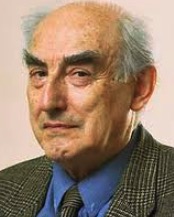 Vitaly L. Ginzburg合作论文数P.N.Lebedev Physical Institute, Russian Academy of Sciences14
 леонид вениаминович келдыш合作论文数11виталий лазаревич гинзбург合作论文数11Oleg N Krokhin合作论文数10Leonid V Keldysh合作论文数9
 Lev Pitaevskii合作论文数9евгений львович фейнберг合作论文数8AI NIKISHOV合作论文数8Aleksandr F Andreev合作论文数8владимир яковлевич файнберг合作论文数7Lv Keldysh合作论文数7Anatolii I Nikishov合作论文数7V. Ya. Fainberg合作论文数7борис михайлович болотовский合作论文数6Vy Fainberg合作论文数6Es Fradkin合作论文数6A. V. Gurevich合作论文数Lebedev Physical Institute, Russian Academy of Sciences6игорь михайлович дремин合作论文数5александр викторович гуревич合作论文数5Boris M Bolotovskiĭ合作论文数5El Feinberg合作论文数5Aleksandr V Gurevich合作论文数P N Lebedev Physics Institute, Russian Academy of Sciences5D A Kirzhnits合作论文数5василий семенович бескин合作论文数4михаил андреевич васильев合作论文数4N S Kardashov合作论文数4Evgenii L Feinberg合作论文数4Kirill P. Zybin合作论文数Lebedev Physical Institute, Russian Academy of Sciences4
 Gennadii Andreevich Mesyats合作论文数Lebedev Physical Institute, Russian Academy of Sciences4Nikolay S Kardashev合作论文数4александр федорович андреев合作论文数3Igor M. Dremin合作论文数3G A Vilkovyskii合作论文数3Maria S. Aksenteva合作论文数3
 Andrei Linde合作论文数Department of Physics, School of Humanities and Sciences, Stanford University3I. V. Andreev合作论文数3M M Fiks合作论文数3Sergei M Stishov合作论文数Los Alamos National Laboratory3A. A. Tseitlin合作论文数3Ivan A Yakovlev合作论文数3Vitalii D Shafranov合作论文数3Gennadii N Kulipanov合作论文数3Leonid P. Grishchuk合作论文数3валерий анатольевич рубаков合作论文数2геннадий николаевич кулипанов合作论文数2дмитрий сергеевич чернавский合作论文数2александр александрович каплянский合作论文数2гелий фролович жарков合作论文数2виктор павлович силин合作论文数2




