Most existing video compression algorithms follow a paradigm of transformation and quantization, optimizing the trade-off between distortion and bitrate. However, extremely low-bitrate compression remains an underexplored frontier where perceptual quality optimization under severely constrained coding resources has not been adequately addressed. In this paper, we propose a unified generative framework that leverages pre-trained Diffusion Transformer (DiT) priors to achieve high perceptual quality at extremely low bitrates. We first introduce a flexible Group-of-Latents (GoL) strategy within the latent space of a causal tokenizer, explicitly partitioning the latent stream into intra I-latents and inter P-latents. The Deep Compression Module (I-DCM) then encodes key I-latents to preserve perceptual anchors with minimal overhead. Building upon these anchors, the DiT-based Unified Latent Denoising Module (U-LDM) refines intra-frame textures and synthesizes P-latents from noise, reconstructing temporal dynamics at zero additional bitrate cost. Extensive experiments demonstrate that our method uniquely operates in the extreme-low-bitrate regime (e.g., (<0.005) bpp), achieving state-of-the-art perceptual fidelity with rich spatial details and robust temporal consistency. The code will be made publicly available.
Robotic foundation models require reasoning over complex visual scenes to execute adaptive actions in dynamic environments. While recent studies on latent-reasoning Vision-Language-Action (VLA) models have demonstrated the capability to capture fine-grained physical dynamics, they remain predominantly confined to static imitation learning, severely limiting their adaptability and generalization. In this paper, we present LaST-R1, a novel reinforcement learning (RL) post-training framework designed to effectively harness "latent reasoning-before-acting" policies. Specifically, we propose Latent-to-Action Policy Optimization (LAPO), a core RL algorithm that jointly optimizes the latent reasoning process and the action generation. By explicitly embedding latent Chain-of-Thought (CoT) reasoning directly within the RL optimization loop, LAPO stimulates profound physical world modeling, which in turn drives robust execution in interactive environments. Furthermore, an adaptive latent CoT mechanism is introduced, allowing the policy to dynamically modulate its reasoning horizon based on diverse environment states. Experiments show that LaST-R1 achieves a near-perfect 99.9
Humanoid household tasks often require concurrent loco-manipulation, where the robot must move, adjust posture, maintain balance, and manipulate objects as a single coordinated behavior. Yet existing humanoid policies typically decompose locomotion and manipulation, while recent world-action models remain either arm-centric or video-centered. We present ω-0, a latent predictive whole-body world-action model for real-world humanoid concurrent loco-manipulation. Given a language instruction, current visual observation, and robot proprioceptive state, ω-0 directly predicts controller-compatible whole-body action latents for real-robot execution. Rather than reconstructing future videos, ω-0 learns compact future observation embeddings as a lightweight predictive objective, coupling latent visual foresight with diffusion-based whole-body action generation. The model supports egocentric RGB, exocentric RGB, and exocentric depth inputs, and leverages controller-based simulation replay to ground human/public visual-motion priors into robot-executable action latents. We further collect ω-HOME, a 40+ hour real-world household humanoid dataset with synchronized multi-view observations, whole-body SMPL motions, robot states, and action latents. Real-world experiments on 11 household tasks demonstrate that a single ω-0 model can produce smooth manipulate-while-moving behaviors and consistently outperform representative imitation learning, VLA, humanoid, and WAM baselines.
A central objective of manipulation policy design is to enable robots to comprehend human instructions and predict generalized actions in unstructured environments. Recent autoregressive vision-language-action (VLA) approaches discretize actions into bins to exploit the pretrained reasoning and generation paradigms of vision-language models (VLMs). While these models achieve efficient and scalable training, the discretization undermines the continuity required for precise control. In contrast, diffusion-based VLA methods incorporate an additional diffusion head to predict continuous actions, but they rely solely on feature representations extracted from the VLM, without leveraging the pretrained large language model (LLM) as an expert for iterative action generation. To integrate the complementary strengths of autoregressive and diffusion generation, we introduce HybridVLA, which innovatively leverages a shared LLM backbone to perform iterative action prediction through both paradigms. Specifically, a collaborative training recipe is proposed, incorporating diffusion denoising into the next-token prediction process and mitigating interference between the two generation paradigms. With this recipe, we find these two action prediction methods not only reinforce each other but also exhibit varying strengths across different scenarios. Therefore, we design a collaborative action ensemble mechanism that adaptively fuses both predictions, leading to more robust control. HybridVLA outperforms previous state-of-the-art VLA methods by 17\% and 19\% in mean success rate on simulation and real-world tasks, respectively, while demonstrating generalization to unseen configurations.
In vision-language models (VLMs), visual tokens usually bear a significant amount of computational overhead despite sparsity of information in them when compared to text tokens. To address this, most existing methods learn a network to prune redundant visual tokens using certain training data. Differently, we propose a text-guided training-free token optimization mechanism dubbed SparseVLM without fine-tuning costs. Given that visual tokens complement text tokens in VLM's linguistic reasoning, we select relevant text tokens to rate the significance of visual tokens using self-attention matrices and, then, prune visual tokens using the proposed strategy to maximize sparsity while retaining information. In particular, we introduce a rank-based strategy to adaptively determine the sparsification ratio for each layer, alongside a token recycling method that compresses pruned tokens into more compact representations. However, the Attention Gravity and Attention Sink phenomena undermine the sparsification reference of SparseVLM: text-visual alignment. To address this, we introduce improved text-visual attention patterns to enhance the fidelity of query-aware vision token selection. First, we correct the Attention Gravity effect, where positional encodings induce disproportionately high attention to vision tokens positioned near textual tokens. We further mitigate the Attention Sink by selecting priority attention heads that suppress the excessive attention absorbed by semantically irrelevant vision tokens. The two parts refine the text-visual alignment from both the token and head perspectives. Finally, for video understanding tasks, we propose Temporal-Balanced Sparsification, complementing spatial relevance with temporal diversity to reduce cross-frame redundancy. Extensive experiments on 23 widely used image and video understanding tasks across 7 vision-language models demonstrate the effectiveness of our SparseVLM+ framework. For example, equipping LLaVA with SparseVLM+ yields a 57.1% reduction in FLOPs and a 38.4% decrease in CUDA latency, while preserving 99.6% of its original accuracy on average. Our code is available at https://github.com/Gumpest/SparseVLMs.
Despite the impressive capabilities of Large Vision-Language Models (LVLMs), they remain susceptible to hallucination, generating content inconsistent with the input image. Recent studies attribute this to the dominance of language priors over visual inputs and employ contrastive decoding methods to mitigate this dominance, but the mechanistic origin remains unexplored. We investigate the information flow through each transformer layer and find that attention modules consistently aggregate visual evidence, while FFN modules at critical layers act as the source of language priors. These priors can override visual evidence, causing correct predictions in intermediate layers to drift toward incorrect outputs. Based on this insight, we propose FADE (FFN Attenuation for DEcoding), a training-free method that attenuates FFN outputs to reduce language-prior dominance. Evaluations on POPE, CHAIR, and MME benchmarks across LLaVA-1.5, mPLUG-Owl2, and InstructBLIP show that FADE effectively mitigates hallucinations while preserving inference efficiency.
Vision-Language-Action (VLA) models have recently shown strong generalization, with some approaches seeking to explicitly generate linguistic reasoning traces or predict future observations prior to execution. However, explicit reasoning typically incurs non-negligible inference latency, which constrains the temporal resolution required for robotic manipulation. Moreover, such reasoning is confined to the linguistic space, imposing a representational bottleneck that struggles to faithfully capture ineffable physical attributes. To mitigate these limitations, we propose LaST_0, a framework that enables efficient reasoning before acting through a Latent Spatio-Temporal Chain-of-Thought (CoT), capturing fine-grained physical and robotic dynamics that are often difficult to verbalize. Specifically, we introduce a token-efficient latent CoT space that models future visual dynamics, 3D structural information, and robot proprioceptive states, and further extends these representations across time to enable temporally consistent implicit reasoning trajectories. Furthermore, LaST_0 adopts a dual-system architecture implemented via a Mixture-of-Transformers design, where a reasoning expert conducts low-frequency latent inference and an acting expert generates high-frequency actions conditioned on robotics-oriented latent representations. To facilitate coordination, LaST_0 is trained with heterogeneous operation frequencies, enabling adaptive switching during deployment. Across 10 real-world tasks spanning tabletop, mobile, and dexterous hand manipulation, LaST_0 improves mean success rates by 13
Multimodal large language models (MLLMs) have achieved strong multimodal reasoning capabilities, but their efficiency is limited by the large number of visual tokens, which introduces substantial computational overhead. Visual token pruning offers a natural solution, yet existing methods are imperfect: attention-based criteria tend to retain redundant tokens, while diversity-based criteria are often agnostic to user instructions. Even methods that combine multiple criteria still lack a principled formulation of the intrinsic objective of token pruning. In this paper, we revisit visual token pruning from a first-principles perspective and formulate it as constructing Token Optimal Preservation Sets. Through a top-down information-theoretic analysis, we identify three fundamental principles for effective token selection: Task Relevance, Information Coverage, and Semantic Diversity. Based on these principles, we propose TOPS, a training-free and model-agnostic pruning module that can be applied to various MLLMs. Extensive experiments on 7 MLLM backbones and 14 benchmarks demonstrate that TOPS outperforms prior methods under diverse pruning settings. Notably, on LLaVA-NeXT, TOPS removes 77.8
Vision-Language-Action (VLA) models have demonstrated significant potential in complex scene understanding and action reasoning, leading to their increasing adoption in end-to-end autonomous driving systems. However, the long visual tokens of VLA models greatly increase computational costs. Current visual token pruning methods in Vision-Language Models (VLM) rely on either visual token similarity or visual-text attention, but both have shown poor performance in autonomous driving scenarios. Given that human drivers concentrate on relevant foreground areas while driving, we assert that retaining visual tokens containing this foreground information is essential for effective decision-making. Inspired by this, we propose FastDriveVLA, a novel reconstruction-based vision token pruning framework designed specifically for autonomous driving. FastDriveVLA includes a plug-and-play visual token pruner called ReconPruner, which prioritizes foreground information through MAE-style pixel reconstruction. A novel adversarial foreground-background reconstruction strategy is designed to train ReconPruner for the visual encoder of VLA models. Once trained, ReconPruner can be seamlessly applied to different VLA models with the same visual encoder without retraining. To train ReconPruner, we also introduce a large-scale dataset called nuScenes-FG, consisting of 241K image-mask pairs with annotated foreground regions. Our approach achieves state-of-the-art results on the nuScenes open-loop planning benchmark across different pruning ratios.
General scene perception has progressed from object recognition toward open-vocabulary grounding, part localization, and affordance prediction. Yet these capabilities are often realized as isolated predictions that localize objects, parts, or interaction points without capturing the structured dependencies needed for interaction-oriented scene understanding. To address this gap, we introduce Hierarchical Scene Parsing, an interaction-oriented parsing task that represents physical scenes as explicit scene -> object -> part -> affordance hierarchies with cross-level bindings. We instantiate this task with SceneParser, a VLM-based parser trained for unified hierarchical generation with structural-completion pseudo labels and curriculum learning. To support training and evaluation, we construct SceneParser-Bench, a large-scale benchmark built with a scalable hierarchical data engine, containing 110K training images, a 5K validation split, 777K objects, 1.14M parts, 1.74M affordance annotations, and 1.74M valid object-part-affordance chain instances. We further introduce Level-1 to Level-3 conditional metrics and ParseRate to evaluate localization, cross-level binding, and hierarchical completeness. Experiments show that existing MLLMs and perception-stitching pipelines struggle with hierarchical parsing on our SceneParser-Bench, while SceneParser achieves stronger structure-aware performance. Besides, ablations, evaluations on COCO and AGD20K, and a downstream planning probe demonstrate that our SceneParser is compatible with conventional tasks and provides an actionable representation for visual understanding.
Recent World-Action (WA) models demonstrate strong generalization ability and data efficiency, but they typically rely on expert trajectories for training. This reliance limits their ability to acquire fine-grained manipulation skills beyond the demonstration distribution and prevents them from continuously improving through real-world interaction. To address these limitations, we propose WAM-RL, a reinforcement learning framework that enables joint optimization of the world model and the action model through online interaction with the environment. By allowing the two components to co-evolve, our approach enhances fine-grained control and adaptability. Specifically, a WA model consists of a world model and an actor. We design a tailored reinforcement learning method with hierarchical optimization to coordinate their improvement. On the methodological side, we systematically investigate the effects of applying reinforcement learning to the action model, as well as online training of the world model within an RL setting. Our experiments reveal a key insight: optimizing only the actor yields improvements on short-horizon tasks, but fails to provide significant gains on long-horizon tasks. In contrast, jointly optimizing both the world model and the actor is critical for achieving strong performance in long-horizon settings. Our work is the first to introduce reinforcement learning into the World-Action paradigm, and provides insights into how online optimization of both the action head and the world model impacts overall performance.
Action-conditioned world models (ACWMs) promise to provide embodied AI with scalable predictive simulators for planning, policy evaluation, and data generation. Realizing this promise requires precise action-conditioned transitions rather than merely plausible outputs. Yet their applicability remains difficult to establish because prevailing evaluations emphasize visual quality, task outcomes, or coarse rollout-level responsiveness without directly testing simulator fidelity. To address this gap, we evaluate ACWMs through the observable capabilities expected of physical simulators. Accordingly, we formalize Observable Simulator Contract, a minimal contract that any action-conditioned physical simulator should satisfy: supplied actions must induce corresponding agent motion, and environment responses must be grounded in that realized motion. To operationalize this contract, we introduce WorldSimProbe, comprising five controlled suites spanning local control sensitivity, global trajectory variation, source-diverse actions, interaction grounding, and dynamics. Suite-specific evaluators assess simulator-relative calibration, dense action-to-motion correspondence, false-interaction grounding, and primitive-level dynamics. We evaluate six open-source ACWMs on more than 18,000 instances across RoboTwin, ManiSkill, and LIBERO. World-SimProbe reveals systematic action-realization degradation across control variation, structured failures in interaction grounding and dynamics, and benchmark signals consistent with human judgments and downstream outcomes. Together, this capability-based framework provides a transparent, and standardized paradigm for diagnosing ACWM simulator fidelity beyond coarse, task-directed evaluation.
The primary obstacle for applying reinforcement learning (RL) to real-world robotics is the design of effective reward functions. While recently learning-based Process Reward Models (PRMs) are a promising direction, they are often hindered by two fundamental limitations: their reward models lack step-aware understanding and rely on single-view perception, leading to unreliable assessments of fine-grained manipulation progress; and their reward shaping procedures are theoretically unsound, often inducing a semantic trap that misguides policy optimization.To address these, we introduce Robo-Dopamine, a novel reward modeling method for learning a general-purpose, step-aware process reward model from multi-view inputs. At its core is our General Reward Model (GRM), trained on a vast 3,400+ hour dataset, which leverages Step-wise Reward Discretization for structural understanding and Multi-Perspective Reward Fusion to overcome perceptual limitations. Building upon Robo-Dopamine, we propose Dopamine-RL, a robust policy learning framework that employs a theoretically-sound Policy-Invariant Reward Shaping method, which enables the agent to leverage dense rewards for efficient self-improvement without altering the optimal policy, thereby fundamentally avoiding the semantic trap.Extensive experiments across 10 simulated and 8 real-world tasks validate our approach. {GRM achieves state-of-the-art accuracy in reward assessment}, and {Dopamine-RL built on GRM significantly improves policy learning efficiency}.For instance, after {GRM} is adapted to a new task in a one-shot manner from a single expert trajectory, the resulting reward model enables Dopamine-RL to improve the policy from near-zero to 95\% success with only 150 online rollouts (approximately 1 hour of real robot interaction), while retaining strong generalization across tasks.
Data selection seeks to identify a compact yet informative subset from large-scale training corpora, balancing sample quality against collection diversity. We formulate this problem as a Weighted Independent Set (WIS) on a similarity graph, where nodes represent data samples weighted by influence, and edges connect semantically redundant pairs. This formulation naturally yields subsets that are simultaneously high-quality and diverse. However, two challenges arise in practice: naive node weights fail to distinguish informative signals from gradient noise, and edge construction under heterogeneous domain distributions produces structurally imbalanced graphs that bias selection toward sparse regions. To address these issues, we introduce two principled refinements from a unified graph perspective: (1) node value calibration that restricts influence estimation to the bilateral salient subspace to ground node importance in task-relevant signals rather than surface-level statistics; (2) local scale normalization that adapts edge thresholds to local neighborhood density, mitigating graph imbalance induced by cross-domain distribution shifts. Together, these components yield a robust and scalable data selection pipeline dubbed SEED. We further construct , a compact multimodal dataset curated by SEED. Extensive experiments show that SEED consistently outperforms state-of-the-art methods on instruction tuning, visual instruction tuning, and semantic segmentation across diverse model families.
Recent progress in large-scale robotic datasets and vision-language models (VLMs) has advanced research on vision-language-action (VLA) models. However, existing VLA models still face two fundamental challenges: (i) producing precise low-level actions from high-dimensional observations, (ii) bridging domain gaps across heterogeneous data sources, including diverse robot embodiments and human demonstrations. Existing methods often encode latent variables from either visual dynamics or robotic actions to guide policy learning, but they fail to fully exploit the complementary multi-modal knowledge present in large-scale, heterogeneous datasets. In this work, we present X Robotic Model 1 (XR-1), a novel framework for versatile and scalable VLA learning across diverse robots, tasks, and environments. XR-1 introduces the \emph{Unified Vision-Motion Codes (UVMC)}, a discrete latent representation learned via a dual-branch VQ-VAE that jointly encodes visual dynamics and robotic motion. UVMC addresses these challenges by (i) serving as an intermediate representation between the observations and actions, and (ii) aligning multimodal dynamic information from heterogeneous data sources to capture complementary knowledge. To effectively exploit UVMC, we propose a three-stage training paradigm: (i) self-supervised UVMC learning, (ii) UVMC-guided pretraining on large-scale cross-embodiment robotic datasets, and (iii) task-specific post-training. We validate XR-1 through extensive real-world experiments with more than 14,000 rollouts on six different robot embodiments, spanning over 120 diverse manipulation tasks. XR-1 consistently outperforms state-of-the-art baselines such as $π_{0.5}$, $π_0$, RDT, UniVLA, and GR00T-N1.5 while demonstrating strong generalization to novel objects, background variations, distractors, and illumination changes. Our project is at https://xr-1-vla.github.io/.
Photorealistic 3D reconstruction of street scenes is a critical technique for developing real-world simulators for autonomous driving. Despite the efficacy of Neural Radiance Fields (NeRF) for driving scenes, 3D Gaussian Splatting (3DGS) emerges as a promising direction due to its faster speed and more explicit representation. However, most existing street 3DGS methods require tracked 3D vehicle bounding boxes to decompose the static and dynamic elements for effective reconstruction, limiting their applications for in-the-wild scenarios. To facilitate efficient 3D scene reconstruction without costly annotations, we propose a self-supervised street Gaussian S3Gaussian method to decompose dynamic and static elements from 4D consistency. We represent each scene with 3D Gaussians to preserve the explicitness and further accompany them with a spatial-temporal field network to compactly model the 4D dynamics. We conduct extensive experiments on the challenging Waymo-Open dataset to evaluate the effectiveness of our method. Our S3Gaussian demonstrates the ability to decompose static and dynamic scenes and achieves the best performance without using 3D annotations.
Embodied foundation models require large-scale, high-quality real-world interaction data for pre-training and scaling. However, existing data collection methods suffer from high infrastructure costs, complex hardware dependencies, and limited interaction scope, making scalable expansion challenging. In fact, humans themselves are ideal physically embodied agents. Therefore, obtaining egocentric real-world interaction data from globally distributed "human agents" offers advantages of low cost and sustainability. To this end, we propose the Always-on Egocentric (AoE) data collection system, which aims to simplify hardware dependencies by leveraging humans themselves and their smartphones, enabling low-cost, highly efficient, and scene-agnostic real-world interaction data collection to address the challenge of data scarcity. Specifically, we first employ an ergonomic neck-mounted smartphone holder to enable low-barrier, large-scale egocentric data collection through a cloud-edge collaborative architecture. Second, we develop a cross-platform mobile APP that leverages on-device compute for real-time processing, while the cloud hosts automated labeling and filtering pipelines that transform raw videos into high-quality training data. Finally, the AoE system supports distributed Ego video data collection by anyone, anytime, and anywhere. We evaluate AoE on data preprocessing quality and downstream tasks, demonstrating that high-quality egocentric data significantly boosts real-world generalization.
The process through which humans perceive and learn visual representations in dynamic environments is highly complex. From a structural perspective, the human eye decouples the functions of cone and rod cells: cones are primarily responsible for color perception, while rods are specialized in detecting motion, particularly variations in light intensity. These two distinct modalities of visual information are integrated and processed within the visual cortex, thereby enhancing the robustness of the human visual system. Inspired by this biological mechanism, modern hardware systems have evolved to include not only color-sensitive RGB cameras but also motion-sensitive Dynamic Visual Systems, such as spike cameras. Building upon these advancements, this study seeks to emulate the human visual system by integrating decomposed multi-modal visual inputs with modern latent-space generative frameworks. We named it SpikeGen. We evaluate its performance across various spike-RGB tasks, including conditional image and video deblurring, dense frame reconstruction from spike streams, and high-speed scene novel-view synthesis. Supported by extensive experiments, we demonstrate that leveraging the latent space manipulation capabilities of generative models enables an effective synergistic enhancement of different visual modalities, addressing spatial sparsity in spike inputs and temporal sparsity in RGB inputs.
While 3D Gaussian Splatting has shown promising results in street scene reconstruction, existing methods require massive numbers of Gaussian primitives to capture fine details, leading to prohibitive storage costs and slow rendering speeds. We observe that dynamic objects (e.g., vehicles and pedestrians) demand high-fidelity representations to maintain temporal consistency, while static background regions often contain substantial redundancy. Motivated by this, we propose SparseStreet, a general compression framework specifically designed for street scenes. First, we introduce a node-based learnable pruning strategy that systematically removes low-contributing Gaussian primitives while preserving visually critical regions. Second, after the scene representation stabilizes, we apply background compression, further reducing redundancy in static regions. Our method effectively preserves the geometry and appearance of dynamic objects while significantly reducing the total number of Gaussian primitives. Extensive experiments on the Waymo and nuScenes demonstrate that SparseStreet achieves up to 80
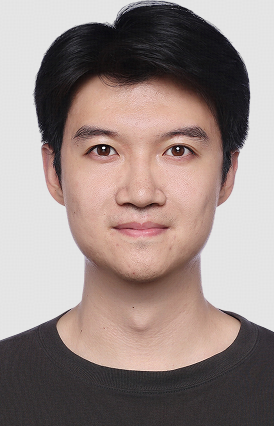 Jiaming Liu (刘家铭)合作论文数National Key Laboratory for Multimedia Information Processing, School of Computer Science, Peking University77
 Ming Lu (陆鸣)合作论文数Intel Lab47
 Pengwei Wang (王鹏伟)合作论文数东华大学计算机软件与理论系40
 Kurt Keutzer合作论文数Department of Electrical Engineering and Computer Sciences, University of California, Berkeley;Graduate School, University of California, Berkeley36
 Zhongyuan Wang (王仲远)合作论文数Kuaishou Technology;Beijing Academy of Artificial Intelligence33
 Xiaowei Chi合作论文数32
 Renrui Zhang合作论文数Multimedia Laboratory, The Chinese University of Hong Kong32
 Xiaobao Wei (韦小宝)合作论文数Institute of Software, Chinese Academy of Sciences;Peking University26
 Rongyu Zhang合作论文数School of Electric Science and Engineering, Nanjing University;School of Computing, The Hong Kong Polytechnic University25
 Xiaodong Xie (解晓东)合作论文数National Engineering Research Center of Visual Technology, Peking University21
 Yuheng Ji (冀昱衡)合作论文数Institute of Automation, Chinese Academy of Sciences18
 Cloris (Xiaoqi) Li合作论文数School of Computer Science, Peking University18
 Yandong Guo合作论文数OPPO Research Institute18
 Wenzhao Zheng (郑文钊)合作论文数Department of EECS, University of California, Berkeley18
 Jian Tang (唐剑)合作论文数Department of Electrical Engineering and Computer Science, College of Engineering, Syracuse University18
 Tiejun Huang (黄铁军)合作论文数Institute for Artificial Intelligence, Peking University;School of Computer Science, Peking University;Beijing Academy of Artificial Intelligence;National Engineering Laboratory for Video Technology, Peking University17
 Yuan Zhang (张袁)合作论文数Center on Frontiers of Computing Studies, Peking University16
 Chenyang Gu合作论文数15
 Yulin Luo合作论文数Peking University15
 Qizhe Zhang合作论文数15
 Li Du (杜力)合作论文数School of Electronic Science and Engineering, Nanjing University;School of Integrated Circuits, Nanjing University15
 Zhen Dong合作论文数University of California at Berkeley15
 Jianxin Li (李建欣)合作论文数School of Computer Science & Engineering, Beihang University;Beijing Advanced Innovation Center of Big data and Brain Computing, Beihang University15
 Haoyi Zhou (周号益)合作论文数School of Software, Beihang University;Beijing Advanced Innovation Center for Big Data and Brain Computing14
 Cheng Chi (迟程)合作论文数Beijing Academy of Artificial Intelligence14
 Hao Chen (陳浩)合作论文数Department of Computer Science and Engineering, School of Engineering, The Hong Kong University of Science and Technology;Division of Life Science, School of Science, The Hong Kong University of Science and Technology;Department of Chemical and Biological Engineering, School of Engineering, The Hong Kong University of Science and Technology13
 Huizhu Jia (贾惠柱)合作论文数National Engineering Research Center of Visual Technology, Peking University;School of Computer Science, Peking University13
 Huanrui Yang (杨幻睿)合作论文数Department of Electrical and Computer Engineering, College of Engineering, University of Arizona12
 José M. F. Moura合作论文数Department of Electrical and Computer Engineering, Carnegie Mellon University12Yike Guo (郭毅可)合作论文数12
 Gaole Dai合作论文数National Engineering Research Center of Visual Technology, Peking University11Xiaoshuai Hao合作论文数Beijing Academy of Artificial Intelligence11
 Wei Xue合作论文数Imperial Coll London, Dept Elect & Elect Engn, London, England11
 Yuan Du (杜源)合作论文数School of Electronic Science and Engineering, Nanjing University11
 Zhuoyang Liu合作论文数10
 Xingqun Qi (祁星群)合作论文数Academy of Interdisciplinary Studies, The Hong Kong University of Science and Technology10
 Ying Li (李莹)合作论文数School of Computer Science & Engineering, Beihang University10
 Peng Gao合作论文数Alpha-VLLM Team, OpenGVLab, Shanghai Artificial Intelligence Laboratory10Qifeng Liu合作论文数9
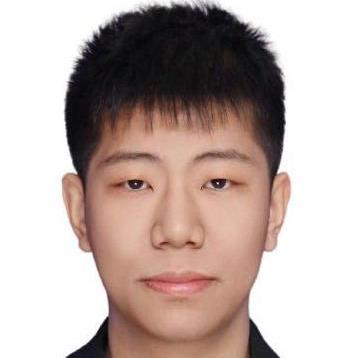 Chengkai Hou合作论文数Peking University9Shiji Zhou (周仕佶)合作论文数9
 Hao Dong (董豪)合作论文数Center on Frontiers of Computing Studies, School of Computer Science, Peking University9
 Pheng Ann Heng (王平安)合作论文数Department of Computer Science and Engineering, The Chinese University of Hong Kong9
 Zhengping Che (车正平)合作论文数Beijing Innovation Center of Humanoid Robotics9
 Sixiang Chen合作论文数8
 Enshen Zhou (周恩申)合作论文数School of Software, Beihang University;Beijing Academy of Artificial Intelligence8Peidong Jia合作论文数8
 Ziyu Guo合作论文数The Chinese University of Hong Kong;Google DeepMind8
 Zehui Chen (陈泽徽)合作论文数Brain-Inspired Vision Laboratory, School of Automation, University of Science and Technology of China;ByteDance8