Reconfigurable data-flow architectures such as coarse-grain reconfigurable architectures (CGRAs) provide an attractive balance between flexibility and efficiency for compute-intensive domains such as artificial intelligence (AI), machine learning (ML), and digital signal processing (DSP). However, designing domain-efficient reconfigurable architectures while maintaining programmability and runtime agility is a major challenge due to the complexity of the coupled hardware-software design space.This paper presents CADA (Configurable Architecture Design Automation), an end-to-end automated hardware-software co-design framework for generating compute-efficient, dynamically reconfigurable CGRA-style systems. CADA combines domain-statistic-driven design-space exploration with configurable processing-element and interconnect templates, enabling automated generation of architectures supporting multi-size mapping, multi-program tenancy, and fast, dynamic reconfiguration. A hybrid integer linear programming (ILP)-based compilation flow, co-designed with the generated architecture, enables mapping of large data-flow graphs with near-linear compilation scaling.Across AI/ML and DSP workloads, CADA-generated designs achieve 6–18× higher area efficiency and 5–8× higher energy efficiency compared to ALU-based programmable data-flow designs, while the co-designed compiler achieves 6–76× faster compilation than state-of-the-art ILP CGRA algorithms. These results demonstrate the effectiveness of automated architecture-compiler co-design for scalable, dynamically reconfigurable systems and highlight CADA as a practical design automation framework for next-generation reconfigurable accelerators.
Emerging applications with highly dynamic digital signal processing (DSP) and machine-learning (ML) workloads demand a hardware platforms that simultaneously deliver high performance, high energy efficiency, and low-latency reconfiguration. Such systems must adapt to evolving algorithms, variable data rates, and multiprogram tenancy without incurring prohibitive switching overhead. The conventional reconfigurable architectures and their associated scheduling frameworks typically rely on off-chip, software-based scheduling and mapping, introducing substantial latency and limited scalability. In addition, their dependence on the complex 2-D placement methods across processing-element (PE) arrays constrains responsiveness and resource utilization, making them unsuitable for real-time and multiprogram operation. To address these limitations, we present a runtime reconfigurable array (RTRA), a coarse-grained hardware fabric that integrates on-chip scheduling and is architected around modular, hierarchically partitioned compute blocks. This organization enables fast scheduling and mapping, sustains high utilization across diverse workloads, supports fine-grained multiprogram tenancy, and achieves high energy and area efficiency.
Background and aimIntra-abdominal sepsis in critically ill surgical patients has a high mortality rate. Fluid therapy is essential resuscitation measure but can lead to poor outcome due to fluid overload and increased sodium and chloride levels. This study aimed to examine the relationship between cumulative fluid balance, serum sodium and chloride levels in the intensive care unit (ICU), and in-hospital mortality in critically ill surgical patients with intra-abdominal sepsis.MethodsThe study was designed as a retrospective, observational study. Data were collected and analyzed from 100 critically ill surgical patients with intra-abdominal sepsis who were immediately subjected to surgical treatment. Postoperative care continued in the ICU for at least 7 days. Data related to daily fluid enteral and parenteral intake and loss were taken from medical records. The cumulative fluid balance was calculated for the periods from days 1 to 3 and 1 to 7 of ICU treatment.ResultsIn-hospital mortality rate was 51%. The cumulative fluid balance on the third and seventh days of ICU hospitalization was found to be positively correlated with mortality. Statistical analyses revealed significant differences in fluid balance at these time points in relation to mortality (p < 0.0005). ROC analysis confirmed the predictive power of cumulative fluid balance, with an AUC of 0.757 (cutoff: 5,130 ml, sensitivity 68.6%, specificity 69.4%) on the third day and AUC of 0.856 (cutoff: 2,210 ml, sensitivity 78.4%, specificity 83.7%) on the seventh day. Binary logistic regression further supported the influence of fluid balance on mortality. Sodium and chloride levels remained within the reference range but were significantly higher in patients who died. Binary logistic regression showed that abnormal sodium and chloride levels on the third and seventh days were associated with increased mortality.ConclusionHigh values of postoperative cumulative fluid balance as well as elevated serum sodium and chloride levels during the first 7 days in the ICU may be important predictors of in-hospital mortality in critically ill patients with intra-abdominal sepsis who underwent emergency surgical treatment.Clinical trial registrationhttps://clinicaltrials.gov/study/NCT06838585?locStr=Novi%20Sad,%20Serbia&country$=$Serbia&state$=$Vojvodina&city$=$Novi%20Sad&cond$=$intra%20abdominal%20sepsis&rank$=$3, NCT06838585.
Objective To evaluate the 5-year clinical performance of a glass hybrid restorative system and a nano-hybrid resin composite in moderate to large two-surface class II cavities. Materials and methods This study was carried out by dental schools in Zagreb, Croatia; Izmir, Turkey; Belgrade, Serbia; and Milan, Italy. A total of 180 patients requiring two class-II two-surface restorations in the molars of the same jaw were recruited. The teeth were randomly restored with either a nano-hybrid resin composite (Tetric EvoCeram, Ivoclar Vivadent) or a glass-hybrid material (EQUIA Forte, GC). During the 5-year follow-up, two calibrated evaluators at each centre scored the restorations annually using the FDI-2 scoring system. The survival rates were calculated using the Kaplan–Meier method and compared using non-parametric matched pair tests ( p < 0.05). Results There were no statistically significant differences between the overall survival and success rates of the two types of restorations (p>0.05). The success rates (FDI-2 scores 1–3) for EQUIA Forte were 81.9% (average annual failure rate: 3.9%) and 90.7% for Tetric EvoCeram (average annual failure rate: 1.9%). The survival rates (FDI-2 scores 1–4) for EQUIA Forte and Tetric EvoCeram were 94.5% and 94.4%, respectively, with an average annual failure rate of 1.1%. Conclusions In terms of success and survival rates, both the glass-hybrid restorative system and the nano-hybrid resin composite have been shown to perform satisfactorily. Clinical relevance The results of this study indicate that EQUIA Forte can be one of the therapeutic options for moderate to large two-surface class II restorations of posterior teeth.
BackgroundEnhanced Recovery After Surgery (ERAS) protocol for esophagectomy may reduce the high incidence of postoperative morbidity and mortality. The aim of this study was to assess the impact of properly conducted ERAS protocol with specific emphasis on fluid balance and opioid-sparing anesthesia (OSA) on postoperative major morbidity and mortality after esophagectomy.MethodsPatients undergoing elective esophagectomy for esophageal cancer at the Hospital for Digestive Surgery, University Clinical Center of Serbia, from December 2017 to March 2021, were included in this retrospective observational study. Patients were divided into two groups: the ERAS group (OSA, intraoperative goal-directed therapy, and postoperative “near-zero” fluid balance) and the control group (opioid-based anesthesia, maintenance mean blood pressure ≥ 65 mmHg, and liberal postoperative fluid management). The primary outcome was major morbidity within 30 days from surgery and 30-day and 90-day mortality. Multivariable analysis was used to examine the effect of the ERAS protocol.ResultsA total of 121 patients were divided into the ERAS group (69 patients) and the control group (52 patients). Patients in the ERAS group was received less fentanyl, median 300 (interquartile range (IQR), 200–1,550) mcg than in control group, median 1,100 (IQR, 650–1750) mcg, p < 0.001. Median intraoperative total infusion was lower in the ERAS group, 2000 (IQR, 1000–3,750) mL compared to control group, 3,500 (IQR, 2000–5,500) mL, p < 0.001. However, intraoperative norepinephrine infusion was more administered in the ERAS group (52.2% vs. 7.7%, p < 0.001). On postoperative day 1, median cumulative fluid balance was 2,215 (IQR, −150-5880) mL in the ERAS group vs. 4692.5 (IQR, 1770–10,060) mL in the control group, p = 0.002. After the implementation of the ERAS protocol, major morbidity was less frequent in the ERAS group than in the control group (18.8% vs. 75%, p < 0.001). There was no statistical significant difference in 30-day and 90-day mortality (p = 0.07 and p = 0.119, respectively). The probability of postoperative major morbidity and interstitial pulmonary edema were higher in control group (OR 5.637; CI95%:1.178–10.98; p = 0.030 and OR 5.955; CI95% 1.702–9.084; p < 0.001, respectively).ConclusionA major morbidity and interstitial pulmonary edema after esophagectomy were decreased after the implementation of the ERAS protocol, without impact on overall mortality.
Introduction: The predictive value of brain natriuretic peptide in heart failure is well-known, but its importance as an outcome predictor after a left ventricular assist device ( LVAD ) implantation remains unaddressed. This research aims to examine the significance of brain natriuretic peptide (BNP) as an indicator of treatment outcomes during different post-implantation periods. Methods: A retrospective cohort study included the analysis of medical records of 87 patients in whom LVAD was implanted at the University Clinical Center of Serbia in the period 2014-2020. The correlation of BNP levels with treatment outcomes after operation was evaluated. Results: The average preoperative BNP for all patients was 1244 pg/ mL. The average ejection fraction (EF) was 15% (median), endsystolic diameter (ESD) was 6.80 cm and endiastolic diameter (EDD) was 7.70 cm. Eighty-one patients were NYHA class 4, and 6 patients were NYHA 3. Compared to the preoperative BNP level below or above 1000 pg/mL, there was no significant difference in overall survival of patients after operation (Log Rank [Mantel-Cox] test, p=0.838). BNP levels postoperatively decreased from 358 pg/mL at 3 months upon surgery to 136 pg/mL 5 years upon surgery (Friedman test, p<0.001). BNP levels show strong negative correlation with EF (decrease in BNP level and increase in EF value), and strongly positive correlation with EDD, ESD, and NYHA class (a decrease in BNP and a decrease in EDD, ESD, and NYHA). Conclusion: Preoperative BNP level may not be an adequate predictor of the outcome after LVAD implantation, but the post-implantation decrease in BNP levels is highly correlated with parameters that indicate an improvement in the clinical status and positive changes in the myocardium and long-term survival.
Background/Aim: The role of ions in prevention of dental caries has been demonstrated in numerous studies. The aim of this study was to investigate the amount of released ions from different restorative materials using ion selective electrode (ISE) and inductively coupled plasma-optical emission spectrometry (ICP-OES) and assess the chemical changes in the material using energy dispersive spectroscopy (EDS). Material and Methods: Six plates were left in the contact with deionised water which was replaced everyday during the first 10 days, and on every tenth day for a period of 90 days. Concentrations of sodium, silicium, strontium, calcium, aluminium and phosphorus ions were analysed using inductively coupled plasma-optical emission spectrometry and fluoride ions were assessed using ion-selective electrode. Energy dispersive spectroscopy was utilized to study the weight percentages of elements through investigated materials. Results: Significant decrease in fluoride release has been observed between all tested materials during first four days (p<0.05). Apart from sodium, cumulative amount of released fluoride, silicium, strontium, calcium, aluminium and phosphorus ions was t½ dependent. Mean weight percentage of fluoride was the highest in GC Equia, while the highest weight percentage of strontium was observed in case of GC Fuji IX and GC Fuji II. Conclusions: The pull of strontium was obvious in the middle of investigated materials GC Fuji IX, CG Equia and Ketac N100 may enhance the fluoride release, which may have crucial role in caries prevention.
Modern applications require hardware accelerators to maintain energy efficiency while satisfying the increasing computation requirements. However, with evolving standards and rapidly changing algorithmic complexity as well as rising design costs at advanced technology nodes, the iterative development of inflexible accelerators for such applications becomes ineffective. The reconfigurable architectures can provide a higher throughput and the required flexibility, but with substantial energy and area efficiency overhead relative to the accelerators. We develop a domain-specific, energy- and area-efficient (within 2× - 10× of accelerators) multiprogram runtime reconfigurable accelerator called the universal digital signal processor (UDSP). The design maximizes generality and resource utilization for signal processing and linear algebra with minimal area and energy penalty. The statistics-driven multilayer network minimizes the network delay and consists of an optimized switchbox design that maximizes the connectivity per hardware cost. The multilayered interconnect network is linearly scalable with the number of processing elements and allows for intradielet and multidielet scaling. The network features’ deterministic routing and timing for fast program compile and its translation and rotation symmetries allow for hardware resource reallocation. Multidielet scaling is enabled by energy-efficient, high-bandwidth, and high-density interdielet communication channels that seamlessly extend the intradielet routing network across the dielet boundaries using 10- $\mu \text{m}$ fine-pitch silicon interconnect fabric (Si-IF) interposer. A 2 × 2 multidielet UDSP on Si-IF can achieve a peak energy efficiency of 785 GMACs/J at 0.42 V and 315 MHz. The interdielet communication channel, SNR-10, provides a shoreline bandwidth density of 297 Gb/s/mm at 1.1 Gb/s/pin at 0.8 V and nominal energy efficiency of 0.38 pJ/bit.
Advances in technologies that can record and stimulate deep brain activity in humans have led to impactful discoveries within the field of neuroscience and contributed to the development of novel therapies for neurological and psychiatric disorders. Further progress, however, has been hindered by device limitations in that recording of single-neuron activity during freely moving behaviors in humans has not been possible. Additionally, implantable neurostimulation devices, currently approved for human use, have limited stimulation programmability and restricted full-duplex bidirectional capability. In this study, we developed a wearable bidirectional closed-loop neuromodulation system (Neuro-stack) and used it to record single-neuron and local field potential activity during stationary and ambulatory behavior in humans. Together with a highly flexible and customizable stimulation capability, the Neuro-stack provides an opportunity to investigate the neurophysiological basis of disease, develop improved responsive neuromodulation therapies, explore brain function during naturalistic behaviors in humans and, consequently, bridge decades of neuroscientific findings across species.
IntroductionSepsis is the main cause of death in general ICUs at present day. About 19 million anually aquire sepsis worldwide and more than 30% dies. Only half of the septic patients is treated according to highest standards including west Europe. Biggest challange in treating sepsis is recognizing infection and timely initiation of antibiotic therapy. Biomarker with diagnostic, prognostic and therapeutic value could help topple this challenge. At the moment Presepsin was shown to have these values. Presepsin cut-off value for predicting sepsis is 600 pg/ml.MethodsWe present 2 cases where Presepsin helped in diagnosing Infection, Initiating antibiotic therapy and correction of antibiotic therapy.ResultsCase 1. Female patient, 64 years old, CABG surgery, developed sepsis during hospitalization. On a 4th postoperative day,patient developed chills, fever, WBC increased, PCT 22.5 ng/ml. Hemocultires were obtained. In cosultation with infectologist cefepime and teicoplanin was initiated. The following morning (5th postoperative day), Patient`s condition deteriorated more, Presepsin was done (4262 pg/ml), Hemocultures obtained again. Antibiotic therapy was changed to Meropenem, Metronidazole, Teicoplanin. On a 6th postoperative day, patient improved, no fever, clinically stable. Presepsin on 7th postoperative day was 1216. Hemocultures came positive on 8th postoperative day (CNS, Serratia) sensitive to the ongoing antibiotic therapy, presepsin wa 678pg/ml. On 11th postoperative day, which was 8th day of triple antibiotic therapy Presepsin was 361pg/ml. Patient was on the triple antibiotic therapy for 10 days, sterile hemocultures came on 12th postoperative day. Patient was discharged in good clinical condition, infection free, 16 days after surgery. Case 2. Patient, male, 68 years old, EF-22%; CABG and aortic valve replacement surgery, During hospitalization patient developed infection. Antibiotic therapy was initiated according to the blood culture results (Pseudomonas (Meropenem) and CNS(Vancomycin). This was followed by the subsiding of signs of infection, decrease in inflammatory parameters, and clinical improvement. In the mean time sputum culture came positive (Acinetobacter) which was sensitive only to Collistin. Presepin value was 242pg/ml and it was decided against initiation of Collistin. Patient was dischared in good clinical condition without laboratory and clinical signs of infection.DiscussionPresepsin could be a reliable tool for early distinguishment of patients with the risk of infection, tool in treatment and prognosis of infection/sepsis in complicated cardiac surgery patients, where many factors can mask the presence of infection.
Background:Selection of effective and safe therapy for management of patients with coronavirus disease is challenging. Tocilizumab (TZB) has emerged as a potential treatment option for COVID-19. Several aspects regarding Tocilizumab treatment remain uncertain, such as the optimal timing for its administration and the safety profile, including the potential risk of infections. The aim of the study is to present the clinical characteristics of patients with COVID-19 following the application of Tocilizumab.Methods:This is a retrospective analysis of 121 patients with severe forms of COVID-19 previously treated with Tocilizumab was conducted. All patients were admitted to intensive care units (ICUs).Results:Of 121 patients, the majority were men 72 (59.5%) with a median age at presentation of 65 ± 13 years. Only 9 (7.43%) patients were without comorbidities, while the other 112 (92.55%) had two or more comorbidities. Almost all of the 120 patients (99.2%) needed oxygen therapy, such as nasal cannulas in 110 (90.9%) patients, high flow nasal catheter (HFNC) in 4 (3.3%) patients, and continuous positive airway pressure (CPAP) in 5 (4.1%) patients while 1 patient was intubated at the time of hospital admission. The average time from Tocilizumab application to admission to the ICU was 3 days. During clinical deterioration, almost half 57 (47.1%) of the patients were intubated, and 52 (82.5%) of these intubated patients (p < 0.001) had lethal outcomes. The most significant predictors for a lethal outcome according to multivariate analysis were diabetes mellitus (p < 0.001) followed by a subsequent elevation in C-reactive protein levels (CRP; p < 0.002) and ferritin (p < 0.013) after Tocilizumab application. Bloodstream infections were found in 20 (16.5%) patients, most frequently with Gram-negative pathogens like Acinetobacter spp. as in 12 (18.6%) patients, Klebsiella spp. in 6 (8%) patients, and Pseudomonas spp. in 2 (3.2%) patients. Urine culture isolates were found in 9 (7.43%) patients, with Candida spp. being most frequently isolated in 7 (5.8%) patients, followed by Klebsiella spp. and Pseudomonas spp. in 1 patient each (0.8%). Significantly lower survival was seen in patients with proven infection.Conclusion:The benefit of tocilizumab was not found in our study. The high mortality rate among intubated patients after Tocilizumab use suggests appropriate patient selection and monitoring and emphasizes the risk of superinfections. Diabetes mellitus, increased levels of CRP, and ferritin were identified as the most significant predictors of poor outcomes in contrast to increased levels of IL-6.
INTRODUCTION:Comprehensive and interprofessional undergraduate teaching and training in special care dentistry (SCD) could influence future dentists' attitudes towards patients with disabilities. The aim of the study was to assess the influence of role play as part of SCD training on the attitudes of undergraduates towards patients with disabilities.METHOD:The students attending the SCD module during the autumn semester of 2019 comprised our target population. A quasi-experimental design was used to compare the attitudinal scores between three groups of students exposed to different modalities of SCD teaching: group 1 - didactic teaching (N = 92), group 2 - didactic teaching and clinical training in the dental treatment of children or elderly patients with disabilities (N = 142), group 3 - theoretical teaching and clinical training, accompanied by role play sessions featuring persons with disabilities (N = 20). The contact rate was 100%. The outcomes of the intervention were measured using the altruism scale, which forms part of the International Association for Disability and Oral Health (iADH) Toolbox for measuring attitudes and intended behaviors towards persons with disabilities.RESULTS:The analysis revealed the two-factor structure of the nine-item altruism scale. The first factor was described as the acceptance of oral health care as a universal human right, while the second was the perception of the contribution of marginalised groups, including people with disabilities, to the community. The students participating in the role play scored higher on both factors in comparison to those attending other modes of SCD training.CONCLUSION:The presented findings suggested role play as a powerful tool in fostering positive attitudes towards persons with disabilities in the education of dental students and highlighted the importance of multidisciplinary training.
The increasing amount of dark silicon area in power-limited SoCs makes it attractive to consider reconfigurable architectures that could intelligently repurpose dark silicon. FPGAs are more efficient than CPUs, but lack temporal dynamics of CPUs, efficiency and throughput of accelerators. Coarse-grain reconfigurable arrays (CGRAs) can achieve higher throughput, with substantial energy efficiency gap relative to accelerators, and limited multi-program dynamics. This paper introduces a domain-specific and energy-efficient (within 2-10× of accelerators) multi-program runtime-reconfigurable 784-core processor array in 16nm CMOS. Our design maximizes generality for signal processing and linear algebra with minimal area and energy penalty. The main innovation is a statistics-driven multi-layer network which minimizes network delays, and a switch box that maximizes connectivity per hardware cost. The layered network is O(N) with the number of processing elements N, which allows monolithic or multi-dielet scaling. The network features deterministic routing and timing for fast program compile and hardware-resource reallocation, suitable for data-driven attentive processing, including program trace uncertainties and application dynamics. Further, this work demonstrates multiple functional dielets that have been integrated at 10μm bump pitch to build a monolithic-like scalable design. The multi-dielet (2×2) scaling is enabled by energy-efficient high-bandwidth inter-dielet communication channels that seamlessly extend the intra-die routing network across dielet boundaries, quadrupling the number of computeresources.
Objective: Traditional lead-based cardiac pacemakers suffer from lead-related complications including lead fracture, lead dislodgement, and venous obstruction. Modern leadless pacemakers mitigate the complications, but since they are implanted inside the heart with a small battery, their limited battery lifetime necessities device replacement within the patient's lifetime. This paper presents a leadless and batteryless, wirelessly powered intravenous cardiac pacemaker that can potentially mitigate both problems. Methods: Wireless power is transferred at 13.56 MHz in bursts between the pacemaker modules to achieve sufficient power over the required distance for wireless pacing. The pacemaker stimulation module is designed to fit within the anatomical constraints of a cardiac vein, consume low power, apply greater than 5V stimulation and comply with FCC SAR regulations. The module is primarily implemented in CMOS technology to achieve extreme system miniaturization. Results: Ex-vivo pacing capability was demonstrated with a system that can apply 5V stimulation, consume 1mW power, and operate up to 2.5cm TX and RX separation. An in-vivo experiment verified the pacemaker functionality by increasing the heartbeat of Yorkshire pig from 64bpm to 100bpm. Conclusion: This work establishes that intravascular cardiac pacing can be achieved that can mitigate lead and battery-related complications. Significance: This study has a potential to advance leadless and wirelessly powered pacemaker technology.
To enhance endodontics, the search for new antibacterials that can improve infected tooth root canal treatment is ongoing. As potent antibacterial and antibiofilm agents, essential oils (EOs) have been suggested as novel endodontic materials. Several studies indicate that EO-based irrigants and medicaments show promising reductive potential against the most important intracanal pathogen, Enterococcus faecalis, and notably contribute to intracanal biofilm eradication. In terms of additional benefits that EO-based endodontic materials can provide, their antioxidant and anti-inflammatory potential are also important, but they have only scarcely been explored in research. Investigations into the benefits of EO-based endodontic materials together with their biocompatibility are needed. The results presented in this review strongly encourage further research on this topic.
This work successfully demonstrates functional multi-dielet communication on Silicon Interconnect Fabric (Si-IF) platform using Simple Universal Parallel intERface for CHIPS or SuperCHIPS interface at < 10 μm bump pitch. SuperCHIPS interfaces were implemented in two different functional assemblies for the first time at < 10 μm pitch. The first assembly is used to study the variation in SuperCHIPS link latency and energy/bit with respect to frequency and operating voltage (V DD ) scaling. At nominal voltage (V DD ) of 0.8V, the measured link data rate is 3 Gbps/link with < 20 ps latency. The second assembly consists of 2×2 dielets on Si-IF, which communicate using multiple SuperCHIPS interfaces mediated by a Streaming Near Range-10pm (SNR-10) channel and protocol. The measured inter-dielet bandwidth of the 2×2 system is 492.8 Gbps.
This article presents an analysis and design of high-efficiency, 6.78-MHz burst-mode controlled inductive wireless power transfer system (WPT) with no back-channel communication between a transmitter (TX) and a receiver (RX). Power is transmitted in bursts between the TX and the RX, and the duty cycle of the burst is controlled through load modulation to control power flow between the TX and the RX. Extra back-channel traditionally used for TX–RX communication to control power flow is avoided by using inherent load modulation properties of the WPT circuit. It is demonstrated that the quality factor of the TX can be detected to eliminate the back-channel communication. Furthermore, only an extra switch is added in the RX power stage in series with the load to regulate the output voltage. The proposed WPT circuit can regulate output voltage against distance variation of up to 3 cm using 3-cm-diameter TX and RX coils and a load variation from full load to no load. A 330-mW prototype circuit for use in medical implants is designed, built, and tested. The proposed research advances the state-of-the-art WPT systems for use in resource-constrained biomedical implants.
Background Oral healthcare of adults with intellectual disabilities (ID) presents one of the most unattended health needs, while at the same time, having a huge impact on their quality of life. Specific Aims The aims of the present investigation were to assess the rate of tooth loss and the influence of tooth extractions during dental procedures under general anesthesia (GA) on the prospects for efficient oral rehabilitation of adults with ID in Serbia. Methods This study was designed as a retrospective observational study, based on available data from dental, medical and anesthesia records. The pattern of oral healthcare and rehabilitation possibilities of 257 adults with ID who were treated under GA was investigated. Distribution of restored and extracted teeth, and demand for prosthodontic rehabilitation were analyzed. Findings The average number of dental appointments under GA in 10 years of observation period was 1.36 +/- 0.79, with 3.64 +/- 4.42 restored teeth and 6.64 +/- 5.95% extracted teeth. Prosthodontic treatment was provided for 29 (11.28%) patients. The analysis identified that age (p = 0 .041) and number of dental visits (p = 0.002) were significant predictors for prosthodontics rehabilitation. Conclusion Age, level of IQ, and the presence of concomitant conditions in adults with ID could be considered as a predictor for tooth loss. Regular attendance to dental treatment was identified as a manner for successful oral rehabilitation. Patient-centered individualized approach, implementation of preventive protocols, and improvement in delivering prosthodontic rehabilitation are mandatory in providing dental care for persons with ID.
OBJECTIVES:We assessed the long-term cost-effectiveness of glass hybrid (GH) versus composite (CO) for restoring permanent molars using a health economic modelling approach.METHODS:A multi-national (Croatia, Serbia, Italy, Turkey) split-mouth randomized trial comparing GH and CO in occlusal-proximal two-surfaced cavities in permanent molars (n=180/360 patients/molars) provided data on restoration failure and allocation probabilities (i.e. failure requiring re-restoration, repair or endodontic therapy). Using Markov modelling, we followed molars over the lifetime of an initially 12-years-old individual. Our health outcome was the time a tooth was retained. A mixed-payers' perspective within German healthcare was used to determine costs (in Euro 2018) using fee item catalogues. Monte-Carlo-microsimulations, univariate and probabilistic sensitivity analyses were conducted. Incremental cost-effectiveness ratios (ICER)s and cost-effectiveness-acceptability were quantified.RESULTS:In the base-case scenario, CO was more effective (tooth retention for a mean (SD) 54.4 (1.7) years) but also more costly (694 (54) Euro) than GH (53.9 (1.7) years; 614 (56 Euro). The ICER was 158 Euro/year, i.e. payers needed to be willing to invest 158 Euro per additional year of tooth retention when using CO. In a sensitivity analysis, this finding was confirmed or GH found more effective and less costly.CONCLUSION:CO was more costly and limitedly more effective than GH, and while there is uncertainty around our findings, GH is likely a cost-effectiveness option for restoring permanent molars.CLINICAL SIGNIFICANCE:When considering the long-term (life-time) cost-effectiveness, GH showed cost savings but CO was limitedly more effective. Overall, cost-effectiveness differences seems limited or in favour of GH.
 Robert W. Brodersen合作论文数Berkeley Wireless Research Center, University of California, Berkeley;Department of Electrical Engineering and Computer Sciences, University of California, Berkeley28
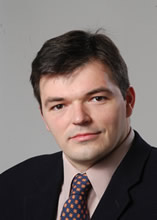 Borivoje Nikolic合作论文数Department of Electrical Engineering and Computer Sciences, University of California at Berkeley;Berkeley Wireless Research Center, University of California at Berkeley19
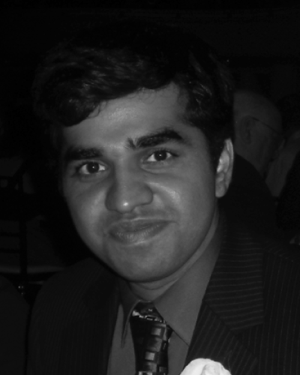 Vaibhav Karkare合作论文数Electrical Engineering Department;University of California , Los Angeles16
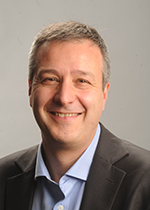 Vladimir Stojanovic合作论文数Berkeley Wireless Research Center, University of California, Berkeley;Center for Energy Efficient Electronics Science, University of California, Berkeley;Berkeley Emerging Technologies Research Center, University of California, Berkeley16
 Chia-Hsiang Yang (楊家驤)合作论文数Digital Circuits and Systems Laboratory, National Taiwan University15
 Sarah Gibson合作论文数14
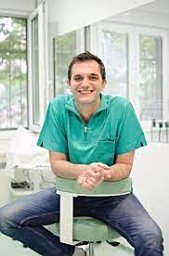 Bojan Petrovic合作论文数Department of Radiology, Northwestern University14
 Hariprasad Chandrakumar合作论文数Broadcom13
 Fengbo Ren合作论文数School of Computing and Augmented Intelligence, Arizona State University;Fovus13
 Richard Dorrance合作论文数Intel Labs12
 Tamara Peric合作论文数Faculty of Dentistry, University of Belgrade12
 Nevena Kalezić合作论文数11Rashmi Nanda合作论文数11
 Vojin G. Oklobdzija合作论文数College of Engineering, New Mexico State University11Vera Sabljak合作论文数10
 Dejan Rozgic合作论文数10Nikola Nedovic合作论文数University of California Davis10
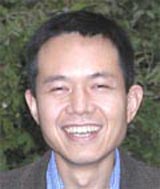 Cheng C. Wang合作论文数Iowa State University
9
Cheng C. Wang合作论文数Iowa State University
9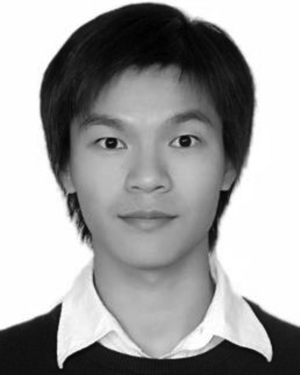 Tsung-Han Yu合作论文数8
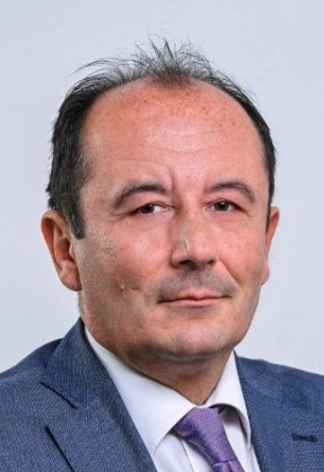 Zivaljevic V合作论文数Centre for Endocrine Surgery, Clinical Centre of Serbia8
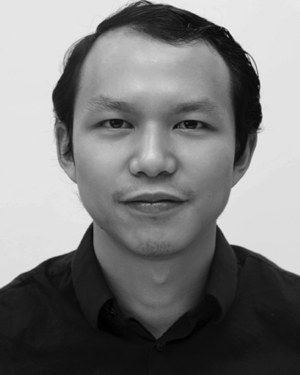 Wenlong Jiang合作论文数College of Information Technology, Jilin Normal University8
 Vahagn Hokhikyan合作论文数Electrical and Computer Engineering Department, University of California, Los Angeles, Los Angeles, CA, USA7
 Toriyama, Y.合作论文数7
 Danijela Cabric合作论文数Cognitive Reconfigurable Embedded Systems Lab, University of California, Los Angeles7Sina Basir-kazeruni合作论文数University of California Los Angeles6Putnik Svetozar合作论文数6
 Jack W. Judy合作论文数The Nanoscience Institute For Medical and Engineering Technologies, University of Florida;Department of Electrical & Computer Engineering, University of Florida6
 Elad Alon合作论文数Department of Electrical Engineering and Computer Sciences, University of California, Berkeley;Berkeley Wireless Research Center, University of California, Berkeley6
 Dragan Cvetkovic合作论文数Plymouth Engineering Design Centre|University of Plymouth6
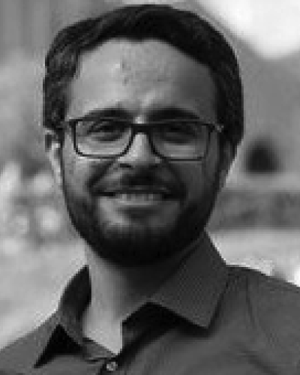 Alireza Yousefi合作论文数5Dusko Terzic合作论文数5
 Vukoman R. Jokanovic合作论文数Dept At Phys, Vinca Inst Nucl Sci5
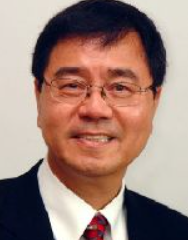 Kang Wang合作论文数Device Research Laboratory, Department of Electrical and Computer Engineering, Samueli School of Engineering, University of California, Los Angeles5
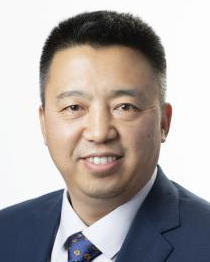 Fangli Yuan (袁方利)合作论文数Institute of Process Engineering, Chinese Academy of Sciences;University of Chinese Academy of Sciences5Nestorovic Emilija合作论文数5
 Mark Horowitz合作论文数Department of Electrical Engineering, Stanford University;Department of Computer Science, School of Engineering, Stanford University5
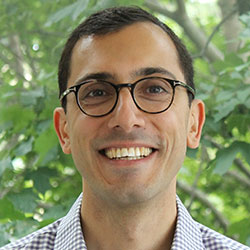 Pedram Khalili Amiri合作论文数lectrical and Computer Engineering, Northwestern University5
 Tsu-Jae King Liu合作论文数College of Engineering, University of California, Berkeley5
 Ramesh Harjani合作论文数Department of Electrical and Computer Engineering, College of Science and Engineering, University of Minnesota5
 Jelena B Zvezdanovic合作论文数5
 Vesna Zivojinovic Toumba合作论文数5
 Uneeb Rathore合作论文数4Sumeet Singh Nagi合作论文数4Marina Stojanović合作论文数4
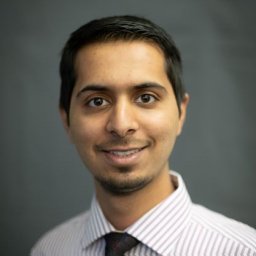 Usama Anwar合作论文数Department of Electrical and Computer Engineering, University of California4
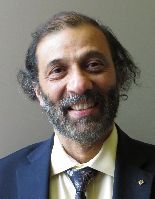 Subramanian S. Iyer合作论文数Department of Electrical and Computer Engineering, Samueli School of Engineering, University of California4
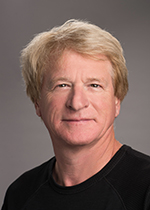 Jan M. Rabaey合作论文数Department of Electrical Engineering and Computer Sciences, University of California, Berkeley4Anindya Saha合作论文数4
 Chih-Kong Ken Yang合作论文数Department of Electrical and Computer Engineering, University of California, Los Angeles4