Single nucleotide variations (SNVs) represent the most common form of pathogenic mutations in humans, while base editing technology offers an ideal solution for treating such pathogenic variants. RNA editing has become a hotspot in current gene therapy due to its reversible action, which avoids long-term risks by not permanently altering the genome, and the compact size of the editors. Among these, the mini-dCas13X.1-mediated RNA adenine base editing (mxABE) system demonstrates highly efficient RNA base editing; however, it still suffers from non-target nucleotide editing caused by the bystander editing effect, which constitutes a major off-target risk. In this study, by deleting the nucleotide opposite the non-target adenosine in the sgRNA sequence, we effectively reduced the bystander editing effect of the mxABE system. In vitro results showed that this strategy successfully controlled the bystander editing rate below 5% while maintaining highly efficient on-target editing of approximately 70%. In a murine model of DMD (Duchenne muscular dystrophy), a single administration of AAV (adeno-associated virus)-delivered mxABE system demonstrated significant therapeutic efficacy in the tibialis anterior muscle, with successful elimination of off-target adenosine bystander editing. This study provides a novel precision-targeting strategy for treating monogenic genetic diseases using the mxABE RNA editing system.
RNA interference (RNAi) is an environmentally friendly alternative to chemical pesticides; however, its application in lepidopteran pests such as Helicoverpa armigera is limited by physiological barriers, including the hydrophobic cuticle and poor cellular uptake of double-stranded RNA (dsRNA). Here, we focus on H. armigera and construct a multifunctional interface-engineered nanoplatform (UCNP@MSN-NH2@dsRNA) to overcome these hierarchical barriers and enhance dsRNA delivery efficiency. The platform integrates upconversion nanoparticles (UCNP; NaYF4: Yb, Tm with nominal Yb similar to 18 mol% and Tm similar to 0.8 mol%), which endow the system with optical traceability, and mesoporous silica that provides high drug-loading capacity, while surface amino functionalization modulates positive charge and topological roughness. Droplet dynamics analysis revealed that this surface engineering significantly enhanced wettability on superhydrophobic insect cuticles, achieving a spreading ratio (D-f/D-0) of 2.769. In vivo upconversion luminescence imaging further visualized the cross-tissue transport mechanisms, confirming widespread accumulation in the digestive tract and hemolymph. Consequently, the nanoplatform efficiently silenced the detoxification-related gene UDP-glucuronosyltransferase 5 (UGT5), inducing significant gene downregulation (maximum silencing efficiency 59.62%) through topical, oral, and injection delivery routes. Most notably, this approach successfully reversed pyrethroid resistance in H. armigera resistant populations, achieving the highest corrected mortality rate of 92.44%. This study presents a synergistic strategy combining interfacial modulation and visualized delivery, providing a reliable paradigm for overcoming RNAi delivery bottlenecks in green agriculture.
Accurate quantification of interleukin-6 (IL6), a biomarker central to sepsis and cytokine release syndrome, is essential for assessing disease severity. Here, we present a high-performance lateral flow assay (LFA) that leverages a novel conjugate: europium nanoparticles (EuNPs) labels linked via tetrahedral DNA frameworks (TDFs). The TDF precisely controls antibody orientation, minimizes nonspecific binding, and improves conjugate stability. Combined with the strong, time-resolved fluorescence of EuNPs, this design achieves a broad dynamic range and preserves linearity at high analyte concentrations. The platform quantitatively detects IL6 from 0 to 5000 pg/mL within 10 min, showing excellent agreement with reference methods. This DNA-nanostructure-enhanced approach provides a robust and portable point-of-care testing strategy for critical clinical decision-making.
DNA has emerged as a promising medium for the post-silicon era of information storage due to its ultrahigh density and longevity. However, current systems are bifurcated, with solid-state systems providing robust cold archival but lacking accessibility, while fluidic molecular computing systems offer dynamic processing but suffer from low density and instability. This mutual exclusivity has hindered the development of hierarchical memory, a standard in modern computing, within molecular storage systems. Here, we bridge this gap by engineering a reconfigurable DNA memory architecture driven by programmable liquid-liquid phase separation (LLPS). Our system leverages sequence-based encoding to achieve an ultrahigh storage density of 7×10^10 GB/g, approaching the theoretical limits of DNA accessibility. In its fluidic hot state, DNA droplets enable rapid data loading (~83.8% in 5 min) and function as an in-memory editing platform supporting versatile, addressable bit-level operations including selective erasure (~65.1%) and high-efficiency rewriting and replacement (>99%) via programmable strand displacement. Importantly, to resolve the stability trade-off, we engineered a programmable phase transition whereby the triggered assembly of a rigid tetrahedral DNA framework (TDF) armor transforms liquid condensates into robust armored droplets. This cold state confers exceptional resistance to enzymatic and physical degradation, projecting multi-millennial data stability. By enabling reversible transitions between an editable, high-density computing mode and a stabilized archival mode, this work establishes the architectural foundation for scalable molecular information storage capable of hierarchical data management. ### Competing Interest Statement The authors have declared no competing interest. National Natural Science Foundation of China, 32571596
Directional and long-distance signal transmission is crucial for high-performance molecular computation and biomimetic systems. DNA origami offers precise surface addressability for programmable DNA signal propagation but is limited by the area of single structures. Here, we develop a bridged connection strategy to enable scalable and seamless assembly of double-layer square DNA origami nanostructures (dsDONs) to realize cross-origami signal transmission over a long distance. We demonstrate that the seamless assembly of DNA origami addresses spatial gaps and structural bending in conventional 2D assemblies, making them suitable for cross-origami signal transmission. We introduce an encoded bridging rule to break rotational symmetry, enabling the scaling up of DNA origami templates. Experimentally, we demonstrate directional single-molecule DNA signal transmission over distances up to 500 nm and the implementation of DNA logic circuits across two origamis. This strategy provides the basis for developing large-scale molecular communication networks and computing circuits.
Dynamic regulation of amplification efficiency is pivotal yet challenging in molecular diagnostics and DNA data storage. Here, we develop a thermodynamics-based approach to achieve continuous and precise modulation of nucleic acid amplification efficiency. By decoupling sequence specificity from hybridization energy regulation via a primer-tag compensation strategy, we demonstrate programmed amplification with high resolution (33 versus 81%). Leveraging 2483 experimental data, we constructed a machine learning model that improved prediction accuracy from R2 = 0.62 to = 0.86. In DNA data storage, this amplification strategy increases the density for information preview by nearly one order of magnitude and robust file steganography via differential amplification. In clinical validation, our method outperformed uniform amplification in cervical cancer RNA variant analysis, detecting rare RNA fusions and improving detection sensitivity by 100-fold under 104 simulated sequencing depth. This programmable technique is anticipated to extend to single-cell sequencing and spatial transcriptomics, offering a powerful tool for molecular diagnostics and synthetic biology.
Chemical laboratory automation has long been constrained by rigid workflows and poor adaptability to the long-tail distribution of experimental tasks. While most automated platforms perform well on a narrow set of standardized procedures, real laboratories involve diverse, infrequent, and evolving operations that fall outside predefined protocols. This mismatch prevents existing systems from generalizing to novel reaction conditions, uncommon instrument configurations, and unexpected procedural variations. We present a multi-agent robotic platform designed to address this long-tail challenge through collaborative task decomposition, dynamic scheduling, and adaptive control. The system integrates chemical perception for real-time reaction monitoring with feedback-driven execution, enabling it to adjust actions based on evolving experimental states rather than fixed scripts. Validation via acid-base titration demonstrates autonomous progress tracking, adaptive dispensing control, and reliable end-to-end experiment execution. By improving generalization across diverse laboratory scenarios, this platform provides a practical pathway toward intelligent, flexible, and scalable laboratory automation.
ABSTRACT DNA, with its exceptional information capacity and chemical stability, represents a promising material for next‐generation data storage to meet the exponential growth of global digital information demands. Enzymatic DNA synthesis provides a sustainable route to DNA production. However, the practical scalability of the underlying polymerization chemistry has been fundamentally constrained by the low catalytic efficiency and aggregation‐induced inactivation of terminal deoxynucleotidyl transferase (TdT) that is responsible for nucleotide polymerization. Here, we report a structure‐guided enzyme design framework that overcomes these intrinsic limitations by decoupling solubility and catalytic performance in a processive polymerase. Computational redesign of aggregation‐prone regions markedly enhances soluble expression, while targeted active‐site engineering improves catalytic efficiency toward 3′‐ONH 2 ‐dNTPs used in enzymatic DNA synthesis. The resulting TdT variant HL2‐LKI achieves 3.4 g L −1 soluble expression in a 5 L fermenter without fusion tags and exhibits high polymerization efficiency (99.9%) and DNA writing fidelity (98.9%). This redesign reduces enzyme production costs to approximately $0.7 g −1 , nearly seven orders of magnitude lower than the catalog price of commercially available TdT. This work establishes a generalizable strategy for transforming aggregation‐limited enzymatic polymerization reactions into scalable and low‐cost molecular manufacturing processes, thereby advancing the practical implementation of DNA as an information material.
Molecular engineering has played a pivotal role in biomedical fields, driving significant advancements in gene therapy, disease diagnosis, and biosensing. However, nucleic acid molecular engineering faces various challenges including vast design spaces, complex structure-function relationships, lengthy application validation cycles, and inefficient optimization processes. Machine learning (ML), with its superior pattern recognition, multidimensional data integration, and automated optimization capabilities, offers a unique opportunity to construct predictive models of sequence-structure-function relationships, thereby enabling a paradigm shift from empirically driven to data-driven approaches. This review systematically surveys recent progress in ML applications across three major domains: nucleic acid structure construction, performance modulation, and application expansion. It also explores core challenges such as data quality, model interpretability, and experimental validation efficiency, along with potential resolution strategies. These insights are poised to propel nucleic acid molecular engineering from static structure prediction toward dynamic behavior simulation, and from single-molecule design to complex system engineering, guiding future directions in hybrid ML-quantum models and expanded applications to non-canonical nucleic acids for transformative innovation in biomedicine, environmental monitoring, and information technology.
Engineering intelligent interfaces on living cells is essential for precise cellular manipulation. Here, we developed a DNA framework nucleator (DFN)-guided strategy for the controlled assembly of high-fidelity stimuli-responsive intelligent hydrogel interfaces (HIs) on living cell surfaces. Using a rigid tetrahedral DNA framework as the structural core, DFNs served as stable and ordered nucleation sites on the cell membrane, which directed localized branched hybridization chain reaction to form single-cell HIs. For ATP-responsive HIs, a response efficiency of ∼90.7% was achieved, representing an ∼2.9-fold enhancement over the HIs guided by a flexible double-stranded DNA nucleator (dsDN). Notably, this platform supports the integration of dual-locked and crosstalk-free logic gate function, triggering efficient disassembly exclusively when both ATP and microRNA-122 are present. This AND-gate function yielded a response efficiency of ∼98.5%, outperforming the dsDN-guided control by 4.2-fold, with a background crosstalk below ∼4.0%. These results demonstrate that ordered nucleation is essential for high-fidelity signal processing at cellular interfaces, advancing the field from static encapsulation to dynamic, logic-regulated systems and establishing a versatile platform for next-generation programmable cell-based applications.
The ability to discriminate multiple biomolecular signals simultaneously is critical for accurate diagnosis of coinfections and evaluation of the medical environment. Yet, achieving multichannel enumeration within a single recording unit remains a significant challenge. Here, we develop a DNA framework-based positional encoding system, termed the DNA Framework Digital Recorder (DFDR), which enables site-specific discrimination of multiple nucleic acid sequences using a uniform signal reporter. The DFDR is composed of a triangular DNA framework where each edge is site-specifically functionalized with orthogonal probes targeting distinct DNA sequences. We demonstrate that a single DFDR unit can resolve 18 nucleic acid targets simultaneously, 6-fold of the multiplexing capacity over conventional DNA self-assembly-based identification systems. Through temporal control of DNA strand inputs, the DFDR supports sequential and rewritable recording of multiplexed signals. We further validate the system by discriminating 16S rRNA mixtures from clinically relevant respiratory pathogens (Haemophilus, Klebsiella, Staphylococcus, and Lactobacillus). Finally, we demonstrate bacterial identification in real-world samples collected from the hospital environment and natural river water. This work establishes a versatile paradigm for high-resolution tracking of multiplexed molecular information with broad implications for synthetic biology, diagnostics, and information storage.
Objective·To construct a rosmarinic acid (RA)-loaded hydrogel and investigate its effects on tissue repair and functional recovery after Achilles tendon injury.Methods·Phenylboronic acid-modified carboxymethyl chitosan (CMCS-PBA) was synthesized via an amidation reaction between phenylboronic acid and carboxymethyl chitosan, and the molecular structure of CMCS-PBA was confirmed by 1H nuclear magnetic resonance (1H-NMR) spectroscopy. CMCS-PBA/RA hydrogel was prepared by mixing CMCS-PBA with RA at a volume ratio of 10∶1. CMCS-PBA/PVA hydrogel composed of CMCS-PBA and polyvinyl alcohol (PVA) served as the positive control. The rheological property, self-healing ability, and mechanical performance of the hydrogel were systematically characterized with a rheometer. Rat fibroblast cell line 208F was used to evaluate the biocompatibility of the hydrogels via live/dead cell staining. Eighteen rats with established Achilles tendon transection models were randomly assigned into three groups (n=6 per group): the control group, the CMCS-PBA/RA group, and the CMCS-PBA/PVA group. In the CMCS-PBA/RA and CMCS-PBA/PVA groups, the corresponding hydrogels were locally injected into the injured tendons immediately after model establishment to completely cover the injury site, while no hydrogel intervention was administered in the control group. All rats were sacrificed 3 weeks postoperatively. Hematoxylin-eosin (HE) staining and Masson staining were performed to evaluate tendon healing, and gait analysis was conducted to assess functional recovery. Major visceral organs were harvested for HE staining to further verify the in vivo biocompatibility of the prepared hydrogels.Results·1H-NMR results confirmed the successful grafting of PBA onto the CMCS molecular chains. Rheological characterization demonstrated that the prepared hydrogels possessed excellent shear-thinning behavior, self-healing ability, and favorable injectability. Live/dead staining and organ HE staining verified the favorable biocompatibility of the hydrogels. Compared with the control and CMCS-PBA/PVA groups, the CMCS-PBA/RA group exhibited significantly lower tendon healing scores (both P<0.05), indicating superior tendon healing. Gait analysis showed a significantly larger footprint area in the CMCS-PBA/RA group (both P<0.05), which reflected better functional recovery.Conclusion·A novel CMCS-PBA/RA composite hydrogel was successfully prepared. The hydrogel possesses excellent injectability, self-healing capability, and biocompatibility, and effectively promotes Achilles tendon tissue repair and motor functional recovery.
Nanoconfinement as observed in natural (e.g. green fluorescent protein, GFP) or artificial (metal-organic or covalent organic frameworks) systems effectively modulates chemical and physical properties of encapsulated molecules for various photonic, electronic, or catalytic applications. Inspired by GFP’s barrel-like peptide scaffold, which stabilizes the chromophore within a confined space, here we develop photobleaching-resistant super-resolution DNA framework (SDF) dots that enables programmable confinement of various types of fluorophores within the inner cavity resembling GFP. We find that SDF dots are resistant to reactive oxygen species-induced photobleaching due to the shielding effects of DNA frameworks. SDF dots with four fluorophores labeling inside of the cavity leads to ~1.8-fold enhancement in photostability compared to the corner labeling, whereas ~50-fold enhancement compared to single fluorophore labeled on double-stranded DNA. These ultrastable SDF dots are readily adaptable for super-resolution imaging including stimulated emission depletion (STED) and structured illumination microscopy (SIM) imaging. We realize STED imaging of live cell membranes over 30 min. We further construct ultrastable super-resolution SIM barcodes that can distinguish eighteen colored barcodes with a spatial resolution of ~70 nm. This strategy provides a versatile platform for engineering ultrastable fluorescent probes for advancing super-resolution imaging and single-particle tracking in biophysics and biomedical research.
ABSTRACT Plasma DNA analysis remains a pivotal noninvasive approach for cancer diagnosis; however, the low abundance and rapid degradation of circulating tumor DNA (ctDNA) present significant challenges for sample preservation and transport. Existing stabilization methods often fail to maintain DNA integrity at room temperature and may interfere with high‐sensitivity downstream assays. Here, we develop a ZIF‐67‐based metal‐organic framework (MOF) strategy that robustly protects ctDNA from ultraviolet irradiation, enzymatic cleavage, and oxidative stress. Both simulations and experimental results confirm that synergistic electrostatic interactions and π – π stacking effectively preserve more than 85% of DNA integrity after four weeks of storage at room temperature. Crucially, this platform is fully compatible with blocker displacement amplification (BDA), enabling reliable detection of rare mutations at variant allele frequencies (VAFs) as low as 0.37%. Validated with clinical colorectal cancer samples, our approach provides a scalable, material‐based solution that eliminates the need for cold‐chain logistics. This strategy not only guarantees diagnostic fidelity but also establishes a versatile framework to advance precision oncology across diverse clinical settings.
Reconstruction of lacrimal duct defects resulting from congenital absence or traumatic destruction remains a significant clinical challenge, as current autologous grafts often fail due to fundamental geometric, mechanical, and biochemical mismatch. This study evaluates decellularized rabbit trachea as a candidate scaffold for tissue-engineered lacrimal ducts, guided by a novel “proteomics-driven functional isomorphism” strategy. We performed comparative quantitative proteomics to demonstrate high concordance in extracellular matrix (ECM) and basement-membrane components between rabbit trachea and the native lacrimal duct, and thereby providing a molecular rationale for this cross-tissue selection. Tracheae were decellularized using a vacuum-assisted protocol (VAD), which efficiently removed cellular constituents while preserving the essential collagenous and cartilaginous framework. Concurrently, we established a biomimetic three-dimensional induction system that successfully reprogrammed rabbit epidermal stem cells into a specialized lacrimal epithelial lineage, evidenced by the robust expression of specific markers (CK18, MUC1). When seeded onto the scaffold, these induced cells formed a confluent, phenotypically stable epithelial layer. In vivo, at 8 weeks post-operation, the dECM group achieved a significantly faster fluorescein dye disappearance time and a physical patency rate exceeding 90%, markedly outperforming the silicone control (p < 0.05). By synergizing proteomic molecular matching with stem cell-driven epithelialization, our dECM-based scaffold offers a superior biological alternative to synthetic prosthetics, enabling anatomical continuity and functional tear drainage for complex lacrimal system repair.
Impaired mitophagy and the accumulation of damaged mitochondria are key drivers of endothelial cell (EC) dysfunction in diabetic wounds. While mitochondrial transplantation (MT) has demonstrated therapeutic potential in such mitochondrial damage-related diseases, its application is still thwarted by elusive mechanisms and practical hurdles such as poor targeting specificity and low delivery efficiency. Here, we reveal that MT acts by reactivating mitophagy to selectively eliminate dysfunctional mitochondria, thereby restoring mitochondrial homeostasis and rescuing EC functionality. To exploit this discovery, we engineer a biomimetic MT strategy through coating EC-derived apoptotic vesicle membrane (AVM) onto the surface of isolated mitochondria. The resulting mitochondria–AVM complex (Mito-AVM) leverages homologous targeting and phosphatidylserine-mediated “eat-me” signaling, achieving a remarkable 150% increase in delivery efficiency to ECs in diabetic wounds. Furthermore, we construct a 3-aminophenylboric acid-modified hyaluronic acid/polyvinyl alcohol hydrogel for the diabetic wound microenvironment, enabling reactive oxygen species/glucose-triggered sustained release of encapsulated Mito-AVM at the wound site. In summary, our work elucidates a fundamental mechanism of MT and provides an efficient and targeted strategy for MT therapy, offering fresh perspectives for diabetic wound treatment.
Chemotactic migration of peritendinous nerves is essential for tendon regeneration, yet the underlying neuroelectrical mechanisms remain unclear. Here, we identify an electrically responsive yes-associated protein 1 (YAP1)/phosphorylated signal transducer and activator of transcription 3 (pSTAT3)/neuropilin-1 (NRP1) signaling axis in sensory neurons. Electrical stimulation enhances YAP1-pSTAT3 interaction, promotes pSTAT3 nuclear translocation and transcriptional activity, and up-regulates NRP1 to support growth of calcitonin gene-related peptide (CGRP)-positive sensory fibers. Guided by these findings, we engineered a bifunctional piezoelectric patch composed of poly(vinylidene difluoride-trifluoroethylene) [P(VDF-TrFE)] and regenerated silk fibroin@poly(3,4-ethylenedioxythiophene):polystyrene sulfonate (RSF@P:P), coupling mechanically induced electrical cues with dynamic lubrication. Under ultrasound activation, the P(VDF-TrFE) layer generates localized electrical signals that facilitate sensory-nerve and vascular ingrowth, while the RSF@P:P layer undergoes piezoelectric-triggered gel-sol transition to form a low-friction interface and reduce adhesion. In rat and Bama minipig models, the patch markedly enhanced tendon regeneration and decreased adhesion scores by ~50%. These findings establish a neuroelectrically guided strategy for enhancing tendon healing.
Integrated sensing and intelligent interpretation of multidimensional biomarkers are essential for the in-depth characterization of complex biological microenvironments. Here, we developed an integrated AND-gated molecular classifier based on the primer exchange reaction (PER) capable of processing multidimensional biomarkers, including pH, ATP, and miRNA, within a unified molecular computing framework. The system adopts a tandem modular architecture in which chemical inputs are first transduced into single-stranded DNA signals. Together with endogenous miRNA inputs, these signals are specifically recognized by a logic processor via a strand displacement reaction, thereby initiating PER-based primer extension and amplification and ultimately generating label-free, highly sensitive fluorescence decisions. Within this architecture, the system achieves detection limits of 0.18 nM for miRNA and 0.35 μM for ATP and exhibits a precise response across a pH range of 5.0-7.0. Notably, a dual-layer AND-gate configuration generates a strong fluorescence output exclusively under the concurrent presence of low pH, high ATP, and elevated miRNA levels, as demonstrated in both buffer-based and cellular models. This work advances the PER from a nucleic acid amplification tool to a programmable molecular decision-making engine, providing a versatile molecular computing platform for the intelligent diagnosis of complex disease states.
DNA computing has emerged as a transformative paradigm for tackling computational problems at the molecular level, yet existing approaches remain constrained in algorithmic interpretability, efficiency, and scalability. Here we present a DNA-based decision tree system that modularly embeds classification rules into DNA strand displacement reaction cascades for interpretable decision-making across various configurations. It supports cascaded networks exceeding 10 layers, parallel computation of 13 decision trees in a Random Forest involving 333 strands, and multimode operation (linear/nonlinear, binary/multi-class, single/tandem trees), while maintaining low leakage, rapid signal propagation, and minimal computational elements. Coupled with a DNA-methylation sensing module, it translates biomarker profiles into molecular instructions for tree traversal, reproduces in-silico predictions and enables accurate disease subtype classification. The decision tree system represents an interpretable, scalable, and memory-efficient DNA computing approach and will open new avenues for programming intelligent molecular machines with broad applicability.
To enhance the fire suppression performance of Class A foam, this study identifies sodium dodecyl sulfate (SDS) as the primary foaming agent and develops a high-efficiency foam system comprising primary and auxiliary foaming agents, wetting agents, and foam stabilizers. It interprets these macroscopic findings at the molecular level through molecular dynamics simulations. Sixteen formulations were designed using orthogonal experiments and evaluated in terms of surface tension, viscosity, wetting performance, and foam expansion ratio. The results demonstrated that the formulated systems exhibited superior foaming characteristics compared to conventional aqueous film-forming foam (AFFF), while other physicochemical properties were inferior. Two high-performing foam systems were further investigated using molecular dynamics simulations. Analysis of the spatial concentration distributions, diffusion coefficients, and the hydrogen-bonding networks of water molecules revealed 14.3% and 14.2% increases in the peak values of the radial distribution function (RDF) for the two systems modified with auxiliary foaming agents, respectively. The auxiliary foaming agents exhibited synergistic effects with SDS, enhancing its water activation capability. The incorporation of wetting agents reduced the water diffusion coefficients by 4.7% and 21.9%, indicating that sodium bis(2-ethylhexyl) succinate sulphonate (T) interferes less with the primary foaming agent than alcohol ethoxylate (AEO). The selected formulations also demonstrated 4.4% and 3.5% reductions in water hydrogen bonding compared to SDS-only solutions, indicating decreased molecular cohesion and improved water activation. By integrating physicochemical evaluation with molecular simulation, the optimized formulation was determined to be SDS (primary foaming agent), sodium fatty alcohol ether sulfate (auxiliary foaming agent), alcohol ethoxylate (wetting agent), lauryl hydroxysultaine (foam stabilizer), and ethylene glycol butyl ether (cosolvent).
 Chunhai Fan (樊春海)合作论文数Department of Chemical Biology, School of Chemistry and Chemical Engineering, Shanghai Jiao Tong University;Shanghai Institute of Applied Physics, Chinese Academy of Sciences;University of Chinese Academy of Sciences93
 Lihua Wang (王丽华)合作论文数Institute of Materiobiology, Shanghai University43
 Qian Li (李茜)合作论文数College of Chemistry and Chemical Engineering, Shanghai Jiaotong University42
 Xiaolei Zuo (左小磊)合作论文数Center for DNA Data Storage, Shanghai Jiao Tong University;School of Chemistry and Chemical Engineering, Shanghai Jiao Tong University26
 Jiang Li (李江)合作论文数Shanghai Institute of Ceramics, Chinese Academic of Sciences26
 Xiaoguo Liu (刘小果)合作论文数School of Chemistry and Chemical Engineering, Shanghai Jiao Tong University23
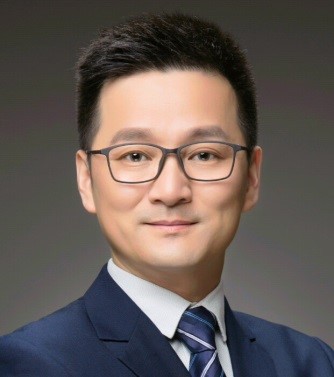 Wenguo Cui (崔文国)合作论文数Shanghai Key Laboratory for Prevention and Treatment of Bone and Joint Diseases, Ruijin Hospital, School of Medicine, Shanghai Jiao Tong University;Department of Orthopaedics, Shanghai Institute of Traumatology and Orthopaedics15
 Hao Pei (裴昊)合作论文数School of Chemistry and Molecular Engineering, East China Normal University14
 Jiye Shi合作论文数Eli Lilly and Company14
 Yingfeng Tu (屠迎锋)合作论文数College of Chemistry, Chemical Engineering and Materials Science of Soochow University11
 Fei Peng (彭飞)合作论文数School of Materials Science and Engineering, Sun Yat-sen University11
 Xueli Zhang (张学礼)合作论文数Shanghai University of Traditional Chinese Medicine10
 Mingqiang Li (李明强)合作论文数Laboratory of Biomaterials and Translational Medicine, The Third Affiliated Hospital, Sun Yat-sen University9
 Yaya Hao合作论文数9
 Hui Lv合作论文数Dalian Univ, Minist Educ, Key Lab Adv Design & Intelligent Comp, Dalian 116622, Peoples R China9
 Junbin Gao合作论文数9Xiuhai Mao合作论文数9
 Yiyun Cheng (程义云)合作论文数School of Life Sciences, East China Normal University9Kai Xia合作论文数8Yicheng Ye合作论文数8
 Min Li (李敏)合作论文数Renji Hospital, School of Medicine, Shanghai Jiaotong University8
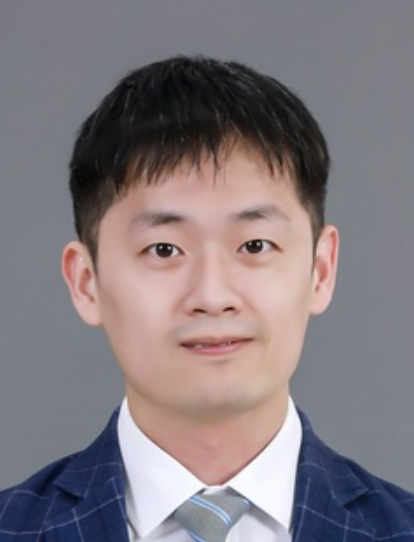 Zhibei Qu (渠志倍)合作论文数School of Pharmaceutical Sciences, Fudan University8
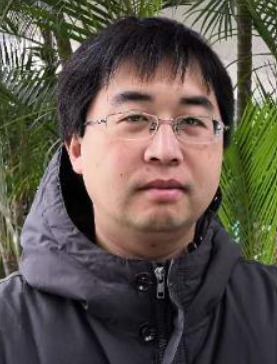 Huajie Liu (柳华杰)合作论文数School of Chemical Science and Engineering, Tongji University8
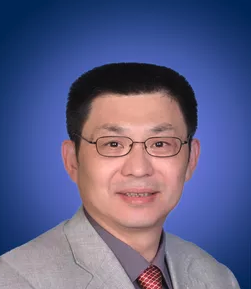 Lianfu Deng (邓廉夫)合作论文数Shanghai Institute of Traumatology and Orthopedics;Shanghia Jiao Tong University School of Medicine8
 Ping Song (宋萍)合作论文数School of Biomedical Engineering, Shanghai Jiao Tong University7Wang Shuanghu合作论文数7
 Jie Chao (晁洁)合作论文数College of Materials Science & Engineering, Nanjing University of Posts and Telecommunications7Juanfeng Ou合作论文数6
 Yinan Zhang (张祎男)合作论文数School of Chemical Science and Engineering, Tongji University6Jiamiao Jiang合作论文数6
 Guangbao Yao (姚广保)合作论文数Frontiers Science Center for Transformative Molecules, Shanghai Jiao Tong University6
 Jia Sisi合作论文数6
 Mingshu Xiao合作论文数6
 Jianlei Shen (沈建磊)合作论文数School of Chemistry and Chemical Engineering, Shanghai Jiao Tong University6
 Lianhui Wang (汪联辉)合作论文数School of Materials Science & Engineering, Nanjing University of Posts and Telecommunications6
 Kun Liu合作论文数5Xinxin Jing合作论文数5Linjie Guo合作论文数Chinese Acad Sci, Div Phys Biol & Bioimaging Ctr, Shanghai Synchrotron Radiat Facil, Shanghai Inst Appl Phys, Shanghai 201800, Peoples R China5
 Zhengwei Cai合作论文数5Shihua Luo合作论文数5
 Lu Liu合作论文数5
 Qian Zhang合作论文数Sch Life Sci & Technol, ShanghaiTech Univ5
 Ying Zhu (诸颖)合作论文数中国科学院大学核科学与技术学院5
 Min Lu (卢敏)合作论文数Ruijin Hospital, Shanghai Jiao Tong University School of Medicine5
 Bin Chen合作论文数5
 Shen Liu (刘珅)合作论文数School of Medicine, Shanghai Jiao Tong University;Shanghai Sixth People's Hospital;College of Biological Science and Medical Engineering, Donghua University5
 Fan Li (李凡)合作论文数Shanghai General Hospital5
 Hao Yan合作论文数Center for Molecular Design and Biomimetics, Biodesign Institute, School of Molecular Sciences, Arizona State University5




