慢性中耳炎分为慢性非化脓性中耳炎和慢性化脓性中耳炎.以下部分仅谈慢性化脓性中耳炎. 慢性化脓性中耳炎是中耳腔的慢性炎症,临床表现为耳流脓、听力下降(传导性耳聋)及鼓膜穿孔等.我国传统的分型方法将慢性化脓性中耳炎分为单纯型、骨疡型及胆脂瘤型.国外学者将慢性化脓性中耳炎分为慢性中耳炎发作期(伴或不伴有胆脂瘤)、慢性中耳炎静止期(鼓膜穿孔、内陷袋、粘连型及听骨链固定或缺损)及慢性中耳炎静止期伴反复急性发作.
目的:探讨气管支气管异物有效治疗方案,以减少并发症,降低死亡率。方法:分析975例小儿呼吸道异物患者的麻醉、手术方法及并发症。结果:全身麻醉下简易体位经硬支气管镜取异物共975例,945例1次手术取出异物成功,23例经过2次手术取出异物,7例经2次或2次以上手术仍未取出异物。术后并发皮下气肿2例,气胸1例,无死亡病例。结论:全身麻醉下简易体位行硬支气管镜取异物术安全、有效。规范围手术期治疗、选择合理的麻醉方式、提高手术技巧是减少气管支气管异物并发症及降低死亡率的必要条件。
OBJECTIVE:The purpose of this prospective study was to investigate the presence of human papillomavirus (HPV) in tonsillectomy and adenoidectomy specimens from pediatric patients without juvenile-onset recurrent respiratory papillomatosis (JORRP), so as to understand the effect of HPV infection in the upper respiratory tract in children.METHODS:Two hundred and forty-one pediatric patients without known JORRP or other HPV-related diseases undergoing tonsillectomy and/or adenoidectomy for hypertrophy or chronic tonsillitis were enrolled in this prospective study. One hundred and seventy-seven fresh samples of tonsillar tissues and 195 samples of adenoid tissues were collected and then examined for the presence of HPV DNA with the polymerase chain reaction (PCR) technique and typing. Laryngeal papilloma specimens from 17 patients obtained during routine debulking procedures were also analyzed and served as positive controls.RESULTS:All 17 papilloma specimens were positive for HPV DNA and the type was 6 or 11. This result confirmed that the methods used were valid for detecting HPV infection. HPV DNA was detected in 2 of the 177 tonsillar specimens and zero of the 195 adenoid specimens. The two positive samples were confirmed with typing. One was positive for HPV6 and the other for HPV11. Review of the medical records of these two cases confirmed that there were no history of HPV-related diseases. Histologic analysis of their specimens showed lymphoid hyperplasia, no specific changes suggesting HPV infection and no signs of malignancy. The HPV infection rate in upper respiratory tract was 0.8% (2/241).CONCLUSION:There is HPV infection in upper respiratory tract in Chinese children without JORRP, but maybe is not sufficient for the formation of JORRP.
Objective To study the influences of the cochlear implants with two different lengths on residual hearing at different frequencies.Methods Pre-and post-implantation auditory steady state evoked responses were administered on 15 Nucleus cochlear recipients.Results 51.67 percent of patients still had residual hearing after cochlear implantation procedure.ASSR results before and after operations in the Nucleus group were at 0.5 kHz(98.93±6.28/101.60±4.64 dB HL),1 kHz(107.80±8.16/112.60±6.11 dB HL),2 kHz(104.07±8.83/106.13±5.19 dB HL) and 4 kHz(104.73±5.93/106.60±6.25 dB HL),while the same to Medel C40+15 were at 0.5 kHz(99.67±4.20/101.40±3.96 dB HL),1 kHz(110.87±8.17/116.33±2.58 dB HL),2 kHz(109.93±7.51/113.13±3.84 dB HL) and 4 kHz(106.93±4.35/108.46±3.76 dB HL).The thresholds of the ears with Medel C40+ increased significantly at 500 Hz and 1 kHz,but there was no significant difference at 2 kHz and 4 kHz at the thresholds of the ears implanted with Nucleus.The patients with Medel C40+ implanted had the most hearing loss at 500 Hz while Nucleus had at 1 kHz.Conclusion The longer the electrodes of implantation are,the more hearing loss are noted at low frequencies.However,further study is needed to validate this observation in the future.
<正>先天性后鼻孔闭锁是临床上比较少见的一种先天性畸形发病率约在1/5000~1/8000,单侧后鼻孔闭锁多见,女性较男性好发,约70%的闭锁隔为膜性或混合性,30%为骨性。尽管早在1755年已有Roederer报道此类病例,但是由于发病率低,缺乏大规模的临床随机对照研究,目前对
目的 通过本组6家小儿专科医院开展人工耳蜗植入手术的临床工作,讨论小儿专科医院开展人工耳蜗植入手术的优势.方法 从1998年5月~2009年3月11年间,本组6家小儿专科医院耳鼻咽喉科共开展了103例人工耳蜗植入手术.术前信息:全部为双耳重度和极重度感音神经性聋,年龄8.5个月~10.2岁,平均年龄为3.8岁,全部为语前聋患儿.术前进行听力学评估、发育和智力评估、影像学评估、人工耳蜗植入适应证的评估.术前进行全麻风险的评估.进行与综合性医院开展人工耳蜗植入手术的优势比较,包括:①术前评估水平.②术中麻醉风险,③人工耳蜗植入手术结果.④围手术期护理和并发症处理水平.结果 ①术前评估:术前视觉强化行为测听检查:103例查出有残留听力49例,平均听力98dB,余54例无残留听力.畸变产物耳声发射检查:103例均未引出耳声发射.听觉脑干诱发电位、40Hz、多频稳态诱发电位检查:引出波形41例,未引出波形62例.术前影像学检查:颞骨CT检查103例中正常颞骨形态84例,内耳畸形19例,其中双耳大前庭导水管畸形11例、Mondini畸形7例、前庭与外半规管共同腔畸形1例.脑常规MRI检查,正常98例、脑白质轻度异常5例.行为和智力测试:格雷费斯智力测试>86分99例、<86分4例.术前检查结果与综合性医院检查结果比较,无显著差异.②术中麻醉风险:全麻插管、拔管中出现心电、氧、二氧化碳监测问题、气管支气管痉挛并发症0例,综合性医院发生率为0.37%,有明显的安全优势.③人工耳蜗植入手术结果:103例手术均成功,与综合性医院比较,无明显差异.④围手术期护理与并发症的处理:103例术前常规静脉采血、术中、术后常规建立静脉通道未出现失败,综合性医院出现静脉采血、建立静脉通道失败率约5%左右,小儿专科医院具有显著优势.未见明显并发症和并发症处理的差异.结论 通过本组6家小儿专科医院开展人工耳蜗植入手术的临床工作与综合性医院开展人工耳蜗植入工作的优势比较,小儿专科医院开展人工耳蜗植入手术的优势在于:①小儿专科医院开展人工耳蜗植入术前的检查和评估的全面水平具有优势,②小儿专科医院开展人工耳蜗植入术中麻醉的安全性具有明显的优势,⑦小儿专科医院开展人工耳蜗植入围手术期的配合和护理尤其是进行静脉输液,具有明显的优势,④小儿专科医院开展人工耳蜗植入的弱势在于:耳科平均手术技术水平较大型综合性医院差,早期开展此项技术需要外请专家把关.
<正>胆脂瘤型中耳炎易引起耳聋和多种颅内外并发症,造成严重后果,应尽早手术治疗。儿童患者临床表现复杂,不同于成人,早期诊断往往比较困难。本次研究对26例儿童胆脂瘤型中耳炎进行回顾性分
患者男,2个月,因鼻塞伴张口呼吸2个月,加重5 d于2008年5月9日入院.一般情况可,口唇无发绀,双肺呼吸音清.实验室检查无特殊,影像学检查见双肺纹理增粗.临床拟诊为气道异物行鼻内镜探查,发现鼻咽部直径约2 cm的肿物,境界清,活动度可,质地中等,部分切除送活检。
患儿男,5个月.近10 d来发现右面颊部进行性膨隆,伴右眼睑肿,无明显鼻塞、流涕及发热史.体检:一般情况好,体温36.7℃,呼吸28次/min,脉搏120次/min.
患儿男,3天.因颈部肿块3 d,气促少动1 d于2004年12月25日入院.患儿出生时父母就发现左颈部有一肿块,直径约1.5 cm大小,哭闹时明显,无发热气促等情况.出生第3天肿块明显增大,并出现气促、少吃、少哭、少动,遂来我院门诊并收入新生儿病房.入院体检:心率146次/min,呼吸42次/min,血压64/36 mmHg(1 mm Hg=0.0133 kPa),体温37℃,反应较差,哭声低、嘶哑,气略促,三凹征明显,唇略紫,触诊气管居中,左颈部可及一囊性皮下肿块,直径约4 cm,边界清,固定,表面皮肤无红肿;两肺呼吸音粗,有哮鸣音.
全身麻醉下行扁桃体切除术安全可靠,但术中出血相对较多,时间较长.我院自2003年4月至2004年5月采用单极电刀扁桃体切除术199例,发现术中出血明显减少,手术时间短.为全面系统地了解这种术式的特点,我们对36例患儿进行研究,现报告如下.
原发性气管肿瘤较罕见,远少于支气管肿瘤.原发性气管肿瘤中,约2/3是恶性或中间型(过渡型)肿瘤,如鳞状细胞癌、腺样囊性癌等.剩余约1/3是各种组织来源的良性肿瘤.神经源性肿瘤(包括神经纤维瘤和神经鞘瘤)非常罕见,可发生于任何年龄.神经鞘瘤也称许旺细胞瘤,更为罕见,它来源于包围在神经纤维外周的许旺细胞,常见于四肢,但也可发生在躯干、颈部和头面部,甚至可以发生在腹膜后腔、纵隔、盆腔和直肠.原发性气管神经鞘瘤是极为罕见的肿瘤,在儿童仅曾报道7例.
目的探讨儿童喉、气管异物的临床特点及诊治手段.方法分析2001年1月到2005年6月间经硬质气管镜或纤维支气管镜确诊的87例喉、气管异物患儿的临床特点、影像学改变、并发症、异物取除方法.结果气管、喉异物占同期呼吸道异物的10.7%(87/813),1~3岁组占73.6%.93.1%有异物吸入史,喘鸣占67.8%、吸气性凹陷40.2%、发绀27.6%、声音嘶哑19.5%、气管拍击音4.6%.6例(6.9%)患儿病情突变,表现发绀、呼吸困难,神志不清.胸片异常30.2%,胸透异常26.5%.硬质气管镜取异物63例并全部取出(100%),其中3例为纤支镜取异物未成功者;纤支镜取异物20例,取出17例(85.0%),两者成功率差异无显著性(P>0.5),但纤支镜取异物耗时不确定,并有5例异物通过鼻后孔时跌落入食道.结论儿童喉、气管异物典型症状不多见,异物吸入史为敏感指标;胸片、胸透异常率低,应及时作纤支镜检查,取除喉、气管异物首选硬质气管镜.
患儿女,19天,喉中痰鸣1天,呕吐1次,于2004年6月4日入院.孕2产1,足月顺产,出生体重4000 g,否认窒息抢救史.入院前1天出现喉中痰鸣,伴呕吐1次,呕吐时咽部见乳头状肿块.无咳嗽、发热,无少吃少哭少动.母孕7个月时感冒1次,2年前孕4个月难免流产1次.
OBJECTIVETo investigate the impact of congenital cytomegalovirus infection on the hearing ability in infants.METHODSBy using the tools of distortion product otoacoustic emission (DPOAE) and auditory brain-stem response (ABR), the hearing ability of 38 infants with congenital cytomegalovirus infection and 16 cases of normal controls during neonatal periods was screened with a follow-up study at 6 and 24 months.RESULTIn infants with congenital cytomegalovirus infection, 86.8% (66/76) ears at neonatal stage and 76.3% (58/76) ears at 6 months passed the tests; while in normal controls, 96.9% (31/32) ears passed the tests. The reaction threshold of ABR V in infants with congenital cytomegalovirus infection was higher than that in normal controls (P<0.005). Furthermore,in infants with congenital cytomegalovirus infection, 13 ears (17.1%) were extreme hearing loss, 5 ears (6.6%) were severe hearing loss, and 6 ears (7.9%) were moderately severe hearing loss. The incidence of hearing loss during the follow-up was 7.9% (3/38) at neonatal stage, 23.7% (9/38) at 3-4 months, and 7.9% (3/38) after 6 months.CONCLUSIONThe congenital cytomegalovirus infection could cause the prompt and late-onset hearing loss. The combination of the laboratory evidence with the dynamic hearing screening may contribute to the early detection of hearing loss in infants with congenital cytomegalovirus infection.
我院1996年7月~2000年12月收治顽固性鼻出血91例,其中筛动脉性出血41例.由于筛动脉出血位置隐蔽,易被忽视及误诊.为加深对筛动脉性鼻出血的了解,现将我们的诊治体会报告如下.
鼻出血系耳鼻咽喉科常见急诊.一般认为,青少年鼻出血部位多位于鼻腔前部梨氏区,老年人则多位于鼻腔后的鼻-鼻咽静脉丛.
从1873年Billroth完成首例全喉切除术以来,手术一直是治疗喉癌的主要手段[1].近30多年来,随着早期诊断技术的不断提高,功能性部分喉切除术的应用越来越广泛.其优点是切除肿瘤的同时尽可能地保存了喉的发音和呼吸等功能.但是,如何确定手术切除范围、避免肿瘤残留和复发仍是临床医师经常面临并迫切需要解决的问题.至今人们已进行了大量的研究和探索,现将喉癌手术切缘的研究进展综述如下.
 Rong Gao (高蓉)合作论文数3
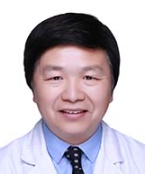 Zhimin Chen (陈志敏)合作论文数Children's Hospital, School of Medicine, Zhejiang University3Pei-fen Shao (邵佩芬)合作论文数2Wei MO (莫薇)合作论文数2Xiao-wei CHEN (陈晓慰)合作论文数2HaiMing Shi (施海明)合作论文数2Yong Fan (范勇)合作论文数2YuanYuan Zhou (周媛媛)合作论文数2Wei Sun (孙伟)合作论文数2Zhihuai Dong (董志怀)合作论文数2Daoxing ZHANG (张道行)合作论文数1Yunqiu Lei (雷云秋)合作论文数1Hua-ying Ye合作论文数1Zheng Shen合作论文数1Xiaodong LI (李晓东)合作论文数1Tai Wu (吴苔)合作论文数1CaiFu Wang (王财富)合作论文数1HongFeng Tang (汤宏峰)合作论文数1JianYun Lin (林建云)合作论文数1BeiBei Yang (杨蓓蓓)合作论文数1FuGen Han (韩富根)合作论文数1TianLin Wang (汪天林)合作论文数1YiYing Zhang (章毅英)合作论文数1
 Hongbing Yao (姚红兵)合作论文数重庆医科大学附属儿童医院1WeiZhong Gu合作论文数1Bin Xu合作论文数1Juanjuan Jiang (江娟娟)合作论文数1
 Zhengyan Zhao (赵正言)合作论文数Children's Hospital, Zhejiang University School of Medicine1Jing Sun (孙靖)合作论文数1
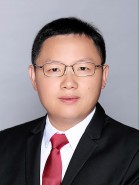 Lei Wu (吴磊)合作论文数School of Earth Sciences, Zhejiang University1Long Lin (林隆)合作论文数1Yi-Dong Wu合作论文数1
 Lan Fang Tang (唐兰芳)合作论文数Children's Hospital Zhejiang University School of Medicine1




