As higher education expands, concerns about its value have arisen due to rising educational mismatches among undergraduate graduates. Using data from the Shaanxi University Graduates’ Employment and Entrepreneurship Quality Tracking Survey from 2018 to 2022, this study employs multiple linear regression and Heckman’s two-step method to analyze the distribution patterns, income effects, and trends associated with education and skill mismatches among Chinese undergraduate graduates. Key findings include: (1) The proportion of various education and skill mismatch combinations ranged from 47.86% to 53.87%, indicating that nearly half of undergraduate graduates face education or skill mismatch risks. (2) A weak but stable correlation exists between educational mismatch and skill mismatch in employment. (3) Different combinations of education and skill mismatch result in distinct income effects compared to the genuine educational match (the reference category). Specifically, compared to the reference category, the matched-in-education but overskilled category yields an income premium due to superior skill, consistent with human capital theory; the mismatch types related to overeducation impose an income penalty because these individuals are generally employed in lower-level positions, aligning with job competition theory. Over time, the earnings premium associated with combinations of education and skill mismatch tends to decrease, while the earnings penalty increases. Our findings are contextualized within China’s economic development and higher education policies.
Grounded in the college impact models, this study integrates the perspectives of course experience and student engagement to develop a comprehensive pathway model for student ability development. In this study, Student engagement is defined by using a novel framework that integrates interpersonal and individual engagement. Data from 5221 Chinese undergraduates were analyzed using partial least squares structural equation modeling (PLS-SEM). Results demonstrate that course experiences influence ability development through both direct effects and dual mediation pathways of interpersonal and individual engagement. Furthermore, research indicates that the mechanisms through which subdimensions of course experience and student engagement influence various dimensions of ability development operate via distinct pathways. These findings reveal the potential of combining course experience and student engagement to explain student ability development, and reflect some characteristics of teaching and learning in Chinese higher education institutions. The study offers implications for improving the quality of student ability development.
The research investigated the influences of international students’ perceived online learning environments, self-efficacy, and online interaction on their online learning achievement, as measured by these students’ self-reported development of generic skills, research capacities, and Chinese proficiency and global abilities. Data were generated by a nationwide survey involving 1,010 international students across disciplines at 41 universities in China. The SEM analysis showed that among all factors directly and positively supporting international students’ learning achievement, the two online environmental factors, i.e. accessibility to online learning resources and opportunities for knowledge acquisition, presented the strongest effects. The mediation analysis showed that through interaction, environmental interactivity had significant and positive indirect influences on learning achievement; and through self-efficacy, knowledge acquisition had significant and positive indirect influences on learning achievement. The SEM analysis also revealed a significant negative influence of environmental flexibility on international students’ generic skill development. Possible explanations for the results were proposed. Implications of the results were discussed to support the sustainable development of online international education.
The ways in which learning environments are spatially conceived have undergone a significant transformation from space as "a realm without meaning" into place as "a meaningful location." In this context, the relevance of online interactions and the significance of online space and place in facilitating positive learning are worth exploration. Drawing on a nationwide survey involving 1010 international students at 41 Chinese HEIs in the COVID-19 pandemic, this research applied k-means cluster analyses which produced a typology of international students' perceived online educational environments and another typology of their online interpersonal interactions. The logistic regression results indicated the predictive power of both typologies on ability development. The discussion highlights the importance of considering spatial dimensions of international students' online learning. Promoting international students' online interactions and supporting inclusive, engaging learning experiences require both space for hosting and place enabling intercultural learning. The research holds implications for the sustainable development of online international education in the post-COVID-19 era.
The gender imbalance in entrepreneurship makes people expect universities to play the role of gender equalizers. Nevertheless, it is unclear whether universities play such a role as expected. Based on the survey data of 5468 college graduates in Shaanxi Province, China, this study utilizes the multigroup analysis (MGA) technique in a partial least squares structural equation model to investigate the gender difference in the direct and indirect effect of university entrepreneurship support (UES) on college students' entrepreneurial intention (EI). The results illustrate no significant gender differences in the direct effect of UES on EI, entrepreneurial self-efficacy (ESE) on EI, and ESE's mediating role in the relationship between UES and EI. More importantly, we find that UES demonstrates a greater reduction in fear of entrepreneurial failure (FEF) for male students compared to female students; UES has a more positive influence on male students' ESE than female students. Moreover, compared with female students, FEF has a stronger attenuating effect on male students' EI; UES is more likely to stimulate EI for male students by lowering FEF. These findings imply that universities seem to maintain and exacerbate gender inequality in startups, and current UES may be required to adapt or redesign.
This study constructs a cognitive-affective analysis framework, takes 5468 college graduates in Shaanxi Province, China, as samples, and utilizes two partial least squares structural equation models (PLS-SEM) to systematically examine the impact of university entrepreneurship support (UES) and its sub-dimensions on college students' entrepreneurial intention (EI). The findings show that in the overall PLS-SEM model, UES significantly affects students' EI. Likewise, UES affects the fear of entrepreneurial failure (FEF), entrepreneurial attitude (EA), and entrepreneurial self-efficacy (ESE), which in turn determines EI. Meanwhile, the mediating roles of FEF, EA, and ESE in the relationships of UES and EI are validated. Furthermore, Findings point out that in the sub-dimension PLS-SEM model, some dimensions of UES have significant direct effects on FEF, EA, ESE, and EI, while others have no significant influences. More importantly, we reveal that FEF, EA, and ESE do not mediate the relationship between all of UES's dimensions and EI. The results also illustrate that FEF and ESE significantly impact EA. These findings enrich entrepreneurship research and offer practical implications for university administrators to improve UES and EI.
大学生课程学习经历对能力发展有着重要影响.文章对"双一流"建设高校、高水平大学、普通本科院校三类公办高校大学生课程学习经历、能力发展及二者作用关系进行了单因素方差分析和多群组路径分析.分析结果表明:不同类型高校,大学生课程学习经历感知、能力发展感知存在显著性差异;大学生课程学习经历对能力发展影响的院校差异主要集中在课程学习过程环节.为促进不同类型高校大学生能力发展,应针对性开展大学生课程学习经历评估、构建学习者个性化学习资源推送机制、建立健全大学生学业辅导体系、促进第二课堂与第一课堂的深度融合以及强化教师经验价值观针对性引导和数据素养培育.
加强高校德体美劳过程性评价,是深化新时代教育评价改革的重大现实需要.当前,高校德体美劳过程性评价存在价值取向偏差、评价指标单一、多主体协同不足、学生参与度不高、评价结果运用不充分以及持续改进质量文化尚未形成等问题.课程是高校开展德体美劳教育的核心载体,课外活动是内化课程教学效果的重要途径;课程教学与课外活动相互支撑,构成完整的德体美劳教育活动.为推进高校德体美劳过程性评价改革,应充分发挥教育行政部门、高校、教师、学生四类主体的协同作用,聚焦课程与活动两个场域,借鉴CIPP评价模型,从总体规划、综合改革、发展目标、学生发展需求等四个方面对情境要素进行评价;从队伍建设、课程建设或活动组织、设施条件、组织制度保障等四个方面对输入要素进行评价;从价值感、热情度、清晰度、活跃度、师生关系、内容广度、考试考核、材料与练习、总体反馈等九个方面对过程要素进行评价;从实施影响、成本效益、可持续性、可推广性四个方面对产出要素进行评价.为推进这一过程性评价的落实,高校应充分关注德体美劳过程性评价伦理、加强德体美劳教育投入、注重提升教师评价素养以及引导学生主动深度参与.
This research investigated the effects of two predictors(learning environments and approaches) on international students’ self-reported development of core skills, research capacities, and Chinese proficiency and global understandings in online learning. Data were collected from 1,010 international students studying at 41 universities in China. The correlation analysis showed significant correlations between international students’ perceived online learning environments, approaches to learning, and learning achievement. The SEM analysis showed that three online environmental factors, i.e., accessibility, flexibility and knowledge acquisition, and deep approach to learning presented positive direct influence on international students’ perceived learning achievement. The mediation analysis showed that through deep approach to learning, environmental accessibility, flexibility and knowledge acquisition had positive indirect influences on perceived learning.
本文讨论了高校分类研究的背景与意义,指出高校分类对当代中国具有特殊的重要意义,高校分类是一个研究热度逐渐提高但仍有待进一步加强的重要研究领域;本文分析了高校分类的形成机制,探讨了政府与市场对高校分类的影响以及激进与保守两种不同的高校分类发展公平观;最后,本文应用全国高校教学基本状态数据对高校进行了聚类分类,进而讨论了其与高校类型之间的关系,指出双一流高校在本科教育教学方面应该发挥更大的引领示范作用.
This study explored student engagement typology in Chinese universities and examined variations in the ability development across student types. Using data generated by a survey study covering 8461 undergraduate students at 53 Chinese universities, this research applied latent profile analysis to construct a Chinese student engagement typology. We divide students into three types: actively engaged students, passively engaged students, and insufficiently engaged students. We then examined the relationships between student engagement types and cognitive and non-cognitive abilities and explored the differences in these relationships across educational contexts. We found that actively engaged students developed competencies best and that the effects of student engagement types on ability development varied by institution types and subject areas.
Nowadays, online education has been a more general demand in context of COVID-19 epidemic. The intelligent educational evaluation systems assisted by intelligent techniques are in urgent demand. To deal with this issue, this paper introduces the strong information processing ability of deep learning, and proposes the design of an intelligent educational evaluation system using deep learning. Inside the algorithm part, the low-complexity offset minimal sum (OMS) is selected as the front-end processor of deep neural network, so as to reduce following computational complexity in deep neural network. And the deep neural network is adopted as the major calculation backbone. In this paper, our OMS deep neural network parameters are 23 and 57 compared with other parameters, which can save about 59.64% of the network parameters, and the training time is 11270 s and 25000 s respectively, which saves the training time 54.92%. It can be also reflected from experiments that the proposal further improves the performance of unbalanced data classification in this problem scenario.
The construction of the double first-class university is significant in China’s higher education. However, the question of whether students’ abilities are better developed at double first-class universities remains unanswered. Based on data from the 2019 Shaanxi University Graduates’ Employment and Entrepreneurship Quality Tracking Survey, we categorized universities into double first-class and non-double first-class. This study examined the effect mechanism of institution type on students’ ability development using propensity score matching and student engagement’s mediating effect on this relationship using the bootstrap estimation. The results demonstrated that students at double first-class universities exhibited significantly better core skills, research capabilities, and self-awareness and globalization abilities than those at non-double first-class universities. The students’ research capability development varied the most among the institution types. Additionally, student engagement played an active mediating role in the relationship between institution type and ability development.
"中国特色"与"世界一流"之间存在内在的有机联系,两者辩证统一,相辅相成.走出建设中国特色、世界一流大学新路关键要扎根中国大地,实现一系列高等教育观念和建设模式的革命性变革.新时代的"中国大地"是世界一流大学"中国特色"的源泉,汇聚了建设中国特色、世界一流大学的丰富资源.扎根中国大地办学要将世界...>>详细"中国特色"与"世界一流"之间存在内在的有机联系,两者辩证统一,相辅相成.走出建设中国特色、世界一流大学新路关键要扎根中国大地,实现一系列高等教育观念和建设模式的革命性变革.新时代的"中国大地"是世界一流大学"中国特色"的源泉,汇聚了建设中国特色、世界一流大学的丰富资源.扎根中国大地办学要将世界一流大学建设融入中华民族伟大复兴的历史进程.世界一流大学的"中国特色"体现在坚持党的全面领导,服务国家和社会发展,坚持为党育人、为国育才,培养和造就一批"大先生",推进治理体系与治理能力现代化,加强文化传承创新等方面.在中国特色、世界一流大学的建设中,要紧紧围绕创新开展人才培养和科学研究,并为创新活动提供制度保障;落实高校办学自主权,重视制度建设与执行,建设健康的高校学术文化.此外,还需从"理论社科""应用社科""大众社科""开放社科""数字社科"五个方面着手推动高校哲学社会科学发展.从国际视角来看,中国的世界一流大学要在国际舞台上为人类文明进步可持续发展发挥中国大学不可替代的作用.
The construction of a high-quality education system in the new era puts forward new requirements for the construction of higher education evaluation system with Chinese characteristics. At present, there are still some problems that must be solved in the evaluation system of higher education in China, such as strengthening ideological, political and moral education, establishing Chinese evaluation criteria, strengthening data governance, implementing classified evaluation, promoting continuous improvement, and promoting social participation. In the new era, the construction of higher education evaluation system with Chinese characteristics needs to further strengthen the guidance of ideological, political and moral education of the higher education evaluation, and strive to build higher education evaluation standards with Chinese characteristics. It is also needed to improve the efficiency of higher education evaluation through data governance, enhance the pertinence of higher education evaluation through classification evaluation, strengthen the use of higher education evaluation results and policy cohesion through supervision and inspection, and guarantee, guide, and standardize social forces to participate in higher education evaluation by system construction.
对大数据概念与内涵的界定主要有3种方式,即生产导向的方式、过程导向的方式和认知导向的方式.大数据在高等教育领域的应用对完善学校规划、促进学校发展,感知教学现实、提升教学效能,优化学习经历、提高学习质量以及促进科学研究、推动跨学科发展具有重要意义.教育大数据分析主要采用两种技术,即教育数据挖掘与学习分析.在高等教育的教与学领域中,这两种技术常用的方法包括分类与预测、聚类以及异常值检测等.大数据在高等教育领域应用面临认识论、方法论、审美、技术、法律和伦理以及政治和经济的两难挑战.
经济的新发展形势、新发展阶段、新发展理念、新发展格局对高等教育提出了新使命、新需求、新任务、新要求,要求着力建设高质量高等教育体系.建设高质量高等教育体系,需要明确什么是高质量,高等教育体系由哪些部分构成,具有什么特征,如何建设.文章围绕其中一些关键方面进行了讨论,并提出了建设高质量高等教育体系的政策建议.
The outbreak of the COVID-19 pandemic has caused a substantial transition of Chinese international education to online learning. This article discusses the impact of online learning from international students’ perspectives. Data were collected from exploratory interviews with a small group of international students at a research university and a nationwide survey involving 1,010 international students at 41 universities in China. A synthesis of the two studies’ findings pointed to low levels of online learning satisfaction, particularly among international students from Africa, those in undergraduate programs, those in life sciences and medical disciplines, and those studying at research-centered universities. Moreover, both studies revealed low emotional engagement significantly predicted international students’ online learning dissatisfaction. To enhance international students’ satisfaction, it is suggested that universities and teachers prioritize the building of student-centered online learning environments supporting international students’ emotional involvement and helping them feel a greater sense of belonging in online intercultural learning.
通过对近30年来国内外文献的研究,发现高校师生关系是一个被忽视、亟待加强的研究领域.为此,文章从理论与实践两个方面讨论了高校师生关系研究的意义,分析了当前高校师生关系研究需要关注的主要领域、内容以及在研究方法方面的转向.
高影响力教育活动对促进学生能力发展具有重要意义.本文应用"陕西高校毕业生就业创业质量跟踪调查"数据中2019届42757名本科毕业生的调查数据,分析了高影响力教育活动对学生能力发展的影响.研究发现:(1)学生参与高影响力教育活动的水平有待进一步提高;(2)学生能力发展处于中等水平;(3)不同高影响力教育活动对学生不同方面的能力发展具有不同程度的影响.在此基础上,提出优化高影响力教育活动,促进学生能力发展的政策建议:(1)高校应积极探索和开展研究类和协作学习类高影响力教育活动,为学生提供参与这些活动的机会,以使其获得更好发展.首先,不同类型高校应从本校实际出发,设计具有本校特色的高影响力教育活动.其次,非"双一流"高校也可借鉴"双一流"高校开展高影响力教育活动的经验,促进学生能力发展.(2)学生应充分认识参与高影响力教育活动对自身能力发展的价值,在校期间充分利用学校提供的机会,积极参与多种形式的高影响力教育活动.
 Mei Tian (田美)合作论文数School of International Studies, Xi'an Jiaotong University18
 YuPing Zhong (钟宇平)合作论文数12ZhengXia Peng (彭正霞)合作论文数12ZhenYan Li (李珍艳)合作论文数10Lijie Li合作论文数9
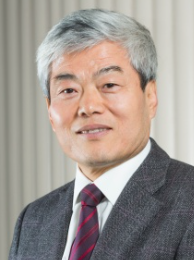 Youmin Xi (席酉民)合作论文数Xi'an Jiaotong-Liverpool University;The School of Management, Xi'an Jiaotong University9Hui Kang (康卉)合作论文数8Lei Liu (刘蕾)合作论文数8
 Hong-Biao Yin (尹弘飚)合作论文数Department of Curriculum and Instruction, The Chinese University of Hong Kong8
 Shuo Liu (刘朔)合作论文数School of Public Policy and Administration, Xi'an Jiaotong University7
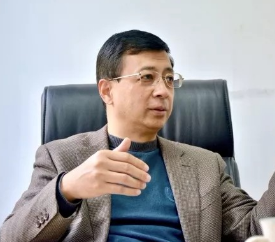 Lei Liang (梁磊)合作论文数Zhejiang University of Technology7GU Li-na (顾丽娜)合作论文数6MengHu Niu (牛梦虎)合作论文数6ZhaoFang Yang (杨兆芳)合作论文数5Xiaojuan Jia (贾小娟)合作论文数4BingChao Pan (潘炳超)合作论文数4Xiaolei Zhang (张晓磊)合作论文数4
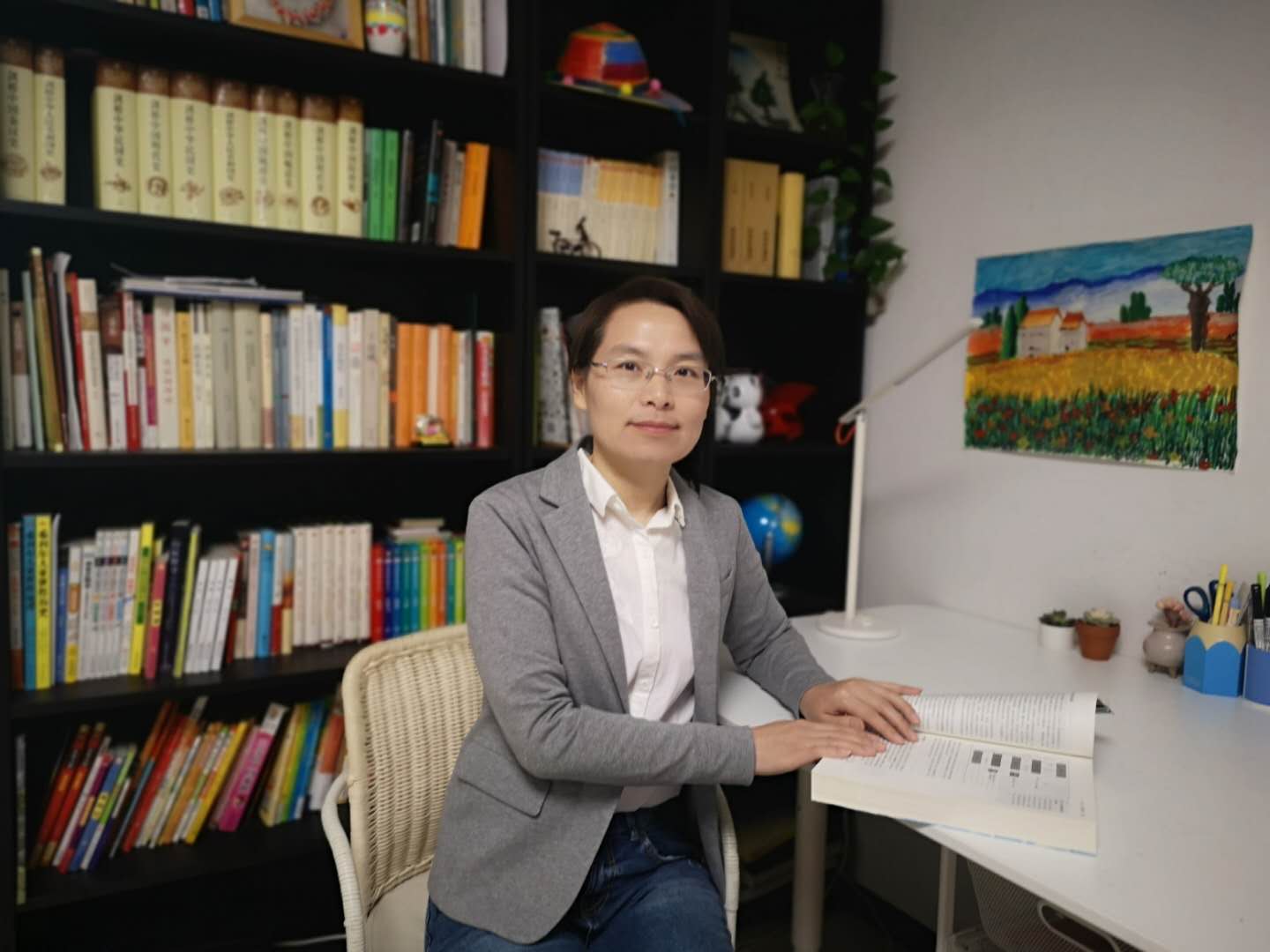 Xiuying Yao (姚秀颖)合作论文数School of Public Policy and administration, Xi'an Jiaotong University4CHANG Hui-rui (畅蕙蕊)合作论文数3Wu Junhua (吴军华)合作论文数3Min LIU (刘敏)合作论文数3Xiuying Liu (刘秀英)合作论文数3Xi WANG (王玺)合作论文数3YunFu Li (李运福)合作论文数3HaiChen Wang (王海晨)合作论文数3HaiYing Sun (孙海鹰)合作论文数3Fei Xu (徐菲)合作论文数3Li Chen (陈丽)合作论文数3
 Min Liu (刘敏)合作论文数School of Public Policy and Administration, Northwestern Polytechnical University3
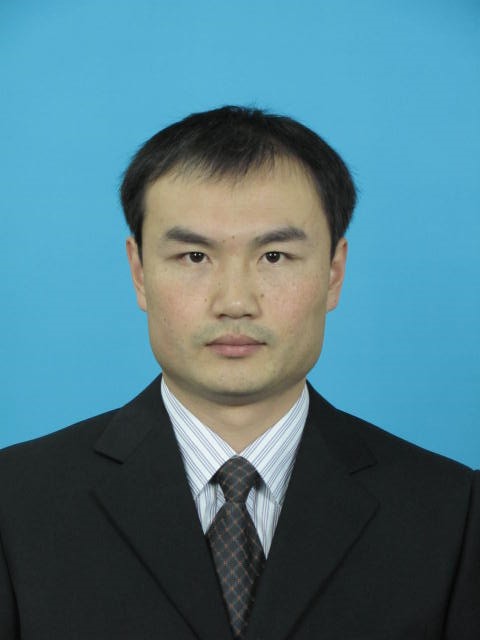 Ke Li (李科)合作论文数Military Teaching and Research Section, Xi'an Jiaotong University;Research Center for Chinese Management, Xi'an Jiaotong University3
 Dunrong Bie (别敦荣)合作论文数Institute of Education, Xiamen University3
 Tao Feng (冯涛)合作论文数School of Economics and Finance, Xi'an Jiaotong University3jiashun wu (吴佳顺)合作论文数2Shuang Wen合作论文数2Changxin Zhu (朱长新)合作论文数2Xiao-li WEI (魏小莉)合作论文数2Tiyan XIANG (向体燕)合作论文数2Yi-bin LIU (柳一斌)合作论文数2Li HE (贺莉)合作论文数2Lijie LI (李丽洁)合作论文数2WanHong Li (黎万红)合作论文数2ZiTuan Liu (刘自团)合作论文数2HuaiZu Li (李怀祖)合作论文数2
 Xinhong Wang (王昕红)合作论文数Department of Public Administration, School of Public Policy and Administration, Xi'an Jiaotong University2Ping Liu (刘萍)合作论文数School of Science, Xi'an Jiaotong University2Yu Dehong合作论文数2
 Yan Liu (刘琰)合作论文数School of Humanities and Social Sciences, Xi'an Jiaotong University2Yujian Gao (高玉建)合作论文数教育部学位与研究生教育发展中心信息处2
 Tingzhu Chen (陈廷柱)合作论文数华中科技大学教育科学研究院2




