BACKGROUND:Liver fibrosis is a global health issue that lacks effective treatments. Tibetan medicine, with a long history, has accumulated rich experience in the treatment of chronic liver diseases. The saffron (Saf) and Calculus bovis (Cal b) combination is among the most commonly used medicines in clinical practice in Tibetan medicine for hepatic disease. Its characteristic therapies and drug compatibility provide unique ideas for the treatment of liver fibrosis and have research value and application potential. AIM:To investigate the efficacy of the Saf-Cal b therapy in treating liver fibrosis and explored its underlying mechanism. METHODS:We initially established a carbon tetrachloride-induced rat liver fibrosis model to assess Saf-Cal b's anti-fibrotic effects. Subsequently, we conducted network pharmacology analysis to identify the potential therapeutic targets and pathways of Saf-Cal b in liver fibrosis intervention. Finally, we performed in vivo validation of key regulatory targets. RESULTS:Saf-Cal b combination therapy exerted superior effects in ameliorating liver fibrosis in model rats compared with Saf or Cal b monotherapy. Through network pharmacology prediction, key targets of the combination were identified. Mechanistic validation revealed that Saf-Cal b inhibited the p38 mitogen-activated protein kinases pathway, which in turn suppressed the transforming growth factor-β/small mother against decapentaplegic pathway. This sequential inhibition led to reduced activation of hepatic stellate cells, a central event in liver fibrosis progression. CONCLUSION:These findings demonstrate that Saf-Cal b combination therapy is more effective than either monotherapy in alleviating liver fibrosis, with its therapeutic effect mediated through the p38 mitogen-activated protein kinases/transforming growth factor-β/small mother against decapentaplegic signaling axis, providing a potential therapeutic strategy for liver fibrosis.
Ethnopharmacological relevance: Qiwei Tiexie capsule (QWTX) is an improved form of a classical prescription of Tibetan medicine-Qiwei Tiexie pill. It has been employed in the treatment of a variety of chronic liver disorders, including liver fibrosis. Uncertainty still exists regarding the mechanism of QWTX action in liver fibrosis.Aim of the study: Confirm the anti-liver fibrosis effect of QWTX and reveal its mechanism from the perspective of NOD-like receptor protein 3 (NLRP3) inflammasome activation. Materials and methods: In vivo experiment: A rat model of carbon tetrachloride-induced liver fibrosis was con-structed. All rats were randomly divided into six groups: a control group, a model group, a group receiving the positive drug (Biejia Ruangan tablet), and three groups receiving QWTX at high, medium, and low doses. The contents of aspartate aminotransferase (AST), alanine aminotransferase (ALT), and total bilirubin (TBil) were detected in serum. Hematoxylin and eosin staining and Masson's staining were used to assess the histo-morphological alteration of the liver. The levels of glutathione peroxidase, hydroxyproline, tumor necrosis factor alpha (TNF-alpha), and interleukin 1 beta (IL-18) in the liver were determined using the corresponding detection kits. Real-time polymerase chain reaction, immunofluorescence, and western blotting were used to determine the expression levels of NLRP3, adaptor protein (ASC), caspase-1, and alpha-smooth muscle actin (alpha-SMA). In vitro experiment: Four groups of rat hepatic stellate cell line (HSC-T6) cells were created: the control group, the low -dose QWTX group (0.05 mg/mL), the medium-dose QWTX group (0.1 mg/mL), and the high-dose QWTX group (0.2 mg/mL). Cell viability was assessed using a cell counting kit, and the amounts of collagen type I (Col I) and IL-18 in the cell lysate were measured using an enzyme-linked immunosorbent assay kit. The mRNA and protein expression of NLRP3, ASC, caspase-1, and alpha-SMA were also estimated.Results: QWTX had an inhibitory effect on liver fibrosis and a negative effect on HSC activation, while it improved liver histopathological injury and abnormal liver function and increased hydroxyproline content and glutathione peroxidase activity in vivo. QWTX decreased the expression of alpha-SMA, NLRP3, caspase-1, ASC, and IL-18 both in vitro and in vivo.Conclusions: Tibetan medicine QWTX had a significant anti-liver fibrosis effect that was related to the inhibition of NLRP3 inflammasome activation in vivo and in vitro.
Ethnopharmacological relevanceBu-Zhong-Yi-Qi Decoction(BZYQD) is a traditional formula commonly used in China, known for its effects in tonifying Qi and raising Yang. It can relieve symptoms of cognitive impairment such as forgetfulness and lack of concentration caused by qi deficiency, which is common in aging and debilitating. However, much of the current research on BZYQD has been focused on its impact on the digestive system, leaving its molecular mechanisms in improving cognitive function largely unexplored.Aim of the studyCognitive decline in the aging central nervous system is intrinsically linked to oxidative damage. This study aims to investigate the therapeutic mechanism of BZYQD in treating mild cognitive impairment caused by qi deficiency, particularly through repair of mitochondrial oxidative damage.Materials and methodsA rat model of mild cognitive impairment (MCI) was established by administering reserpine subcutaneously for two weeks, followed by a two-week treatment with BZYQD/GBE. In vitro experiments were conducted to assess the effects of BZYQD on neuronal cells using a H2O2-induced oxidative damage model in PC12 cells. The open field test and the Morris water maze test evaluated the cognitive and learning memory abilities of the rats. HE staining and TEM were employed to observe morphological changes in the hippocampus and its mitochondria. Mitochondrial activity, ATP levels, and cellular viability were measured using assay kits. Protein expression in the SIRT3/MnSOD/OGG1 pathway was analyzed in tissues and cells through western blotting. Levels of 8-OH-dG in mitochondria extracted from tissues and cells were quantified using ELISA. Mitochondrial morphology in PC12 cells was visualized using Mito Red, and mitochondrial membrane potential was assessed using the JC-1 kit.ResultsBZYQD treatment significantly improved cognitive decline caused by reserpine in rats, as well as enhanced mitochondrial morphology and function in the hippocampus. Our findings indicate that BZYQD mitigates mtDNA oxidative damage in rats by modulating the SIRT3/MnSOD/OGG1 pathway. In PC12 cells, BZYQD reduced oxidative damage to mitochondria and mtDNA in H2O2-induced conditions and was associated with changes in the SIRT3/MnSOD/OGG1 pathway.ConclusionBZYQD effectively counteracts reserpine-induced mild cognitive impairment and ameliorates mitochondrial oxidative stress damage through the SIRT3/MnSOD/OGG1 pathway.
目的 明确清开灵口服液对CCl4 大鼠的抗肝纤维化作用,并基于NOD 样受体热蛋白结构域3(NOD-like receptor protein domain 3,NLRP3)炎症小体通路揭示其抗肝纤维化的机制.方法 44只SD大鼠随机分为空白组、模型组、清开灵口服液组(QKL组),应用CCl4 灌胃的方法建立中毒性肝纤维化大鼠模型,设置4周与8周两个时间点.实验结束后,检测各组大鼠肝、脾指数;HE染色和Masson染色观察肝组织结构变化与胶原纤维增生情况;检测血清天冬氨酸氨基转移酶(aspartate aminotransferase,AST)、丙氨酸氨基转移酶(alanine aminotransferase,ALT)、总胆红素(total bilirubin,T-BIL)、羟脯氨酸(hydroxyproline,HYP)、谷胱甘肽过氧化物酶(glutathione peroxidation,GSH-Px)含量;ELISA法检测肝组织肿瘤坏死因子-α(tumor necrosis factor-α,TNF-α)、白细胞介素-1β(interleukin-1β,IL-1β)水平;免疫组化检测肝组织α-平滑肌肌动蛋白(α-smooth muscle actin,α-SMA)的表达;采用West-ern blot、RT-PCR法检测肝组织NLRP3、衔接蛋白凋亡相关斑点样蛋白(adaptor protein apoptosis-related dot-like protein,ASC)、半胱氨酸天冬氨酸蛋白水解酶-1(Caspase-1)、α-SMA的蛋白和基因的表达水平.结果 与空白组相比,4周与8周模型组肝脾指数及AST、ALT、T-BIL、HYP含量均明显升高(P<0.01)、GSH-Px活力显著下降(P<0.01),IL-1β和TNF-α含量明显升高(P<0.01),α-SMA、NL-RP3、ASC、Caspase-1的蛋白及基因表达水平均明显增加(P<0.05).HE和Masson染色显示模型组肝组织形态结构紊乱,炎症细胞大量浸润,肝脏纤维组织增生更加明显.与模型组相比,同期清开灵组均可明显降低肝脾指数及血清AST、ALT、T-BIL含量和HYP含量(P<0.05),提高GSH-Px活力(P<0.05,P<0.01),抑制TNF-α、IL-1β合成(P<0.01,P<0.05),减轻肝组织结构紊乱和炎细胞浸润,抑制胶原纤维增生,抑制α-SMA蛋白表达(P<0.05),NLRP3、ASC和Caspase-1在蛋白和基因水平表达呈不同程度降低(P<0.05,P<0.01).结论 清开灵口服液可显著抑制CCl4 导致的大鼠肝纤维化,提高肝脏抗氧化能力,改善肝功能,缓解炎症,其机制可能与抑制星状细胞活化、抑制NLRP3炎症小体通路活化相关.
实验教学是病理教学的有机组成部分,要求学生具有较高的自主学习能力、动手操作能力和创新能力.本文运用CiteSpace软件对国内近 6 年来发布的病理实验教学相关文献进行归纳整理,从年度发文量、发文期刊、文章下载及被引次数、发文机构、作者合作、关键词共现、关键词聚类、关键词时间线、关键词突现等 9 个方面进行了可视化分析,整理了目前病理实验教学的研究内容及发展动态,以期为后续的研究重点和教学改革提供参考依据.
目的:探讨炙甘草汤对特发性肺纤维化(Idiopathic pulmonary fibrosis,IPF)小鼠纤维化相关指标的影响,挖掘炙甘草汤治疗IPF的机制.方法:将60只SPF级ICR小鼠随机分为空白组、模型组、吡菲尼酮组和炙甘草汤组,除空白组外,其余组采用气管滴注博莱霉素(5 mg/kg)方法复制JPF小鼠模型,并给予相应的药物治疗.空白组和模型组小鼠灌胃生理盐水,吡菲尼酮组和炙甘草汤组小鼠分别灌胃吡菲尼酮(50mg/kg)和炙甘草汤(25.4 g/kg),各组均连续给药4周后取材,记录各组小鼠的死亡情况,计算各组肺系数;观察肺组织切片病理变化;碱水解法检测肺组织羟脯氨酸(HYP)含量;比色法检测肺组织丙二醛(MDA)含量、超氧化物歧化酶(SOD)和谷胱甘肽过氧化物酶(GSH-Px)的活性;免疫组化、荧光定量PCR检测α-SMA、COL1A蛋白和mRNA的表达水平.结果:炙甘草汤组小鼠死亡数减少,肺系数显著降低(P<0.01),炎性细胞浸润和胶原沉积面积大量减少,肺泡结构逐渐修复,HYP、MDA含量降低(P<0.01),SOD活性(P<0.05)和GSH-Px活性(P<0.01)显著增强;α-SMA、COL1A蛋白和mRNA表达均降低(P<0.01).结论:炙甘草汤通过抑制氧化应激反应,从而抑制成纤维细胞活化,减少细胞质基质沉积,从而减缓IPF疾病进程.
目的 回顾性探究基于案例教学法(case-based learning,CBL)的半翻转课堂教学模式在病理生理学本科生线上教学中的应用.方法 选取北京中医药大学2017—2020年病理生理学授课学习的所有本科生,分为对照组(2017—2019年以传统课堂模式教学的本科生)和实验组(2020年基于CBL的半翻转课堂教学的本科生),教学完成后,针对学生的教学满意度等问卷调查、期末考试成绩以及教学督导专家意见进行总结.结果 与传统的教学模式相比,学生对基于CBL的半翻转课堂线上教学模式中教师的教学以及学生的学习效果评价较好[自主学习能力(3.96±0.93)分、满足个人学习要求(3.95±0.86)分、知识掌握情况(3.80±0.86)分];与其他线上平台相比,利用微信授课易被学生接受[(3.87±1.03)分];线上授课[实验组2020年成绩为85.0(81.0,89.0)分]的学生期末考试成绩较传统课堂教学模式[对照组:2017年、2018年、2019年成绩分别为75.0(66.5,83.5)分、73.0(67.0,80.0)分、76.0(67.5,84.5)分]明显提高(P<0.001);教学督导专家也有积极的评价.结论 基于CBL的半翻转课堂在病理生理学本科生线上教学效果好,学生满意度高,是一种值得尝试的教学模式.
在高等医学教育体系中,病理学实验侧重病变器官、组织的形态学观察.随着虚拟技术的发展,依靠虚拟技术建立的数字化教学平台在高校实验教学中的应用越来越广泛,并逐渐引入病理实验教学中.本研究阐述了病理实验教学模式的发展变化,通过调查问卷的形式,就学生对数字化教学平台的满意度、对教学模式的支持度进行了调查研究,旨在进一步促进病理实验教学模式的融合,激发学生兴趣,提高教学质量,加快教学改革.
目的:探讨麦门冬汤加减方对特发性肺纤维化小鼠转化生长因子-β1(Transforming growth factor-β1,TGF-β1)、平滑肌肌动蛋白(α-smooth muscle actin,α-SMA)、胶原 Ⅰ(Collagen type Ⅰ,COL1A)表达的影响以及对 PI3K/AKT/mTOR 通路的调控作用.方法:将120只SPF级ICR小鼠随机分入空白组、模型组、吡菲尼酮组和麦门冬汤加减方组,用博来霉素(5 mg/kg)建立特发性肺纤维化模型,24 h后分别给予相应的药物治疗.吡菲尼酮组和麦门冬汤加减方组小鼠分别灌胃吡菲尼酮和中药麦门冬汤加减方,空白组和模型组小鼠灌胃生理盐水,各组均连续给药3周(21d)后取材.观察指标:各组小鼠的肺系数;肺组织病理变化;肺组织TGF-β1、α-SMA、COL1A的表达量(免疫组化);肺组织中α-SMA、COL1A、p-PI3K、p-AKT、mTOR的蛋白表达量(Western blot);肺组织中TGF-β1、α-SMA、COL1A的mRNA表达量(qPCR).结果:模型组小鼠的肺系数显著增加,麦门冬汤加减方组肺系数显著降低;模型组小鼠肺组织中有较多炎性细胞浸润,胶原沉积明显,肺泡结构破坏严重,麦门冬汤加减方组小鼠肺组织病理改变较模型组明显减轻,胶原沉积大量减少,肺泡结构逐渐修复;麦门冬汤加减方组较模型组α-SMA、COL1A、TGF-β1的蛋白表达量显著降低(P<0.01);麦门冬汤加减方组较模型组α-SMA、COL1A、p-PI3K、p-AKT、mTOR的蛋白表达量显著下调(P<0.01);麦门冬汤加减方组较模型组α-SMA、COL1A、TGF-β1的mRNA表达量显著降低(P<0.01).结论:麦门冬汤加减方能有效改善博来霉素诱导的特发性肺纤维化,降低α-SMA、COL1A、TGF-β1的表达,可能是通过调控PI3K/AKT/mTOR信号通路,抑制上皮间充质转化,减少细胞外基质沉积而发挥作用.
与传统的线下课堂教学相比,线上教学给教师、学生及网络平台均带来了巨大挑战.本研究针对北京中医药大学2020年中医学实验班二年级120名本科生开展为期一学期的线上病理生理学教学,并从线上教学的挑战性、线上课堂的实施策略、教学问卷调查及学习成绩等方面总结了线上教学实践过程,形成了病理生理学线上教学的经验,为进一步提高医学课程的线上教学水平和医学生的人才培养质量提供参考借鉴.
目的 观察藏药七味铁屑胶囊对CCL4诱导的肝纤维化大鼠肝纤维化程度的影响.方法 健康雄性SD大鼠60只,分为空白组(N组)、模型组(M组)、鳖甲软肝片组(Y组),以及七味铁屑胶囊高剂量组(QH组)、中剂量组(QM组)、低剂量组(QL组),每组10只.除N组外,其余大鼠建立大鼠CCL4肝纤维化模型.造模4周后,测定肝脾指数;全自动生化仪检测血清天冬氨酸氨基转移酶(aspartateaminotransferase,AST)、丙氨酸氨基转移酶(alanineaminotransferase,ALT)含量;采用ELISA法检测肝组织肿瘤坏死因子-α(tumornecrosisfactor,TNF-α)、白细胞介素-1β(interleukin,IL-1β)水平;定量检测肝组织羟脯氨酸(hydroxyproline,HYP)含量和谷胱甘肽过氧化物酶(glutathioneperoxidase,GSH-Px)活力.结果 与N组相比,M组肝脾指数明显升高(P<0.001);AST、ALT、HYP含量显著上升(P<0.001);TNF-α、IL-1β含量明显升高(P<0.05,P<0.01),GSH-Px活力显著降低(P<0.001).与M组相比,各给药组肝脏指数均显著降低(P<0.01,P<0.001);QM组脾脏指数显著降低(P<0.01);Y组、QH组血清AST、ALT含量明显降低(P<0.05);Y组、QH组、QM组HYP含量显著降低(P<0.01,P<0.001),GSH-Px活力升高(P<0.01,P<0.001);Y组、QM组TNF-α水平明显降低(P<0.05),各治疗组IL-1β水平均显著下降(P<0.01,P<0.001);与Y组比,QH组GSH-Px活力明显升高(P<0.05).结论 藏药七味铁屑胶囊可减轻CCL4诱导的大鼠肝纤维化程度,其机制可能与缓解炎症反应、抑制胶原生成、增强抗氧化能力有关.
藏医药以其独特的理论体系屹立于世界医学之林,是中华民族医药的重要组成部分,是藏医学者们集体智慧的结晶.经过上千年的发展,藏医对肝脏的解剖结构、生理功能以及慢性肝病的病因、病机都有其独到的认识与见解.该文从藏医对肝脏结构、功能的认识以及对慢性肝病的治疗及其发展进行综述,旨在为研究藏医药治疗慢性肝病提供参考.
随着中医药在全球地位的提升,中医院校的留学生数量也在增加.病理生理学是医学基础学科之一,是医学生必修课程,同时也是紧密联系基础与临床的桥梁学科之一.提高病理生理学教学质量是留学生基础教学的重要方面,将对其今后的临床工作有很大的帮助.课堂教学中,教师灵活运用包括思维导图、案例式教学、问题导入法等多种教学方法和手段,使抽象的病理生理学内容变得生动而具体,有助于提高中医院校留学生病理生理学的教学质量,提升教学效果.
为培养新时代德才兼备的医学人才,加强学生思想政治教育至关重要,从而提升学生思想道德水平.结合现阶段医学生的学习情况和思想政治教育的特点,将课程思政内容融入病理学课程教学中.通过激发爱国情怀、学习适应损伤、追踪科技新知、寻找科学真相、启发思辨意识,渗透创新思维、浸润科学态度和洞悉国情民生等八项举措,将思想政治元素与理论知识完美结合,从而提升学生的知识储备、责任意识和服务能力,真正实现教书与育人相统一.课程思政融入病理学的教学实践,提升了学生的学习兴趣、责任意识和服务能力,取得了较好的教学效果.
Panax notoginseng saponins (PNS), the main bioactive constituents of a traditional Chinese herb Panax notoginseng, were commonly used for ischemic stroke in China. However, the associated cellular and molecular mechanisms of PNS have not been well examined. This study aimed to decipher the underlying molecular target of PNS in the treatment of cerebral ischemia. The oxygen-glucose-deprived (OGD) model of rat brain microvascular endothelial cells (BMECs) was used in this study. The alteration of gene expression in rat BMECs after PNS treatment was measured by microarray and indicated that there were 38 signaling pathways regulated by PNS. Among them, RIG-I receptor and related signaling molecules TNF receptor-associated factor 2 (Traf2) and nuclear factor-kappa B (NF-κB) were significantly suppressed by PNS, which was verified again in OGD-induced BMECs measured by FQ-PCR and western blotting and in middle cerebral artery occlusion (MCAO) rats measured by immunohistochemistry. The levels of TNF-α, IL-8, and the downstream cytokines regulated by RIG-I receptor pathway were also decreased by PNS. Meanwhile, the neurological evaluation, hematoxylin and eosin (HE) staining, and Evans blue staining were conducted to evaluate the effect of PNS in MCAO rats. Results showed PNS significantly improved functional outcome and cerebral vascular leakage. Flow cytometry showed the number of the inflammatory cells infiltrated in brain tissue was decreased in PNS treatment. Our results identified that RIG-I signaling pathway mediated anti-inflammatory properties of PNS in cerebral ischemia, which provided the novel insights of PNS application in clinics.
BACKGROUND Liver fibrosis is a common health problem worldwide and there is still a lack of effective medicines. The Chinese herbal medicine, Gan Shen Fu Fang (GSFF) is composed of salvianolic acid B and diammonium glycyrrhizinate. In this study, we observed the effects of GSFF on liver fibrosis in vivo and in vitro in an attempt to provide some hope for the treatment. AIM To observe the effects of GSFF on liver fibrosis in vivo and in vitro and investigate the mechanism from the perspective of the inflammatory response and extracellular signal-regulated kinase (ERK) phosphorylation. METHODS Common bile duct-ligated rats were used for in vivo experiments. Hepatic stellate cells-T6 (HSC-T6) cells were used for in vitro experiments. Hematoxylin and eosin staining and Masson staining, biochemical assays, hydroxyproline (Hyp) assays, enzyme-linked immunoasorbent assay and western blotting were performed to evaluate the degree of liver fibrosis, liver function, the inflammatory response and ERK phosphorylation. The CCK8 assay, immunofluorescence and western blotting were applied to test the effect of GSFF on HSC-T6 cell activation and determine whether GSFF had an effect on ERK phosphorylation in HSC-T6 cells. RESULTS GSFF improved liver function and inhibited liver fibrosis in common bile duct-ligated rats after 3 wk of treatment, as demonstrated by histological changes, hydroxyproline assays and collagen I concentrations. GSFF alleviated inflammatory cell infiltration and reduced the synthesis of pro-inflammatory cytokines [tumor necrosis factor-α (TNF-α) and interlukin-1β] and NF-κB. In addition, GSFF decreased ERK phosphorylation. In vitro, GSFF inhibited the viability of HSC-T6 cells with and without transforming growth factor β1 (TGF-β1) stimulation and decreased the synthesis of collagen I. GSFF had the greatest effect at a concentration of 0.5 μmol/L. GSFF inhibited the expression of α-smooth muscle actin (α-SMA), a marker of HSC activation, in HSC-T6 cells. Consistent with the in vivo results, GSFF also inhibited the phosphorylation of ERK and downregulated the expression of NF-κB. CONCLUSION GSFF inhibited liver fibrosis progression in vivo and HSC-T6 cell activation in vitro. These effects may be related to an alleviated inflammatory response and downregulated ERK phosphorylation.
病理学和病理生理学属于医学基础课,同时是基础医学和临床医学之间的桥梁.我校病理教研室同时承担了病理学和病理生理学两门课程,其优势是教师能够从结构到功能,更完整地讲述疾病.在授课过程中发现,学生中仍然存在相关学科知识不能融会贯通、理论与临床脱节等问题.结合现代教学理论、教学方法的进展以及科学技术的发展,尤其是互联网技术的发展,如何形成一种新的适合中医院校病理学和病理生理学的教学模式,是目前亟待解决的难题.这种综合了微课与PBL优点的病例讨论教学模式,将基础与临床紧密结合起来,不同学科相互融合,可能是提高中医学专业病理学和病理生理学教学质量的有效方法.
In the liver, smooth muscle α-actin (SM α-actin) is up-regulated in hepatic stellate cells (HSCs) as they transition to myofibroblasts during liver injury and the wound healing response. Whether SM α-actin has specific functional effects on cellular effectors of fibrosis such as HSC is controversial. Here, the relationship between SM α-actin and type 1 collagen expression (COL1A1), a major extracellular matrix protein important in liver fibrosis, is investigated with the results demonstrating that knockout of SM α-actin leads to reduced liver fibrosis and COL1 expression. The mechanism for the reduction in fibrogenesis in vivo is multifactorial, including not only a reduction in the number of HSCs, but also an HSC-specific reduction in COL1 expression in Acta2-deficient HSCs. Despite a compensatory increase in expression of cytoplasmic β-actin and γ-actin isoforms in Acta2-/- HSCs, defects were identified in each transforming growth factor beta/Smad2/3 and ET-1/Erk1/2 signaling in Acta2-/- HSCs. These data not only suggest a molecular link between the SM α-actin cytoskeleton and classic fibrogenic signaling cascades, but also emphasize the relationship between SM α-actin and fibrogenesis in hepatic myofibroblasts in vivo.
北京中医药大学现有非医专业8个,是培养中医药行业相关服务型、支持型人才的重要基地.非医专业同学在学习本专业知识的基础上,同时要具备医学基础知识,其中病理学是必修课程之一.目前非医专业病理学教学存在教学大纲还需要进一步修订、基础课程安排不合理、教学手段不丰富等问题.解决这些问题对提高课堂教学效率、培养合格人才有重要意义.
 Weihong Li (李卫红)合作论文数School of Traditional Chinese Medicine, Beijing University of Chinese Medicine23
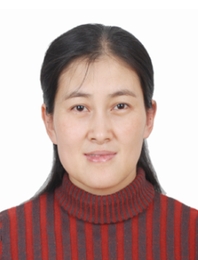 Lin Han (韩琳)合作论文数School of Traditional Chinese Medicine, Beijing University of Chinese Medicine13
 YiBo Tang (汤轶波)合作论文数School of Traditional Chinese Medicine, Beijing University of Chinese Medicine12
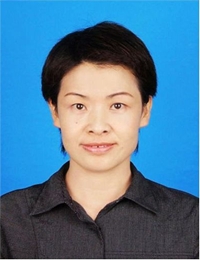 Ya Xu (徐雅)合作论文数School of Traditional Chinese Medicine, Beijing University of Chinese Medicine12
 Pengtao Li (李澎涛)合作论文数Dongzhimen Hospital, Beijing University of Chinese Medicine11JunJie Jiang (姜俊杰)合作论文数9
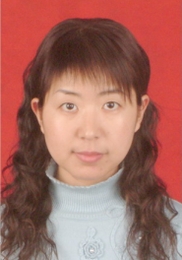 Shuyu Li (李姝玉)合作论文数School of Traditional Chinese Medicine, Beijing University of Chinese Medicine7CHU Zhulang (储著朗)合作论文数5Tenghui LI (李腾辉)合作论文数5QingJia Ren (仁青加)合作论文数5Xu Jia (贾旭)合作论文数5Liangqin Wan合作论文数4Shanshan Wang合作论文数4YiXin Dong (董一昕)合作论文数4ChuJun Zhang (张楚焌)合作论文数4Sai Zhang (张赛)合作论文数4
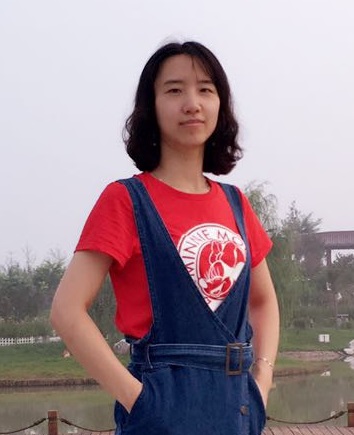 Meng Chen (陈梦)合作论文数School of Traditional Chinese Medicine, Beijing University of Chinese Medicine4
 Shuyan Wang (王淑艳)合作论文数School of Traditional Chinese Medicine, Beijing University of Chinese Medicine4
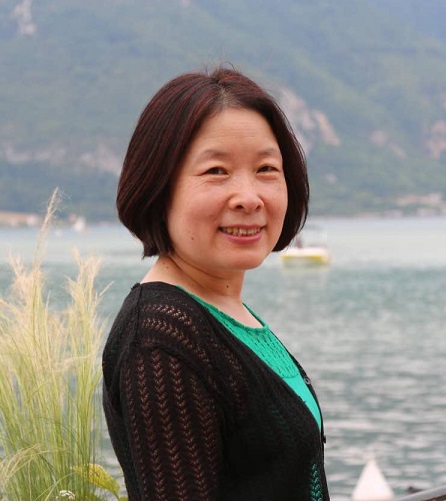 Liwei Ren (任丽薇)合作论文数School of Traditional Chinese Medicine, Beijing University of Chinese Medicine4
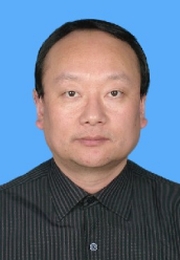 Yuzhong Zhang (张宇忠)合作论文数School of Traditional Chinese Medicine, Beijing University of Chinese Medicine4Fanghe Li合作论文数3TianShi Sun (孙天石)合作论文数3YanHong Hu (胡艳红)合作论文数3
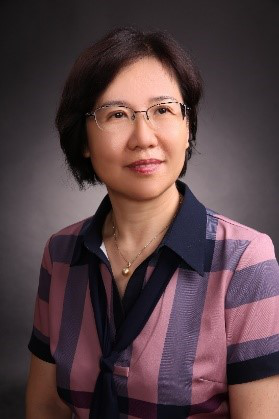 Xinyue Wang (王新月)合作论文数Third Affiliated Hospital, Beijing University of Chinese Medicine3
 Yanshu Pan (潘彦舒)合作论文数School of Traditional Chinese Medicine, Beijing University of Chinese Medicine3WANG Shan-shan (王珊珊)合作论文数2Shan-shan LIU (刘珊珊)合作论文数2SHAO Yaxiong (邵亚雄)合作论文数2Scott Lowe合作论文数College of Osteopathic Medicine, Kansas City University2Hongying ZHANG (张洪影)合作论文数2Chen-zhong ZONG (宗晨钟)合作论文数2
 Fan Zhang合作论文数2Yi-wen CHEN (陈以文)合作论文数2ChunRui Sheng (盛春蕊)合作论文数2JiaBao Ma (马家宝)合作论文数2Mashoufi Arezou合作论文数2
 Ruijuan Dong (董瑞娟)合作论文数School of Traditional Chinese Medicine, Beijing University of Chinese Medicine2
 Don C. Rockey合作论文数Department of Medicine, College of Medicine, Medical University of South Carolina2
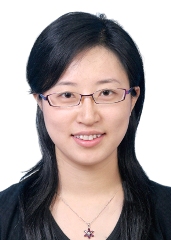 Yutong Fei (费宇彤)合作论文数School of Traditional Chinese Medicine, Beijing University of Chinese Medicine2
 Lina Li (李丽娜)合作论文数School of Traditional Chinese Medicine, Beijing University of Chinese Medicine;Dongzhimen Hospital, Beijing University of Chinese Medicine;Third Affiliated Hospital, Beijing University of Chinese Medicine2
 Junjie Bai (白俊杰)合作论文数北京中医药大学国医堂中医门诊部2
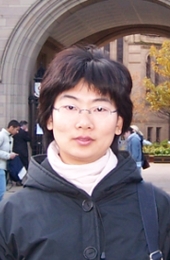 Qian Wang (王谦)合作论文数School of Traditional Chinese Medicine.BUCM2
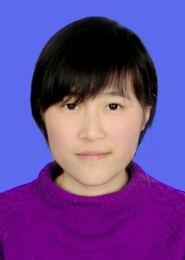 Xue Yu (于雪)合作论文数School of Traditional Chinese Medicine, Beijing University of Chinese Medicine2Huiling Tang合作论文数2
 Zengdun Shi合作论文数2
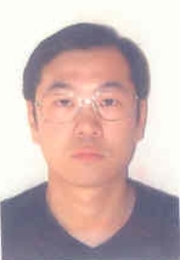 Dongyu Ge (葛东宇)合作论文数School of Traditional Chinese Medicine, Beijing University of Chinese Medicine2ZHANG Chongyang (张重阳)合作论文数1XIE Yuqing (解宇晴)合作论文数1




