Liver cancer is the malignancy with the highest mortality rate among digestive system cancers worldwide. Flavonoid plant extracts have shown significant safety and extensive function, especially anti-tumor activity. In this study, the therapeutic effects of a combination of baicalein and luteolin were evaluated in vitro. Cell proliferation, migration, and apoptosis were performed respectively through MTT assay, clone formation, wound healing, transwell, and JC-1 staining. Protein levels of EGFR, p-ERK, NFκB, and cleaved-caspase3 via western blotting and the interaction with key proteins EGFR and NFκB by molecular docking were determined in order to explore the underlying mechanism. In addition, a mouse heterotopic transplant tumor model was established to assess the anticancer activity in vivo. The experimental results showed that the combination of baicalein and luteolin exhibited more potent in suppressing cell proliferation and migration and inducing cell apoptosis when compared with baicalein or luteolin. The western blot and molecular docking studies demonstrated that the potential mechanism may relate to the inhibiting of the EGFR/NFκB signaling pathway. Moreover, the HepG2 cell xenograft model, hematoxylin and eosin, and immunohistochemical staining results also confirmed that the combination of baicalein and luteolin was more effective than a single compound in inhibiting tumor growth. In summary, the combination of baicalein and luteolin may resist the proliferation, migration, and apoptosis activity of HepG2 cells through the EGFR/NFκB signaling pathway, which provides new insights for further exploring plant extract treatment for liver cancer.
The pH-shifting method, as an ecofriendly approach, is a promising alternative to the desolvation method, yet systematic comparison of their properties is still lacking. In this study, BSA-galangin nanoparticles (BSA-GA NP) were designed for alleviating reactive oxygen species (ROS)-mediated macrophage inflammation by the 2 separate methods. Compared with the desolvation method, BSA exhibited a higher loading capacity for GA under the pH-shifting method, which was attributed to the exposure of the binding site leading to enhanced affinity for GA and a more compact particle structure. Further analyses evidenced that the electron arrangement and crystal structure of GA changed with different methods. The content of the random coil of BSA was elevated after the pH-shifting method. Additionally, the smaller size rendered the pH-shifting treated BSA-GA NP easier to be taken up by macrophages, and the enhanced specific surface area conferred excellent ROS scavenging and anti-inflammatory performances. This study may provide new insights into the choice of loading methods.
Improper use of antibiotics has led to the development of antimicrobial resistance, or "superbugs," outpacing the discovery of new antibiotics. The lack of rapid, high-throughput screening methods is a major bottleneck in discovery novel antibiotics. Traditional methods consume significant amounts of samples, making it challenging to discover new antibiotics from limited natural product extracts. Here, a rapid, high-throughput screening method is reported for natural products with antimicrobial activity enabled by a nanoliter matrix SlipChip (nm-SlipChip). This nm-SlipChip creates a screening matrix with nanoliter droplets for 100 drug candidate-bacterium combinations. The effectiveness of candidate antibiotics is assessed by analyzing microbial phenotypic changes. This nm-SlipChip reduces sample consumption by over 5000-fold and shortens the detection time to three hours. Twenty compounds isolated from Callicarpa integerrima were tested against 10 pathogenic bacteria and identified two previously unreported clerodane diterpenes with activity against methicillin-resistant Staphylococcus aureus (MRSA). Molecular docking and fluorescence probe experiments reveals that their antimicrobial effect results from disruption of bacterial cell membranes and biofilms. The nm-SlipChip provides an effective method for discovering new antimicrobial drugs from natural sources, vital in combating antibiotic resistance.
The human microbiome is now recognized as a central regulator of cancer biology, intricately shaping tumor development, immune dynamics, and therapeutic response. This comprehensive review delineates the multifaceted roles of bacteria, viruses, and fungi in modulating the tumor microenvironment and systemic immunity across diverse cancer types. We synthesize current evidence on how microbial dysbiosis promotes carcinogenesis via chronic inflammation, metabolic reprogramming, genotoxic stress, immune evasion, and epigenetic remodeling. This review emphasizes organ-specific microbiome signatures and highlights their potential as non-invasive biomarkers for early detection, treatment stratification, and prognosis. Furthermore, we explore the impact of intratumoral microbiota on cancer therapies, uncovering how microbial metabolites and host-microbe interactions shape therapeutic efficacy and resistance. Finally, advances in microbiome-targeted strategies, such as probiotics, fecal microbiota transplantation, and engineered microbes offer new avenues for adjunctive cancer therapy. This review provides a roadmap for future investigation and underscores the transformative promise of microbiome modulation in cancer prevention and treatment.
The intricate tumor microenvironment in triple-negative breast cancer (TNBC) hampers chemotherapy and immunotherapy efficacy due to dense extracellular matrix (ECM) by tumor-associated fibroblasts (TAFs). Nanoparticle-based therapies, especially “all-in-one” nanoparticles, have shown great potential in combined drug delivery strategies to reshape the tumor microenvironment and enhance therapeutic efficiency. However, these “all-in-one” nanoparticles suffer from limitations in targeting different target cells, uncontrollable dosing ratio, and disregarding the impact of delivery schedules. This study prepared cell membrane fusion liposomes (TAFsomes and CCMsomes) to load FDA-approved antifibrotic drug pirfenidone (PFD/TAFsomes) and antitumor drug doxorubicin (DOX/CCMsomes). These liposomes can specifically target TAFs cells and tumor cells, and combined administration can effectively inhibit TAFs activity, reshape the tumor microenvironment (TME), and significantly enhance the tumor chemotherapy efficacy. Combined drug delivery defeats “all-in-one” liposomes (DOX/PFD/Liposomes, DOX/PFD/TAFsomes, and DOX/PFD/CCMsomes) by flexibly adjusting the drug delivery ratio. Moreover, an asynchronous delivery strategy that optimizes the administration schedule not only further improves the therapeutic effect, but also amplifies the effectiveness of α-PD-L1 immunotherapy by modulating the tumor immune microenvironment. This delivery strategy provides a personalized treatment approach with clinical translation potential, providing new ideas for enhancing the therapeutic effect against solid tumors such as TNBC.
The treatment of severe acute pancreatitis (SAP), with high mortality rates, poses a significant clinical challenge. Investigating the pathological changes associated with SAP using animal models can aid in identifying potential therapeutic targets and exploring novel treatment approaches. Previous studies primarily induced pancreatic injury through retrograde bile duct injection of sodium taviaurocholate, but the impact of surgical damage on the quality of the animal model remains unclear. In this study, we employed various frequencies of intraperitoneal Caerulein injections combined with different doses of LPS to induce pancreatic injury in C57BL/6J mice and compared the extent of injury across five intraperitoneal injection protocols. Regarding inducing acute pancreatitis in mice, an intraperitoneal injection protocol is proposed that results in a mortality rate as high as 80% within 5 days. Specifically, mice received ten daily intraperitoneal injections of Caerulein (50 µg/kg), followed by an injection of LPS (15 mg/kg) one hour after the last Caerulein administration. By adjusting the frequency and dosage of injected medications, one can manipulate the severity of pancreatic injury effectively. This model exhibits strong controllability and has a short replication cycle, making it feasible for completion by a single researcher without requiring expensive equipment. It conveniently and accurately simulates key disease characteristics observed in human SAP while demonstrating a high degree of reproducibility.
pH-shifting method, as an eco-friendly approach, is a promising alternative to desolvation method, yet systematic comparison of their property is still lacking. In this study, bovine serum albumin-galangin nanoparticles (BSA-GA NPs) were designed for alleviating ROS-mediated macrophage inflammation by the 2 separate methods. Compared with the desolvation method, BSA exhibited a higher loading capacity for GA under the pH-shifting method, which was attributed to the exposure of the binding site leading to enhanced affinity for GA and a more compact particle structure. Further analyses evidenced that the electron arrangement and crystal structure of GA changed with different methods. The content of random coil of BSA was elevated after pH-shifting method. Besides, the smaller size rendered the pH-shifting treated BSA-GA NPs easier to be taken up by macrophages, while the enhanced specific surface area conferred excellent ROS scavenging and anti-inflammatory performances. This study may provide new insights into the choice of loading methods.
目的:研究《中医方剂大辞典》中调治痰湿体质相关病证方剂的组方用药规律,并演化新方,为调治痰湿体质相关病证提供参考和思路.方法:收集《中医方剂大辞典》中历代调治痰湿体质相关病证方剂,应用中医传承辅助系统V2.5软件,采用关联规则、apriori算法、复杂系统熵聚类等数据挖掘方法,分析调治痰湿体质相关方剂药物的使用频次、组方规律、药物核心组合及新处方组合.结果:共筛选出符合条件的方剂145首,涉及药物236种,使用频次≥10的药物有28味,使用频次前3位的分别是茯苓、半夏、甘草.得到常用中药组合26个,药物组合出现频次由高到低排序,前3位分别是半夏-茯苓、甘草-茯苓、半夏-陈皮;得到核心药物组合12个,包括木香-藿香-青皮;藿香-青皮-草果等;聚类获得12个新处方,包括木香-藿香-青皮-草果;陈皮-甘草-山药-茯苓等.结论:《中医方剂大辞典》中调治痰湿体质相关病证方剂在治疗上以燥湿化痰为主,健脾、活血、消食为辅.本研究为中医从药物方面调治痰湿体质的临床应用研究提供了数据支撑和可探索的方向.
Allergic diseases are characterized by high incidence rate,genetic tendency,multiple organs involved,intractable treatment and difficult to eradicate. Helicobacter pylori is a gram-negative bacterium that can continuously colonize human gastric mucosa and cause gastrointestinal diseases such as gastritis and gastric ulcer. The study found that helicobacter pylori has some relationship with allergic diseases such as asthma,urticaria and purpura. Therefore,this paper discusses the correlation between helicobacter pylori and allergic diseases such as asthma,urticaria and purpura from the perspective of the disorder of founctions of spleen and stomach,in order to provide reference for the clinical diagnosis and treatment of allergic diseases.
小气道隶属于肺络系统中的气络部分,小气道结构功能的病变影响整个肺络系统以及肺生理功能的正常发挥.小气道阻塞是慢性阻塞性肺疾病的早期阶段,吸烟是其主要的危险因素之一.结合"毒"邪理论和络病学说,认为烟草烟雾是本病的使动因素,烟雾对小气道的影响包括介导气道炎症反应、黏液分泌和气道阻塞以及肺内组织损伤.烟毒伤络过程包括:留滞气络积蕴成毒阶段、成毒络损阶段和络损内生新毒阶段.治疗强调排毒通络、益气养阴,初期留滞气络积蕴成毒阶段宜清肺润络排毒,烟雾积聚成毒络损阶段宜益气通络排毒,络损内生新毒阶段宜逐瘀化痰通络.
目的 基于Neo4j图数据库探索痰湿体质知识图谱的构建方法,为后续开展知识问答、智能辅助诊疗、养生方案推荐研究提供前期基础.方法 通过检索中国知网、万方数据知识服务平台、维普资讯中文期刊服务平台,全面收集痰湿体质相关资料,并采用人工标注的方法抽取痰湿体质相关实体及实体之间的关系.参考中医临床术语及语义网络标准,从形成因素、发病倾向、特征和调理方法等方面构建痰湿体质知识图谱.结果 在Neo4j图数据库中,共创建19类节点标签、6种关系类型,包含383个节点和844条连线,实现了痰湿体质知识图谱的初步构建及可视化功能展示.结论 结合Neo4j图数据库技术构建痰湿体质知识图谱具有直观、高效的特点,为建立中医体质知识共享平台奠定了基础.
The selectivity of chemotherapeutic agents for liver cancer is poor. When they kill tumour cells, they produce serious adverse reactions in the whole body and multidrug resistance (MDR) is also a major hurdle in liver cancer chemotherapy. Combination therapy is a useful method for overcoming MDR and reducing toxic and side effects. In this study, we developed a long-circulating codelivery system, in which doxorubicin (DOX) and schizandrin A (SchA) are combined against MCF-7/ADR cells. The DOX-SchA long-circulating liposome (DOX-SchA-Lip) was prepared using ammonium sulphate gradient method. The two drugs were co-encapsulated into the distearoyl phosphatidylethanolamine-polyethylene glycol (DSPE-mPEG2000) liposome and the liposome had an average particle size of (100 +/- 3.5) nm and zeta electrical potential of (-31.3 +/- 0.5) mV. The average encapsulation rate of DOX was 97.98% and that of SchA was 86.94%. DOX in liposome had good sustained-release effect. The results showed that DOX-SchA-Lip could significantly prolong the half-life (t(1/2z)) of the DOX and SchA, increase their circulation time in vivo, improve its bioavailability and reduce their side effects. Liposome can effectively induce early apoptosis of HepG2/ADR cells and the cell cycle was blocked in S-phase by DOX-SchA-Lip in a dose-dependent manner. The IC50 of compound liposome to HepG2 and HepG2/ADR were 0.55 mu mol/L and 1.38 mu mol/L, respectively, which could significantly reverse the resistance of HepG2/ADR and the reversion multiple was 30.28. It was verified that DOX-SchA-Lip can effectively kill tumour cells and reverse MDR.
目的 分析ApoE与SLCO1B1基因在老年脑梗死患者颅内动脉粥样硬化狭窄中的分布情况,及动脉狭窄程度与血脂的关系.方法 选取2018年2月至2019年2月北京中医药大学东方医院脑动脉粥样硬化患者200例为脑梗死组,以北美症状性颈动脉内膜剥脱术研究法分级标准划分动脉粥样硬化狭窄分级,其中无狭窄患者26例、轻度狭窄患者48例、中度狭窄患者45例、重度狭窄患者81例;并选取同时期健康人70名为对照组.对ApoE与SLCO1B1基因多态性采用基因芯片技术进行检测,分析不同颅内动脉狭窄程度中各基因分布情况,并总结影响老年脑梗死患者发生动脉狭窄的影响因素.采用SPSS 23. 0统计软件进行数据分析.根据数据类型,组间比较分别采用LSD-t检验、 χ2 检验及方差分析.采用logistic回归分析对粥样动脉硬化狭窄的影响因素进行分析.结果 脑梗死组高血压史、糖尿病史、吸烟史、低密度脂蛋白胆固醇( LDL-C)、ApoE、SLCO1B1均高于对照组,而高密度脂蛋白胆固醇(HDL-C)低于对照组(P<0. 05). ApoE中ε4、ε3/ε3动脉硬化狭窄率最高,差异均有统计学意义(均P<0. 05);SLCO1B1?1b与SLCO1B1?5基因型组合中1b/1b狭窄率最高,差异均无统计学意义(均P>0. 05).随着动脉粥样硬化狭窄程度的加重,总胆固醇、酰油三酯、LDL-C浓度逐渐增加,HDL-C浓度逐渐下降(P<0. 05).经logistic回归分析证实,LDL-C、ApoE ε4、ApoE ε3/ε3是老年脑梗死患者发生颅内粥样动脉硬化狭窄的危险因素.结论 LDL-C、ApoE ε4、ApoE ε3/ε3与颅内粥样动脉硬化狭窄具有相关性,而SLCO1B1基因及基因组合与颅内粥样动脉硬化狭窄不相关.
目的 探讨灯盏细辛注射液、银杏酮酯注射液、舒血宁注射液3种活血化瘀类中药注射剂对临床凝血功能项目检测的干扰.方法 选取在北京中医药大学东方医院进行健康体检,且未服用任何药物的健康人群60例为研究对象,收集其血浆样本进行研究,以CLSI EP7-2A推荐的干扰试验方法为依据开展体外干扰研究,对凝血功能项目指标情况进行检测,包括凝血酶原时间(PT)、活化部分凝血活酶时间(APTT)、血浆纤维蛋白原(FIB)和凝血酶时间(TT)等,以配对差异实验为依据对选取的3种活血化瘀类中药注射剂对凝血项目是否存在干扰情况进行明确.结果 灯盏细辛注射液、银杏酮酯注射液对于凝血功能项目无明显干扰;舒血宁注射液对于PT、APTT、FIB、TT均存在明显干扰.结论 灯盏细辛注射液、银杏酮酯注射液对于凝血功能项目均无明显干扰,但舒血宁注射液则可对凝血功能检验项目造成明显干扰.
目的:探讨血清尿酸水平与老年轻度高血压患者的内皮功能相关性.方法:选取我院2020年1月到2020年12月共收治的200例老年轻度高血压患者作为研究对象,所有患者均为未使用过降压药物治疗,将其分为轻度高血压组.另选取同期收治的200例高血压常规药物治疗患者作为重度高血压组与200名健康者作为对照组,对比三组患者血清尿酸水平与血管内皮功能.对观察组所有患者依照血清尿酸水平进行分组,将血清尿酸水平208-360 μmol/L的患者分为低尿酸组,共计136例,将血清尿酸水平≥360 μmol/L的患者分为高尿酸组,共计64例.对比两组患者的一般临床指标、血管内皮功能与氧化应激指标,并分析血清尿酸水平与老年轻度高血压患者的内皮功能相关性.结果:重度、轻度高血压组与对照组患者NO、ET-1、SUA水平对比差异显著,具有统计学意义(P<0.05);高尿酸组与低尿酸组患者TG、TC、DBP、SBP水平对比无明显差异(P>0.05),高尿酸组患者Cr水平高于低尿酸组,组间对比,差异具有统计学意义(P<0.05);高尿酸组与低尿酸组患者T-AOC、GSH-Px、LHP、MDA、NO、ET-1水平对比差异显著,高尿酸组患者LHP、MDA和ET-1水平明显高于低尿酸组,高尿酸组患者T-AOC、GSH-Px、NO水平明显低于低尿酸组,组间对比,差异具有统计学意义(P>0.05);Spearman相关分析结果显示:TG、TC、Cr、DBP、SBP与血尿酸水平无明显相关性(P>0.05),T-AOC、GSH-Px、NO与血清尿酸水平呈负相关(P<0.05),LHP、MDA、ET-1与血清尿酸水平呈正相关(P<0.05).结论:血清尿酸水平与老年轻度高血压患者的内皮功能具有明显相关性,而且证明血尿酸水平的升高可能由患者氧化应激导致,因此氧化应激水平也是引起血管内皮功能障碍的一种潜在机制,希望本研究结果能够为高血压患者的疾病控制提供参考意见.
慢性阻塞性肺疾病为呼吸系统常见病,病机为肺脾肾三脏虚损、痰瘀阻肺导致的气机逆乱.三焦通行诸气、为气的升降出入提供场所,以及疏利水液、布散血液的生理功能与慢阻肺关系密切.将三焦膜系管道理论与慢性阻塞性肺疾病特点相结合,审察三焦管道的入口、通路和出口,发现气机逆乱的原因所在,分别予以补益脏腑、化痰散瘀、驱散外邪的治疗,可以达到调畅三焦气机,治疗慢性阻塞性肺疾病的目的.
从中医药防治新冠肺炎疫情的实际出发,对中医急诊学科建设和教学改革进行思考.认为中医药防治各类传染病发挥了十分重要的作用,但现有实际仍存在诸多不足,宜加强学科顶层设计、深化立德树人根本任务、强化课程思政改革,系统梳理历代中医药防治传染病的宝贵经验,守正传承经典、注重理论与实践相结合、凸显中医思维与优势,中西医并重、梳理中西医学科优势,整合优势教学师资,在助力学科专业高质量发展的同时,充分发挥中医药防治传染病的优势作用,为随时可能出现的传染病疫情奠定学科基础、培养更多的中医药高级急诊人才.
目的 探讨尿IL-6、血IL-6、超氧化歧化酶、补体C1 q四种炎性因子联合检测在2型糖尿病肾病诊断中的应用价值.方法 选取本院2020年1月至12月收治的154例糖尿病患者作为研究对象,按临床诊断标准分为单纯糖尿病组(T2DM)59例、早期DKD组52例、临床DKD组43例,选取60例健康体检者作为对照组.进行尿IL-6、血IL-6、SOD、C1 q检测,并对其结果进行分析.绘制单项及联合检测ROC工作曲线并计算曲线下面积(AUC),评价各指标的诊断性能.结果 与健康对照组比较,T2DM患者、早期和临床期DKD患者血IL-6、尿IL-6水平升高,C1q、SOD水平降低,差异有统计学意义(P<0.05);与T2DM组比较,早期DKD组、临床DKD组尿IL-6及血IL-6水平升高,C1q水平降低,差异有统计学意义(P<0.05),临床DKD组SOD水平降低,差异有统计学意义(P<0.05);与早期DKD组比较,临床DKD组四项指标差异均有统计学意义(P<0.05).四项指标联合诊断DKD的AUC值最高,为0.878,三项指标(C1q+SOD+尿IL-6)联合诊断DKD的特异性最高,为98.2%.结论 尿IL-6与血IL-6、SOD、C1q联合检测可提高2型糖尿病肾病的诊断价值,具有一定的临床意义.
在中国,目前约有1亿人群患有慢性阻塞性肺疾病(COPD).同时,COPD作为一种多系统疾病,除了影响患者肌肉骨骼、心血管、肾脏和免疫系统的功能,肠道功能障碍也是其肺外表现之一.从中医角度分析,COPD成疾后,肺脏痰、瘀、毒、虚并聚,肺失宣发肃降之能,进而导致机体气机升降失衡、津液输布失常、血瘀毒邪留滞,脏病及腑,肠腑因此受累.现代医学发现,肺、肠具有共同起源,并且生理构造相似;在病理情况下,可能通过共同黏膜免疫系统,导致在肺、肠出现相似的免疫因子和炎症表现.同时,研究证实肠道菌群与肺之间也存在紧密联系,即"肺-肠轴".这些理论部分说明了COPD引发肠道损伤的机制.COPD肠道功能障碍的具体表现为①菌群紊乱,表现为肠道革兰阴性杆菌丰度的增加,双歧杆菌、乳酸杆菌和产生短链脂肪酸的菌属繁殖受抑制;②肠道屏障损伤,以肠道上皮紧密连接性破坏、肠道通透性增加、黏液层变薄为主要表现;③肠道动力障碍,多表现为体质量减轻和营养不良.目前,对于COPD患者的肠道功能障碍,中医方面的相关论述及针对性治疗方法大多零散、未成系统.本文以异病同治思想为指导原则,拟通过借鉴中医药在肠道菌群紊乱、炎症性肠病等方面的治疗经验,归纳总结出COPD肠道功能障碍的病因病机,并拟出以调气祛湿、通腑通络为其基本治法,以期为COPD的诊疗提供新的思路.
Objective To explore the influence of trastuzumab (TZ) combined with docetaxel (DTX) on serum tumor markers (TMs) in the treatment of human epidermal growth factor receptor 2-positive (HER-2+) breast cancer (BC) and to analyze the factors influencing therapeutic efficacy. Methods Ninety-six patients with HER-2+ BC treated in the First Affiliated Hospital of Anhui University Of Science and Technology from January 2019 to December 2020 were selected. According to different treatment plans, the patients were divided into two arms with 48 cases each. The control group (CG) was treated with DTX, and the research group (RG) was given TZ combined with DTX (TZ+DTX). The two arms were compared regarding the following aspects: curative effects, adverse reaction, alterations of TMs and inflammatory factors (IFs), and quality of life. Logistic regression analysis was performed to analyze the factors affecting the efficacy of patients. Results After treatment, the TMs carcinoembryonic antigen (CEA), carbohydrate antigen (CA)125 and CA15-3 were significantly lower in RG compared with CG. The levels of IFs C-reactive protein (CRP) and tumor necrosis factor-α (TNF-α) were also lower in CG. The overall response rate and the Karnofsky performance status (KPS) score were significantly higher in RG. No evident difference was observed in the total incidence of adverse reactions between the two arms. The high expression of CEA, CA125 and CA15-3 as well as DTX monotherapy increased the risk of adverse prognosis. Conclusion TZ+DTX can effectively improve the clinical efficacy of HER-2+ BC patients and reduce their levels of serum TMs and IFs.
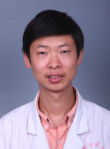 YongSheng Zhang (张永生)合作论文数Dongfang Hospital, Beijing University of Chinese Medicine11
 HaiBin Wu (吴海斌)合作论文数8
 Lingru Li (李玲孺)合作论文数School of Traditional Chinese Medicine, Beijing University of Chinese Medicine6JIANG Yunning (姜云宁)合作论文数5ZHAO Yanfen (赵艳芬)合作论文数5YuJia Wang (王羽嘉)合作论文数5YaQian Liu (刘亚倩)合作论文数5Jun Teng (滕俊)合作论文数5
 Yingshuai Li (李英帅)合作论文数School of Traditional Chinese Medicine, Beijing University of Chinese Medicine5
 Yanfei Zheng (郑燕飞)合作论文数School of Traditional Chinese Medicine, Beijing University of Chinese Medicine5
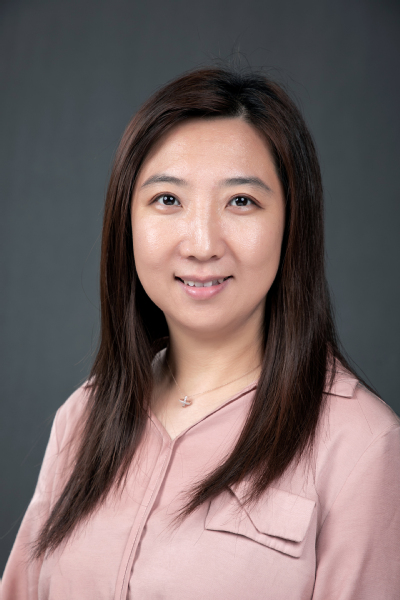 Jing Qin (秦晶)合作论文数School of Pharmacy, Fudan University4
 Jianxin Wang (王建新)合作论文数School of Pharmaceutical Sciences, Fudan University4
 Lei Xu合作论文数3Chengli Ling合作论文数3HAN Ran (韩冉)合作论文数3Xiao-ran WANG (王晓然)合作论文数3Bo LIN (林博)合作论文数3QiZhu Feng (冯其柱)合作论文数3QiaoMin Wu (吴巧敏)合作论文数3ZhuoRan Tang (唐卓然)合作论文数3
 Hongsheng Cui (崔红生)合作论文数Third Affiliated Hospital, Beijing University of Chinese Medicine3Liang Jianming合作论文数3
 Ji Wang (王济)合作论文数School of Traditional Chinese Medicine, Beijing University of Chinese Medicine3
 Yan Zhang (张妍)合作论文数北京中医药大学国医堂中医门诊部3
 Huimin Zhang (张惠敏)合作论文数School of Traditional Chinese Medicine, Beijing University of Chinese Medicine3
 Weiping Wu (武维屏)合作论文数Dongzhimen Hospital, Beijing University of Chinese Medicine3
 Jie Li (李杰)合作论文数Dongzhimen Hospital, Beijing University of Chinese Medicine3
 Haiqiang Yao (姚海强)合作论文数北京中医药大学国医堂中医门诊部3Liang CHEN (陈良)合作论文数2
 Chuipu Cai合作论文数Sci & Technol Innovat Ctr, Guangzhou Univ Chinese Med2Wei WANG (王玮)合作论文数2Ping XU (徐平)合作论文数2ZiKun Ma (马子坤)合作论文数2ZhaoZhu Jiao (焦招柱)合作论文数2
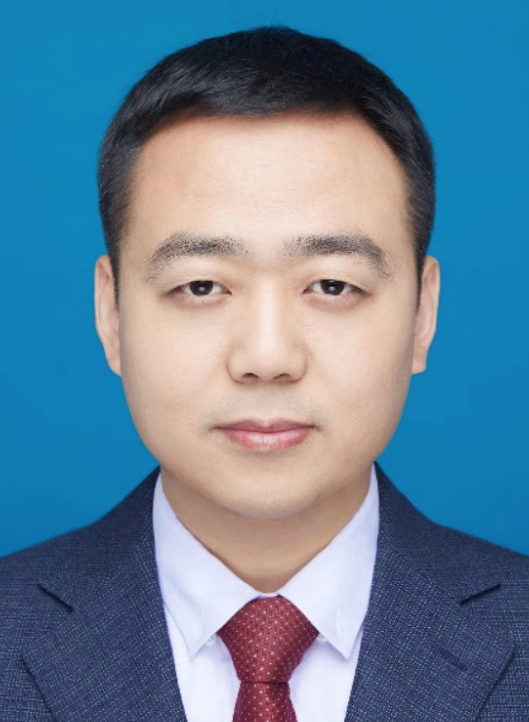 Minghua Bai (白明华)合作论文数National Institute of TCM Constitution and Preventive Medicine, Beijing University of Chinese Medicine2Jiansong Fang (方坚松)合作论文数2
 XinLou Chai (柴欣楼)合作论文数School of Traditional Chinese Medicine, Beijing University of Chinese Medicine2
 Jie Sun (孙杰)合作论文数Department of Urology, Shanghai Children’s Medical Center, School of Medicine, Shanghai Jiao Tong University;Shanghai Children's Medical Center, Hainan Branch2Zhang Chao合作论文数2
 Zheng Yang (杨正)合作论文数School of Traditional Chinese Medicine, Beijing University of Chinese Medicine2Fenglan Dong (董凤兰)合作论文数2
 Lishan Zhang (张立山)合作论文数Dongzhimen Hospital, Beijing University of Chinese Medicine2
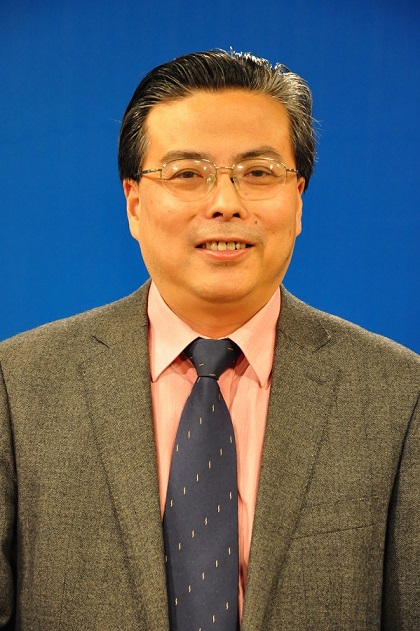 Cheng Ni (倪诚)合作论文数School of Traditional Chinese Medicine, Beijing University of Chinese Medicine2
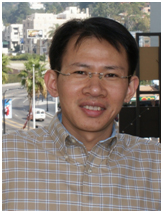 Yongzhuo Huang (黄永焯)合作论文数Shanghai Institute of Materia Medica, Chinese Academy of Sciences;University of Chinese Academy of Sciences2
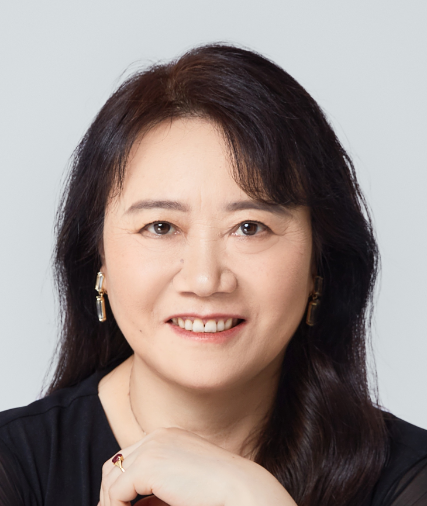 Yanbo Zhu (朱燕波)合作论文数School of Management, Beijing University of Chinese Medicine;National institute of Chinese Medicine Development and Strategy, Beijing University of Chinese Medicine2
 Yang Jiao (焦扬)合作论文数Dongfang Hospital, Beijing University of Chinese Medicine;International School, Beijing University of Chinese Medicine2
 Ting Wang (王停)合作论文数Beijing University of Chinese Medicine2
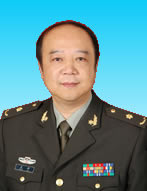 Wei Wang (王玮)合作论文数北京中医药大学孙思邈医院2
 Xue Shen (沈雪)合作论文数College of Food Science and Engineering, Jilin University2




