Carbon peaking is of great significance for China to achieve the "dual carbon" target goal and promote the green transformation of the economy and society. Based on the improved STIRPAT model, to analyze the main factors affecting carbon emissions in Fujian Province, we set up three scenarios and predicted the carbon emissions in Fujian Province from 2022 to 2035 using the hybrid CNN-LSTM neural network model. The results showed that ① Population, GDP per capita, and industrial structure positively drove carbon emissions in Fujian Province, while energy intensity, energy structure, and foreign trade degree negatively drove them. ② The baseline scenario achieved peak carbon in 2033 with a peak value of 361.107 9 Mt; the low-carbon scenario and the optimization scenario could reach the peak one year earlier, and the peak value decreased to a different extent, with 333.028 4 Mt and 301.748 3 Mt, respectively. ③ Comparing the optimization scenario and the low carbon scenario, adjusting the industrial and energy structure could control the reduction in the peak carbon value in Fujian Province by 10.37%, and accelerating the promotion of the optimization and transformation of the energy and industrial structure is the key to unlocking the constraints between carbon emissions and economic development. Finally, combined with the current policy planning and development status of Fujian Province, we put forward suggestions for low-carbon development from the perspectives of energy emission reduction, industrial structure, and institutional system.
Agriculture supports humankind’s sustainable existence on earth, exhibiting a complete spectrum of production, livelihood, ecology, and life characteristics. The prevailing model of modern conventional agriculture has made astonishing achievements in economic productivity but at the cost of ecological productivity because it was measured uniquely by market analysis under the ideology of neoclassical economics and equipped with manufactured materials from modern science and technology. Therefore, it is imperative to transform modern conventional agriculture into modern ecological agriculture, as instructed by agroecological principles and systematic science methodology, and the latter will be a vital pathway for state-specific agricultural modernization in China. For the sound development of Chinese ecological agriculture (CEA), the authors addressed three main missions, including transforming the agricultural industry from focusing on pure economic return to supporting public life, converting agricultural production from an ecologically vicious circle to an ecologically virtuous circle, and promoting agricultural administration from a broken chain to “cropping-husbandry-processing” and “agriculture-industry-service” integrations. The three technology categories include a multi-dimensional land use system for fully and efficiently utilizing the spatio-temporal resources, a material and energy recycling system for building a self-clean production, and an integrated pest management system for securing land and food. The three policy mechanisms include updating the theoretical system of CEA by promoting the agroecology discipline, fully realizing the eco-product value of ecological agriculture through the sound agroecological compensation institution, and ensuring the effective governance of territorial resources via unifying the spatial planning.
韧性城市建设是国家治理体系和治理能力现代化的重要组成部分.从经济(E)、社会(S)、生态(E)和设施(F)四个维度设计评价体系,以2010年、2015年和2019年我国30个城市的面板数据为例,基于优劣解距离法(TOPSIS)对30个城市的韧性水平进行综合评价分析,结果表明:一是各城市的韧性水平整体呈上升趋势,增长速度存在差异;二是经济发达的城市韧性水平相对较高,经济发展缓慢的城市韧性水平较低;三是东部、中部、东北、西南、西北等地区因经济发展、生态环境、基础设施的差异性导致其韧性水平和建设能力不同.最后,笔者从经济韧性、社会韧性、生态韧性和设施韧性四个角度对韧性城市建设提出相应的策略.
社区治理议题的塑造机制是基层治理体系和治理能力现代化实现的重要保障.行政性需求的行动策略根据强弱分为刚性执行与建议倡导,内生性需求的行动策略根据强弱分为自发推动与被动执行,社区治理议题按行政性需求与内生性需求的强弱四个维度划分为摩擦四种类型,即议题推进、议题阻滞、议题排斥和议题忽略.行政性需求与内生性需求在出现作用不一致时将会产生需求摩擦,行政压力主导下的议题往往与居民需求产生冲突,形成议题排斥,需要依靠组织化的诉求表达,通过建立协商机制设置弹性空间以及塑造正式公约充分消解需求摩擦;而内生性需求主导下的议题难以形成有效的集体行动,产生议题阻滞,需要凭借社区能人推动、协商规则的正式化以及外部权力结构的嵌入能够有效引导集体行动.基于福州市S小区垃圾分类治理与F小区加装电梯案例实践,探索社区治理议题塑造与摩擦的生成路径.
Improving government public services and satisfaction with public services can lead to increase the sense of social equality. In this paper, by using the data from China General Social Survey(CGSS) in 2013 as well as 2015, we divided samples into five generation groups in accordance with the birth of year: from post-50s to post-90s. We develop a multi-layers ordered logistics regression model and calculate regression coefficients to examine the influence between public service satisfaction and the sense of social equality from the perspective of generational differences.The results show that:(1)A significant positive correlation is found between public service satisfaction and the sense of social equality, and there exists generational differences between different groups.(2)Through overall index paths of sufficiency, equilibrium and inclusiveness, public service satisfaction can produce a effect on the sense of social equality. The key overall indicator to enhance the sense of social equality relies on sufficiency for the post-50s and post-80s groups.Meanwhile post-60s, post-70s and post-90s achieve their optimum level of social equality by feeling inclusiveness about public service. Equilibrium significantly increases the sense of social equality in five generation groups.(3)There has a restraining effect on the sense of social equality in post-50-90s groups when they are subjected to health shocks, especially for the post-60-80s groups.
社会情绪能够在突发公共事件中成为强有力的助推器,社会情绪的聚集是公共危机发生的力量源.基于情绪聚集、传递、爆发、平复等四个阶段,从网络互动、群体期待、政府介入和官方、非官方传播媒介对个体情绪、群体情绪和社会情绪共同体的影响,阐述社会情绪在突发公共事件发展过程中的演变逻辑,以甘肃白银景泰"5·22"黄河石林百公里越野赛为例进行深入分析.研究认为,在突发公共事件的处置中应当合理引导社会情绪,积聚情感正能量,建立地方政府负责、社会群体参与的突发公共事件动态应急响应机制.
公共服务动机对工作绩效及工作满意度的影响具有差异性.本研究以非纯粹公共服务动机视角,基于705名福建省公路系统人员的一手数据资料,探讨直接—间接双路径下公共服务动机如何影响工作绩效.研究显示:直接路径下不同编制类型在公共服务动机与工作绩效之间起调节作用,其中编制人员调节效应高于非编制人员;间接路径下公共服务动机可通过工作满意度影响工作绩效;不同类型的公共服务动机对工作绩效的影响存在差异,非自利性公共服务动机可通过"直接—间接"双路径影响工作绩效,而自利性公共服务动机仅通过直接路径影响工作绩效.
公共服务动机是公共管理研究领域的一个重要概念,对国家治理研究中公共部门人力资源管理建设具有积极的作用.文章从概念、测量方法与测量结构三个方面对公共服务动机进行了规范性研究,从影响因素及作用机制、动机分类等方面对公共服务动机进行了经验性研究,并在此基础上认为,当前国内公共服务动机研究存在前期理论基础相对不足、中期研究对象范畴多元化和后期本土化测量有所突破等特征,进而提出我国公共服务动机研究亟须推进中国情境下公共服务动机研究进程,形成公共服务动机纵向研究,不断完善公共服务动机测量方法等,从而实现公共服务动机研究成果创新.
课程思政建设是落实立德树人的重要路径.从解决教育的首要问题、"三全育人"的重要保障、思政课程教育的重要补充等三个角度阐述高校开展课程思政建设的逻辑,从学校、院系、教师以及学生层面归纳高校开展课程思政建设面临的困境及原因,从构建课程思政分工协作育人联合保障体制机制、课程思政队伍建设提升机制、思政元素与专业课程建设融合机制、思政教育与第二课堂建设融合机制等四个方面构建高校开展课程思政建设的机制.
农村环境的有效治理是推进乡村振兴战略的重要内容,社会资本是影响农村环境治理的重要因素.研究发现,社会信任、社会规范与社会网络分别是农村环境治理的价值基础、行动准绳与现实载体.现实中存在社会信任的破坏导致环境治理意愿不足、社会规范的失效致使环境治理效果不佳和社会网络的缺失造成环境治理程度不深等困境,需要通过构建社会信任体系、优化社会规范共识和扩大社会参与网络来提高村民参与农村环境治理的意愿,进而提升农村环境治理成效.
针对公共管理硕士专业学位研究生教育教学产教融合不够鲜明、双导师制落实不够充分、招生规模与培养质量及特色发展不够协调、案例教学不够体系等问题,构建了公共管理硕士"一核双融四维四力"培养模式.该模式实现了"招生—培养—毕业—反馈—调试和修正"全链条闭环式高质量人才培养体系,通过福建农林大学公共管理硕士(MPA)教育办学10多年的实践探索应用,有效提高了公共管理硕士专业学位研究生教育培养质量.
There is evidence in the literature that green HRM practices improve environmental profitability. On the other hand, existing research has failed to explain how GHRM can support the development of a green culture and green innovation influence the firm’s environmental performance and long-term growth. This study investigates the relationship between GHRM, green culture, green innovation, and a firm’s environmental performance. In addition, the study examines the mediating role of green culture and green innovation in the relationship between GHRM and environmental performance. This research conducts a large-scale study of 290 employees from Manufacturing firms in Malaysia. The research results provide managers with a better knowledge of how GHRM helps develop sustainable culture and green innovation and how these elements contribute to the improvement of environmental performance inside the organization. This study also makes a significant contribution in terms of novelty and research relevance by demonstrating that green culture and green innovation positively mediate the relationship between GHRM and environmental performance in a sustainable manner. Managers will understand the GHRM required to develop an ecologically conscious culture and promote green innovation among environmentally conscious employees. Finally, we highlighted the importance of this study for top management in the sense of mediating the role of green culture and green innovation and the consequences for future generations of responsible managers who will acquire this knowledge.
数字技术赋能乡村治理现代化具有可行性与必要性,为新时代乡村治理提供了新的转型机制,表现为治理手段、治理思维和治理面向等方面.但数字技术嵌入乡村治理过程中因其自身技术属性与乡村现实情境之间的脱嵌,出现了价值偏移、治理主体间疏离以及"马太效应"等困境,需要发挥党建引领对数字乡村治理的保障作用.文章提出建立价值导向、形成治理合力、推动资源整合等途径,建构以党建引领为内核保障、数字技术为赋能工具的乡村治理模式.
基于技术和治理两个维度,技术治理的逻辑建构包括三条路径:一是"软"技术治理思维路径,即以科学理性思维进行治理活动;二是"硬"技术治理工具路径,即治理手段与以信息技术为主要特征的科学技术的融合;三是以治理的过程为中心而建构的技术治理的过程路径,即两个层面在治理场域中相互作用并最终实现治理目标的过程.现今,技术治理实践存在自我强化的内卷化、信息失真缺陷、价值理性维度缺失、公民参与不均衡等困境,新时期需要尽快建立健全技术治理模式,完善公共治理的技术治理框架,以此推动政府治理创新.
数字技术为公共服务供给带来新的方式和体验,以数字技术创新驱动公共服务效能提升是国家治理体系和治理能力现代化的重要内容,提升数字化公共服务效能成为整体性治理视域下公共部门提高公众满意度的必要前提.在阐述数字化公共服务的逻辑机理基础上,基于整体性治理视角从服务成本、服务效率、服务效益、公众满意、公众参与五方面构建数字化公共服务效能评价体系,最后从创新理念、数据共享、部门协作、需求导向四个角度提出提升数字化公共服务效能的策略.
相对贫困治理时期,需要健全巩固拓展脱贫攻坚成果长效机制.通过梳理改革开放以来各阶段贫困治理方式的演化路径,阐发巩固拓展脱贫攻坚成果同乡村振兴有效衔接之间具有的内涵统一性、目标联动性和内容继起性等逻辑特征.在厘清巩固拓展脱贫攻坚成果同乡村振兴有效衔接存在的困境基础上,探索从党建引领、产业优化、绿色发展、科技赋能、制度建设五方面实现巩固拓展脱贫攻坚成果同乡村振兴的有效衔接途径,进一步推动乡村振兴战略的有力实施,助力实现共同富裕.
The essential goal of rural revitalization is to promote the sustainable development of rural areas, which needs to integrate the theory of ecological hierarchy and scale. In this paper, the authors propose to construct a discipline of Rural Ecology (RE), together with Urban Ecology to form a completely geographical imagine of Ecology. The disciplinarities of RE are positioned as interdisciplinary approaches under a transdisciplinary model that integrates Agroecology, Landscape Ecology, Socio-ecology, and Political Ecology, aiming at building a sustainable rural ecosystem, i.e. addressing the ecological nexus between the peasants and their living & producing environment. The research scale of RE covers the vertical and horizontal scales of the rural ecosystem, and its core content is to study the material, energy, information, value and human resource flow of the rural ecosystem, the landscape at the urban-rural interface in particular to reveal the flow and loss of the peasants’ labor value. Finally, the authors put forward an analytical framework of RE for the sustainable development of rural areas, hotspots and four levels of transformation for the construction of sustainable rural ecosystems in China, i.e, reconstructing a sustainable rural ecosystem by revaluing the multi-functionalities of agriculture, reorganizing the agricultural industry, recycling the agricultural resources and innovating food production technology in sequence.
An important part of the construction of ecological civilization is ecological governance, which is an important way to promote the healthy and sustainable development of economy and society. Based on the DPSIR conceptual model, an evaluation index system with 30 indexes is constructed to empirically evaluate the state of ecological governance in Hunan Province from 2006 to 2015. The evaluation results show that the overall level of ecological governance in Hunan Province shows an upward trend. In each subsystem, the development trend of driving force, state, impact and response subsystems is getting better, the development trend of pressure subsystem is getting worse, and the pressure on ecological governance is gradually increasing. Based on the research results, this paper puts forward countermeasures and suggestions for ecological governance in Hunan Province from the aspects of politics, economy, culture and society.
Objectives: It is vital to improve the willingness of citizens’ participation in communities environmental governance, which contribute to promoting primary-level environmental governance. This study based on Theory of Planned Behavior (DTPB) and 1,573 survey samples analysis from three eco-cities in Fujian province. In this study we found that citizens in Fuzhou and Xiamen have higher participation intention to urban community environmental governance; the attitude and perceived behavioral control of citizens participating in urban community environmental governance have positive effects, while subjective norms have no significant effects on their participation intention to governance; perceived usefulness, perceived compatibility, convenient conditions and self-efficacy all have indirect positive effects on citizens' participation intention, but perceived ease of use has indirect negative effects on citizens' participation intention. Therefore, the authority should build a mechanism to cultivate citizens’ participate intention and capacity in community environmental governance, which depend on the concept of public value and the perspective of citizens' psychological cognitive factors.
全面深化高校创新创业创造教育改革,培养高素质的创新创业创造型人才,为推动大众创业万众创新和实施创新驱动发展战略提供强有力的人才支撑.在阐述高校创新创业创造型人才内涵的基础上,归纳高校创新创业创造型人才培养的困境,提出构建完善大学生创新创业创造教育生态系统、师资队伍、课程体系、实践训练孵化平台等方面对策建议,促进高校大学生创新创业创造教育质量提升,以此实现高校大学生创新型人才培养.
 ShengYi Wu (吴声怡)合作论文数10Cai-yun GAN (甘彩云)合作论文数5
 Peishan Tong (童佩珊)合作论文数5
 Zhenyuan Zheng (郑珍远)合作论文数School of Economics and Management, Fuzhou University5Xin-qin GUO (郭新琴)合作论文数4
 Weiwei Hu (胡卫卫)合作论文数College of Humanities & Social Development, Northwest A&F University4
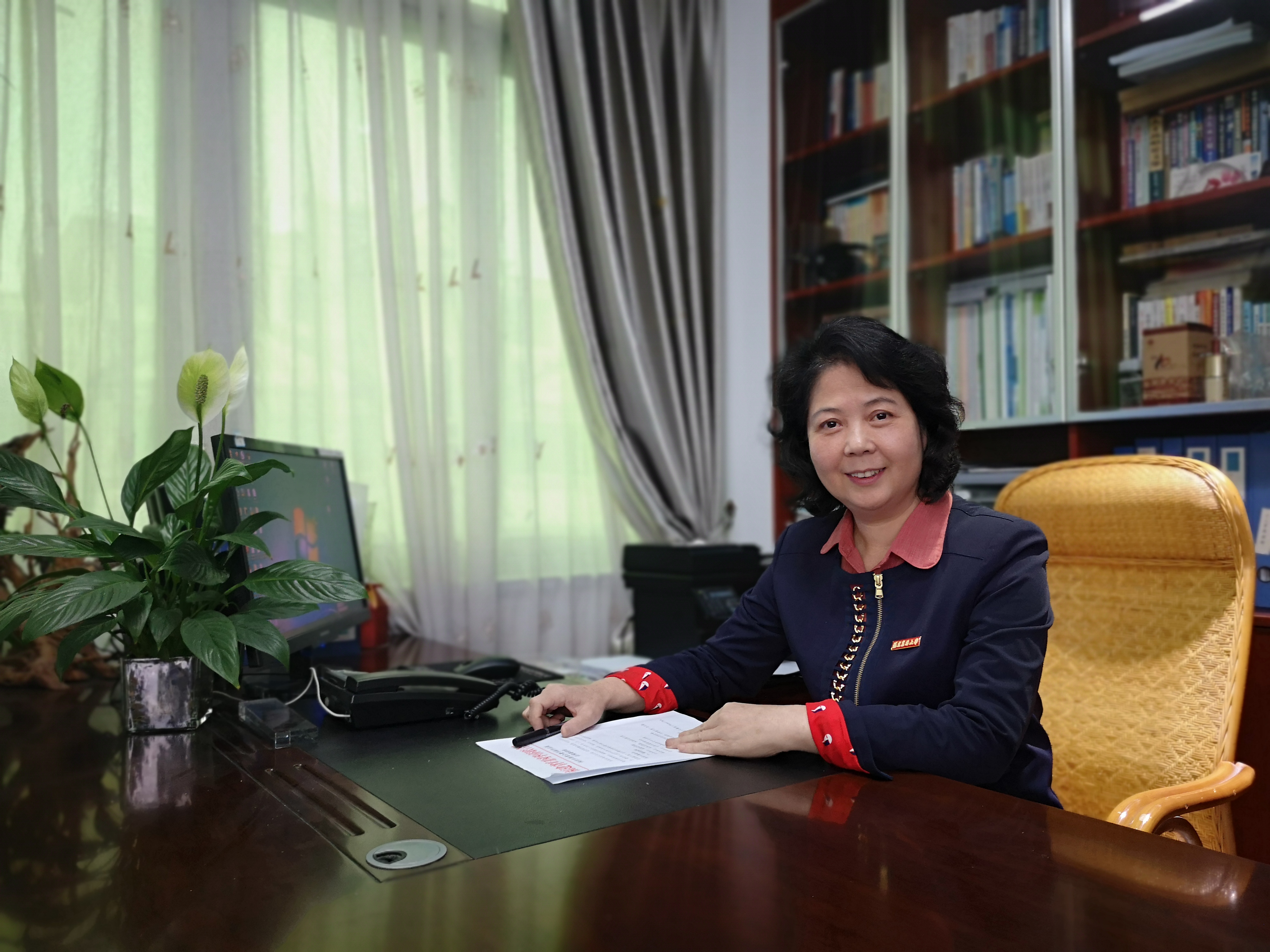 Yifang Zheng (郑逸芳)合作论文数福建农林大学公共管理学院4ZHOU Xiaolin (周晓琳)合作论文数3zhonghu you (游忠湖)合作论文数3Qi Chen (陈琪)合作论文数3
 Zhenpeng Tang (唐振鹏)合作论文数Fujian Agriculture and Forestry University3Feng LIU (刘峰)合作论文数2Cui-lan YAO (姚翠岚)合作论文数2Chen Hao (陈浩)合作论文数2ZheGeng Zhuang (庄哲耕)合作论文数2YangYun Ou (欧阳筠)合作论文数2YiFang Zheng (郑逸芳)合作论文数2Dan Tang (唐丹)合作论文数2
 Songliang Wang (王松良)合作论文数福建农林大学教务处、教师教学发展中心(合署)2
 Senwei Huang (黄森慰)合作论文数福建农林大学公共管理学院2Qi-yu ZENG (曾起郁)合作论文数1Xiaoxi Huang (黄小希)合作论文数1Hao Chen合作论文数1
 Jingzu Gao合作论文数Graduate School of Business, Universiti Kebangsaan Malaysia1Huibing Zou (邹惠冰)合作论文数1Yanhua Zhou (周燕华)合作论文数1li chen (陈力)合作论文数1ZHENG Zijian (郑子健)合作论文数1Xinying Wang (王馨莹)合作论文数1HongHong Cai (蔡红红)合作论文数1XiaoJing Ruan (阮晓菁)合作论文数1XiuLong Lu (卢秀龙)合作论文数1Renye Wu (吴仁烨)合作论文数1Bin Huang (黄滨)合作论文数1AiLi Chen (陈爱丽)合作论文数1LiYun Huang (黄丽云)合作论文数1Zhe Zhou (周喆)合作论文数1
 Yongwu Dai (戴永务)合作论文数College of Rural Revitalization, Fujian Agriculture and Forestry University1
 Xuexiong Cai (蔡雪雄)合作论文数福建社会科学院《亚太经济》杂志社1Shuwei He (贺书伟)合作论文数1Shengyi Wu (吴声怡)合作论文数1Guoqing Ou (欧国庆)合作论文数1Cairong Wu (吴彩容)合作论文数1
 Ansheng Huang (黄安胜)合作论文数福建农林大学公共管理学院1




