Objective:To explore the application effects of the mode of "Multidisciplinary integration, Doctors & patients co-teaching, Simulated practice" in the teaching of spinal surgery.Methods:A total of 64 eight-year program clinical medical students who practiced in Peking Union Medical College Hospital in 2021 were taken as research objects and randomly divided into experimental group ( n=33) and control group ( n=31). The experimental group received the new teaching mode of "Multidisciplinary integration, Doctors & patients co-teaching, Simulated practice", and the control group received regular teaching mode. At the end of teaching, the teaching effects were evaluated from several aspects, including the scores of theoretical examinations, anatomical marks identification tests, and anonymous questionnaires. SPSS 22.0 software was used for paired t-test and two independent-samples t-test. Results:The theoretical test scores [(51.25±6.99) points] and anatomical structure identification scores [(37.56±1.83) points] of the experimental group were higher than those of the control group [(42.46±6.13) points and (30.37±3.46) points], and the differences were statistically significant ( P<0.001). The effective recovery rate of the questionnaire was 100%. The results of the questionnaire showed that the experimental group was significantly higher than the control group in terms of teaching attractiveness, attention, learning interest, learning efficiency, anatomical identification ability, problem-finding and problem-solving ability and overall teaching method satisfaction ( P<0.05). Conclusion:The teaching mode of "Multidisciplinary integration, Doctors & patients co-teaching, Simulated practice" can effectively improve students' theoretical knowledge, learning interest, learning efficiency, operation proficiency and problem-finding and problem-solving ability, which is worth promoting.
Objective Postdoctoral program in clinical medicine is a new approach to China's exploration of medical elite training. Since 2016, the Department of Surgery of Peking Union Medical College Hospital has explored and gradually established an advanced training system in order to cultivate clinical post-doctoral skills. The purpose of this research is to review and analyze the construction process and training effects of the advanced skill-raining system, and discuss the advantages of the training system and the direction of further improvement. Methods Postdoctoral students of surgical clinical medicine from 2016 to 2019 were evaluated and analyzed on surgical skills, results of the establishment of the system, and the output of scientific research. Results With the currently established preliminary system of progressively training surgical skills, three generations of 26 clinical postdoctoral trainees of surgery have been successfully trained. The surgical postdoctoral students trained by this system have significantly higher annual assessment results of surgical skills than training residents of the same year. In addition, during the establishment of this system, 19 teaching-related reform projects have been established, and 14 papers related to this system have been published. Conclusions The advanced training system of surgical skills has shown obvious advantages in the training process of surgical postdoctoral doctors. The construction and perfection of the system still needs to be further improved in combination with the actual needs of postdoctoral surgeons in surgery and the goal of standardized training for residents.
背景:机器人辅助全膝关节置换系统可实现良好的假体定位和力线重建,但目前在国内的临床应用尚处于起步阶段.目的:评估一种国产膝关节手术机器人辅助用于全膝关节置换术的有效性和安全性.方法:本研究纳入24例严重膝骨关节炎患者,分为机器人手术组(11例)和传统对照组(13例),平均年龄(64.9±12.0)岁.比较患者术前术后HSS评分、KSS评分及WOMAC评分,并比较两组之间各项评分差异,统计并发症情况.结果:两组患者的年龄、性别、身高、体重、BMI、术前髋膝踝(hip knee ankle,HKA)角均无统计学差异(P<0.05).患者术前HSS评分、KSS评分及WOMAC评分与术后各项评分相比具有显著统计学差异(P<0.05),但是两组之间比较各项评分差异并无统计学意义(P>0.05).机器人手术组纠正合格率为63.6%,对照组为69.2%,两组无统计学差异(P=0.651).两组术后均无翻修病例,无感染、假体松动下沉、心脑血管意外等严重并发症发生.结论:该膝关节手术机器人辅助用于全膝关节置换术安全性良好,且可用于严重膝骨关节炎的治疗,具有临床应用前景.
Objective To compare the teaching quality between traditional and SOP (standard operation procedure)-based orthopedic teaching rounds. Methods Postgraduates and clinical postdoctors who were enrolled into orthopedic standardized training in 2017 and 2018 grade were included in this study. Thirty postgraduates and 20 clinical post doctors were in each group, with traditional or SOP-based teaching rounds were used respectively. The two groups were evaluated subjectively and objectively. Results The subjective and Objective evaluation scores of SOP-based teaching rounds were significantly higher than those of the traditional teaching group (P<0.01,P<0.05). Conclusions SOP-based method significantly improves the quality of teaching rounds.
背景:臀肌挛缩症十分常见,常会导致不同程度的髋关节功能受限,目前常用的手术矫正方法有两种:传统开放松解和关节镜下松解.目的:比较关节镜下双侧一期松解与传统开放松解治疗臀肌挛缩的效果.方法:回顾性研究北京协和医院1995年1月至2018年12月收治的双侧臀肌挛缩患者,其中应用传统开放松解治疗的患者19例,关节镜下臀肌挛缩松解的患者21例.收集患者手术时间、切口长度、术中出血量、术后疼痛、并发症发生率、复发率、髋关节内收活动度、Harris髋关节评分(HHS)等治疗指标.结果:术后随访6~24个月,平均14.8个月.与传统开放手术组相比,关节镜治疗组的平均手术时间更长(P<0.05),但手术切口更小、术中出血量更少、术后疼痛明显减轻(P<0.05).术后并发症发生率、臀肌挛缩复发率及末次随访时的髋关节内收活动度、HHS评分,两组比较无明显统计学差异(P>0.05).结论:关节镜下臀肌挛缩松解术安全、有效,相对于传统开放松解手术在保证治疗疗效的基础上在许多明显的优势,值得推广.
目的 观察对全髋关节置换(total hip arthroplasty,THA)术后患者在常规康复治疗的基础上进行核心稳定性训练的效果.方法 选取2018年4月至2018年10月北京市鼓楼中医医院住院的48例THA术后患者,按随机数字表法分为观察组与对照组各24例.对照组予常规康复训练,观察组在对照组基础上予核心稳定性训练.采用Harris评分量表评估患者训练3~4周后的髋关节功能.结果 与本组康复训练前比较,两组训练3~4周后的Harris各单项评分(畸形评分除外)及总分均显著升高(P<0.05);观察组训练3~4周后疼痛评分、功能评分中的日常生活、跛行步态、行走借助辅助器情况显著高于对照组(P<0.05).结论 核心稳定性训练可强化患者早期功能锻炼效果,改善髋关节功能.
Objective To observe the effect of rapid rehabilitation therapy based on painless exercise on recovery of patients with total knee arthroplasty.Methods Sixty patients undergoing total knee arthroplasty from January to April 2017 in Peking Union Medical College Hospital were randomly divided into rapid rehabilitation group and traditional rehabilitation group,with 30 cases in each group.The rapid rehabilitation group received preoperative education for health guidance and muscle strength exercise;patients had modified cocktail joint infiltration anesthesia and analgesia;enhanced recovery measures were applied after surgery.The traditional rehabilitation group had routine recovery therapy and self-controlled analgesia.Pain Visual Analogue Scale(VAS) score was recorded 6,12,24,48,72 h after surgery.The maximum motion range of knee joint was assessed 48 and 72 h after surgery.Postoperative straight leg raise time,ambulation time,hospital stay time,drainage volume and patient satisfaction were analyzed.Complications and adverse reactions were observed.Results Static and dynamic VAS scores 6,12,24,48,72 h after surgery in rapid rehabilitation group were significantly lower than those in traditional rehabilitation group(P <0.01).At 48 and 72 h after surgery,the maximum motion angle of knee joint was significantly larger,straight leg raise time,ambulation time and hospital stay time were significantly shorter,drainage volume was significantly less and patient satisfaction score was significantly higher in rapid rehabilitation group than those in traditional rehabilitation group [(97 ±10)° vs (76 ±15)°,(106 ±12)° vs (86 ±8)°,2.0(2.0,4.0)h vs 44.0(24.0,48.0)h,26.2(25.5,46.5)h vs 56.4(32.5,69.5)h,4.8(3.5,5.5)d vs 5.9(5.5,6.5)d,210.0(100.0,300.0)ml vs 350.0(247.5,450.0)ml,8.9(7.5,9.5)points vs 7.5(6.5,8.5) points] (P < 0.01).Incidence of complications showed no significant difference between groups(P > 0.05).No severe adverse reaction was observed.Conclusion Rapid rehabilitation therapy based on painless exercise can effectively improve patient satisfaction,shorten hospitalization time and promote postoperative recovery in patients undergoing total knee arthroplasty.
Background: It is controversial on whether closed-suction drainage required or not in total hip arthroplasty, the supporters consider that the drainage can eliminate hematoma, and then prevent infection. The objectors consider that the drainage increases bleeding, and may cause retrograde infection. Objective: To study the effect of closed-suction drainage and no drainage on bleeding, infection, hematoma and thrombosis in primary total hip arthroplasty. Methods: A total of 200 patients who received unilateral total hip arthroplasty from April 2014 to May 2017 in Peking Union Medical College Hospi-tal were selected, including 100 with closed-suction drainage of 26 males, 74 females, aged from 21 to 89 years, average age (60.7±14.2) years and 100 with no drainage of 33 males, 67 females, aged from 21 to 80 years, average age (54.0±15.7) years. The closed-suction drainage was removed within 48 h. Postoperative change of erythrocyte, hemoglobin and hemato-crit, length of hospital stay after operation, deep infection, wound infection, wound hematoma, blood transfusion rate were compared between the two groups. Results: There was no statistically difference between the two groups regarding weight, height, gender, diagnosis and intraoperative hemorrhage. The collected drain fluid in closed-suction drainage group was (324.6±132.3) ml. Postoperative change of erythrocyte, hemoglobin, hematocrit in no drainage group was(0.89±0.41)×1012/L、(27.4±12.2)g/L、0.079±0.036, compared to that of closed-suction drainage group(0.83±0.39)×1012/L、(24.5±11.9)g/L、0.109±0.040, there was no statistical significance (P=0.291、P=0.095、P=0.074). There was no statistically significant differ-ence in the length of hospital stay between the two groups (6.27±3.29 vs 6.92±4.59, P=0.281). The homologous blood trans- fusion rate in no drainage group was 2%, compared to 4% in closed-suction drainage group, there was no significant differ-ence (P=0.407). Deep infection in no drainage group was 0, compared to 1% in closed-suction drainage group, but there was no significant difference (P=0.316). Deep venous thrombosis in no drainage group was 0, compared to 1% in closed-suction drainage group, there was no significant difference (P=0.316). There was no wound infection and nonunion, wound hematoma, sub dermal ecchymosis, and limb swelling in both groups. Conclusions: There is no significant difference regard-ing changes in erythrocyte, hemoglobin and hematocrit after operation, blood transfusion rate, length of hospital stay, and complications of deep infection, wound infection, subcutaneous hematoma and deep venous thrombosis between the two groups. Thus, no drainage in primary total hip arthroplasty is safe and feasible, thus closed suction drainage is not recom-mended.
目的 对甲型血友病性关节炎全膝关节置换术(total knee arthroplasty,TKA)术后患者,在凝血因子Ⅷ替代治疗的基础上,对系统性康复训练效果进行探讨.方法 选取甲型血友病性关节炎TKA术后患者,共纳入15例术后7天以内即开始康复训练的患者[年龄(32.0±7.9)岁]进行研究,20条患膝(左膝9条,右膝11条).住院康复治疗时间为14~21天.在凝血因子Ⅷ替代治疗的基础上进行系统性康复训练,对比康复治疗前后的美国膝关节协会评分(American knee society score,KSS评分).结果 与康复治疗前比较,康复后患者的KSS临床评分、KSS功能评分等指标均显著升高(均P<0.05).出现出血并发症1例.结论 甲型血友病性关节炎TKA术后患者在凝血因子Ⅷ替代治疗的基础上进行康复治疗可显著改善患者的患肢功能,且安全性有保证.
Background: Total hip arthroplasty (THA) is a well-accepted surgical treatment for terminal hip diseases. Objective: To evaluate the effect of preemptive analgesia with parecoxib in patients undergoing primary unilateral THA. Study Design: A randomized, double-blind, placebo-controlled study. Setting: This study was conducted at Peking Union Medical College Hospital and Beijing Jishuitan Hospital in Beijing, China. Methods: A total of 94 patients scheduled for primary unilateral THA in 2 centers (Peking Union Medical College Hospital and Beijing Jishuitan Hospital) were randomly assigned to receive 40 mg parecoxib (n = 48) or 0.9% normal saline solution (n = 46) 30 minutes before incision. All patients received standardized intravenous patient-controlled analgesia (PCA) postoperatively. Preoperative baseline data, surgery-related conditions, postoperative Visual Analog Scale (VAS) pain score, cumulative narcotic consumption of PCA, and complications were compared between the parecoxib group and the placebo group. Results: There were no significant differences in postoperative VAS pain score, cumulative narcotic consumption of PCA, proportion of analgesic remedy, and complications between the 2 groups. Limitations: Only a single dose of parecoxib was used without including a dose-dependent control group. Conclusion: A single dose of parecoxib 30 minutes before incision did not provide effective preemptive analgesia for the management of postoperative pain after primary unilateral THA. The possible effect of preemptive analgesia with parecoxib needs further investigation. Key words: Total hip arthroplasty, pain, parecoxib, COX-2 selective inhibitor, preemptive analgesia, clinical trial, patient-controlled analgesia, analgesics
Background:Different drugs and dosages in cocktail therapy may result in different efficacy of pain control in total knee anthroplasty (TKA).Objective:To evaluate the efficacy of improved cocktail mixture for pain control in TKA.Methods:Ninety patients with osteoarthritis treated by unilateral TKA from January to April 2017 in Peking Union Medical College Hospital were randomly divided into three groups (n=30).Cocktail mixture and ropivacaine were given in group A and B,and group C was taken as blank control.VAS scores at rest pain and in movement at 6 h,12 h,24 h,48 h and 72 h after surgery,maximal flexion of the knee at 48 h and 72 h after surgery,initial time of the straight leg-raising,complications were recorded and compared between groups.Results:VAS scores of the cocktail therapy group were significantly less than those of the ropivacaine and control groups at rest pain and in movement at 6 h,12 h,24 h,48 h and 72 h after surgery (P<0.001,P<0.05).The maximal flexion of the knee in the cocktail,ropivacaine and control groups was 97.17°±8.98°,82.73°±12.41° and 75.67°± 15.47°at 48 h after surgery,respectively.The maximal flexion in the three groups was 106.00°±8.98°,89.78°± 11.80°and 86.5°±8.11° at 72 h after surgery,respectively.Compared with those in the control group,the maximal flexion of the knee was significantly increased at 48 h and 72 h after surgery in the cocktail therapy group and ropivacaine group (P<0.001).The initial time of the straight leg-raising of the cocktail therapy group was (3.20±2.77) d postoperatively,which was earlier than that of ropivacaine group ([46.54±20.75] d,P<0.001) and that of the control group ([42.40± 16.32] d,P<0.001).Conclusions:Local anesthetic injection with improved cocktail mixture can strongly relieve pain early after TKA,improve knee function,achieve painless rehabilitation in most patients.And it is safe.
duced to 14 items in the first draft on the basis of patient feedback , still in the 3 dimensions of pain , inflamma-tion, and function.Conclusions The visualized self-assessment questionnaire for patients with knee osteoarthri-tis is the first independently developed knee osteoarthritis assessment scale in China .It is a simple, comprehen-sive, and quantitative self-assessment tool for patients with knee osteoarthritis based on expert and patient opinions , with high feasibility and clinical significance .
Objective To evaluate the efficacy and safety of continuous infiltration of Lidocaine in joint replacement surgery.Methods From May 2013 to October 2013,patients scheduled to undergo total hip or total knee arthroplasty were randomized into two groups:the local infiltration analgesia group received continuous infiltration of Lidocaine while the other group received PCIA filled with fentanyl after surgery.The equipments were removed 48 hours after the surgery.The visual analogue scale score at five points (immediate postoperative,24 hours after the surgery while resting,24 hours after the surgery while exercising,48 hours after the surgery while resting,48 hours after the surgery while exercising) were recorded and if the score was higher than 4,analgesics wound be given to the patients.The vital sign,blood test,ECG,the circumference of lower limbs,the range of motion of the joint,the rehabilitation and complications were also recorded.Results 42 patients were included,11 male and 31 female.There were 25 patients and 36 total knee arthroplasties.17 patients underwent a total of 19 hip arthroplasties.The demographic data,the diagnosis and the surgery type were comparable between two groups.The VAS scores at immediate postoperative,24 hours and 48 hours after the surgery while resting,the average dose of analgesics and the complication rate were statistically different be tween two groups.However,the VAS scores at 24 hours after the surgery and 48 hours after the surgery while exercising,the change of the circumferences of the lower limb,the range of motion of the joint,the rehabilitation satisfactory rate and length of stay were comparable between two groups,while no significant difference was observed.One patient in the PCIA group suffered from incision fat liquefaction and healed after three weeks.There were no infection and subcutaneous hydrocele in both groups.Conclusion Continuous infiltration of Lidocaine is more effective than the PCIA while resting after joint replacement surgery and no inferior to it while exercising.It can decrease the amount of Opioid.
Objective To investigate the diagnosis and treatment of anticoagulation complication,heparin-induced thrombocytopenia (HIT),induced by low-molecular-weight heparin (LMWH) after joint replacement.Methods Retrospectively analyzed the clinical manifestations,treatment and prognosis of 4 patients after total knee arthroplasty (TKA) suffered from HIT induced by LMWH.Results The morbidity rate of HIT induced by LMWH was 0.3%(4/1376).Platelets were found less than 70 × 109/L after 4-9 d,minimum to 16 × 109/L.Different level of cardiorespiratory distress and lower extremity deep venous thrombosis all appeared.Once diagnosed,patients were immediately stopped using LMWH and replaced with argatroban,fondaparinux or rivaroxaban and warfarin.Deep vein thrombosis gradually disappeared and cured in 3 patients after treatment.One patient suffered cerebral hemorrhage and multiple pulmonary embolism,received craniotomy hematoma removal and decompressive craniectomy.But the patient didn't wake up after 1-month treatment,became a vegetative one.Conclusions HIT is rare but dangerous,which can result in deep vein thrombosis,pulmonary embolism,cerebral hemorrhage and other serious consequences.Early diagnosis and timely treatment can reduce the rate of disability and mortality.
Objective To evaluate the long-term clinical outcomes and survivorship of fixed bearing total knee arthroplasty (TKA) and the risk factor for failure.Methods Between June 1993 and April 2002,285 Chinese patients accepted TKA with cemented fixed bearing platform in our center,and 226 patients (246 knees) were successfully followed up.The age was (62.2±9.4) years at index operation.The survivorship of TKA and the related impact factor were analyzed.The hospital for special surgery (HSS) knee score,range of motion (ROM) and radiological results were studied at the final follow-up.Results One hundred and sixty patients (177 knees) were followed up longer than 10 years.Survival rate was 93.6%±1.7% at 10years,92.8%±1.8% at 15 years,with reoperation of the implant as the endpoint.Main reasons for failure were infection and aseptic loosening.There were no statistically difference in survival rate between posterior cruciate ligament retaining and posterior stabilizing group,patellar resurfacing and non-resurfacing,rheumatic arthritis (RA) and osteoarthritis (OA) patients.Meanwhile,RA patients had lower longterm survivorship compared with OA patients.HSS knee score of 96 of the knees increased from 56.58±11.05 preoperatively to 92.29±10.95 postoperatively,and ROM increased from 84.8°±24.0° preoperatively to 99.7°±17.6° postoperatively.Totally,15 knees underwent revision surgery with the relating reason of infection for 10 knees,aseptic loosening for 3,and stiffness for 1 knee.Conclusion Fixed bearing TKA can fulfill satisfactory long-term clinical results,with more than 90% of 10-year survival rate.The strategy for posterior cruciate ligament,patellar and preoperative diagnosis has no statistically impact on the long-term survivorship.
OBJECTIVETo investigate the association between femoral neck fracture and deep vein thrombosis (DVT) in patients undergoing prosthetic hip surgery.METHODSThe data of patients who underwent prosthetic hip surgery from January 2005 to July 2010 were collected, the cases were included into the study after exclusion of those could not be suitable for the study. The patients with diagnosis of deep-vein thrombosis (DVT) were identified together as the case group, and the patients without DVT were selected randomly and matched with frequency as the control group. The matching characteristics included age, gender and body weight. The patients with femoral neck fracture were counted in both case and control group. The odds ratio was calculated and the exposure rate of both group were compared.RESULTSThere were total 670 patients underwent prosthetic hip surgery during the period, and after exclusion,the data of 408 patients were collected into the study. There were 13 patients in the case group (4 males and 9 females, ranging in age fram 57 to 91 years), all of them suffering from femoral neck fracture and the exposure rate was 100.0% (13/13). There were 52 patients in the control group (18 males and 34 females, ranging in age from 57 to 91 years), 39 of them suffering from femoral neck fracture, the exposure rate was 75.0% (39/52); there was no statistically significant difference in exposure rate of two groups.CONCLUSIONThe diagnosis of femoral neck fracture is not the independent risk factor for postoperative DVT of prosthetic hip surgery. The epidemiologic characteristics of femoral neck fracture indicate that the patients are in high risk of DVT, who meanwhile are the most of patients undergoing the prosthetic hip surgery. Though the surgery itself is a risk of DVT, it can reduce the risks for patients with femoral neck fracture through some therapeutic effects.
BACKGROUND: It is rarely reported that the occurrence of deep venous thromboembolism after artificial hip replacement in the patients group which is strictly complied with "China’s major orthopedic surgery venous thromboembolism prevention guidelines" for thromboprophylaxis. OBJECTIVE: To investigate the morbidity of deep venous thrombosis (DVT) in patients who underwent artificial hip replacement for standard prophylactic anticoagulant therapy. METHODS: The data of patients who underwent artificial hip replacement from Department of Orthopedics, Peking Union Medical College Hospital were selected. Then patients who occurred DVT after replacement were retrospective analyzed involving the risk factors, preventive measures, symptomatic characters, treatments and prognoses. RESULTS AND CONCLUSION: Totally 670 patients who underwent artificial hip replacement were selected including 16 patients with DVT, eleven patients with artificial femoral head replacement and five patients with unilateral total hip arthroplasty. The diagnoses included: 14 cases for femoral neck fracture, 1 case for avascular necrosis of femoral head, 1 case for hemophilia arthritis. The number of comorbidity was 1 to 4 in a patient, including hypertension, diabetes, rheumatoid arthritis, chronic renal failure and so on. All patients underwent standard mechanical and pharmacological thromboprophylaxis. Fourteen cases developed with swelling and pain in lower leg, and 2 cases developed with pulmonary embolism as the first symptom. Most patients recovered well. One patient of pulmonary embolism died of pulmonary infection which had no correlation with DVT, one patient of pulmonary embolism developed complication of cerebral bleeding after thrombolysis, which lead to persistent vegetative state. It is indicated that DVT morbidity can be reduced but can not eliminated by standard thromboprophylaxis. Hip fracture, long-lasting bed rest, aged, and co-existing medical diseases are the high-risk factors of DVT.
Background:Low molecular heparin is proved to be effective and safe for prophylaxis after total knee arthroplasty(TKA),while the new oral anticoagulant,rivaroxaban,needs clinical verification,especially for Chinese patients.Objective:The aim of the present study is to evaluate the anticoagulation of enoxaparin versus rivaroxaban in unilateral TKA patients.Methods:Consecutive 75 patients with gonarthritis underwent unilateral TKA in our institute in the first 4 months of 2010 and were randomly divided to group A(post-operative 2 weeks of enoxaparin),group B(post-operative 2 weeks of enoxaparin followed by 2 weeks of rivaroxaban)and group C(post-operative 4 weeks of rivaroxaban).Results:There were no significant differences between the three groups on age,body weight index,pre-and post-operative(2 weeks)HSS scores.Neither were the operating time,maximal changes of post-operative(in 2 weeks)circumferential length of thigh and leg.There was no thrombosis detected by Doppler 2 weeks after operation,but 1 case developed intramuscular vein 4 weeks after operation,which disappeared after another 6 weeks of anticoagulation.The maximal areas of ecchymosis in group A and group B were significantly greater(P<0.05)than group C,but not between group A and group B.Conclusions:Both enoxaparin and rivaroxaban have satisfying anticoagulation for patients after TKA,but the ecchymosis is more prominent in the groups using enoxaparin than rivaroxaban.And 2 weeks may not be sufficient for prophylactic anticoagulation against VTE after TKA.
Objective To analyze the relationship between coronal balance of tibial prosthesis and clinical results of total knee arthroplasty.Methods We retrospectively reviewed 261 cases underwent unilateral TKA for osteoarthritis.All the patients are divided to 3 groups according to the coronal balance of tibial plate,Group A(valgus group),Group B (neutral group) and Group C(varus group).Results There is no significant difference between gender ratio,age, BWI,tourniquet time,total drainage volume,post - operative hospitalization time and pre - operative deformity of the three groups.There is no significant difference between pre - operative ROM and pre - operative HSS scores.But the post - operative ROM of group A at the time of two weeks is significantly less than group B and C(P<0.01),and there is obvious difference between group B and C(P<0.05).There is significant difference between post - operative HSS score at the time of two weeks of group A and the other groups(P<0.05),but there is no difference between group B and C.There is no difference between post - operative HSS scores of the three groups at the time of two years.There are 1 case,2 cases and 2 cases of delayed union in group A,B and C respectively.There are 3 cases and 1 case of post - operative intramuscular venous thrombosis in group B and C respectively.Conclusion For total knee arthroplasty,the alignment of tibial prosthesis in coronal plane has no significant correlation with pre - operative circumstance,operative characteristics and complications.The difference between post - operative ROM and HSS scores at the time of 2 weeks may indicate influence of the post - operative tibial prosthesis alignment on the short term function.While patients could achieve good long term results through further rehabilitation.
<正>骨科手术涉及创伤、应激、制动、长期卧床等多种因素,易发生深静脉血栓形成(deep venous throm-bosis,DVT),并可因此继发肺栓塞导致死亡,是骨科领域较严重的并发症,应当引起高度的重视。自2004年起,中华医学会骨科学分会组织全国范围内的骨科专家进行相关课题的调研,参考了2004年美国胸科医师协会(American College of Chest Physi-cian,ACCP)发表的
 Xisheng Weng (翁习生)合作论文数Peking Union Medical College Hospital18
 Jin Lin (林进)合作论文数Peking Union Medical College Hospital16
 Wenwei Qian (钱文伟)合作论文数Peking Union Medical College Hospital10
 Guixing Qiu (邱贵兴)合作论文数Peking Union Medical College Hospital10
 Jin Jin (金今)合作论文数Department of Orthopaedics,Peking Union Medical College Hospital,Beijing ,China8
 XinTian Li (李新天)合作论文数3
 Baozhong Zhang (张保中)合作论文数Peking Union Medical College Hospital3
 Bin Feng (冯宾)合作论文数Peking Union Medical College Hospital3Huiming Peng合作论文数2Lin Sheng合作论文数2yan chen (陈岩)合作论文数2JiLiang Di (翟吉良)合作论文数2Xiao Chang (常晓)合作论文数2
 Yu Fan (范彧)合作论文数北京协和医学院北京协和医院2
 Zhihong Wu (吴志宏)合作论文数Peking Union Medical College Hospital2
 Zengxin Gao (高增鑫)合作论文数Department of Spine Surgery, Zhongda Hospital, Southeast University2Quan Liao合作论文数1LIU Lei (刘磊)合作论文数1Sen LIU (刘森)合作论文数1Yulei Dong (董玉雷)合作论文数1Long-Chao Wang合作论文数1
 Xinpei Li (李欣培)合作论文数1Yue Wang (王玥)合作论文数1Chen LIN (蔺晨)合作论文数1Ke Xiao (肖刻)合作论文数1LinZhi Luo (罗林枝)合作论文数1YingZi Jiang (姜英姿)合作论文数1XinYu Yang (杨新宇)合作论文数1Jia Zhang (张嘉)合作论文数1LiJuan Zhao (赵丽娟)合作论文数1
 Chao Guo (郭超)合作论文数1Lei Zhou (周磊)合作论文数1
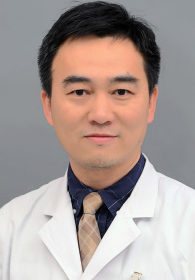 Jun Qian (钱军)合作论文数北京协和医学院北京协和医院1
 Jiaming Liu (刘家明)合作论文数The First Affiliated Hospital of Nanchang University1
 Qianyu Zhuang (庄乾宇)合作论文数Peking Union Medical College Hospital1
 Jun Zhao (赵峻)合作论文数Peking Union Medical College Hospital1Feng Tian (田锋)合作论文数1Xin Lu (鲁昕)合作论文数1
 Ye Tian (田野)合作论文数Peking Union Medical College Hospital1
 Yixin Zhou (周一新)合作论文数Beijing Jishuitan Hospital;Peking University Health Science Center1
 Huijuan Zhu (朱惠娟)合作论文数Peking Union Medical College Hospital1
 Bo Pan (潘博)合作论文数Peking Union Medical College Hospital1
 Yongqiang Zhao (赵永强)合作论文数中国医学科学院北京协和医院血液内科1
 Wei Cui (崔巍)合作论文数Cancer Hospital Chinese Academy of Medical Sciences1
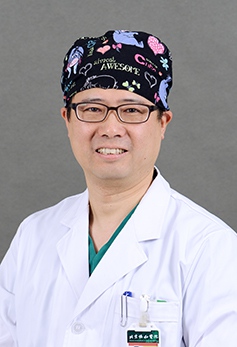 Jie Yi (易杰)合作论文数Peking Union Medical College Hospital1
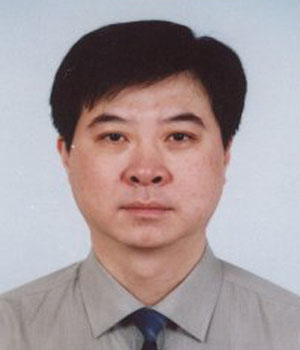 Hong Zhao (赵宏)合作论文数Department of Orthopaedic,PUMC Hospital,CAMS/PUMC,Beijing ,China1
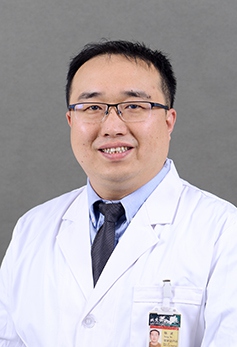 Bo Yang (杨波)合作论文数Peking Union Medical College Hospital1
 Xinghua Yin (尹星华)合作论文数北京积水潭医院矫形骨科1




