目的 分析近10年国内痤疮患者生命质量研究的现状,预测其未来发展趋势.方法 以中国知网、万方、维普为数据来源,检索2012年1月至2022年7月痤疮生命质量相关文献,对期刊发文量、影响因子、研究机构、作者、关键词、治疗方式、使用量表进行统计分析.结果 共纳入732篇文献.《中国美容医学》是收录该类研究最多的杂志;河南省中医院的王丽是近10年该领域发文最多的作者;广州中医药大学是该研究数量最多的机构;除痤疮和生命质量外,寻常(型/性)痤疮是使用最多的关键词,中药复方、中成药、针刺是痤疮的主要的治疗方式,阿达帕林凝胶、盐酸米诺环素胶囊是痤疮主要应用的西药;Dermatology Life Quality Index是使用最多的量表.结论 痤疮瘢痕、安全性和焦虑成为痤疮生命质量领域的研究热点和趋势,中医药疗法在提升痤疮患者生命质量中有明显优势,但国内使用痤疮中文量表数量有限且不规范,亟待规范使用.
目的:研究采用响应面法优化红景天抗氧化有效物质的提取工艺.方法:以乙醇浓度、提取时间、乙醇用量为主要影响因素,红景天苷提取率(%)、提取液体外DPPH清除率(%)和提取液体外总抗氧化能力为评价指标,采用3因素5水平响应面法对红景天抗氧化有效物质提取工艺进行优化.结果:Design-Expert软件优化得到的最佳提取工艺为,饮片加11倍体积46.60%乙醇溶液提取4.67 h,提取2次,合并提取液,浓缩,即得.该提取工艺下红景天苷提取率为1.12%,提取液DPPH清除率为89.13%,总抗氧化能力为1.39 mmol/L.结论:用响应面法优化得到的红景天抗氧化有效物质提取工艺简便易行,准确性和重现性好.
目的:观察希望液对衰老模型大鼠皮肤脂褐素沉积的影响及延缓皮肤衰老的药效.方法:采用吸入臭氧法复制大鼠衰老模型,各给药组分别灌胃给予阳性对照药(维生素E,13.5 mg·kg-1)及低、中、高剂量(225,450,900 mg·kg-1)希望液,模型组和正常对照组给予等量蒸馏水.检测大鼠血清总超氧化物歧化酶(T-SOD)、过氧化氢酶(CAT)、谷胱甘肽过氧化物酶(GSH-PX)、丙二醛(MDA)含量;HE染色显示皮肤病变,形态计量表皮角质层体积比;三氯化铁-铁氰化钾染色显示皮肤脂褐素,形态计量表皮脂褐素沉积体积比.结果:与正常对照组比较,模型组大鼠血清T-SOD、CAT、GSH-Px水平及皮肤表皮角质层体积比显著降低(P<0.05),MDA水平和脂褐素沉积显著升高(P<0.05或P<0.01).与模型组比较,希望液能升高大鼠血清T-SOD、CAT、GSH-Px水平及皮肤表皮角质层体积比,降低MDA水平和脂褐素沉积;其中希望液各剂量组的T-SOD、MDA水平及脂褐素沉积、中、高剂量组的CAT水平、高剂量组的GSH-Px水平及皮肤表皮角质层体积比与模型组比较差异有统计学意义(P<0.05或P<0.01).结论:希望液通过抑制氧化应激损伤,减少表皮脂褐素沉积,延缓皮肤衰老.
目的 探究杞红液对臭氧吸入联合冰水浴诱导大鼠血管纤维化的影响.方法 运用臭氧复合冰水浴造模法,制作寒凝血瘀衰老大鼠模型,检测血清NOS、MPO活力,ET-1含量;运用Masson染色和免疫组化来观察杞红液对动脉血管纤维沉积的影响.结果 与对照组比较,模型组NOS活力降低(P<0.05),MPO活力升高(P<0.05),ET-1含量降低(P<0.05),血管纤维沉积增加(P<0.05),TGF-β1表达量升高(P<0.05).与模型组比较,杞红液低、中、高剂量对上述指标、胶原纤维沉积、TGF-β1表达量有不同程度改善(P<0.05).结论 杞红液可能是通过调节大鼠NOS和ET-1的表达含量,调节机体应激反应,改善血管内皮功能及改善血管纤维化来实现对血管的保护作用.
Ethnopharmacological relevance: Qingdu granule (QDG), a traditional Chinese herbal prescription, had antitumor effect on breast cancer. However the underlying mechanism of QDG was unclear. The aim of this study: The present study aimed to investigate whether QDG could inhibit angiogenesis of breast cancer via acting on nuclear factor of activated T-cells (NFAT) signaling pathway. This was implicated in human umbilical vein endothelial cells (HUVECs) in vitro and breast cancer xenograft model in vivo. Materials and methods: The VEGF(165) (15.58 ng/mL) induced human umbilical vein endothelial cells (HUVECs) were treated with serum samples containing tamoxifen (TAM), tacrolimus (FK506), or QDG with three dosages. The migration and canalization capacities of HUVECs were evaluated by transwell migration and tube formation assay. In 72 h-cultured HUVECs, The gene expression, protein amount, and nuclear translocation of NFATc3 were measured. The anti-tumor and anti-angiogenic effects of QDG in vivo were investigated in breast cancer xenograft model. The serum VEGF levels, microvessel density, and protein expressions (immunohistochemistry and western blot) of VEGF, VEGFR2 and NFATc3 were detected. Results: The results showed that, QDG significantly inhibited HUVEC migration and tube formation. It down regulated NFATc3 gene expression, decreased NFATc3 protein amount, and reduced the ratio of NFATc3 nuclear translocation in HUVECs. In breast cancer xenograft model, QDG treatment significantly suppressed tumor growth, inhibited VEGF release, and decreased microvessel density. QDG reduced protein expressions of VEGF, VEGFR2 and NFATc3. Conclusion: The results suggested that QDG showed anti-angiogenic effects of breast cancer both in vitro and in vivo. The mechanism might be partially associated with inhibiting NFAT signaling pathway.
Objective:To treat nasal comedo externally with TCM facial cleanser,TCM nose paste,TCM gel by the TCM pattern differentiation,to improve the quality of nasal skin by addressing both the symptoms and root cause.Methods:Cleanser,nose pore strip and gelatin were made with Chinese materia medica and analyzed based on the cosmetic fomula in ancient TCM literature with bibliometric methods.After making the products,investigations and control analyses were conducted,and compared with the simple pull nose paste.Results:Cleanser,nose pore strip and gelatin made by Chinese materia medica can remove nasal comedo statistically (P < 0.05).Compared with control group,the cleanliness,skin feeling,fragrance and recurrence rate of experimental group were significantly better (P < 0.05),but the difference of excitable degree and adverse effects were not obviously (P > 0.05),while eottom of use also needs improving.Conclusion:Based on TCM's syndrome differentiation,cleanser,nose pore strip and gelatin made by Chinese materia medica can improve the quality of nasal skin effectively and treat both symptoms and root causes to a certain degree.External therapy used for removing the nasal comedo is deserved further exploration and trial.
Objective To discuss the influence of Qihong Fang (Wolfberry and Hawthorn Decoction) on heart in aged rats with cold-congealing and blood-stasis pattern.Methods SD rats (n =48) were divided randomly into normal control group,model group,vitamin E group (13.5 mg/kg),low-dose Qihong Fang group (45 mg/kg),mid-dose Qihong Fang group (90 mg/kg) and high-dose Qihong Fang group (180 mg/kg).The aged rat model of cold-congealing and blood-stasis pattern was established through 28-d ozone leading to aging and 14-d ice water leading to cold-congealing and blood-stasis pattern in other 5 groups except of control group.On the 29th d,the blood samples were collected from abdominal aorta for isolating serum and plasma,and heart was separated too.The vitalities of serum total superoxide dismutase (T-SOD),Cu-Zn SOD,Mn-SOD,catalase (CAT),glutathione peroxidease (GSH-PX),content of malondialdehyde (MDA),and prothrombin time (PT),activated partial thromboplastin time (APTT),thrombin time (TT) and fibrinogen (FIB) were detected.The morphologic changes of heart cells were observed after HE staining,fiber deposition quantity was observed after Masson staining,expression of transforming growth factor β1 (TGF-β1) was detected by using immunohistochemistry technique for reviewing aging model of cold-congealing and blood-stasis pattern,and protective effect of Qihong Fang on heart was observed in rats.Results Compared with normal control group,the vitalities of T-SOD,Cu-Zn-SOD,Mn-SOD,CAT and GSH-PX decreased significantly (P < 0.05),MDA content increased significantly (P< 0.05,PT and APTT decreased significantly (P < 0.05),and FIB content increased significantly (P <0.05) in model group.After Masson staining,morphometry observation by light microscope showed deposition of heart collagen fibers increased significantly (P < 0.05),and expression of TGF-β1 increased significantly (P < 0.05).Compared with control group,the vitalities of T-SOD,Cu-Zn-SOD,CAT and GSH-PX increased significantly (P < 0.05),MDA content decreased significantly (P < 0.05),PT and ATPP increased significantly (P < 0.05),FIB content decreased significantly (P < 0.05),deposition of heart collagen fibers decreased significantly (P <0.05),and expression of TGF-β1 decreased significantly (P < 0.05) in mid-dose and high-dose Qihong Fang groups.Conclusion Qihong Fang has a protective effect on heart in aged rats with cold-congealing and blood-stasis pattern.
Objective To investigate the cardioprotective effect of Xiwang Ⅱ in mice exposed to passive smoking and its mechanism of action.Methods A total of 72 male Kunming mice were randomly divided into control group, model group, positive drug group, and low-, middle-, and high-dose Xiwang Ⅱ groups.The mice in the control group were exposed to laboratory air, and those in the model group were exposed to cigarette smoke for 45 consecutive days (3 hours a day).The drugs were administered since day 16 of exposure and the mice were sacrificed on day 45 to collect heart tissue.The level of malondialdehyde (MDA) in the heart was measured, as well as the activities of cardiac total superoxide dismutase (T-SOD),copper-zinc superoxide dismutase (Cu-ZnSOD), and myeloperoxidase (MPO).The histomorphological features of the heart were observed and the collagen fiber area in the heart was calculated.Immunohistochemistry was used to measure the expression of transforming growth factor-β1 (TGF-β1) in the heart.Results Compared withthe control group, the model group had significant reductions in the activity of Cu-ZnSOD and T-SOD (P<0.05) and significant increases in MPO activity, MDA level, cardiac muscle fibers, and TGF-β1 expression (all P<0.05).Compared with the model group, the low-, middle-, and high-dose Xiwang Ⅱ groups had significant increases in the activities of Cu-ZnSOD and T-SOD (P<0.05) and significant reductions in MPO activity, MDA level, cardiac muscle fibers, and TGF-β1 expression (all P<0.05).Conclusion Xiwang Ⅱ exerts its cardioprotective effect on mice exposed to passive smoking by regulating oxidative stress response in the heart.
Preparations of Chaihu Guizhi Ganj iang Tang prepared with different extraction technology are given to model rats through intragastric administration,and primary data including seven indexes on hepatic function and lipid peroxidation are collected to investigate their protective effects on hepatic inj ury.All the experimental data are conducted through grey relational analysis to find out that in three different technologies, the preparation of chahu Guizhi Ganj iang Tang has the best therapeutic effect and the optimum administration time (about three months)for rats.
Objective To study the impact of xiwang Ⅱ on the liver of passive - smoking mice. Methods Seventy - two Kunming male mice were randomized into a control group,a model group,a procya-nidin group,the xiwang low - dose group,the xiwang middle - dose group and the xiwangⅡ high - dose group. In the control group,the mice were exposed to the natural air and the models were prepared in the rest groups. Medication was given since the 16th day after modeling in each group. The double distilled water was used for lavage every day in the control group and the model group,5. 49 ml/ kg. In the procyanidin group, procyanidin,16. 47 ml/ kg was used every day for lavage. In the low - dose,middle - dose and high - dose groups of xiwang Ⅱ,xiwang Ⅱwas used at 1. 83 ml/ kg,5. 49 ml/ kg and 16. 47 ml/ kg separately every day for lavage. The tissues were collected in 45 days. Serum was collected from abdominal aorta and liver was ob-tained. CAT activity,the levels of AST and ALT in serum,T - SOD and Cu/ Zn - SOD activities and MDA were detected. The liver histology was observed. The volume constituent ratio of hepatocytes and volume ratio of hepatic collagen fibers were calculated. Results Compared with the control group,the activities of Cu/ Zn- SOD,T - SOD and CAT were reduced(P < 0. 01),the levels of MDA,AST and ALT were increased(P <0. 01),the volume constituent ratio of hepatocytes and volume ratio of hepatic collagen fibers were increased (P < 0. 01)in the model group. As compared with the model group,the activities of Cu/ Zn - SOD,T - SOD and CAT were increased apparently(P < 0. 01),the levels of MDA,AST and ALT were reduced apparently (P < 0. 05,P < 0. 01),the volume constituent ratio of hepatocytes and volume ratio of hepatic collagen fibers were reduced(P < 0. 01)in the low - dose,middle - dose and high - dose groups of xiwang Ⅱ. Conclusion Xiwang Ⅱprotects the liver from damage in the passive - smoking mice probably through improving the level of antioxidant enzymes,regulating oxidative stress,maintaining anti - oxidative balance,alleviating lymphocyte infiltration,preventing hepatocyte edema and delaying liver fibrosis.
Objective To evaluate the protection effect of Hope I decoction on ozone inhalationinduced injury in rats. Methods 48 male SD rats were randomly divided into 6 groups,i. e.,control,model,VE( 0. 0135 g / kg),Hope I decoction at three dosages( 0. 045,0. 090,0. 180 g / kg respectively).Modeling rats were exposed to ozone in an exposure cabinet( 10 h / d × 45d),then some of them were intragastrically administrated with vitamin E or Hope I decoction. Then,the level of SOD,LPO,CAT and GSHPx in rat serum were detected and pathologic change of lung tissue were observed,Immunohistochemistry for surfactant protein A( SP-A) content were observed. Results The activity of SOD,CAT and GSH-Px in serum were increased and LPO level were reduced in all Hope I groups. Histopathological slides of these three groups also showed an attenuated extent of alveoli dilatation and collapse induced by ozone exposure,surfactant protein A of these three groups were significantly enhanced. Conclusion Hope I decoction hasgreat protection effect on ozone inhalation-induced injury in rats.
目的 采用星点设计-响应面法优化温胆汤提取工艺.方法 以乙醇浓度、提取时间、乙醇用量为主要影响因素,以总酸和橙皮苷含量为评价指标,采用3因素5水平星点设计-响应面法对温胆汤乙醇提取工艺进行优化;以提取时间和加水量为主要影响因素,总多糖为指标,采用2因素5水平对温胆汤水提取工艺进行优化.结果 最佳提取工艺为饮片先加入10.73倍量60%乙醇,提取2次,每次提取1.68 h,收集乙醇提取液;滤渣加入8.13倍量水,提取2次,每次提取1.34h;合并乙醇和水提取液,浓缩即得.结论 用星点设计-响应面法优化得到的温胆汤提取工艺简便易行,准确性和重现性好.
目的:研究丹皮酚(Pae)对二乙基亚硝胺(DEN )诱发大鼠肝癌前病变的预防作用,并探讨其作用机制。方法:采用腹腔注射DEN 诱发大鼠肝癌前病变模型。雄性w istar大鼠按照体质量随机分成3组:对照组、模型组、丹皮酚组。造模给药16周后处死大鼠,观察各组大鼠一般状况,进行肝脏病理组织学检查,检测肝功能指标ALT、AST、GST、TBIL ,脂质过氧化指标LPO、SOD、INOS、GSH‐PX。结果:病理组织学显示,丹皮酚可以显著降低肝细胞异型增生灶和异型增生结节数目;降低血清中异常升高的ALT、AST、TBIL、GST、INOS、LPO水平,升高血清中降低的SOD、GSH‐PX水平。结论:丹皮酚对于大鼠肝癌前病变具有一定程度的预防保护作用,其保护机制可能与改善肝功能,提高抗氧化能力,抑制脂质过氧化反应有关。
Objective To study the impacts of compound yanshou decoction on the liver in the rats of senility and hyperlipidemia. Methods Sixty male SD rats were randomized into a control group(standard fodder + nature air),a model group(high - fat fodder + 4 h ozone contamination),a positive medicine group (fenofibrate,18. 0 ml/ kg),and the low - dose,middle - dose and high - dose groups of compound yanshou decoction(4. 5 ml/ kg,9. 0 ml/ kg,18. 0 ml/ kg). Medication started on the 35th day and in 70 days of contam-ination. Serum was collected from abdominal aortal blood. The levels of SOD,LPO,GSH - PX,TG,TC,LDL- C and HDL - C were detected. The damage degree of liver tissue was observed pathologically. The in situ content of oxidase was measured morphologically. Results In the model group,the activity of SOD and GSH- PX and the level of HDL - C were reduced(P ﹤ 0. 05 or P ﹤ 0. 01),and the levels of LPO,TG,TC and LDL were increased(P ﹤ 0. 05,P ﹤ 0. 01);the hepatocyte edema,fatty degeneration and collagenous fiber sedimentation happened and NOX2 in situ content was increased. In the low - dose,middle - dose and high -dose groups of compound yanshou decoction,the improvements were achieved in the above biochemical inde-xes,collagenous fiber sedimentation and NOX2 in situ content. Conclusion Compound yanshou decoction acts on the protection to the liver of rat with ozone - induced senility and hyperlipemia.
目的 采用多重指标综合优化复方柴胡颗粒的提取工艺,并制备其颗粒剂.方法 综合以柴胡皂苷a、柴胡皂苷d、芦丁、橙皮苷和浸膏量为检测指标,采用L9(34)正交设计实验,考察乙醇浓度、溶剂用量、提取时间以及提取次数对复方柴胡颗粒提取效果影响,优化提取工艺并进行验证,以得到的干膏为原料,单因素考察稀释剂糊精和矫味剂阿斯巴甜的用量,制备复方柴胡颗粒.结果 最佳提取工艺为10倍量80%乙醇每次提取2h,提取3次;干膏与糊精比例为1∶0.9,润湿剂为85%乙醇,阿斯巴甜用量为1.0%时得到复方柴胡颗粒较好.结论 多指标综合考察复方柴胡颗粒最佳提取工艺,验证实验表明该工艺可行、重复性良好,单因素考察复方柴胡颗粒制剂制备工艺,得到外观优良、口感较佳的颗粒剂.
Objective:To establish the quality control method for compound Jieyu granules. Methods:Liquorice was identified by TLC. saikosaponin a, Saikosaponin d and rutin were determined by HPLC. Results:The spots on TLC plates were clear without any in-terference. The linearity was achieved within the range of 0. 508-16. 200 μg (r=0. 999 8) for saikosaponin a, 0. 503-16. 100 μg(r=0.999 7) for saikosaponin d, and 0.130-4.250 μg(r =0.999 9) for rutin. The average recovery was 99.7%(RSD =2.03%), 99. 8%(RSD=1. 44%) and 102. 6%(RSD=1. 40%), respectively. Conclusion:The method is simple, reliable and accurate, and can be applied as the quality control method for compound Jieyu granules.
Objective:To investigate the protective effects of baicalin on liver in hepatic precancerous mice induced by diethylnitrosamine(DEN).Methods:Hepatic precancerous model was obtained by administration of DEN through intraperitoneal injection to male mice,and the pharmacologic effects of baicalin were assayed by histopathologic examination and levels of alanine aminotransferase(ALT),aspartate aminotransferase(AST),gultathione-S-transferases(GST) and alkaline phosphatase (ALP).Results:The liver functions were serious damaged by administration of DEN,which showed up as morphologic changes and abnormal structure in model mice,such as hver cirrhosis,hepatic fibrosis which divided the liver lobule,liver cell denaturation, hyperplasia,intranuclear inclusions and tendency to atypia,and heavy local infiltration by macrophages was observed,at the same time,enzymatic activities in serum were increased abnormally(P0.05).Situations of mice treated by baicalin were much better,and hepatic fibrosis was decreased,which was failed to divide the liver lobule,and scarce liver cell denaturation,atypical hyperplasia,intranuclear inclusions could be observed.Enzymatic activities in serum were decreased markedly compared with those in model mice(P0.05).Conclusion:Baicalin is partly effective to protect the liver functions in hepatic precancerous mice induced by DEN.
Context: Pharmacokinetics of drug may be altered by abnormal physiological functions in illness, which will affect its pharmacodynamic efficacy in turn.Objective: To assess the preventive effects of tetramethylpyrazine (TMPZ) phosphate on hepatocarcinogenesis and its pharmacokinetic differentiations in model mice.Methods: Diethylnitrosamine (DEN) was adopted to induce hepatic precancerous model in mice through intraperitoneal injection, and prevention efficacy of TMPZ at a dose of 162 mg/kg was examined by liver histological analysis and activities of serum marker enzymes. Pharmacokinetic variations of TMPZ between control and model mice were measured for single oral administration.Results: DEN initiation led to a remarkable increase of serum marker enzymes, and abnormality such as bile canaliculi hyperplasia and presence of tumor cells were observed in liver histopathological examination in model mice, while the control ones revealed normal architecture. Oral treatment of TMPZ resulted in a marked reduction in serum marker enzymes and improvement in liver histopathology compared with model ones. In pharmacokinetic study, values of AUC and T-max of TMPZ became significantly greater with increase of doses in both control and model mice, which elucidated the absorption was enhanced and delayed; meanwhile, its elimination was not affected markedly. When the mice were treated at same dose, the adsorption of TMPZ in model mice was greatly improved than that in control ones, while T-max and MRT had no significant difference.Conclusion: TMPZ was partly effective to protect liver from carcinogenesis initiated by DEN, and hepatic insufficiency could change its pharmacokinetics.
Objective: To confirm the protective effect of curcumin on diethylnitrosamine(DEN)-induced hepatic precancerous lesions in mice.Method: The male mice were randomly divided into four groups.The hepatic precancerous lesions in mice were replicated with DEN(95 mg·kg-1) intraperitoneal administration once a week for 10 weeks,meanwhile curcumin(120.0 mg·kg-1) with or without Rhizoma Dioscoreae(3.03 g·kg-1) was administrated intragastrically once a day to protect the hepatic precancerous lesions.On the 71st day,the blood was collected to detect the hepatic injury biomarkers,and partial liver was fixed to observe the pathological changes.Result: Compared with those in the control mice,the hepatic precancerous lesions in the model mice were confirmed as the alterative and proliferative changes of liver,the proliferative hepatocytes were demonstrated as the atypia similar to hepatic carcinoma,the alterative changes were supported by the elevated activities of serum ALT(195.57±91.56) U·L-1,AST(39.68±24.20) U·L-1 and GST(42.31±8.19)U·L-1.The administration of curcumin relieved the hepatic precancerous lesions significantly(P<0.01),and the combination use of curcumin and Rhizoma Dioscoreae could enhance the effect(P<0.05) in the treatment groups with ALT(82.75±38.54) U·L-1,AST(30.32±7.80) U·L-1and GST(24.61±7.58) U·L-1,respectively.Conclusion: Curcumin can protect the hepatic precancerous lesions in the mice attacked by diethylnitrosamine,and combination use of curcumin and Rhizoma Dioscoreae can be more effective.
Objective:To observe the effect of ursolic acid on hepatic precancerous lesion in mice.Methods:Except for rats in control,model rats were intraperitoneally injected with diethylnitrosamine(DEN) for inducing hepatic precancerous lesions.Ursolic acid(225.0mg/kg) or it(112.5 mg/kg) with medlar Abstraction(1 200.0mg/kg) was administrated intragastricall for treating the lesions in 10 weeks.Hepatic function was detected as ALT,AST,ALP,GST.Pathological changes were observed under microscopy and their degrees were evaluated by morphormetry.Results:Compared with those of control rats,the hepatic precancerous lesions of model rats were indicated as the hepatic dysfunction as elevated ALT,AST,ALP activities in sera,the hepatic cirrhosis as decreased hepatic indexes,collagen deposition and pseudolobule formation,and the atypia of hepatocytes as the increased nuclear volloms.The lesions in model rats were confirmed with their morphormetries.The pathological changes were relived with ursolic acid,more with the ursolic acid jointed with medlar Abstraction.Conclusion:Ursolic acid has the potency to relieve hepatic precancerous lesions.This effect was enhanced with medlar.
 Yueqi Wang (王玥琦)合作论文数School of Traditional Chinese Medicine, Beijing University of Chinese Medicine19
 Xiang Wang (王湘)合作论文数School of Traditional Chinese Medicine, Beijing University of Chinese Medicine15
 Dayong Cai (蔡大勇)合作论文数Institute of Medicinal Plant Development, Chinese Academy of Medical Sciences14
 Yan Sun (孙燕)合作论文数School of Traditional Chinese Medicine, Beijing University of Chinese Medicine8
 JinE Peng (彭金娥)合作论文数7Dongxing Zhang (张东星)合作论文数7TianTian Liu (刘甜甜)合作论文数6
 Xin Zhao (赵欣)合作论文数中国医学科学院北京协和医院6
 Fude Cui (崔福德)合作论文数Shenyang Pharmaceutical University6Wei ZHANG (张微)合作论文数5Minqiang Tian (田民强)合作论文数4Rui Zhang (张睿)合作论文数4Xuanye FENG (冯玄烨)合作论文数4LinLin Liu (刘琳琳)合作论文数4Jie Hu (胡杰)合作论文数4XiaoTing Liu (刘晓婷)合作论文数3Ning Dai (戴宁)合作论文数3Cheng-Zhe Zu (祖承哲)合作论文数3Yibo Jiao (焦艺博)合作论文数3Wenchao Mao (毛文超)合作论文数3HuiFang Bai (白荟芳)合作论文数2Xiangyu LIU (刘香玉)合作论文数2QingBin Qiao (乔庆彬)合作论文数2Xiuping Wang合作论文数2Shijun Yang (杨仕军)合作论文数2
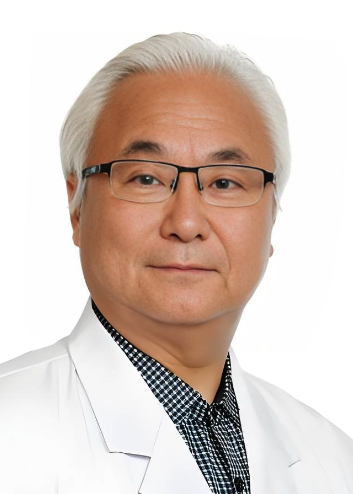 Qingguo Wang (王庆国)合作论文数School of Traditional Chinese Medicine, Beijing University of Chinese Medicine2Yijun Song合作论文数1Lan-hua ZHOU (周澜华)合作论文数1Lin Peng合作论文数1Yi Guo合作论文数1Shasha Ge (葛莎莎)合作论文数1Yuxue Mu (穆玉雪)合作论文数1Yi-han HOU (侯艺涵)合作论文数1Jinyu Liu合作论文数1Bao-quan QU (曲保全)合作论文数1Yan LIU (刘延)合作论文数1Ying HE (贺颖)合作论文数1ZHANG Yan (张燕)合作论文数1Chen-xi MA (马晨曦)合作论文数1ZHANG Hui (张惠)合作论文数1ZhuoYun Wu (吴卓耘)合作论文数1FangLiang Xia (夏方亮)合作论文数1ZeRan Yan (鄢泽然)合作论文数1TianChi Ren (任天池)合作论文数1JianZhi Li (李建志)合作论文数1BaoYing Zhang (张宝瑛)合作论文数1YiFan Chen (陈一凡)合作论文数1
 Kai Shi (石凯)合作论文数College of Pharmacy, Nankai University1Ting Yao (姚婷)合作论文数1




