印度关于传统医学的管理制度采用的是平行模式制度,这种管理制度和韩国二元医疗体制相似,但和中国中医管理制度却大相径庭.韩医的发展经验证明了平行管理模式在当今仍有可取之处.本文主要从医疗基础设施、医疗从业人员、教育、医疗服务等方面对印度传统医学的发展现状进行了概括.通过研究后发现这种制度保护了印度传统医学独立性和多样性,很大程度上推动了印度传统医学的发展.印度传统医学尽管当前面临着教育质量低、从业人员素质低、利用率低等问题,但对我国本土中医药管理上仍有值得学习的经验与教训.
眩晕、头晕、头昏是临床常见的主诉,其症状有明显区别,相关的靶器官也不同.眩晕症的病位主要是前庭系统,头晕症的病位主要是小脑和脑干,头昏的病位主要是大脑皮质.针刺治疗眩晕、头晕、头昏的效果显著,选穴思路首先通过问诊和望诊,明确区分眩晕、头晕和头昏;然后确定相关的经络,根据经络的循行,在病变器官附近局部选穴.与眩晕相关的经络是三焦经和胆经,选择的穴位主要是翳风、耳门、风池等;与头晕相关的经络是督脉、膀胱经、胆经,选择的穴位是脑户、风府、玉枕、天柱、脑空、风池等;与头昏相关的经络是督脉、膀胱经和胆经,治疗头昏选穴除考虑经络的循行外,应重点选择有醒脑开窍功能的穴位,包括神庭、本神、四神聪等.
本文收集美国已对针灸立法的47个州和1个特区的针灸管理相关文件,总结各州对中医针灸执照申请者的条件要求以及对针灸从业者的执业管理等内容.发现美国各州中医针灸发展不平衡,但各州以美国国家针灸与东方医学资格审认证员会认证为专业资格准入的主流趋势.中医师在美国的行医资格门槛日益增高,但针灸师的地位并没有相应的提高.各州的中医针灸立法有助于中医针灸在美国的有序发展,可以更好地为本地民众服务.但是针灸脱离中医单独立法,同时也助长了针灸作为一个独立医学出现的趋势,影响中医整体的发展.由于对西医师从事针灸的特许,中医针灸也更加呈现出本土化的趋势,使我国针灸师和中医医疗服务进入美国市场面临更大挑战.
基于对美国国家针灸与东方医学资格审议委员会(NCCAOM)公共网站所发布的第一手信息的调研,本文归纳、整理了NCCAOM资格证书申请人的资质类别、各州当前注册医师数量分布及对NCCAOM考试和资格的认证情况进行分析,得出的结论有:西医内容在中医(针灸)教学和考试中仍占很大比重,西医对中医发展仍有重要的借鉴意义;美国各州中医发展很不平衡,落后州仍有很大发展空间;单纯师承教育模式前景不乐观,探索新型中医师承教育模式是中医药事业发展面临的重要课题;美国中医师行医资格要求严格,对我国中医药服务贸易形成了较高的贸易壁垒.
Objective To analyze the current situation and problems of the international service trade of private medical institutions of Traditional Chinese Medicine (TCM) in Beijing,and provide the basis for the relevant policies of the international servicetrade of TCM.Methods Combining the stratified samplingandtheconveniencesampling,103 private medical institutions of TCM in Beijing were investigated by questionnaire,and the survey data were analyzed.Results 66.99% of the visiting institutions carried out international trade in services of TCM,and 1 institution had set up branches abroad.2.90% institutions of which have carried out international trade of TCM were preparing for overseas branches,and 8.70% planned to establish overseas branches within 5 years.Conclusions The private medical institutions of TCM developerapidly,but change frequently.Private medical institutions lack compound talents and the enthusiasm of the trade in service.The construction of laws and regulations on trade in services of TCM by the government need improvement.The trade barrier of foreign countries on TCM is increasingly higher.
目的:了解海外中医行医资格管理的概况和趋势,为我国中医机构开展国际服务贸易提供借鉴参考.方法:利用自行设计的调查问卷对参加京交会的海外华侨中医进行问卷调查,调查内容包括中医师在海外获取行医执照相关要求以及在当地面临的竞争及限制情况等.共发放问卷150份,回收有效问卷104份,对数据进行统计分析.结果:62.50%受访者的定居地需要通过当地考试取得行医资格执照才能从事中医(针灸);在53.92%受访者的定居地必须先办理移民才能从事中医(针灸);55.45%受访者的定居地从事中医有语言限制.结论:海外对中医(针灸)从业资格管理日渐加强,经考试取得执照的方式将逐步成为主流;身份条件和语言是中医师走向海外的障碍;多数国家和地区都对外来中医机构有着不同程度的准入限制;我国中医师在海外受到西医师和当地中医师的双重竞争.
中医医疗机构外文网站的建设对于宣传中医药和开展中医药国际服务贸易有着至关重要的作用,但目前中国知名的中医医疗机构对外文网站建设的重视程度普遍不足.韩国整形美容业国际服务贸易的开展非常成功,其中一个重要因素就是其建设完善的外文网站所起到的宣传效果.通过分析发现韩国知名整形美容医院外文网站具有语种多、栏目设置针对性强、在线服务便利等特点.中国中医医疗机构应借鉴韩国整形美容机构的经验加强外文网站的建设.
走访贵州省威宁县二塘镇议山村,根据不同的调研路线对当地住户开展入户访谈.结果表明,当地扶贫工作初显成效,但中医药资源利用仍不完善,相关文化知识普及程度低,医疗条件与教育水平仍处于落后局面.应依据贵州省威宁县的资源优势,深入开展中医产业扶贫工作,要从居民关注度最高的基本民生问题抓起,因地制宜,有针对性地进行帮扶.
目的:分析医药分开的影响因素,探索医药分开的改革措施.方法:借鉴企业边界理论研究医院与药房的关系.结果:目前我国医药不分的主要因素是处方的捆绑式销售和大型集中式门诊.结论:通过改革医疗保险制度,促进处方流动以降低医院药房的收入,同时采取征收营业税等手段增加医院药房的运营成本,促进医院放弃药房,最终实现医药分开.
近年来,日本汉方医学从没落走向复兴,汉方医学教育随之发展起来。汉方医学的教育主要分三个方面:医科大学生的汉方医学概论教育;汉方专科医生的临床培训和汉方医学的继续教育。分析日本汉方医学教育,课题组得出日本汉方医学教育的不足之处包括课时不足、师资匮乏、教学内容缺乏规范、过度强调汉方西化。然而日本汉方教育中也有可以借鉴的地方:提高中医执业医师门槛、选择思想稳固的从业人员、加强中医药继续教育以及如何开展中西医结合教育。
The class teaching of Health Administration uses case teaching method. With a few years of practice, the case teaching library is established. Case teaching includes case preparation and discussions process, case selection and requirement for teaching should be come from the Health Administration practice, and it should be purposeful, typical and refined. The students are required to participate actively and put forward their views during the discussion process, and teachers should provide the necessary summary. Practice has proved that the preparation of case study library is a gradual process, case writing and teaching through group practice are suitable for the need of Health Administration.
Objective:To understand the prescription filling behavior of outpatients, and its influencing factors under different level hospitals in Zhengzhou.Methods: The data was collected by surveying 1,087 outpatients from primary health center, secondary and tertiary hospitals in Zhengzhou.Quantitative data was used descriptive analysis and chi-square test with SPSS16.0.Results: There are only 13.89% respondents who filled prescription at retail pharmacy outside hospitals and 86.11% respondents who filled prescription in hospital pharmacy after seeing the doctors.The related factors of which influence behaviors of prescription filling of outpatients include: patients can't get compensation from health insurance foundation if prescriptions been filled out of hospital, patients worried about the quality of the drugs sold in retail pharmacy.Conclu-sion: The phenomenon of prescription highly concentrated in hospital impeded the separation of prescription .We can promote prescription outflow from hospitals by reforming our current health care system, thereby achieve the goal of separation of prescription and dispensing.
Objective:To understand the drug purchase behaviors and prescription flows of outpatients and their influencing factors. Methods: After selecting and investigating tertiary hospitals, secondary hospitals, community health service centers ( one per each level) in Beijing, Zhengzhou, Guangzhou, this paper uses structured question-naire method to analyze 3,155 valid questionnaires. A logistic regression analysis is performed to understand the fac-tors influencing the drug purchase behaviors. Results:The factors influencing the drug purchase behaviors of outpa-tients mainly include the region where the patient is, level of the hospital, type of health insurance that the patient has, frequency of drug purchase, etc. Conclusions: This paper suggests hospital administrators to take measures to improve prescription flows, such as reforming the health care insurance to make payment system more suitable for pharmacies standardizing supply channels in order to make varieties consistent between hospitals and pharmacies, strengthening education and publicity to raise the outpatients’ awareness for drug purchase outside of hospitals, etc.
Recent years, hospitals of China are getting bigger and bigger.But at the same time, the number of hospitals in U.S.A de-creased from 7,123 in 1970 to today's 5,795, the total beds decreased from 1,616,000 to 944,000, the number of the hospitals with more than 500 beds decreased from 639 in 1971 to 314 in 2009, the amount of hospitals, scale and total beds of U.S.A are all decreased.The main reasons are as follows: development of medical technology;widespread of the idea of patient-centered;pressure of costs control.These changes are ac-cord with future growing trend and give us a caution that we should control the amount and scale of hospitals of China to prevent waste .
From the perspective of social regulation, public hospitals'public welfare desalination can be attributed to two related issues, one is asymmetric information, another is externality.The most effective treatment methods are social regulation measures, including medical quality management system, medical security system,emergency rescue mechanism, medical information disclosure system, patient rights protection sys-tem.By implementing these social regulation measures can effectively solve the problems of welfare dilution, to fully protect the public welfare in public hospitals.
1师承教育与院校教育的发展概况 中医在诞生以来的漫长发展过程中,其理论体系及实践经验,是依靠师承教育的形式薪火相传.师承教育是培养中医药人才的主要模式. 中医的院校教育起于近代.据考证,最早的中医学校为1885年陈虬在浙江省瑞安县主办的“利济医院学堂”.这所学校已经有较进步的制度和完备的学习内容[1],其后,中医院校教育开始缓慢地发展起来.
卫生管理课堂教学的改革始终围绕着以学生为主体,展开教学活动.通过组织学生小组收集案例并课堂展示和讨论,探讨如何通过教学实践提高对问题的理解和协作,来确定更好的做法,以改善学生学习.教师和学生互动,调动了学生学习专业课的兴趣和积极性.以小组为单位的新尝试,能够让更多的学生参与到课堂讲课中来,分享彼此的案例学习成果,改进教学效果,也为下一步卫生管理学的课程改革提供参考.
Objective To understand the behavior of buying drugs of outpatients and its influence factors.Methods 501 outpatients were selected to attend an interview survey for their buying drug situation and influencing factors.The data was analyzed by using descriptive methods.Results There are 97.08% respondents who bought drugs from hospital pharmacy.73.33% respondents prefer drugs from hospital pharmacy rather than retail pharmacy.43.54% respondents believe the drug quality of hospital is better than that of retail pharmacy.55.83% believe the drug from retail pharmacy is cheaper.Conclusion Medical insurance policy,control measures from hospital and drug manufacturers as well as consciousness and purchasing habits of outpatients are factors which restraining prescriptions outflow from the hospital.
The effectiveness of maternal and child care work reflecs the health level of the population,quality of the life and civilization degree for a country,the role of traditional Chinese medicine on the prevention and healthcare is not good enough for current maternal and child care work.Based on Preventive treatment of disease,we should establish the prevention and healthcare mode of tradtional Chinese medcine for maternal and child care network,which designes several service processes of prevention and healthcare for all types of people and analyses the supported conditions.
The preventive treatment of disease health project is going forward well.There must be corresponding professional talents of TCM to build the system of prevention and healthcare of traditional Chinese medicine.This paper analyzes the training methods of three types of health prevention personnel and the access standards,it should be based on institutions for high level personnel training,and for skilled personnel,and it should be trained from the vocational programs and formed a new vocational skills classification.All kinds of personnel need the appropriate training medthods.
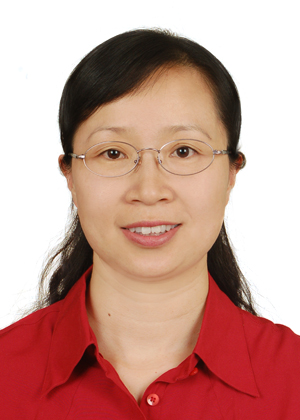 Lingjuan Hu (胡凌娟)合作论文数School of Management, Beijing University of Chinese Medicinec10
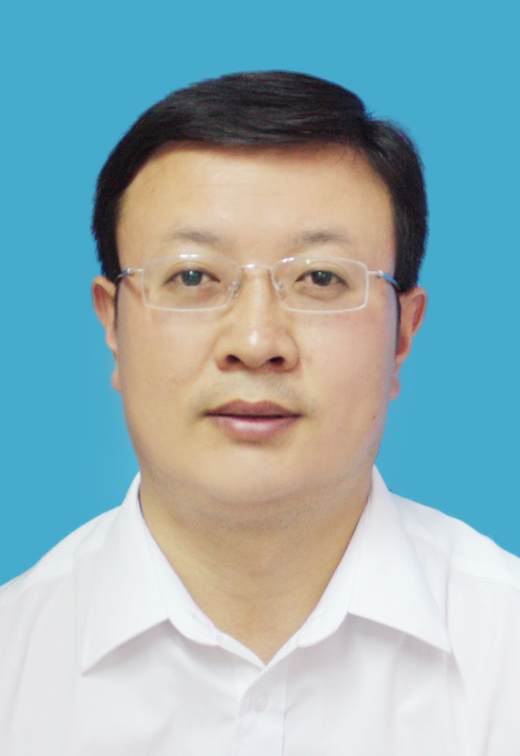 Ruifeng Li (李瑞锋)合作论文数School of Management, Beijing University of Chinese Medicine7
 WenJie Leng (冷文杰)合作论文数6Yu Cui (崔钰)合作论文数6
 Wei Liu (刘薇)合作论文数Beijing Hospital of Traditional Chinese Medicine6ZhanLu Chen (陈占禄)合作论文数5HuiQing Zhao (赵慧卿)合作论文数4Fuwu LI (李富武)合作论文数3
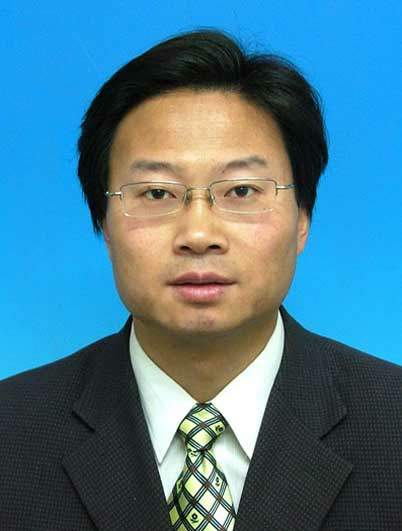 Zhanquan Wen (文占权)合作论文数School of Management, Beijing University of Chinese Medicine3
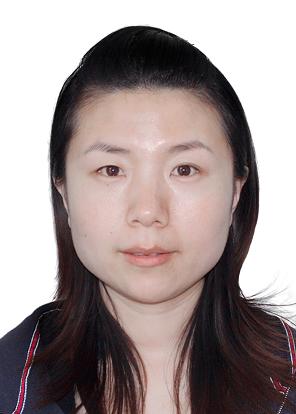 Yuwei Wang (王玉伟)合作论文数School of Management, Beijing University of Chinese Medicine3
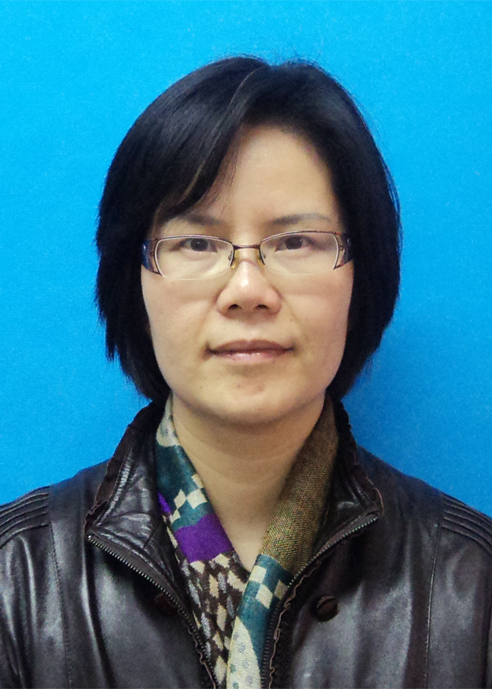 Xin Wu (吴欣)合作论文数School of Management, Beijing University of Chinese Medicine3
 Jinhua Jin (金今花)合作论文数School of Management, Beijing University of Chinese Medicine3Xiaoxue Zhang (张小雪)合作论文数3Baohua Chao (巢宝华)合作论文数2Suriguga (苏日古嘎)合作论文数2Chuan-jie DUAN (段传杰)合作论文数2
 Qiang Sun (孙强)合作论文数Center for Health Management and Policy Research, School of Public Health, Shandong University2Ji Ma (马骥)合作论文数1MeiYin Huang (黄梅银)合作论文数1LiLi Yin (殷丽丽)合作论文数1WanLing Wu (吴婉玲)合作论文数1Jin Zhang (张金)合作论文数1Jing Li (李静)合作论文数1
 Jiangbin Li (厉将斌)合作论文数Dongzhimen Hospital, Beijing University of Chinese Medicine1Dan Feng (冯丹)合作论文数1
 Dan Zhang合作论文数Bosch Center for Artificial Intelligence, Robert Bosch GmbH1Nan Wen (闻楠)合作论文数1Cheng Gao (高成)合作论文数1Shengkun Qu (曲圣坤)合作论文数1




